2026 Bubble Letters Necklace Buying Guide: What to Look For
Discover what to look for when buying a bubble letters necklace in 2026. Expert tips on materials, chain pairings, hardware, and avoiding dents.

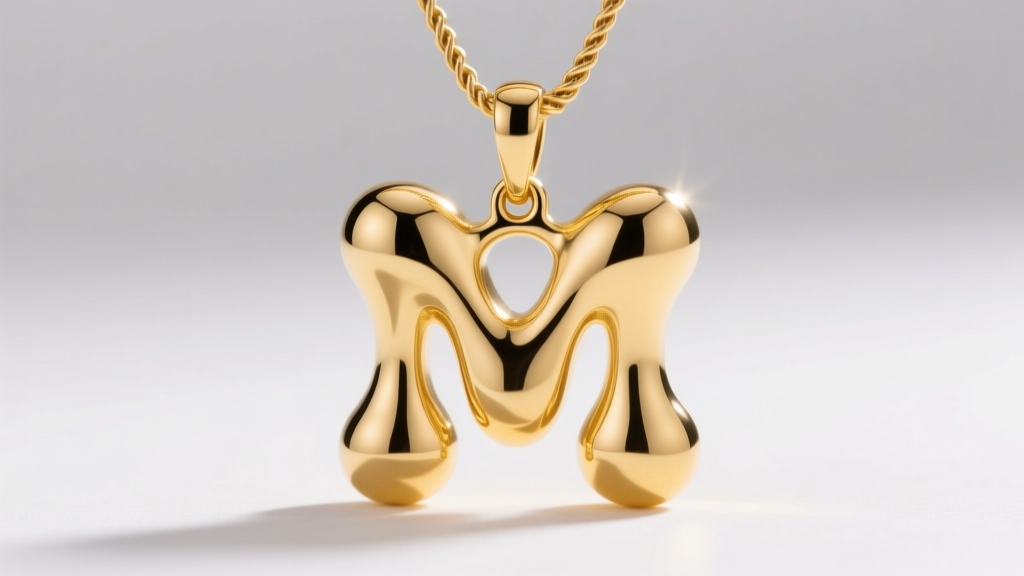
The Y2K jewelry revival has evolved from a fleeting trend into a permanent fixture of modern accessorizing, and at the center of this movement is the bubble letters necklace. Characterized by their inflated, 3D, puffy aesthetic, these initial and word pendants offer a bold, nostalgic statement. However, as the market has become saturated with everything from $15 acrylic knockoffs to $2,500 fine jewelry pieces, navigating the quality spectrum has become increasingly complex for buyers in 2026.
Whether you are investing in a solid gold heirloom piece or a playful enamel everyday chain, understanding the structural integrity, material grades, and hardware requirements of bubble letter jewelry is essential. This comprehensive buying guide breaks down exactly what to look for, how to spot manufacturing flaws, and how to build a bubble letter necklace that will actually last.
The Anatomy of a Bubble Letters Necklace
Unlike flat, stamped initial pendants, bubble letters are volumetric. They are designed to mimic the look of inflated balloons or liquid metal droplets. This 3D structure fundamentally changes how the piece must be engineered. A flat 15mm gold initial might weigh 1.2 grams, but a 3D bubble letter of the exact same dimensions can weigh anywhere from 4 to 18 grams, depending on whether it is cast solid or hollow.
This dramatic increase in weight and surface area dictates everything about the necklace's design, from the thickness of the chain required to support it, to the type of clasp needed to prevent accidental unfastening. When evaluating a bubble letters necklace, you must assess the piece as a complete structural system, not just a decorative pendant.
Material Breakdown & Pricing Tiers
The material composition of your bubble letter pendant will dictate its longevity, weight, and price. Below is a comparative analysis of the four primary materials used in 2026.
| Material | Average Weight (20mm Letter) | Price Range (USD) | Durability & Maintenance | Best For |
|---|---|---|---|---|
| Cast Acrylic / Resin | 2.0g - 4.0g | $25 - $65 | Low. Prone to scratching and UV yellowing over time. | Seasonal trends, festival wear, budget layering. |
| Enamel over Brass | 8.0g - 14.0g | $70 - $150 | Medium. Enamel can chip if dropped; brass may tarnish if enamel cracks. | Colorful everyday wear, statement pieces. |
| 18k Gold Vermeil (Sterling Core) | 5.0g - 9.0g (Hollow) | $120 - $350 | Medium-High. Requires minimum 2.5µm plating. Avoid water and perfumes. | Elevated daily wear, office-to-evening styling. |
| 14k Solid Gold (Hollow-Cast) | 3.5g - 7.0g | $800 - $2,200+ | High. Tarnish-free, but hollow walls (0.8mm) can dent upon hard impact. | Fine jewelry collectors, permanent wear, heirlooms. |
When shopping for gold vermeil, always verify the plating thickness. According to guidelines referenced by the Gemological Institute of America (GIA) and FTC standards, true vermeil requires a sterling silver base with a minimum of 2.5 microns of gold plating. Anything less is considered "flash plated" and will wear through to the silver core within months of daily friction against the skin.
Critical Hardware: Chains, Bails, and Clasps
The most common point of failure in a bubble letters necklace is not the pendant itself, but the hardware connecting it. Because 3D puffy letters are top-heavy and protrude outward, they create a pendulum effect that puts immense stress on the chain and bail.
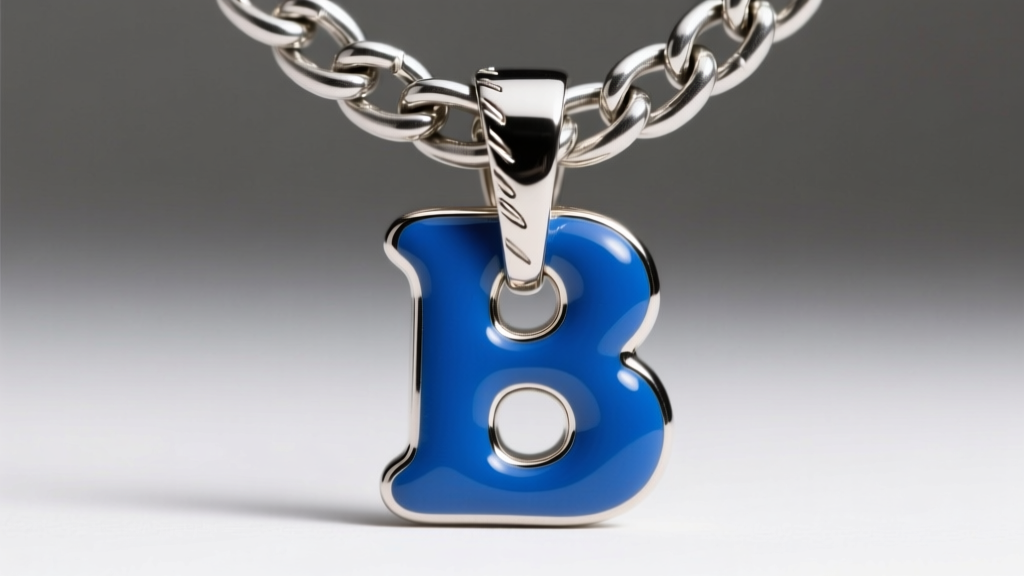
Chain Selection and Gauge
A delicate 1.2mm cable chain will inevitably kink, stretch, or snap under the dynamic weight of a 10-gram bubble letter pendant. For optimal support and aesthetic balance, follow these chain pairing rules:
- For Pendants Under 5g (Small Hollow Gold or Acrylic): A 2.0mm to 2.5mm Figaro or Wheat chain provides sufficient tensile strength while maintaining a delicate look.
- For Pendants 5g to 12g (Medium Vermeil or Enamel): Opt for a 3.0mm to 4.0mm Cuban link or Rope chain. The interlocking links of a Cuban chain lay flat and resist twisting, which is crucial for keeping the bubble letter facing forward.
- Avoid Box Chains: The 90-degree corners of box chain links are structural weak points. Under the swinging weight of a 3D pendant, box chains are highly susceptible to snapping at the joints.
The Bail and Clasp Mechanics
The bail (the loop connecting the pendant to the chain) must be proportionate. If the bail hole is too large, the pendant will slide too far down the curve of the chain, causing "pendant droop" where the letter rests upside down. Look for bails that are soldered shut rather than merely pinched closed. Furthermore, always upgrade standard spring-ring clasps to lobster clasps or toggle clasps, which offer superior security against the pulling weight of 3D jewelry.
Common Failure Modes and How to Avoid Them
Even high-end bubble letter necklaces are susceptible to specific structural vulnerabilities. Understanding these failure modes will help you inspect a piece before purchasing and care for it properly afterward.
1. Hollow Gold Denting
To keep 14k and 18k solid gold bubble letters affordable, jewelers use electroforming or lost-wax hollow casting. This leaves the gold walls between 0.6mm and 1.2mm thick. While structurally sound for wearing, hollow gold will dent if dropped onto a hard surface like a tile floor or a granite vanity. Always remove hollow bubble letter necklaces over a soft towel or carpeted area.
2. Enamel Chipping and Micro-Fractures
Enamel is essentially fused glass. When applied to a curved, 3D bubble letter, the cooling process can create internal tension. If the necklace is knocked against a hard surface, the enamel can chip, exposing the brass or silver base metal beneath, which will quickly oxidize and turn your skin green. Look for brands that use cold enamel (epoxy resin) for puffy designs, as it offers slight flexibility and is highly impact-resistant compared to traditional vitreous enamel.
3. Acrylic UV Degradation
If you are buying pastel or clear acrylic bubble letters, be aware of UV degradation. Cheap acrylics will yellow and become brittle after 6 to 12 months of direct sunlight exposure. Seek out brands that specify the use of UV-stabilized cast acrylic or polyurethane resins designed for outdoor or high-wear applications.
Sizing, Proportions, and Layering Techniques
The inflated nature of bubble letters means they take up significantly more visual space than their flat counterparts. A 15mm flat initial looks subtle, but a 15mm 3D bubble letter looks incredibly chunky.
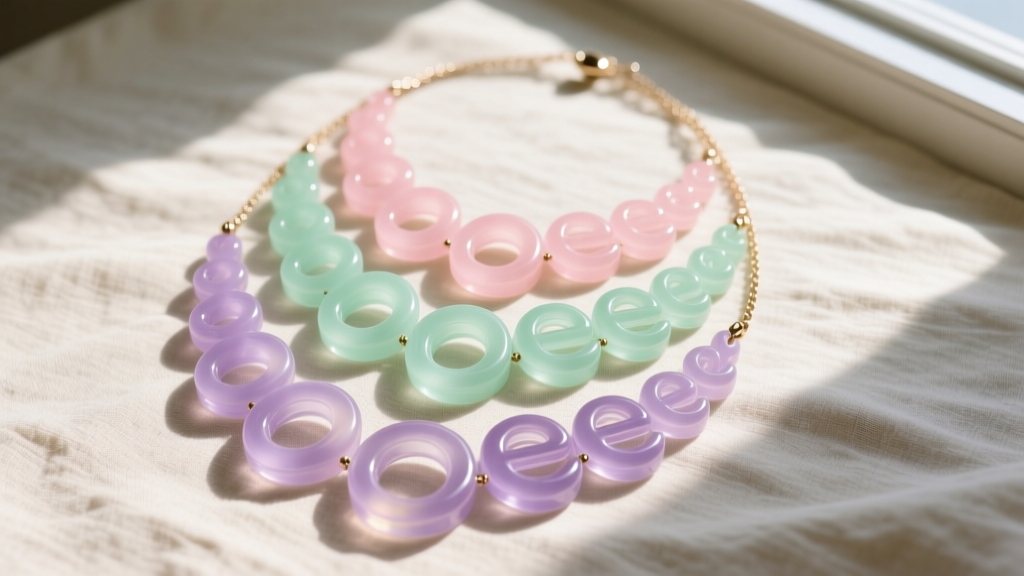
When building a layered necklace stack featuring a bubble letter piece, use the Rule of Dimensional Contrast. Because the bubble letter is highly textured and volumetric, it should be the undisputed focal point. Pair it with flat, minimalist chains to prevent visual clutter.
Expert Layering Formula: Start with a 14-inch flat 1.5mm herringbone chain (choker length). Add your 18-inch bubble letter pendant on a 3mm rope chain. Finish with a 22-inch flat satellite chain featuring a tiny, flush-set diamond solitaire. This creates a cascading effect where the 3D bubble letter physically rests in the negative space between the flat layers, allowing its puffy silhouette to pop without tangling.
Final Verdict: Investing in the Right Piece
The bubble letters necklace is no longer just a nostalgic novelty; it is a masterclass in volumetric jewelry design. When shopping in 2026, prioritize structural harmony. Ensure the chain gauge matches the pendant weight, verify the plating microns if buying vermeil, and inspect the bail soldering. By focusing on these technical specifications rather than just the aesthetic, you will secure a piece that maintains its puffy, flawless appeal for years to come. For further reading on jewelry manufacturing standards and metal durability, resources like Rio Grande offer excellent deep-dives into casting techniques and chain tensile strengths.


