2026 Gift Guide: The Coral Bead Necklace Vintage Collectors Crave
Discover how to select, authenticate, and gift a coral bead necklace. Vintage styles, pricing, and occasion matching for this timeless 2026 heirloom.

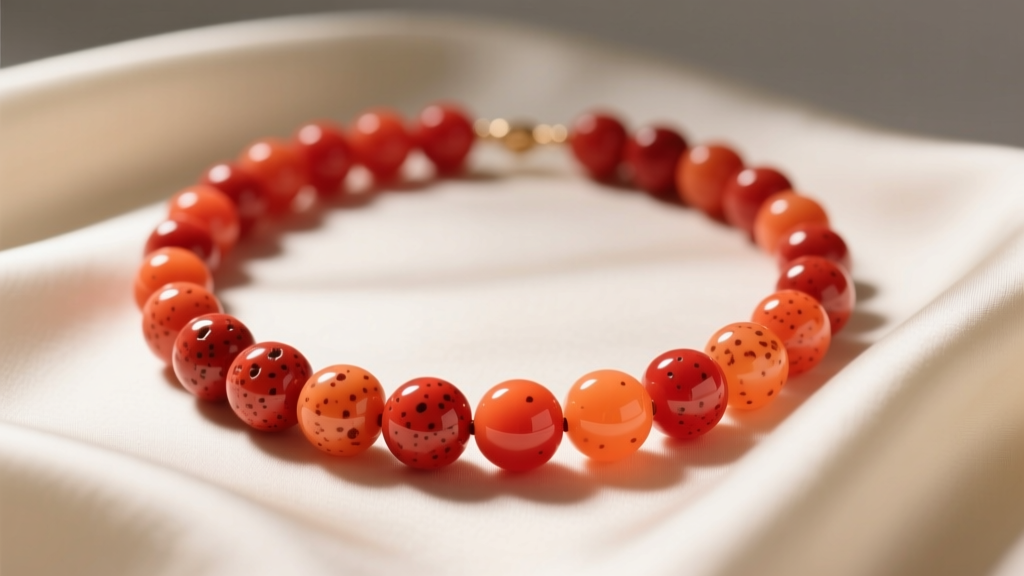
The Ethical and Aesthetic Appeal of Vintage Coral
In the landscape of fine jewelry gifting, few items carry the historical weight, vibrant color, and ethical complexity of a coral bead necklace vintage collectors and style enthusiasts covet. As we navigate 2026, the gifting of organic gemstones has shifted dramatically. Due to strict international conservation efforts and CITES (Convention on International Trade in Endangered Species) regulations, the harvesting of new precious coral is heavily restricted or entirely banned in many regions. Consequently, gifting a vintage coral necklace is not merely a stylistic choice; it is an environmentally responsible decision that preserves ocean ecosystems while offering a highly collectible, investment-grade heirloom.
Unlike faceted minerals, coral is an organic gemstone formed by living marine polyps. The most prized vintage pieces feature Mediterranean red coral (Corallium rubrum), celebrated for its deep, saturated ox-blood to salmon-pink hues. When selecting a vintage piece as a gift, understanding the nuances of era-specific craftsmanship, authentication, and proper care is essential to ensure your present is both authentic and deeply meaningful.
Decoding Eras: A Century of Coral Craftsmanship
Vintage coral bead necklaces are not a monolith. The cutting, stringing, and mounting techniques vary wildly depending on the decade of origin. Matching the era to the recipient's personal style is the first step in successful occasion matching.
Victorian and Edwardian (1837–1910): The Grand Tour Era
During the 19th century, the "Grand Tour" of Europe made Italian coral jewelry a must-have souvenir for the elite. Victorian coral necklaces often feature irregular, hand-carved beads, coral cameos, or intricate floral motifs. They were frequently mounted in rose gold or yellow gold with elaborate, ornate clasps. Gifting tip: These pieces are ideal for the antique-loving recipient who appreciates romantic, highly detailed craftsmanship and historical provenance.
Art Deco (1920s–1930s): High Contrast and Geometry
Art Deco coral necklaces are defined by stark contrasts and geometric precision. You will often find uniform coral beads paired with onyx, jade, or platinum-mounted diamond rondelles. The beads are typically perfectly round and highly polished. Gifting tip: Perfect for the modernist or the professional woman who favors structured, bold, and high-contrast fashion.
Mid-Century Modern (1950s–1970s): The Italian Riviera Influence
The post-war boom saw a massive surge in coral jewelry originating from Torre del Greco, Italy, the historic capital of coral carving. Mid-century necklaces are usually strung as uniform or graduated strands, focusing entirely on the natural beauty and color saturation of the beads rather than heavy metalwork. They often feature simple barrel clasps or push-pull (trombone) clasps. Gifting tip: The most versatile and wearable era, perfect for everyday elegance and the quintessential "La Dolce Vita" aesthetic.
Authentication and Grading: Spotting Real Vintage Coral
The market is flooded with dyed bamboo coral, howlite, and glass imitations. Authenticating a coral bead necklace vintage buyers seek requires a keen eye and an understanding of gemological testing. According to the Gemological Institute of America (GIA), genuine precious coral possesses specific structural markers that imitations lack.
The Magnification and Acetone Tests
Under 10x magnification, genuine Corallium rubrum will reveal a subtle, micro-pitted surface and faint, radiating growth lines. In contrast, dyed bamboo coral (often used as a cheaper substitute) will display a distinct "wood-grain" or longitudinal channel structure. Furthermore, an acetone test (rubbing a cotton swab dipped in nail polish remover on an inconspicuous area of the bead) will reveal color transfer if the coral has been artificially dyed. Genuine vintage Mediterranean coral will never bleed color.
| Material | Visual Characteristics (10x Loupe) | Acetone Test | Typical Vintage Value |
|---|---|---|---|
| Genuine Mediterranean Coral | Micro-pitting, radiating growth lines, no grain | No color transfer | $800 - $4,000+ |
| Dyed Bamboo Coral | Longitudinal wood-grain channels, uniform dye pooling | Red/Pink color transfer | $50 - $150 |
| Glass / Resin Imitation | Mold marks, gas bubbles, perfectly smooth surface | No color transfer | $20 - $75 |
Occasion Matching: Who to Gift Vintage Coral To
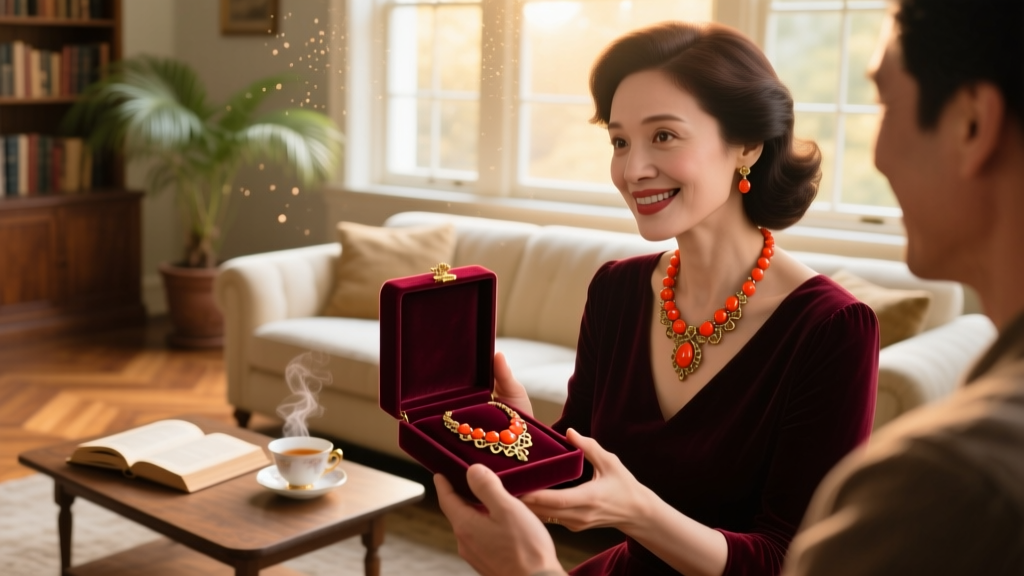
Coral is deeply symbolic, historically associated with protection, vitality, and longevity. Here is a decision framework for matching a vintage coral necklace to specific gifting occasions:
- The 35th Wedding Anniversary: Coral is the traditional gift for the 35th anniversary. A graduated mid-century Italian strand symbolizes a marriage that has grown more vibrant and deeply rooted over time.
- Milestone Birthdays (50th, 60th): The warm, flattering tones of salmon or ox-blood coral draw light to the face, making it an exceptional, confidence-boosting gift for milestone celebrations.
- Professional Retirements: A structured Art Deco coral and onyx necklace serves as a powerful, sophisticated statement piece for a woman transitioning into a new, empowered chapter of life.
- Heirloom Transitions: Gifting a Victorian carved coral collar to a daughter or granddaughter connects generations, offering a tangible piece of family history.
2026 Pricing Guide: What to Expect
Pricing for vintage coral bead necklaces has appreciated significantly as supply dwindles and CITES appendices continue to protect modern coral reefs. When budgeting for your gift, use these current market benchmarks:
- Entry-Level Vintage ($300 - $700): Mid-century uniform strands (5mm - 7mm beads), lighter salmon-pink hues, or pieces requiring minor restringing. Often features smaller, less prominent clasps.
- Collector-Grade ($800 - $2,500): 1950s-1970s Italian graduated strands (8mm - 14mm), deep red Corallium rubrum, excellent polish, original silk knotting, and high-quality gold-plated or solid gold barrel clasps.
- Museum/Investment Grade ($3,000 - $8,000+): Victorian or Edwardian multi-strand collars, intricate carved coral beads, original rose-gold fittings, and documented provenance from renowned European houses like Castellani or Giuliano.
Care and Maintenance: Preserving the Heirloom
Coral is an organic gemstone with a Mohs hardness of just 3.5 to 4, making it highly susceptible to scratching and chemical etching. When gifting a vintage coral necklace, it is crucial to include care instructions to ensure the piece survives for another century.
The Golden Rule of Coral Care: Never use ultrasonic cleaners, steamers, or harsh chemical jewelry dips. Coral is highly porous and will absorb chemicals, leading to irreversible dulling and chalky surface degradation.
Advise the recipient to follow the "Last On, First Off" rule: coral should be the last item put on after applying perfumes, hairsprays, and cosmetics, and the first item removed at night. The natural acids in human sweat can slowly etch the polish off coral beads over time. After wearing, the necklace should be gently wiped with a soft, slightly damp microfiber cloth and laid flat to dry.
Finally, vintage necklaces strung on natural silk thread should be professionally inspected and restringed every 5 to 7 years if worn frequently. Silk degrades over time, and a sudden break can result in the loss of irreplaceable, century-old beads.
Conclusion
Gifting a coral bead necklace vintage collectors admire is an exercise in historical appreciation and ethical luxury. By understanding the distinct characteristics of different eras, rigorously authenticating the material, and matching the piece to the recipient's life milestones, you are offering far more than a simple accessory. You are gifting a vibrant, ocean-born artifact that carries the warmth of the Mediterranean and the enduring legacy of master artisans. In 2026, there is no more thoughtful, striking, or responsible way to say "you are cherished" than with a genuine vintage coral heirloom.


