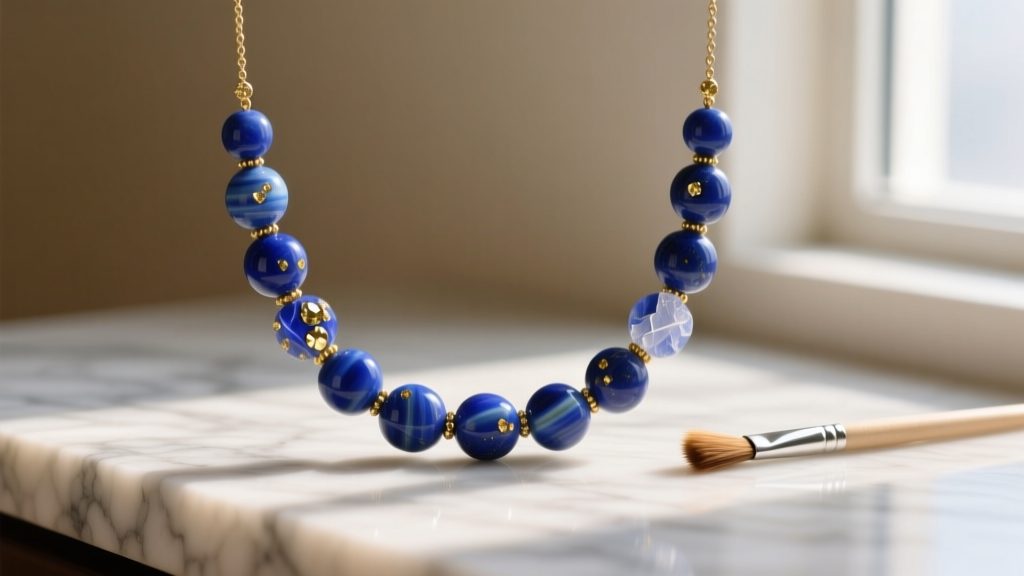
How to Choose the Perfect Necklace Pod: A Complete Buying Guide
Discover how to choose the perfect necklace pod. Our buying guide covers keepsake, diffuser, and botanical pods, including material grades and seal types.

Defining the Necklace Pod: Form Meets Function
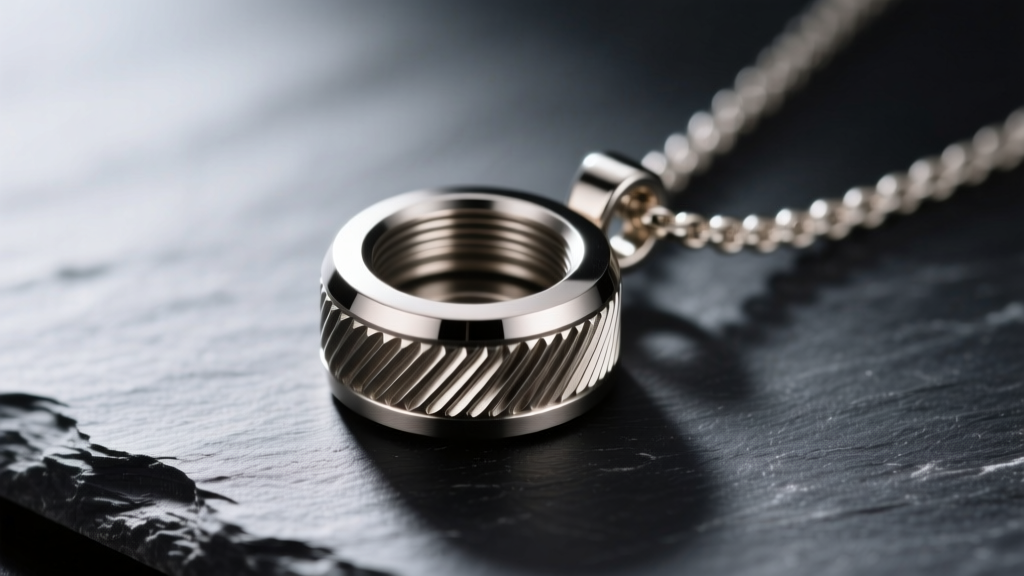
The term necklace pod encompasses a fascinating intersection of functional engineering and symbolic jewelry design. Unlike standard flat pendants, a pod features a hollow, three-dimensional chamber. In the contemporary jewelry market of 2026, these chambers serve three distinct purposes: securing cremation ashes or sentimental keepsakes, housing essential oil diffuser pads, or acting as a sculptural botanical element (such as the highly sought-after silver peapod). Choosing the right necklace pod requires looking far beyond the exterior aesthetic. You must evaluate the internal threading, the chemical resistance of the seals, and the metallurgical grade of the housing. This comprehensive buying guide will equip you with the exact specifications needed to make an informed, lasting purchase.
Metallurgy and Material Grades: What to Look For
The exterior material of your necklace pod dictates its longevity, skin compatibility, and resistance to environmental degradation. Because pods are often worn daily and rest directly against the sternum, metal selection is critical.
ASTM F138 Implant-Grade Titanium
For keepsake and cremation pods, ASTM F138 titanium is the undisputed gold standard. It is entirely nickel-free, making it hypoallergenic for even the most sensitive skin types. Titanium is also highly resistant to the corrosive effects of sweat and environmental moisture, ensuring that the internal chamber remains uncontaminated. According to guidelines outlined by the U.S. Food and Drug Administration regarding implant-grade metals, this specific alloy offers superior biocompatibility, which translates perfectly to long-term external wear.
316L Surgical Stainless Steel
Often marketed as 'surgical steel,' 316L contains molybdenum for increased corrosion resistance compared to standard 304 steel. However, it still contains 8-10% nickel. While perfectly safe for the majority of wearers, those with known nickel contact dermatitis should avoid steel pods, especially in humid climates where sweat can accelerate ion leaching.
Sterling Silver (925) and Botanical Pods
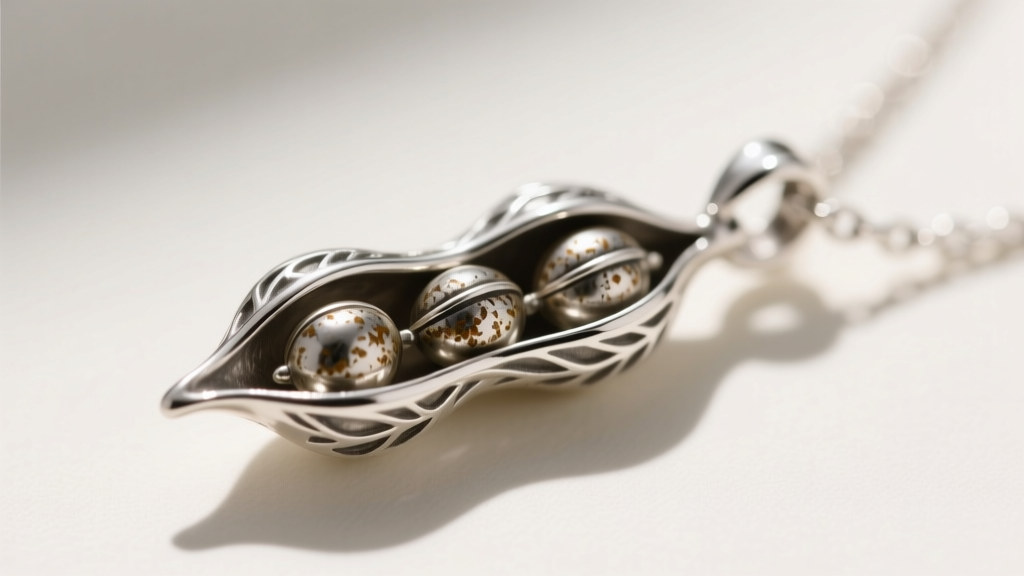
Sterling silver remains the premier choice for artisan-crafted botanical peapod necklaces. The Silver Institute notes that while 925 silver is prone to sulfur-induced tarnishing, its malleability allows for the intricate lost-wax casting required to replicate the organic textures of real pea pods. When buying a silver pod, look for rhodium-plated interiors or anti-tarnish storage recommendations from the manufacturer.
The Engineering of Seals and Threads
The most common failure point in any functional necklace pod is the closure mechanism. Whether you are protecting a loved one's ashes or preventing lavender essential oil from leaking onto your silk blouse, the engineering of the cap and seal is paramount.
Thread Pitch and Depth
Cheap, mass-produced pods often rely on shallow, poorly machined friction fits or ultra-fine threads that cross-thread easily. High-quality cylindrical pods utilize an M4x0.7 metric thread. This specific pitch provides 0.7mm of linear travel per rotation, offering a secure, multi-turn engagement that resists loosening from the kinetic movement of daily walking and breathing. Always check product specifications for 'machined threading' rather than 'cast threading,' as cast threads lack the sharp definition needed for a secure seal.
O-Ring Durometers and Chemical Resistance
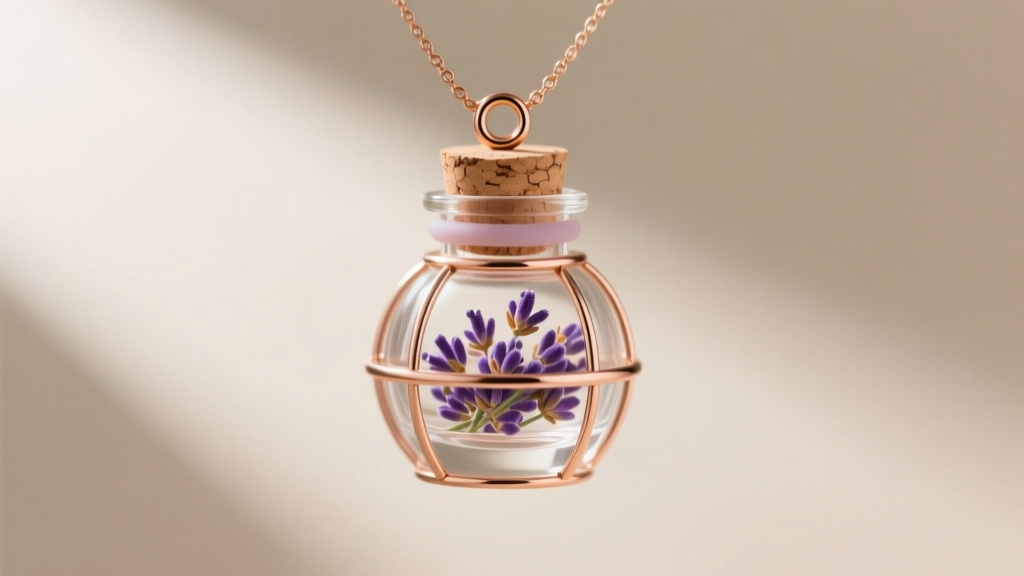
If you are purchasing an aromatherapy diffuser pod, the O-ring material is just as important as the metal. Standard Buna-N (nitrile) rubber O-rings will degrade, swell, and eventually snap when exposed to concentrated citrus or eucalyptus essential oils. You must look for pods equipped with Viton (fluorocarbon) O-rings. Furthermore, the O-ring should have a 70A Shore durometer hardness. This specific hardness provides the optimal balance: soft enough to compress and create an airtight seal against the metal housing, but hard enough to resist shearing when the cap is twisted shut.
Expert Tip: Before purchasing a diffuser pod, apply a microscopic dab of the O-ring's manufacturer-recommended lubricant (usually a food-safe silicone grease) to the seal. This prevents the rubber from drying out and cracking over years of use.
Botanical Peapod Necklaces: Craftsmanship & Sourcing
The botanical peapod necklace is a masterclass in organic jewelry design. These pods do not open; instead, they are solid or hollow-cast replicas of actual garden peas (Pisum sativum). When evaluating a botanical pod, scrutinize the sprue marks and the bail integration.
Because these pieces are created via lost-wax casting from real organic matter, the surface should feature the microscopic striations and slight asymmetries of a natural pod. If the pod looks perfectly symmetrical and machine-smooth, it is likely a cheap CAD-designed mold rather than a true organic cast. Additionally, check the bail (the loop the chain passes through). A high-quality peapod will feature a seamlessly integrated, thick-walled cast bail or a securely laser-welded sterling silver jump ring, rather than a flimsy glued-on loop that will snap under the weight of a heavier chain.
Proportions, Bails, and Chain Pairings
A necklace pod is inherently three-dimensional and often carries more weight than a flat stamped pendant. Pairing it with the wrong chain will result in a kinked necklace or a broken clasp. Use the data table below to match your pod's weight and bail size with the correct chain gauge.
| Pod Type | Average Weight | Recommended Chain Gauge | Required Bail Inner Diameter | Best Chain Style |
|---|---|---|---|---|
| Titanium Keepsake Pod | 12g - 18g | 2.0mm - 2.5mm | 3.0mm+ | Rope or Wheat Chain |
| Glass Diffuser Pod (Caged) | 8g - 12g | 1.5mm - 2.0mm | 2.5mm+ | Box or Cable Chain |
| Solid Silver Peapod | 15g - 25g | 2.5mm - 3.5mm | 4.0mm+ | Curb or Figaro Chain |
According to jewelry structural analysis from the Gemological Institute of America (GIA), matching the tensile strength of the chain to the pendant's mass is vital for preventing catastrophic clasp failure. A heavy silver peapod on a delicate 1.0mm cable chain will quickly cause the chain links to stretch and deform at the nape of the neck.
2026 Pricing Benchmarks
Understanding the fair market value of a necklace pod prevents you from overpaying for inferior machining. Here is what you should expect to pay in the current market:
- Entry-Level (316L Steel, Friction-Fit): $15 - $35. Acceptable for occasional diffuser use, but not recommended for permanent keepsakes.
- Mid-Tier (Titanium/Steel, Machined Threads, Viton Seals): $45 - $90. The sweet spot for functional, daily-wear keepsake and aromatherapy pods.
- Artisan Botanical (925 Silver, Lost-Wax Cast): $110 - $250. Prices scale based on the complexity of the casting and the inclusion of oxidized detailing.
- Premium Keepsake (Solid 14k/18k Gold, Laser-Welded Seals): $400 - $1,200+. Often features permanent thread-locking mechanisms meant to be sealed by a professional jeweler.
Final Buyer's Checklist
Before adding a necklace pod to your cart, run it through this quick diagnostic checklist:
- Thread Verification: Does the listing explicitly state CNC-machined or metric threading?
- Seal Material: If it's a diffuser, is the O-ring made of Viton or high-grade silicone?
- Metal Purity: Is the titanium ASTM F138 certified, or is the silver stamped 925?
- Bail Dimensions: Have you measured your intended chain to ensure it will pass through the pod's bail?
- Interior Finish: For keepsake pods, is the interior chamber smooth and free of metal burrs that could damage organic contents?
By prioritizing structural engineering and metallurgical integrity alongside aesthetic beauty, you ensure that your necklace pod will remain a secure, functional, and meaningful staple in your jewelry collection for decades to come.