Complete Bubbles Necklace Buying Guide: What to Look For
Discover everything you need to know before buying a bubbles necklace. Compare metal, glass, and pave styles, chain pairings, and durability tips.

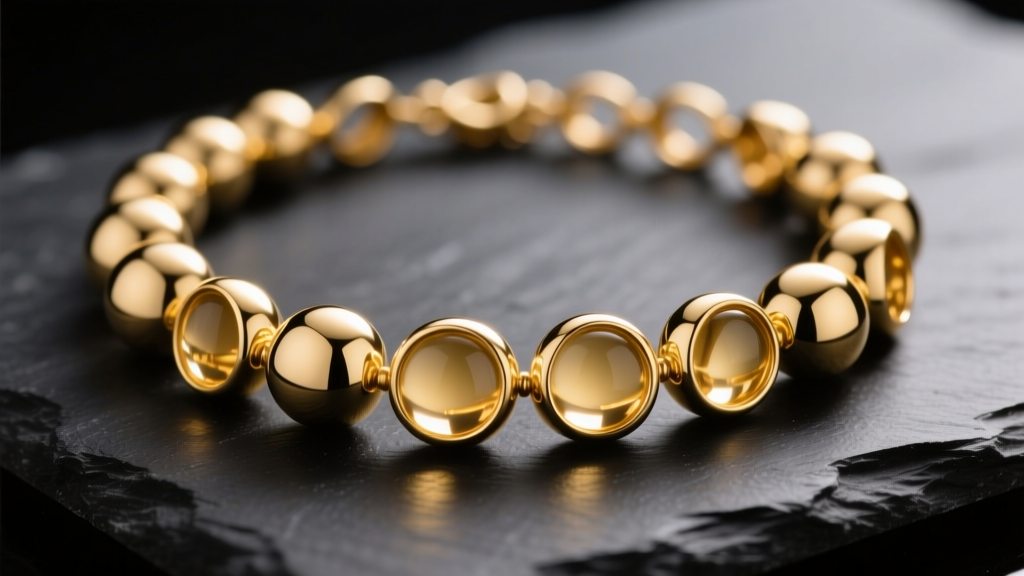
The 'bubbles necklace' has evolved from a niche artisan trend into a mainstream jewelry staple by 2026. Characterized by spherical, orb-like elements that mimic the fluid, organic geometry of water droplets or soap bubbles, this design offers a striking departure from traditional geometric or gemstone-centric pendants. However, the term 'bubbles necklace' encompasses three vastly different construction methods: hollow metal spheres, encapsulated glass/resin orbs, and diamond-pave domes. Each requires a completely different approach to buying, maintenance, and chain pairing.
Whether you are investing in a high-jewelry diamond dome or an artisanal glass orb, understanding the structural integrity and material grades is critical. This comprehensive buying guide breaks down exactly what to look for, common failure modes to avoid, and how to properly size your chain to your spherical elements.
Decoding the Bubbles Aesthetic: Three Main Categories
Before evaluating materials, you must identify which category of bubbles necklace you are purchasing. The market is currently dominated by three distinct styles:
- Hollow Metal Spheres: Often seen in modernist or granulation-inspired designs, these are lightweight, polished metal orbs (usually 14k or 18k gold) that range from 3mm to 15mm in diameter.
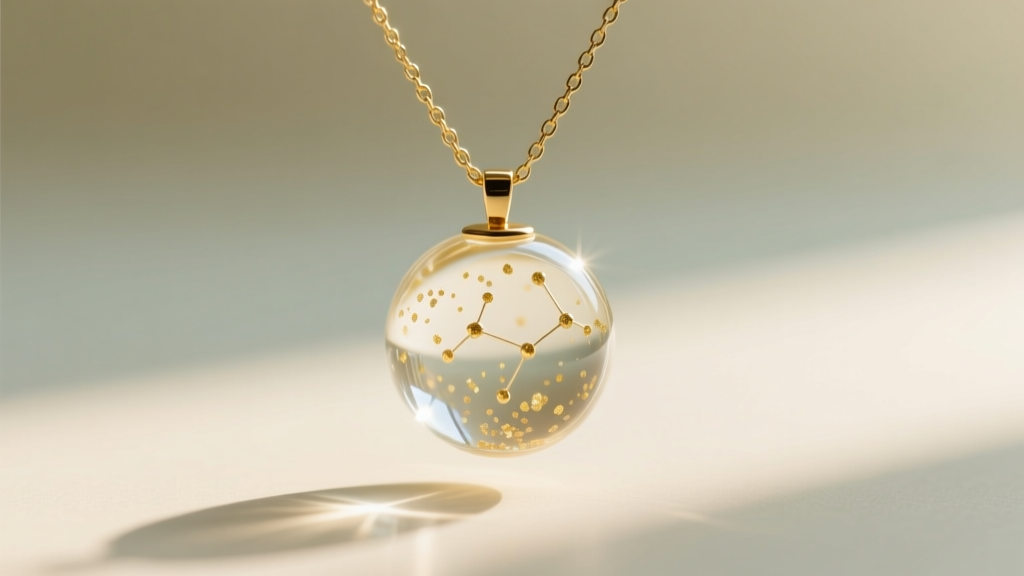
- Encapsulated Glass/Resin Orbs: Artisan-crafted spheres made from borosilicate glass or UV-stabilized epoxy resin, often suspending metallic flakes, pigments, or actual liquid inside.
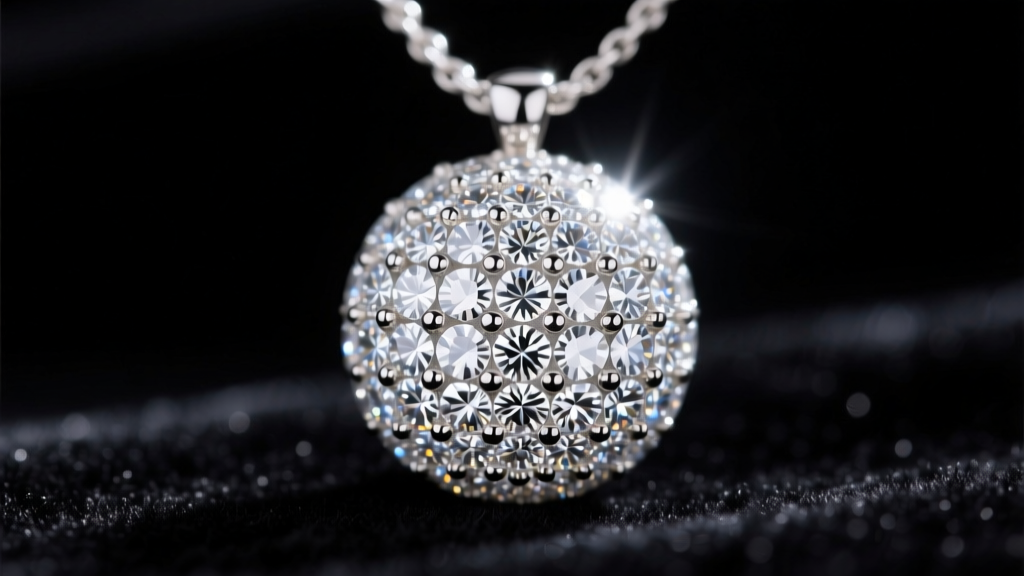
- Diamond-Pave Bubble Domes: Popularized by luxury houses like Messika, these are semi-spherical or fully spherical domes encrusted with micro-pave diamonds, offering high-impact sparkle with a fluid silhouette.
Material Grades & Manufacturing Techniques
The longevity of your necklace depends entirely on how the 'bubble' was formed. According to manufacturing standards outlined by Rio Grande, the method used to create hollow metal spheres dictates their crush resistance and overall durability.
Hollow Metal Spheres: Electroforming vs. Die-Striking
If you are buying a hollow gold bubbles necklace, you need to know how it was made. Die-struck and soldered halves are the industry standard for high-quality bubbles. Two hemispheres are stamped from a sheet of 14k or 18k gold and laser-welded together. This creates a consistent wall thickness. Electroformed bubbles, on the other hand, are created by depositing gold over a wax core, which is later melted out. While electroforming allows for complex textures, it often results in micro-porosity and ultra-thin walls (sometimes under 0.2mm), making them highly susceptible to denting.
Expert Tip: Always ask the jeweler for the wall thickness. For everyday wear, a hollow 14k gold bubble should have a minimum wall thickness of 0.4mm to 0.6mm to withstand accidental pressure.
Glass and Resin: Borosilicate vs. Soda-Lime
For artisanal liquid or suspended-flake bubbles, the glass type is non-negotiable. You want borosilicate glass (the same material used in high-end laboratory glassware). Borosilicate has a very low coefficient of thermal expansion, meaning it will not shatter if exposed to sudden temperature changes, like stepping out of a hot shower into cold air. Avoid soda-lime glass, which is brittle and prone to stress-fracturing around the metal bail.
Sizing, Proportions, and Chain Pairings
A common mistake buyers make is pairing a delicate chain with a heavy spherical pendant, or using a chain that is too thick to pass through the bubble's bail. The spherical shape of a bubbles necklace means the center of gravity is concentrated, requiring a chain that can handle dynamic movement without kinking.
| Bubble Diameter | Estimated Weight | Ideal Chain Style | Recommended Chain Gauge |
|---|---|---|---|
| 4mm - 8mm (Micro) | 0.5g - 2.0g | Cable or Fine Box | 0.9mm - 1.2mm |
| 10mm - 15mm (Standard) | 3.0g - 8.0g | Box or Wheat | 1.5mm - 2.0mm |
| 18mm - 25mm (Statement) | 10.0g - 20.0g+ | Curb or Rope | 2.5mm - 4.0mm |
Crucial Warning: Never pair a hollow metal bubbles necklace with a snake chain. Snake chains have a high tendency to kink when bent at sharp angles, and the concentrated weight of a spherical pendant pulling on a localized area of a snake chain will permanently ruin the chain's articulation.
Common Failure Modes & How to Avoid Them
Through years of bench jewelry repair analysis, we have identified three primary failure modes specific to bubble-style necklaces. Knowing these will save you hundreds of dollars in repairs.
1. The 'Crush' Dent (Hollow Metal)
Because hollow spheres are essentially thin shells of gold, they are highly vulnerable to compressive force. The most common cause of denting is sleeping in the necklace. The pressure of your body weight against the mattress can easily collapse a 0.3mm wall. Rule of thumb: Always unclasp your hollow bubbles necklace before sleeping or engaging in high-impact exercise.
2. Bail Adhesive Failure (Glass/Resin)
In many mass-produced glass bubble necklaces, the metal bail (the loop the chain goes through) is glued to the glass using standard cyanoacrylate or weak two-part epoxies. Over time, exposure to skin oils, perfumes, and UV light degrades the adhesive, causing the bail to snap off. When buying, look for mechanically wrapped bails (where wire is physically wound around the neck of the glass) or bails attached via UV-cured optical adhesives.
3. Micro-Pave Snagging (Diamond Domes)
According to the Gemological Institute of America (GIA), micro-pave settings rely on tiny metal beads to hold stones in place. On a bubble dome, the curvature of the metal means the prongs are often set at extreme angles. If the prongs are not perfectly flush and polished, they will snag on silk and knitwear, eventually lifting and losing diamonds. Run a piece of silk fabric over the dome before purchasing; if it catches, the pave work is substandard.
Pricing Tiers: What Should You Pay in 2026?
The price of a bubbles necklace varies wildly based on material and manufacturing origin. Use this framework to ensure you are paying fair market value.
- Entry-Level Artisan ($45 - $150): Hand-blown borosilicate glass or cast sterling silver bubbles. Usually found on independent platforms. Expect resin or glass with mechanically wrapped bails.
- Mid-Tier Fine Jewelry ($400 - $1,200): Solid 14k gold hollow spheres (die-struck and soldered) or semi-precious stone carved orbs (like lapis lazuli or malachite). This tier should include high-quality box chains and laser-welded jump rings.
- High Jewelry / Designer ($2,500 - $15,000+): 18k gold diamond-pave bubble domes. Pricing here is dictated by the total carat weight (TCW) of the diamonds and the brand premium. Expect VS clarity and F-G color diamonds in luxury pieces.
Final Verdict: Which Bubble Necklace is Right for You?
If you want an everyday, low-maintenance piece, a solid or thick-walled hollow 14k gold sphere on a 1.5mm box chain is your best investment. It offers the modernist aesthetic without the fragility of glass or the high maintenance of diamond pave. If you are drawn to the artisanal, colorful appeal of glass bubbles, strictly verify the use of borosilicate glass and mechanical bail attachments. Finally, for black-tie events and maximum brilliance, the diamond-pave dome remains unmatched, provided you inspect the flushness of the micro-prongs prior to purchase.
Pro-Tip for 2026 Buyers: The layering trend has heavily influenced the bubbles necklace market. If you plan to layer your bubble pendant with other chains, opt for an asymmetrical setup: pair a single, 10mm gold bubble on a 16-inch choker chain with a longer, 20-inch textured chain featuring a stationary diamond or pearl. This prevents the spherical elements from tangling and clashing visually.


