Budget Choker Necklace With Pendant: 2026 Value Guide
Discover how to evaluate a budget choker necklace with pendant in 2026. We break down material grades, clasp failure rates, and cost-per-wear value.

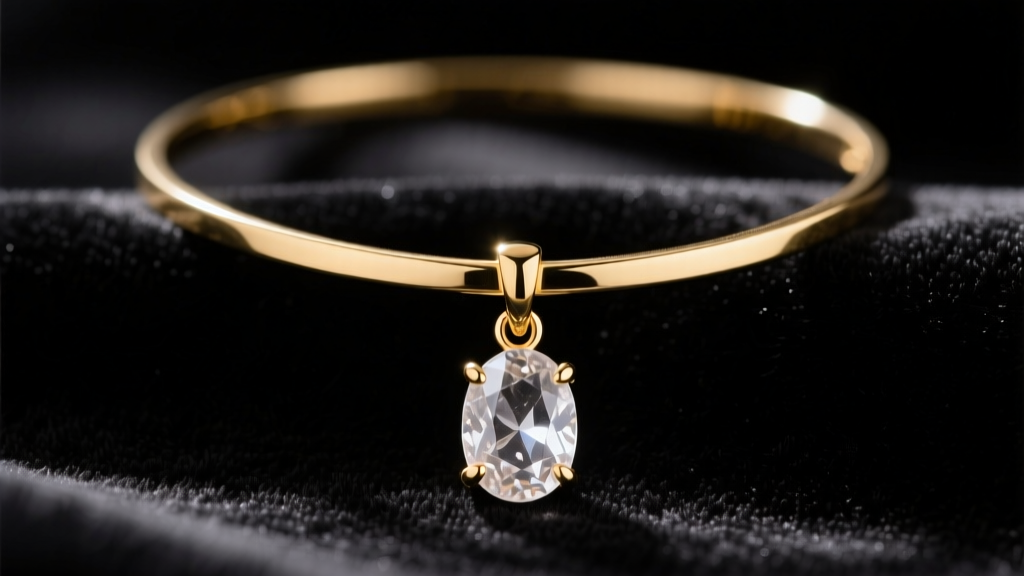
The 2026 Market Reality for Budget Necklaces
The jewelry market has shifted dramatically over the last few years. In 2026, the definition of a "budget" piece has evolved. While ultra-fast fashion accessories still exist in the $12 to $25 range, they are largely considered disposable. For a budget choker necklace with pendant that offers genuine value, structural integrity, and skin-safe materials, the sweet spot now sits between $45 and $85. This tier, often referred to as entry-level demi-fine, provides the best intersection of affordability and longevity. Evaluating value in this category requires looking past the initial price tag and analyzing material science, hardware durability, and cost-per-wear metrics.
Decoding Metal Grades and Plating Microns
When shopping for a budget-friendly choker, the base metal and plating thickness dictate the piece's lifespan. Many brands use vague terms like "gold-tone" or "gold-dipped," which are red flags for rapid tarnishing. According to the Federal Trade Commission Jewelry Guides, specific micron thicknesses must be met to legally use certain terminology.
Flash Plating vs. Heavy Gold Electroplate (HGE)
Flash-plated items typically feature a gold layer of less than 0.175 microns. On a choker, which sits flush against the neck and is exposed to sweat, friction, and cosmetics, flash plating will wear through to the base metal within 3 to 6 months of regular wear. For true value, look for Heavy Gold Electroplate (HGE), which mandates a minimum thickness of 2.5 microns. The Gemological Institute of America (GIA) notes that 2.5 microns provides a substantial enough barrier to withstand daily friction, extending the piece's vibrant lifespan to 2 or 3 years with proper care.
The Base Metal Factor
The core material matters just as much as the coating. C26000 cartridge brass is the industry standard for high-quality budget casting because it takes a smooth polish and holds plating well. Avoid pieces with a zinc alloy (often labeled simply as "pot metal" or "alloy"), as these are porous, prone to snapping under tension, and can cause severe contact dermatitis once the plating wears off. 316L surgical stainless steel is an excellent alternative, though it is harder to plate with gold, meaning PVD (Physical Vapor Deposition) coating is usually used instead of traditional electroplating.
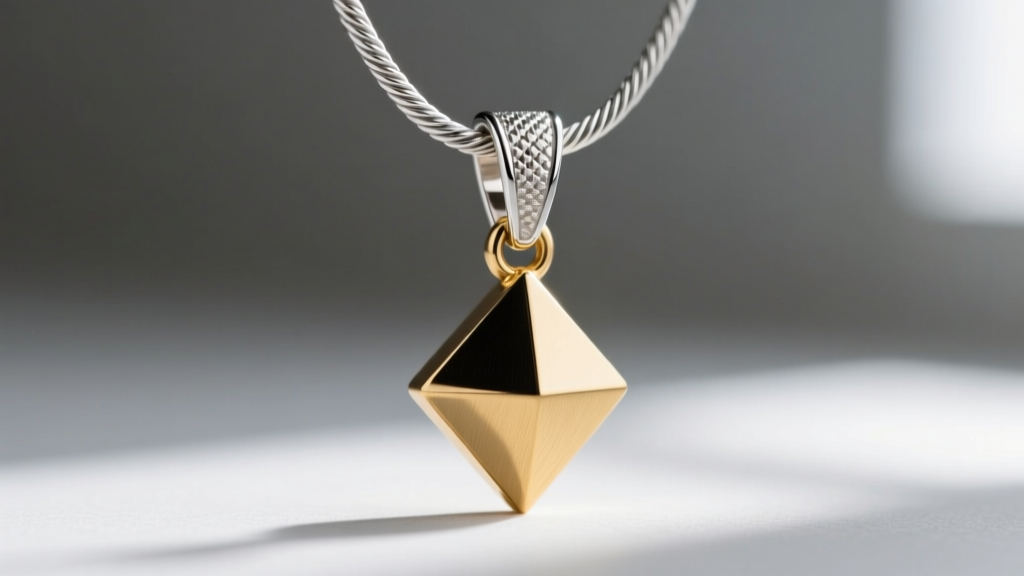
Chain Gauge and Tensile Strength
A choker necklace typically measures 14 to 16 inches, meaning it rests at the base of the throat. This area experiences frequent movement, pulling, and exposure to moisture. The chain gauge (thickness) is a critical point of failure in budget jewelry.
- 0.8mm to 1.0mm Chains: Often used in sub-$30 necklaces to save on metal weight. These chains have a tensile breaking point of roughly 3 to 5 pounds. A simple snag on a sweater can snap the links.
- 1.2mm to 1.5mm Chains: The ideal gauge for a budget choker necklace with pendant. This thickness provides a breaking point of 12 to 18 pounds, offering excellent durability while maintaining a delicate, feminine aesthetic suitable for layering.
- 2.0mm+ Chains: Highly durable but often too heavy and rigid for a comfortable 14-inch choker profile unless designed as a statement curb chain.
The Pendant Bail: A Hidden Point of Failure
The bail is the loop that connects the pendant to the chain. In budget manufacturing, brands often cut corners here by using an open jump ring (a simple circle of wire with a slit) to attach the pendant. Over time, the friction of the chain sliding back and forth will cause the open jump ring to twist and pull apart, resulting in a lost pendant. When evaluating value, always inspect the product photos for a soldered bail (a solid, continuous loop with no seam) or a properly integrated pendant head. A soldered bail increases manufacturing costs by roughly $1.50 per unit but eliminates the most common mechanical failure point in pendant necklaces.
Cost-Per-Wear Value Matrix
To truly assess the value of a budget choker necklace with pendant, we must calculate the cost-per-wear (CPW). The table below breaks down three common material profiles found in the $20 to $80 range, assuming the piece is worn twice a week.
| Material Profile | Base Metal | Plating / Coating | Avg Price (2026) | Expected Lifespan | Cost-Per-Wear |
|---|---|---|---|---|---|
| Fast Fashion | Zinc Alloy | Flash Plate (<0.1 microns) | $22 | 4 Months (32 wears) | $0.68 |
| Standard Demi-Fine | Brass (C26000) | Standard Plate (0.5 microns) | $48 | 1.5 Years (156 wears) | $0.30 |
| Premium Budget (Vermeil) | 925 Sterling Silver | Heavy Plate (2.5+ microns) | $75 | 3+ Years (312+ wears) | $0.24 |
As the data illustrates, spending an extra $50 upfront on a sterling silver vermeil piece actually reduces your long-term cost-per-wear, while also providing a hypoallergenic base that won't turn your skin green when the plating eventually wears thin.
Clasp Hardware and Ergonomics
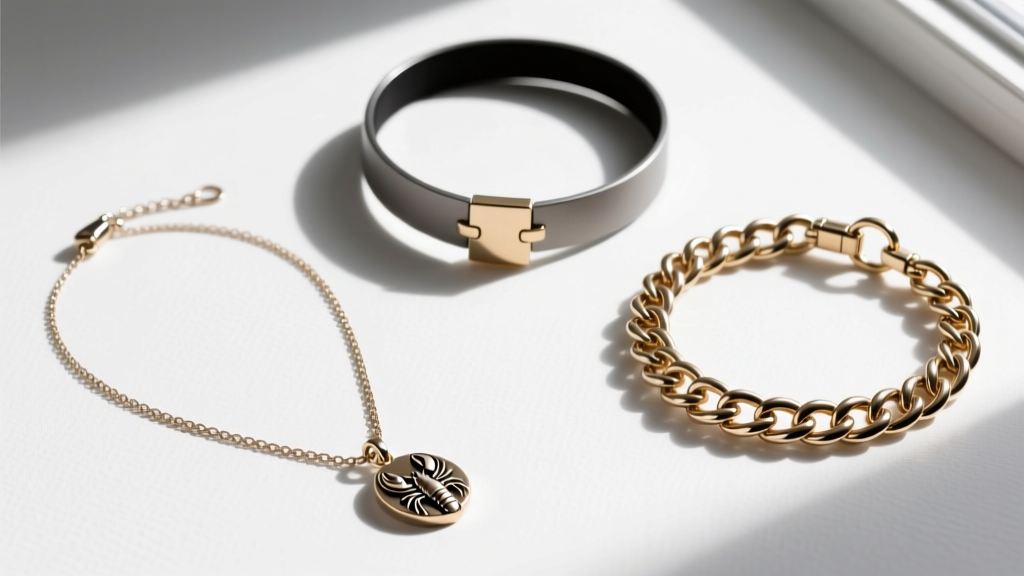
The clasp is the second most common failure point. Budget brands frequently rely on spring-ring clasps because they are cheap to mass-produce and lightweight. However, spring rings have an internal steel spring that is highly susceptible to corrosion from sweat and humidity. Once the internal spring rusts, the clasp fails to close securely. Furthermore, spring rings are notoriously difficult to operate with one hand.
For a superior experience, seek out a lobster clasp. Lobster clasps feature a solid internal mechanism that is far more resistant to moisture and provides a much more secure lock. A 10mm or 12mm lobster clasp is proportionate for a 1.2mm choker chain and offers vastly superior ergonomics and longevity. Some modern budget brands are also experimenting with magnetic clasps; while easy to use, ensure the magnets are encased in stainless steel to prevent rusting, and avoid them if the pendant is heavy, as the magnetic shear force may not support pendants over 15 grams.
Maintenance and Care for Plated Pieces
Even the best budget choker necklace with pendant requires specific maintenance to maximize its lifespan. Never use ultrasonic cleaners or harsh chemical dips on plated jewelry, as the high-frequency vibrations and acidic solutions will strip the gold layer instantly. Instead, clean the piece weekly using a few drops of mild, phosphate-free dish soap and warm water. Gently agitate with a baby-soft toothbrush, rinse thoroughly, and dry immediately with a microfiber cloth. Store the necklace flat in an airtight bag with an anti-tarnish silica strip to neutralize ambient sulfur and moisture, which are the primary catalysts for base-metal oxidation.
Final Assessment
Finding a high-value budget choker necklace with pendant in 2026 requires a discerning eye. By prioritizing a 1.2mm chain gauge, demanding a minimum of 0.5 microns of plating over a brass or silver base, and insisting on soldered bails and lobster clasps, you can secure a piece that punches far above its price class. True value isn't about finding the cheapest option; it's about investing in structural integrity that allows you to wear your favorite pendant confidently for years to come.


