Color Changing Necklace Value Guide: 2026 Pricing & Worth
Discover if a color changing necklace is worth the price. We break down thermochromic, dichroic, and alexandrite options for every budget in 2026.

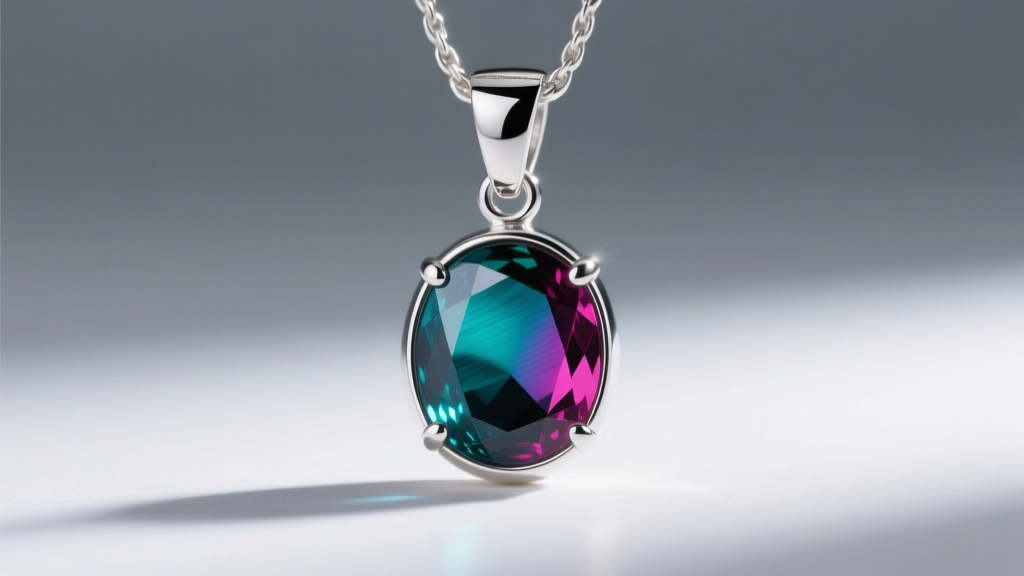
The Science and Magic Behind Color Shifting Pendants
When shopping for a color changing necklace, buyers are often met with a dizzying array of options ranging from five-dollar novelty trinkets to five-thousand-dollar fine jewelry investments. To accurately assess the value of these pieces in 2026, you must first understand the underlying mechanisms that cause the color shift. Not all color-changing jewelry is created equal, and the price tag is directly tied to the chemical or physical properties of the materials used.
Broadly speaking, color shifting pendants fall into four distinct categories: thermochromic (heat-reactive), photochromic (light-reactive), optical interference (dichroic glass), and pleochroic absorption (alexandrite). Understanding which mechanism is at play is the first step in determining whether a piece is a fairly priced artisan creation or an overpriced mass-produced gimmick.
2026 Market Breakdown: Budget vs. Premium Tiers
Before diving into the specific materials, it is crucial to establish a baseline for what you should expect to pay based on the technology and craftsmanship involved. The table below outlines the current market tiers for color shifting necklaces, helping you identify if a seller is pricing their items fairly.
| Mechanism | Primary Material | Price Range | Expected Lifespan | Best For |
|---|---|---|---|---|
| Thermochromic | Leuco Dyes / Epoxy | $5 - $30 | 6 - 18 Months | Novelty, Teens, Fast Fashion |
| Photochromic | Silver Halide Glass | $40 - $90 | 2 - 5 Years | Outdoor Enthusiasts |
| Optical Interference | Dichroic Glass | $60 - $250 | Lifetime | Artisan Lovers, Statement Pieces |
| Absorption Bands | Alexandrite (Lab) | $200 - $800 | Lifetime | Fine Jewelry Buyers |
| Absorption Bands | Alexandrite (Natural) | $3,000+ | Generations | Investors, Collectors |
Assessing the Sub-$30 Thermochromic Market
Often marketed as 'mood necklaces,' thermochromic pendants rely on leuco dyes encapsulated in microscopic polymer shells. When the temperature of the wearer's skin changes, the molecular structure of the dye shifts, altering the wavelengths of light it absorbs and reflects. While these are incredibly popular and budget-friendly, they represent the lowest tier of long-term value.
The primary failure mode of thermochromic jewelry is UV degradation and chemical breakdown. Prolonged exposure to sunlight will permanently 'burn' the leuco dyes, causing them to lose their ability to change color. Furthermore, the epoxy resins used to seal these dyes often yellow over time when exposed to skin oils and cosmetics. If you are purchasing a thermochmic color changing necklace, do not spend more than $25, and ensure the setting is made of 316L stainless steel or sterling silver. Avoid zinc alloy or brass bases, as the acidity in human sweat can rapidly corrode these cheap metals, destroying the pendant from the inside out.
The Mid-Tier Marvel: Dichroic Glass and Enamel
For buyers seeking a color changing necklace that offers genuine artistic value without crossing into high-end gemstone pricing, dichroic glass is the undisputed sweet spot. Priced typically between $60 and $250, these pendants are created through a process called thin-film interference. Multiple micro-layers of metallic oxides, such as titanium, chromium, and zirconium, are vaporized and deposited onto a glass surface in a vacuum chamber.
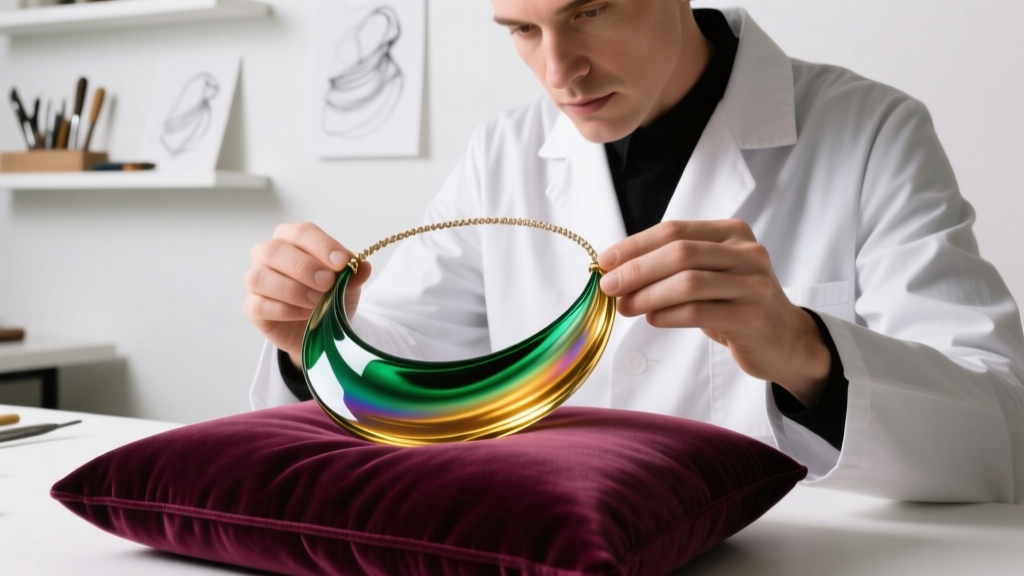
The resulting glass shifts colors dramatically depending on the angle of light and the viewer's perspective. Unlike thermochromic dyes, dichroic glass will never fade, degrade, or lose its color-shifting properties. The value assessment here hinges on the metalwork and the artisan's reputation. A mass-produced dichroic pendant stamped out of thin aluminum may only be worth $40, whereas a kiln-formed, hand-cut dichroic cabochon set in a heavy 18k gold vermeil or solid 14k gold bezel can easily justify a $200+ price tag. When evaluating these pieces, look for clean bezel settings and high-quality chain clasps, such as lobster claws with soldered jump rings.
High-End Investment: Genuine Alexandrite & Lab-Created Alternatives
At the pinnacle of the color changing necklace market sits alexandrite, a rare variety of the mineral chrysoberyl. This gemstone exhibits a phenomenal optical property known as the 'alexandrite effect,' appearing green in daylight and shifting to a purplish-red under incandescent light. This shift is caused by trace amounts of chromium replacing aluminum in the crystal lattice, creating dual absorption bands in the visible light spectrum.
Natural alexandrite is exceptionally rare, with high-quality stones commanding upwards of $10,000 per carat. For most jewelry buyers, lab-created alexandrite offers a vastly superior value proposition. According to the Gemological Institute of America (GIA), lab-created alexandrite possesses the exact same chemical, physical, and optical properties as its natural counterpart, but is grown in controlled environments using the Czochralski or flux-growth methods.
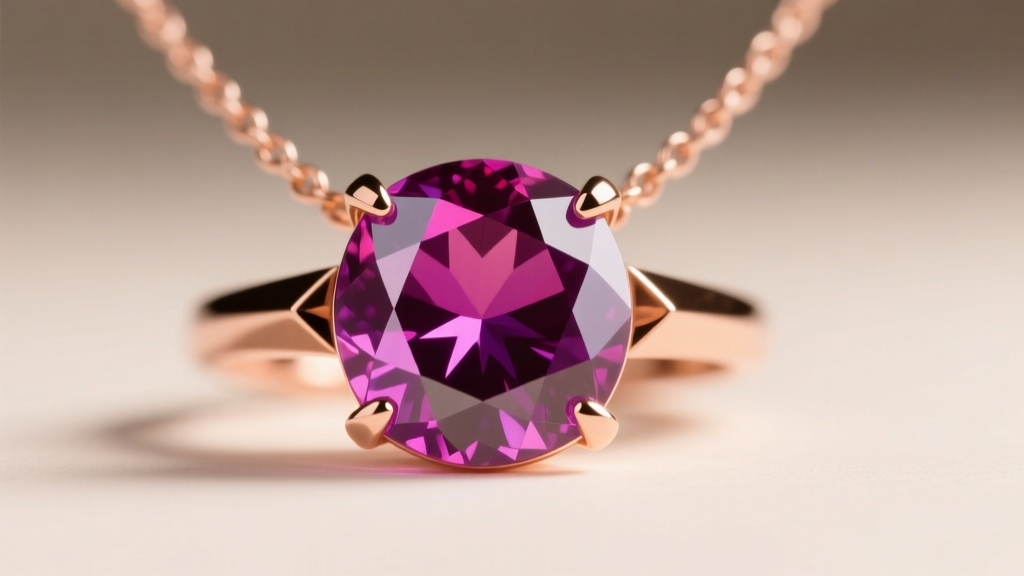
A lab-created alexandrite color changing necklace set in solid 14k or 18k gold typically ranges from $300 to $800, offering a lifetime of durability and a Mohs hardness of 8.5. When shopping in this tier, always demand a gemological certificate from a reputable lab like the GIA or AGS to ensure you are not being sold synthetic corundum (sapphire) doped with vanadium, which is a common and much cheaper simulant that lacks the true dual-band color shift of genuine chrysoberyl. For deeper historical context and identification tips, Lang Antiques University provides excellent educational resources on distinguishing true alexandrite from simulants.
The Buyer's Checklist: Avoiding Overpriced Trinkets
To ensure you are getting true value for your money, run any potential purchase through this quick assessment framework:
- Identify the Mechanism: Ask the seller exactly how the stone changes color. If they cannot explain whether it is heat, light, or angle-dependent, they likely do not understand their own inventory.
- Check the Metal Stamp: For anything over $40, the chain and setting should be stamped (e.g., 925, 14k, 316L). Unmarked metals in the mid-tier are a red flag for plated brass that will tarnish quickly.
- Evaluate the Chain Quality: A $150 dichroic or lab-alexandrite pendant should never be hung on a hollow, easily kinked rope chain. Look for solid cable, box, or wheat chains that match the value of the focal stone.
- Scrutinize the Epoxy: If buying a thermochromic piece, inspect the resin dome for micro-bubbles or yellowing, which indicates poor manufacturing or prolonged UV exposure during storage.
Final Thoughts on Value
Ultimately, the value of a color changing necklace is dictated by your expectations. If you want a fun, disposable accessory that reacts to your body heat, the sub-$30 thermochromic market provides excellent novelty value. However, if you are seeking a lasting piece of jewelry that will shift colors brilliantly for decades, investing in dichroic glass or lab-created alexandrite provides a vastly superior return on investment. By understanding the science and the market tiers, you can confidently navigate the 2026 jewelry landscape and secure a piece that is both visually stunning and fairly priced.


