How to Choose the Perfect San Judas Leather Necklace for Daily Wear
Discover how to choose the perfect San Judas leather necklace. Learn about leather grades, medal materials, cord thickness, and care tips for daily wear.

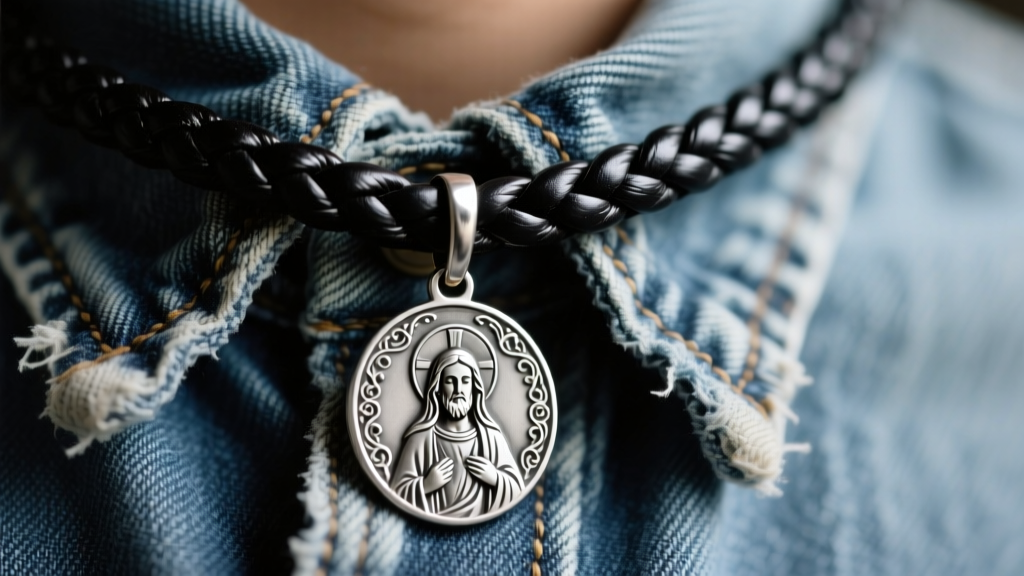
San Judas Tadeo (Saint Jude Thaddeus) is widely revered as the patron saint of hope, lost causes, and desperate situations. For many, wearing his image is a profound statement of faith, cultural pride, and personal resilience. In recent years, the san judas leather necklace has transcended its traditional religious roots to become a staple in urban streetwear and contemporary fashion. However, navigating the market as a beginner can be overwhelming. With countless variations in leather quality, metal purity, and clasp mechanics, choosing a piece that will withstand daily wear requires a bit of technical knowledge.
This comprehensive guide breaks down the exact specifications you need to look for when buying your first or next San Judas pendant necklace, ensuring you invest in a piece that is both meaningful and structurally sound.
The Cultural Weight of San Judas Jewelry
Before diving into metallurgy and leather grades, it is essential to understand the cultural gravity of this piece. According to the National Shrine of Saint Jude, devotion to San Judas has deep historical roots, particularly within Latino communities, where his medal is worn as a protective talisman. Today, the aesthetic has been adopted globally, blending sacred iconography with modern jewelry craftsmanship. Whether you are wearing it for spiritual protection or as a nod to cultural heritage, the physical durability of the necklace should honor the timelessness of the symbol.
Decoding the Leather Cord: Grades and Construction
The cord is the foundation of your necklace. A heavy solid silver medal will quickly destroy a low-quality leather strap. When shopping, you will encounter various marketing terms, but understanding the actual leather grades is crucial for longevity.
Leather Grades Explained
- Full-Grain Leather: The highest quality available. It includes the entire thickness of the hide, retaining natural grain and imperfections. It is incredibly strong, water-resistant, and develops a beautiful patina over time.
- Top-Grain Leather: The second-highest grade. The top layer is sanded to remove imperfections, resulting in a uniform look. It is softer and more pliable than full-grain but slightly less durable against heavy friction.
- Genuine Leather: Despite the name, this is a low-grade industry term for the bottom layers of the hide. It is heavily processed, painted, and prone to peeling and cracking within months of daily wear. Avoid this for heavy pendants.
For verifiable quality, look for certifications from organizations like the Leather Working Group (LWG), which audits the environmental and quality standards of leather manufacturers.
Construction Styles: Braided vs. Round
For a san judas leather necklace, braided cords are generally superior to simple round cords. Braiding multiple strips of leather exponentially increases the tensile strength of the cord, preventing it from snapping under the pendulum-like swinging motion of a heavy medal.
Matching Cord Thickness to Pendant Weight
One of the most common mistakes beginners make is pairing a heavy, solid-metal San Judas medal with a thin, 2mm leather cord. This creates a structural weak point that will inevitably snap. Use the following framework to match your cord thickness to your pendant's weight.
| Cord Thickness | Tensile Strength | Ideal Pendant Weight | Best Use Case |
|---|---|---|---|
| 2mm | Low | Under 10g | Minimalist, lightweight hollow medals |
| 3mm | Medium | 10g - 25g | Standard solid silver medals, daily wear |
| 4mm | High | 25g - 45g | Heavy solid medals, streetwear styles |
| 5mm+ | Very High | 45g+ | Oversized custom pendants, display pieces |
Selecting the Right Medal Material
The metal of the San Judas medal dictates not only the price but also how the piece reacts to your body chemistry, sweat, and environment. According to the Gemological Institute of America (GIA), understanding metal alloys is key to preventing skin irritation and premature tarnishing.
925 Sterling Silver
The traditional choice for religious medals. Sterling silver is 92.5% pure silver and 7.5% copper. While it offers a brilliant, classic luster, the copper content makes it susceptible to tarnishing when exposed to sulfur, humidity, and acidic sweat. It requires regular polishing but holds intrinsic melt value.
316L Surgical Stainless Steel
If you work out frequently, work with your hands, or live in a humid climate, 316L stainless steel is the ultimate pragmatic choice. The addition of molybdenum in the alloy provides exceptional resistance to corrosion and pitting. It will not tarnish, requires zero maintenance, and is highly hypoallergenic.
Gold Vermeil vs. Gold Plated
If you prefer the look of gold, you must understand the difference between vermeil and standard plating. Gold Vermeil requires a base of 925 sterling silver coated with a minimum of 2.5 microns of gold (usually 14k or 18k). Standard "gold plated" jewelry often uses a brass base with less than 0.5 microns of gold, which will rub off and turn your skin green within weeks. Always verify the micron thickness before purchasing a gold San Judas piece.
Clasp Mechanics: The Hidden Failure Point
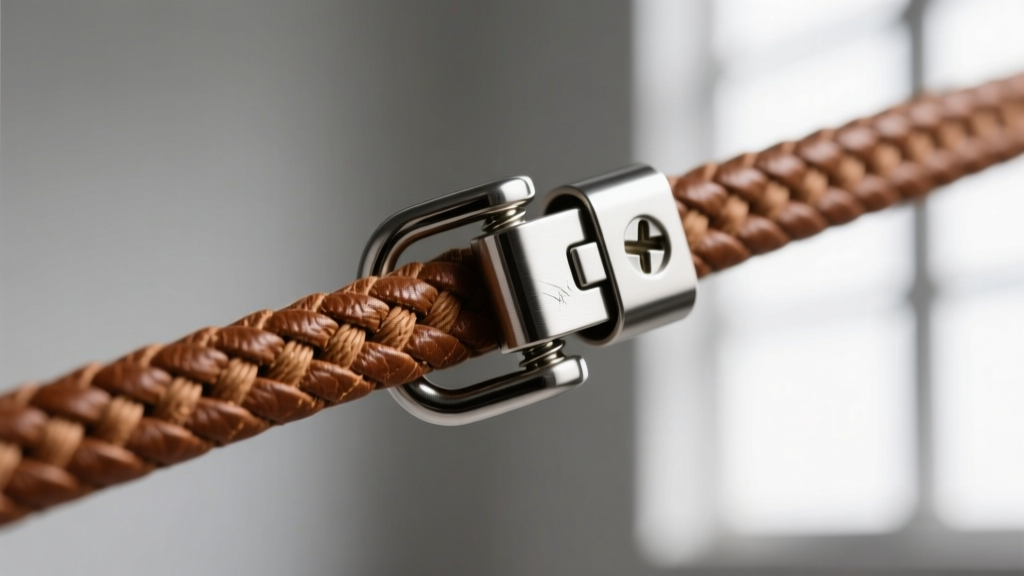
You can have a full-grain leather cord and a solid silver medal, but if the clasp fails, the necklace is lost. Standard lobster claw clasps and spring rings are designed for lightweight chains, not heavy leather cords swinging against the chest.
The Solution: Look for necklaces equipped with screw-lock barrel clasps or bayonet clasps. These mechanisms feature deep metal threading or a secure push-and-twist locking mechanism that physically cannot pull apart under tension. Ensure the clasp hardware is made of stainless steel or sterling silver to prevent rust at the connection point.
Sizing, Lengths, and Layering Techniques
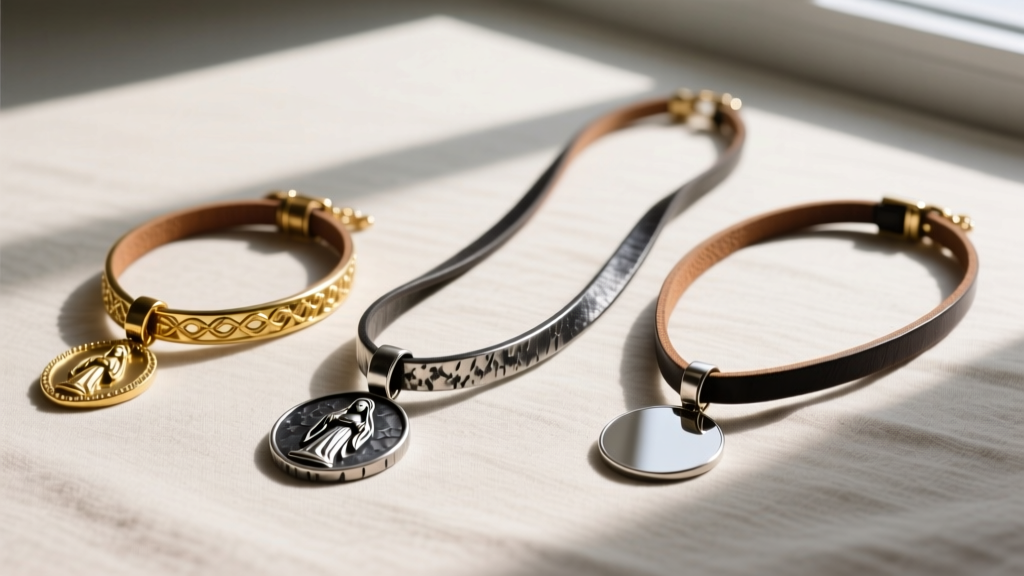
The length of your leather cord drastically changes the visual impact and comfort of the necklace.
- 18 Inches (Choker Length): Sits tightly at the base of the neck. Best for smaller, lightweight medals and formal or minimalist outfits.
- 20 Inches (Standard Length): Rests on the collarbone. This is the most versatile length, allowing the San Judas medal to be visible with both crew neck and V-neck shirts.
- 22 to 24 Inches (Streetwear Length): Drops to the upper chest. Ideal for heavy, oversized medals and layering over hoodies or streetwear apparel.
Layering Tip: If you plan to layer your San Judas leather necklace with metal chains (like a Cuban link), ensure there is at least a 3-inch difference in length between the pieces to prevent the metal chains from sawing into and degrading the leather cord through friction.
Care and Maintenance for Longevity
Leather is a porous, organic material that degrades when exposed to excessive moisture and body oils. To maximize the lifespan of your necklace, follow this strict maintenance protocol:
- Nightly Removal: Never sleep in your leather necklace. The friction against the pillow and overnight sweat will rapidly break down the leather fibers.
- Water Avoidance: Remove the necklace before showering or swimming. If the leather gets soaked, let it air dry at room temperature. Never use a hairdryer, as heat will bake and crack the hide.
- Conditioning: Every three to four months, apply a tiny amount of high-quality leather conditioner (like mink oil or a dedicated leather cream) to a microfiber cloth and gently rub it into the cord. This replenishes lost oils and maintains flexibility.
- Medal Polishing: Use a dedicated silver polishing cloth for sterling silver medals. Avoid liquid silver dips, as they can strip the oxidized detailing that gives the San Judas face its depth and contrast.
Final Thoughts on Your Investment
Choosing the right san judas leather necklace is about balancing spiritual significance with material science. By prioritizing full-grain or top-grain braided leather, matching the cord thickness to the pendant's weight, and insisting on secure screw-lock clasps, you ensure that your piece of faith and fashion will endure for years to come. Treat the materials with respect, and the necklace will serve as a lasting, durable symbol of hope and protection.


