Budget Guide: Building a Layered Necklace Pearl Collection
Discover how to build a stunning layered necklace pearl collection on a budget. Compare freshwater vs. faux pricing, value tiers, and styling tips.

The Economics of Pearl Layering: Real vs. Faux Value
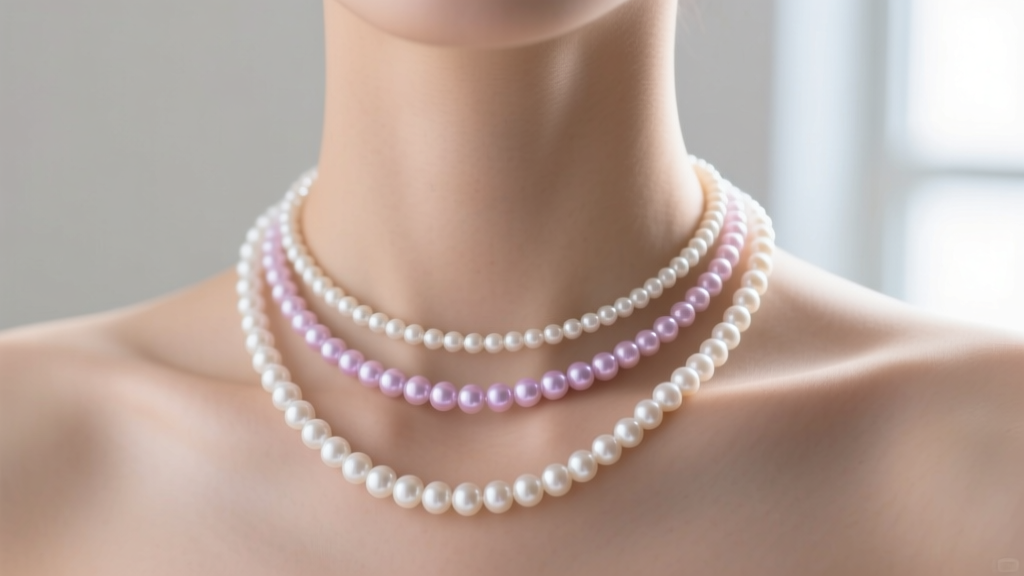
The modern layered necklace pearl aesthetic is a masterclass in visual texture, but building this look on a budget requires a deep understanding of gemological economics. The market is currently saturated with glass beads coated in pearlescent paint masquerading as genuine gems. To assess true value, we must look past the initial price tag and evaluate nacre thickness, nucleation methods, and long-term durability.
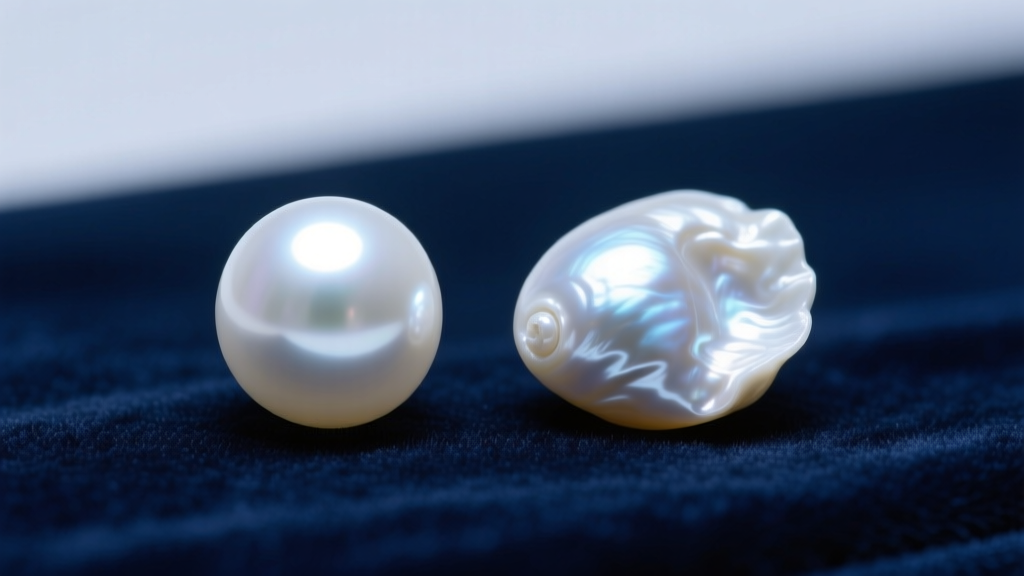
According to the Gemological Institute of America (GIA), the primary value factor for any pearl is its nacre quality. Most budget-friendly Akoya pearls are bead-nucleated, meaning a round shell bead is inserted into the oyster, and only a thin layer of nacre (often 0.3mm to 0.5mm) forms over it. In contrast, modern freshwater pearls are typically tissue-nucleated. This results in a pearl that is nearly 100% solid nacre. For a layered necklace pearl setup that will experience constant friction against your skin and other chains, solid-nacre freshwater pearls offer vastly superior durability and longevity compared to thin-nacre Akoya or faux alternatives, making them the undisputed champions of budget-conscious value.
Pricing Tiers for the Layered Necklace Pearl Look
When budgeting for a multi-strand setup, it is crucial to understand the cost-per-wear across different material grades. Below is a comprehensive breakdown of what you should expect to pay per strand in the current market, allowing you to allocate your budget effectively across your layered set.
| Tier | Material & Grade | Price Range (Per Strand) | Nacre Quality | Best Use Case |
|---|---|---|---|---|
| Entry | Shell Pearl / Faux | $15 - $35 | N/A (Painted Coating) | Occasional wear, trend-testing |
| Mid-Tier | AA Freshwater (Rice/Potato) | $25 - $60 | Solid Nacre | Everyday layering, casual outfits |
| Premium | AAA Round Freshwater | $80 - $180 | Solid Nacre, High Luster | Office wear, elegant evening layering |
| Investment | Akoya (Hanadama/AAA) | $300 - $800+ | 0.4mm+ Nacre over Bead | Heirloom pieces, formal single strands |
For a three-strand layered look, purchasing three AAA Round Freshwater strands might cost between $240 and $540 total. While this is a significant upfront cost, the cost-per-wear plummets over a decade of use, whereas faux pearls will inevitably peel and require replacement within two to three years of regular wear.
Strategic Sourcing: Navigating Retail Markups
Where you buy your pearls dictates your budget efficiency. Traditional mall jewelers and fast-fashion accessories brands routinely apply a 300% to 500% markup on pearl jewelry to cover overhead and marketing. To maximize your budget, you must bypass these middlemen.
Specialized online pearl vendors and direct-to-consumer artisan platforms offer the best value. When shopping, you will frequently encounter the "AAA" grading scale. It is important to note that the American Gem Society and GIA do not officially use the A-AAA scale; it is a trade-created nomenclature. However, reputable vendors use it consistently. An "AAA" designation should guarantee a clean surface (95%+ blemish-free), high luster, and near-perfect roundness. If a vendor cannot provide high-resolution, unedited macro photography of the exact strand you are purchasing, walk away. You are paying for luster and surface cleanliness; buying blind is a guaranteed way to waste your budget on low-luster, chalky stones.
Hidden Costs: Hardware Failure and Maintenance
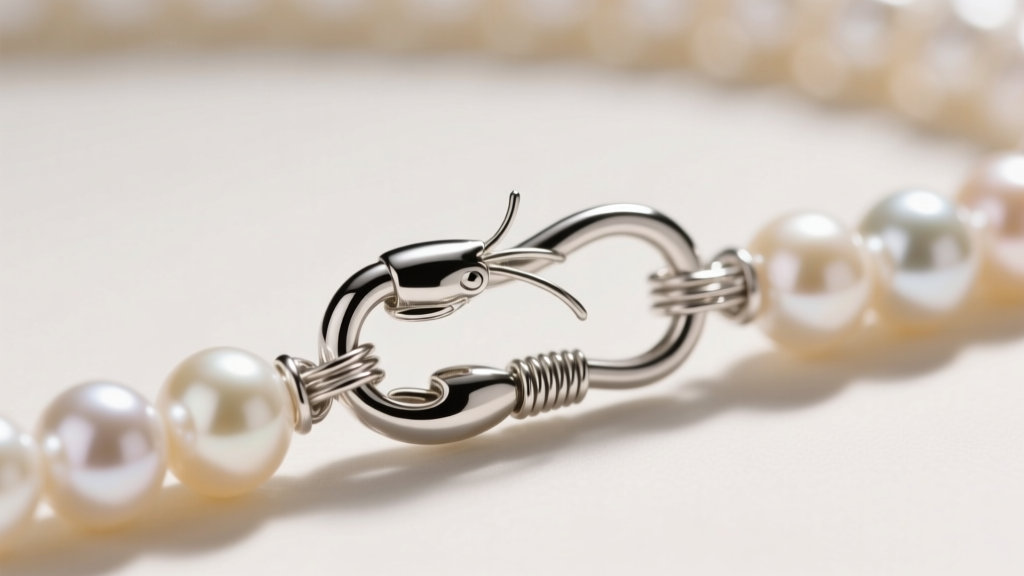
A common failure mode in budget pearl jewelry is the hardware. A beautiful strand of AAA freshwater pearls is rendered useless if the clasp breaks or the stringing material degrades. When assessing value, inspect the findings.
- Clasp Metallurgy: Avoid base metals plated with thin silver or gold. The acidity in human sweat will corrode the plating within months, leaving green marks on your neck. Demand solid 925 sterling silver or 14k gold-filled hardware.
- Stringing Material: Traditional silk thread is beautiful but stretches over time and rots if exposed to moisture. For everyday layered sets, look for strands strung on multi-strand, nylon-coated stainless steel beading wire with protective French wire (gimp) at the clasp edges to prevent the wire from cutting into the pearl nacre.
The 3-Strand Framework for Budget Layering
To achieve a high-end, custom-tailored look without paying a custom jeweler's premium, use the "Rule of 2" framework. This structural approach prevents the necklaces from tangling into a single knot—a frustrating failure mode that ruins the layered aesthetic and damages the pearls through constant friction.
- The Choker (14 inches): Use the smallest pearl diameter (4mm - 5mm). This sits snugly at the base of the neck and provides a delicate, bright focal point.
- The Princess (16 inches): Step up the diameter to 6mm - 7mm. This strand rests on the collarbone and serves as the visual anchor of the layered necklace pearl arrangement.
- The Matinee (18 inches): Finish with the largest pearls (8mm - 9mm). This strand drops below the neckline, framing the chest and providing a satisfying gradient of scale.
By strictly adhering to a two-inch length drop and a two-millimeter size increase, the physical weight and swing of each strand remain distinct, virtually eliminating tangling without the need for expensive, multi-strand detangler clasps.
Final Verdict: Is the Investment Worth It?
Curating a layered necklace pearl collection on a budget is entirely feasible if you prioritize solid-nacre freshwater pearls over bead-nucleated or faux alternatives. By leveraging direct-to-consumer vendors, demanding proper hardware metallurgy, and applying the Rule of 2 spacing framework, you can build a multi-strand set that rivals high-end luxury brands for a fraction of the cost. True value in jewelry is not just about the lowest initial price; it is about the intersection of durability, timeless aesthetics, and cost-per-wear over a lifetime of styling.


