2026 Value Guide: Is a Layered Necklace Necklace Set Worth It?
Discover if a layered necklace necklace set offers real value in 2026. We break down material costs, durability, and pricing to help you buy smart.

The Economics of Multi-Piece Jewelry Bundles
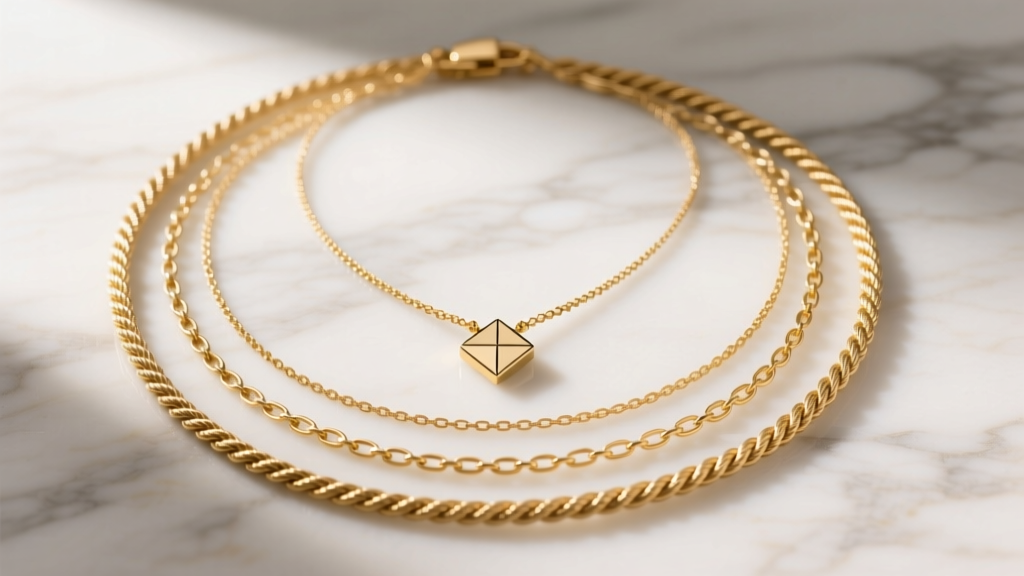
In the contemporary jewelry market, the layered look remains a dominant styling choice. To meet this demand, brands have heavily marketed the pre-layered bundle. When consumers search for a necklace necklace set, they are typically looking for a curated, multi-chain package designed to be worn together without the hassle of mixing and matching individual pieces. But from a strict budget and value assessment perspective, do these bundled sets actually offer a financial advantage in 2026, or are you paying a premium for convenience?
To evaluate the true value of a necklace necklace set, we must look beyond the initial price tag and analyze the cost-per-wear, material integrity, and structural longevity. A standard three-piece set from a mid-tier fashion brand typically retails between $65 and $120. In contrast, purchasing three individual, entry-level solid 10k gold chains from a reputable jeweler can easily exceed $350. On the surface, the bundled set appears to be a massive bargain. However, the discrepancy in lifespan and material degradation often flips the value equation, making it crucial to understand exactly what you are buying.
Material Breakdown: What Are You Actually Paying For?
The vast majority of budget-friendly necklace sets on the market today are not solid gold. They rely on advanced plating techniques over base metals. Understanding these techniques is the first step in assessing value. According to the Gemological Institute of America (GIA), the longevity of plated jewelry depends entirely on the thickness of the precious metal layer and the bonding method used.
PVD Coating vs. Traditional Electroplating
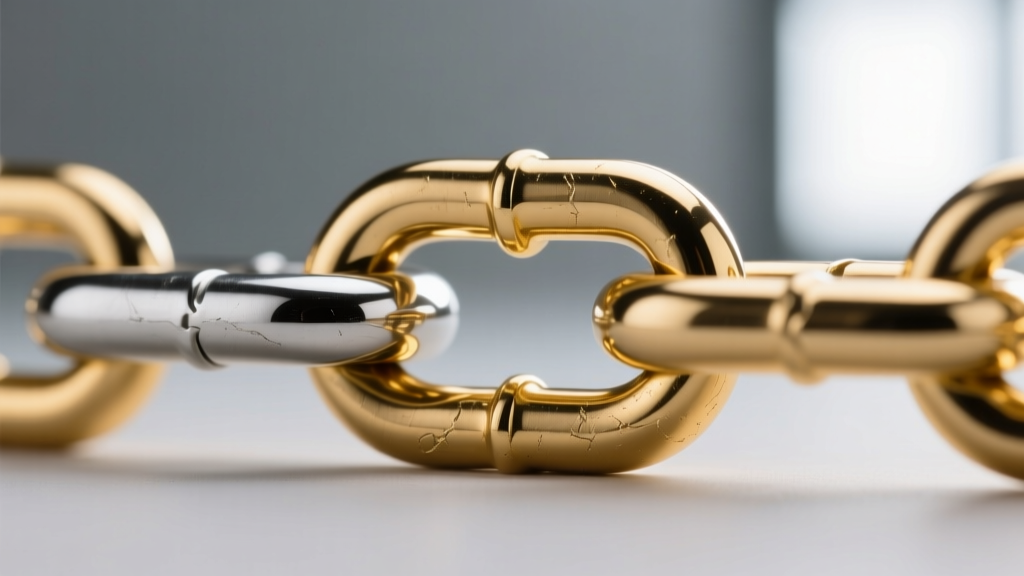
In 2026, Physical Vapor Deposition (PVD) has become the industry standard for high-quality budget sets. PVD involves vaporizing gold in a vacuum chamber, allowing it to bond at a molecular level with the base metal—usually 316L stainless steel. A PVD-coated necklace set can withstand daily wear, sweat, and occasional water exposure for 2 to 5 years before showing significant fading. Traditional electroplating, which uses an electrical current to deposit a layer of gold (often measured in microns), is much more fragile. A standard 0.5-micron gold-plated set may begin to tarnish or rub off within 3 to 6 months of daily wear.
The Base Metal Factor
The core of the chain dictates its weight, drape, and hypoallergenic properties. Sterling silver (925) is a premium base often used for gold vermeil sets. While silver has intrinsic value, it is soft and prone to bending if the chains are ultra-thin (under 1.0mm). Stainless steel (316L) is significantly harder, making it ideal for the ultra-thin chains often found in pre-layered sets, but it holds no intrinsic melt value. Brass is the cheapest option and should be avoided entirely, as it frequently causes skin discoloration and structural failure at the solder points.
2026 Pricing Matrix: Sets vs. Individual Pieces
To provide a clear framework for your purchasing decisions, we have compiled a comparative matrix detailing the average market costs and expected lifespans of different necklace configurations. This data reflects 2026 retail averages from direct-to-consumer jewelry brands and traditional mall jewelers.
| Material Composition | Average Set Price (3-Piece) | Expected Lifespan (Daily Wear) | Tarnish Resistance |
|---|---|---|---|
| PVD Gold on 316L Steel | $55 - $95 | 2 - 5 Years | High |
| 1-Micron Vermeil (925 Silver) | $110 - $180 | 1 - 2 Years | Moderate |
| 0.5-Micron Plate on Brass | $25 - $45 | 3 - 6 Months | Low |
| Solid 10k Gold (Individual) | $350+ (Total for 3) | Lifetime | Very High |
As the Jewelers of America consumer guides frequently note, understanding the difference between gold-filled, vermeil, and plated jewelry is essential for managing expectations regarding longevity and resale value. A necklace necklace set made of PVD steel offers the best visual-to-cost ratio for trend-driven styling, while solid gold remains the only true heirloom investment.
Durability and Failure Points in Pre-Layered Sets
While the materials dictate how the metal reacts to your skin and environment, the structural engineering of a pre-layered set dictates how long it survives physical wear. Bundled sets are notorious for specific mechanical failure points that individual chains rarely experience.
Friction and Jump Ring Fatigue
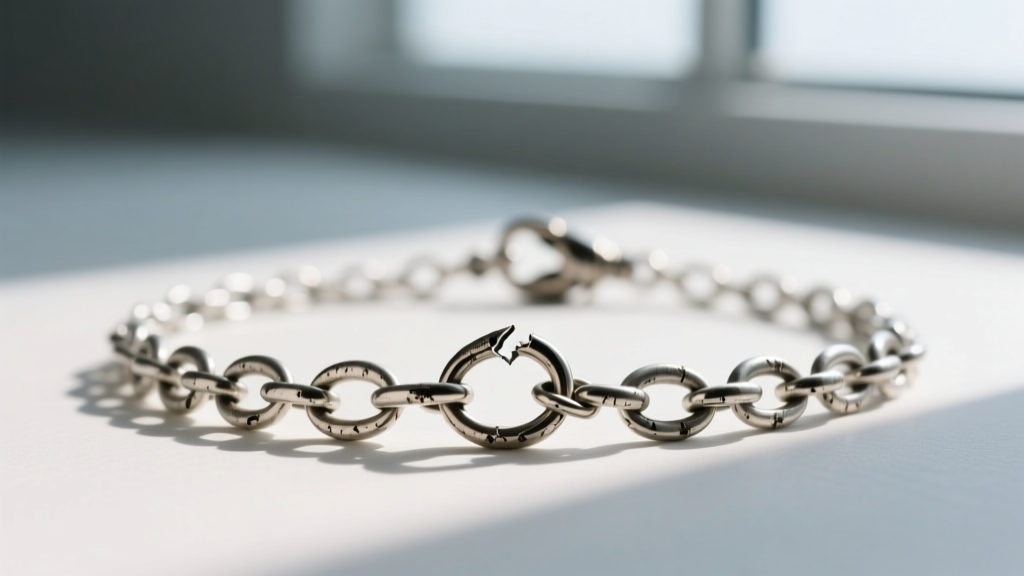
In a pre-layered set, two or three chains are often connected to a single jump ring near the clasp. This design flaw creates constant metal-on-metal friction every time you move. Over time, this friction acts like a microscopic saw, slowly cutting through the jump ring. If the jump ring is unsoldered (meaning it has a tiny slit where the wire ends meet), it will eventually pull apart, resulting in the loss of the pendant or the entire chain. When evaluating a set, always inspect the jump rings; soldered (closed) jump rings are a hallmark of better manufacturing quality.
The Tangling Dilemma and Chain Gauge
To keep costs low, brands often use ultra-thin cable chains (0.8mm to 1.0mm) for the upper layers of a set. While delicate, these chains are highly susceptible to tangling with the heavier base chain. Once tangled, the tensile strength of a 0.8mm brass or silver chain is easily exceeded when you attempt to pull them apart, leading to snapped links. To mitigate this, look for sets that utilize different link styles—such as pairing a snake chain with a box chain—which naturally resist interlocking compared to three identical cable chains.
The Verdict: When to Buy and When to Build Your Own
So, is investing in a necklace necklace set a smart financial move? The answer depends entirely on your styling habits and material expectations. Here is a practical decision framework to help you choose the right route for your jewelry budget.
- Buy a Pre-Layered Set If: You want a trendy, curated look for seasonal wear or vacation, your budget is strictly under $100, and you are willing to replace the set every 1 to 2 years. Opt for PVD-coated stainless steel to maximize your cost-per-wear.
- Build Your Own Layered Stack If: You want a permanent, daily-wear staple. Purchasing individual chains of varying lengths (e.g., 16", 18", and 20") and thicknesses allows you to control the quality of each piece, mix different gold tones, and replace a single chain if it breaks, rather than discarding an entire bundled set.
- Check the Clasp Hardware: Never buy a multi-layer set that uses a tiny spring-ring clasp. The combined weight and pull of three chains require a sturdy lobster clasp to prevent accidental unfastening and loss.
Ultimately, a bundled set is a fantastic entry point into layered styling, provided you understand the material limitations. By prioritizing PVD coatings, soldered jump rings, and sturdy clasps, you can extract years of stylish wear from a budget-friendly bundle without feeling like you compromised on quality.


