HHN No Scare Necklace 2026: Troubleshooting & Upgrades
Is your HHN no scare necklace failing? Discover 2026 troubleshooting tips, LED pendant upgrades, and visibility hacks to ensure scare actors leave you alone.

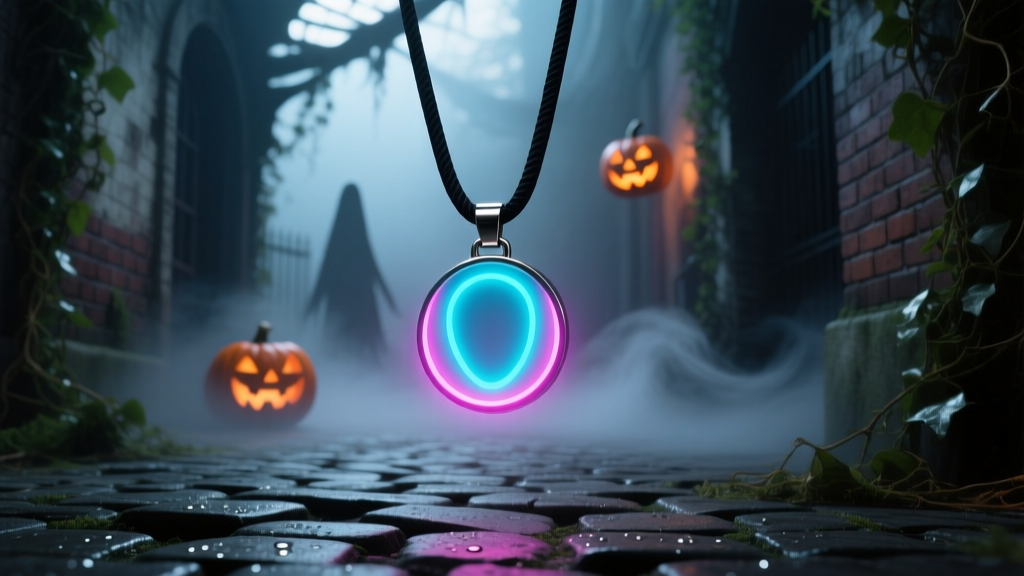
Universal’s Halloween Horror Nights (HHN) is an endurance test of sensory overload, and for many guests, the experience is best enjoyed without the heart-stopping jump scares. Enter the "no scare" necklace—a visual signal to scare actors that you prefer to pass through the haunted houses and scare zones unbothered. However, as the event has evolved, so have the environmental challenges. In 2026, theatrical fog machines are denser, ambient lighting in scare zones is more dynamic, and actors are trained to look for specific visual cues. If you are relying on a cheap, homemade, or outdated no scare pendant, you are likely still getting targeted. This guide breaks down the exact material, lighting, and structural failures of DIY no scare necklaces and provides jewelry-grade troubleshooting solutions to ensure you survive the night untouched.
The Core Problem: Why Scare Actors Ignore Your Necklace
The primary reason a no scare necklace fails isn't actor malice; it's environmental physics. Theme parks utilize glycol-based theatrical fog to create atmosphere. Glycol fog consists of microscopic liquid droplets that scatter light omnidirectionally. If your pendant relies on a low-lumen chemical glow stick or a weak, warm-toned LED (under 3000K), the light gets swallowed by the fog before it reaches the actor's eyes. Furthermore, scare actors are positioned to target the center of mass and the face. If your pendant is resting against your collarbone, hidden beneath a scarf, or dangling too low on a long chain, it falls entirely outside their primary sightline. To fix this, we must treat the no scare necklace not as a novelty toy, but as a high-visibility piece of functional jewelry.
Pendant Upgrades: Lumens, Materials, and IP Ratings
To cut through dense fog and competing strobe lights, your pendant must emit a minimum of 40 to 60 lumens in a cool white (6000K) or high-vis neon green spectrum. The human eye processes cool white and bright green faster in low-light environments than warm yellows or deep reds.
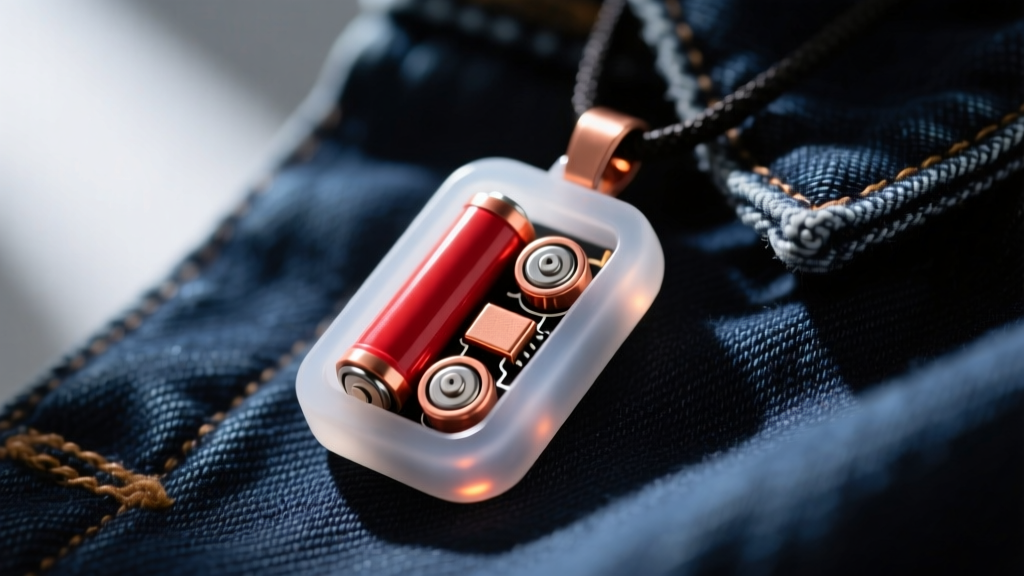
From a materials standpoint, avoid hard acrylic pendants. Acrylic scratches easily when bumped against turnstiles or queue rails, and those micro-scratches diffuse the LED light, reducing its forward throw. Instead, opt for pendants encased in IP67-rated translucent silicone. Silicone is impact-resistant, repels the sticky residue of theme park snacks, and naturally diffuses light evenly without losing forward intensity. When shopping for or building your pendant, ensure the internal housing uses a CR2032 lithium coin cell or a USB-C rechargeable LiPo battery. Standard AG3 alkaline batteries suffer from severe voltage drop-off in high-humidity environments, meaning your pendant will dim significantly by 9:00 PM.
Troubleshooting Common HHN Necklace Failures
Even the best pendants fail if the supporting hardware is flawed. Below is a diagnostic table to troubleshoot the most common issues guests face during a full night at HHN.
| Problem | Root Cause | Jewelry-Grade Solution |
|---|---|---|
| Actors still jump me in foggy zones | Light scattering; pendant hidden under hair/jacket. | Upgrade to a 60-lumen 6000K LED. Wear the chain at a 16-inch or 18-inch collar length, strictly over outerwear. |
| Pendant dies halfway through the night | Alkaline battery voltage drop in high humidity. | Replace AG3 cells with CR2032 lithium batteries, which maintain a flat discharge curve regardless of moisture. |
| Chain turns neck green or causes chafing | Zinc alloy base metals reacting with sweat and humidity. | Swap the chain for 316L surgical stainless steel or a 3mm TPU (Thermoplastic Polyurethane) cord. |
| Pendant detaches in a crowded scare zone | Weak spring-ring clasp catching on clothing. | Upgrade to a 10mm stainless steel lobster clasp with a reinforced soldered jump ring. |
Chain Metallurgy and Clasp Security for 8-Hour Park Days
A functional pendant is useless if the chain breaks or causes contact dermatitis. Florida and Singapore (the primary HHN locations) are notoriously humid. Sweat, combined with the high ambient temperature, creates a highly corrosive environment for cheap jewelry. Most novelty necklaces use zinc alloy or brass plated with a microscopic layer of nickel or silver. Within three hours, this plating wears through, leading to skin irritation and structural weakening.
The Fix: Discard the stock chain. Thread your LED or enamel no-scare pendant onto a 316L stainless steel cable chain (2.0mm to 3.0mm gauge). 316L contains molybdenum, which drastically increases resistance to chloride corrosion (sweat). If you prefer a softer feel, use a 3mm black TPU cord. TPU is completely impervious to water and sweat, and it won't snag on the mesh walls of haunted house queues. Always ensure the bail (the loop connecting the pendant to the chain) is lined with a silicone O-ring to prevent metal-on-metal friction from wearing down the pendant's housing.
Official vs. Unofficial: Navigating Universal's 2026 Policies
Universal officially provides no-scare lanyards or necklaces at Guest Services or the front gates for those who request them. However, supply chains for these official items frequently run out by mid-October. According to Universal's Halloween Horror Nights guidelines, guests are permitted to wear their own no-scare indicators, provided they adhere to strict safety rules.
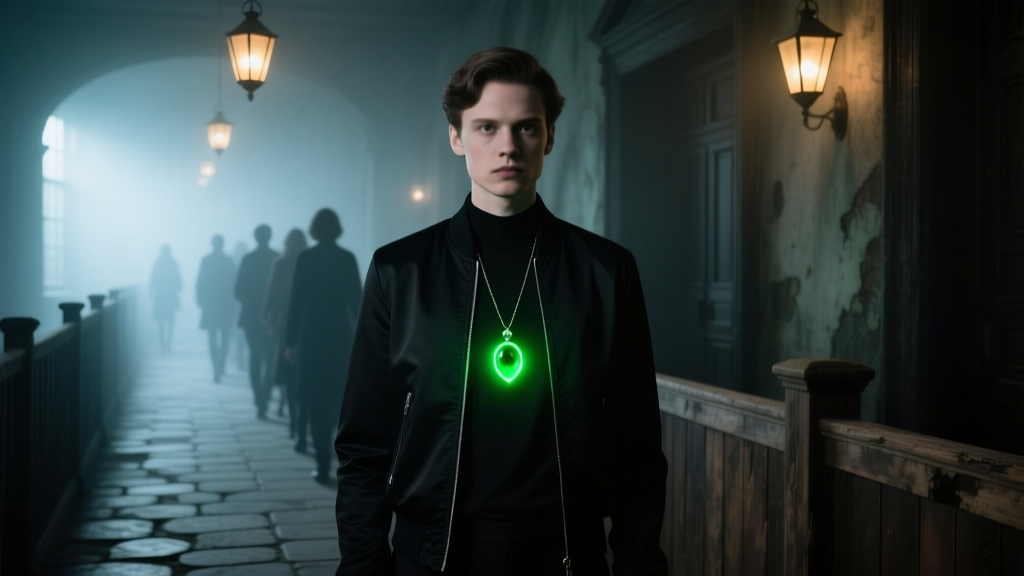
Your homemade or upgraded pendant must not feature strobe or flashing effects. Strobe lights are strictly banned as they can trigger seizures in other guests and disorient scare actors navigating dark, uneven terrain. Additionally, your pendant cannot mimic the shape, color, or insignia of official Universal staff badges or emergency personnel. A solid, continuously glowing green or white medallion is the safest and most universally recognized signal by the scare cast. Theme park experts at Theme Park Insider consistently recommend bringing your own high-quality, non-flashing LED pendant early in the evening to avoid the Guest Services bottleneck.
Your Pre-Scare Night Checklist
Before you pass through the turnstiles, run through this final hardware and visibility checklist to guarantee your necklace performs flawlessly:
- Battery Check: Install fresh CR2032 lithium batteries. Tape the battery compartment shut with a small strip of gaffer tape to prevent it from popping open if bumped.
- Length Adjustment: Set the chain to 16 or 18 inches. The pendant must rest squarely on the sternum, completely visible above any zippers, scarves, or cross-body bag straps.
- Clasp Verification: Tug firmly on the lobster clasp and jump rings. If the jump ring gap is visible, use jewelry pliers to twist it shut (never pull it apart laterally).
- Lighting Mode: Lock the pendant into "solid on" mode. Disable any breathing, fading, or strobe functions to comply with park safety regulations.
By treating your HHN no scare necklace with the same material scrutiny as fine jewelry, you eliminate the environmental and structural failures that lead to unwanted scares. Upgrade your hardware, respect the physics of theatrical fog, and enjoy the artistry of the haunted houses on your own terms.


