Choosing a Necklace for High Neck Dress: Value Guide
Discover how to choose the perfect necklace for high neck dress outfits. We compare materials, lengths, and price tiers for maximum style value.

The High-Neck Dilemma: Why Standard Chains Fail
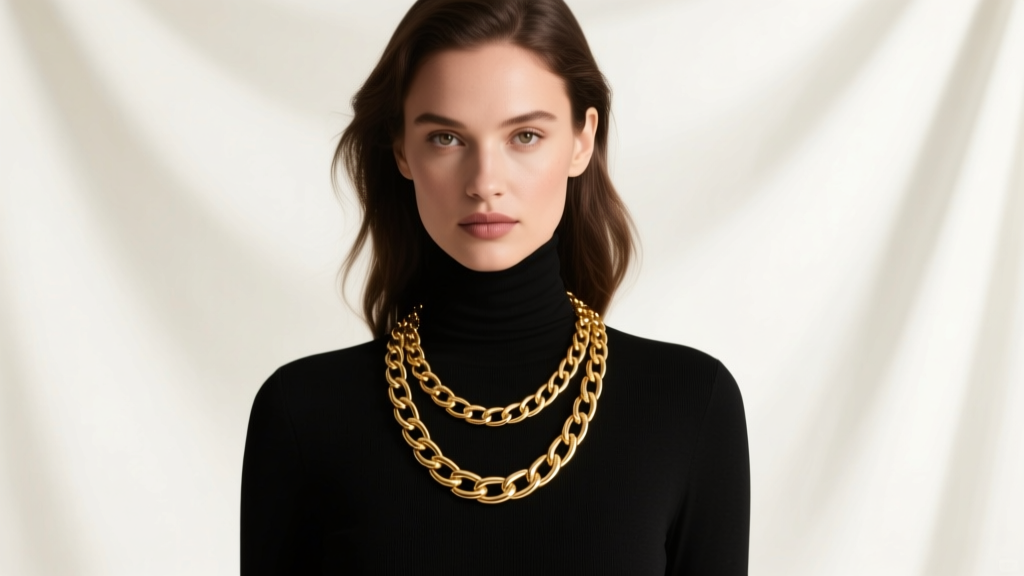
Styling a necklace for high neck dress silhouettes—such as mock necks, turtlenecks, and Victorian collars—presents a unique structural challenge. The fabric acts as a visual block, completely covering the décolletage and collarbone area where traditional necklaces are meant to rest. When you attempt to wear a standard 16-inch choker or an 18-inch princess-length chain over a high neckline, the jewelry inevitably clashes with the garment's collar seam, creating a cluttered, 'floating head' effect that disrupts your outfit's proportions.
As we navigate 2026's minimalist styling trends, the focus has shifted toward intentional, elongated silhouettes and quiet luxury. To successfully accessorize a high neck dress, you must manipulate visual weight and draw the eye downward. This requires a strategic approach to chain length, pendant geometry, and material durability. More importantly, because necklaces worn over clothing experience significantly more mechanical friction than those worn against bare skin, assessing the budget and long-term value of your materials is critical to avoid wasting money on pieces that will tarnish or degrade within a single winter season.
The 3 Best Necklace Styles for High Necklines
To create a flattering V-shaped illusion over a high collar, you must abandon standard lengths and embrace drops that sit below the bust line or bold pieces that integrate with the collar itself.
1. The Matinee Pendant (22 to 24 Inches)
The matinee length is the undisputed champion for high necklines. A 22 to 24-inch chain allows the pendant to rest comfortably on the sternum, breaking up the solid block of fabric and elongating the torso. For maximum value, look for adjustable matinee chains with a 2-inch extender, allowing you to customize the drop depending on whether you are wearing a thin silk mock-neck or a thick ribbed wool turtleneck.
2. The Lariat or Y-Necklace
Lariat necklaces bypass the traditional clasp-and-pendant structure, featuring a chain that threads through a loop or jumps ring to create a deep, customizable V-shape. This style is exceptionally budget-friendly because it requires less total metal to achieve a dramatic visual impact. A 30-inch lariat chain provides versatile styling options, including wrapping it twice for a layered choker effect over a thinner high-neck blouse.
3. The Bold Collar (Worn Over the Collar)
If you prefer shorter necklaces, you must scale up the hardware. A rigid metal collar or a chunky 5mm+ chain worn directly over the collar of a turtleneck acts as an extension of the garment's hardware. This requires precise proportion matching; the thickness of the chain should visually align with the weight of the fabric.
Material Value Assessment: What to Buy on a Budget
When shopping on a budget, understanding the difference between gold plating, vermeil, and gold-filled jewelry is the difference between an investment and a disposable accessory. The Federal Trade Commission (FTC) strictly regulates these terms, and knowing them will protect your wallet.
Necklaces worn over high-neck dresses are subjected to 'fabric drag.' The constant rubbing against wool, cashmere, and synthetic blends acts like a mild sandpaper, stripping away thin layers of gold plating in a matter of weeks. Therefore, standard flash-plated brass jewelry is a poor value proposition for high-neck styling.
| Material | Core Metal | Gold Layer | Avg. Price | Lifespan over Fabric |
|---|---|---|---|---|
| Gold Vermeil | Sterling Silver | 2.5+ microns | $50 - $120 | 1-2 years (friction wear) |
| 14k Gold-Filled | Jeweler's Brass | 5% of total weight | $60 - $150 | 5-10+ years |
| Solid 14k Gold | Gold Alloy | Solid 14k | $350+ | Lifetime |
For the best budget-to-value ratio, 14k gold-filled chains are the superior choice for high-neck styling. The gold layer in gold-filled jewelry is mechanically bonded and substantially thicker than vermeil, making it highly resistant to the abrasive friction of winter knits. According to the Gemological Institute of America (GIA), 14k gold alloys also offer superior hardness compared to 18k, meaning a 14k gold-filled or solid 14k chain will resist scratching and deformation when caught on heavy fabrics.
Chain Gauge, Width, and Hardware Failure Modes
A common mistake when buying a necklace for high neck dress outfits is prioritizing delicate chains. While a 1mm cable chain looks elegant against bare skin, it will completely disappear into the texture of a ribbed turtleneck or velvet mock-neck. Furthermore, delicate chains are prone to structural failure when subjected to the weight and pull of heavy garments.
The Fabric Weight Rule: For lightweight silk or chiffon high-necks, a 1.5mm to 2mm chain is sufficient. For medium-weight cotton or cashmere, step up to a 2.5mm to 3mm width (such as a paperclip or rope chain). For heavy wool or chunky knits, you need a minimum 4mm to 5mm chain to maintain visual presence and structural integrity.
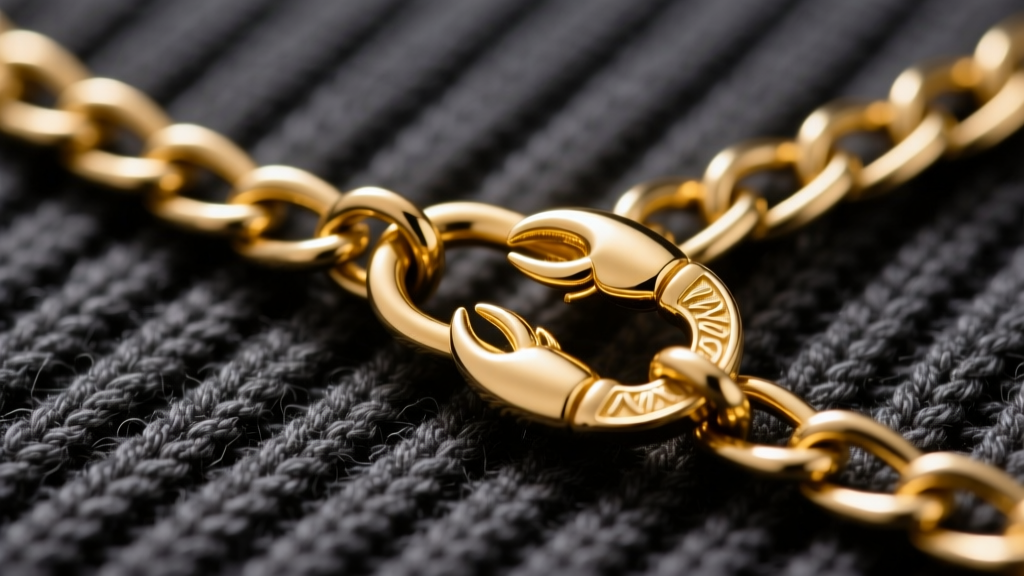
Hardware Warning: Pay close attention to the clasp. Many budget brands pair thick, heavy 4mm chains with tiny, inexpensive spring-ring clasps. Spring rings lack the internal tension to hold heavy chains securely over bulky clothing, leading to a high failure rate and lost jewelry. Always inspect the clasp size; upgrade to a lobster clasp or a neodymium magnetic clasp for chains wider than 3mm.
The Physics of Fabric Drag and Pendant Weight
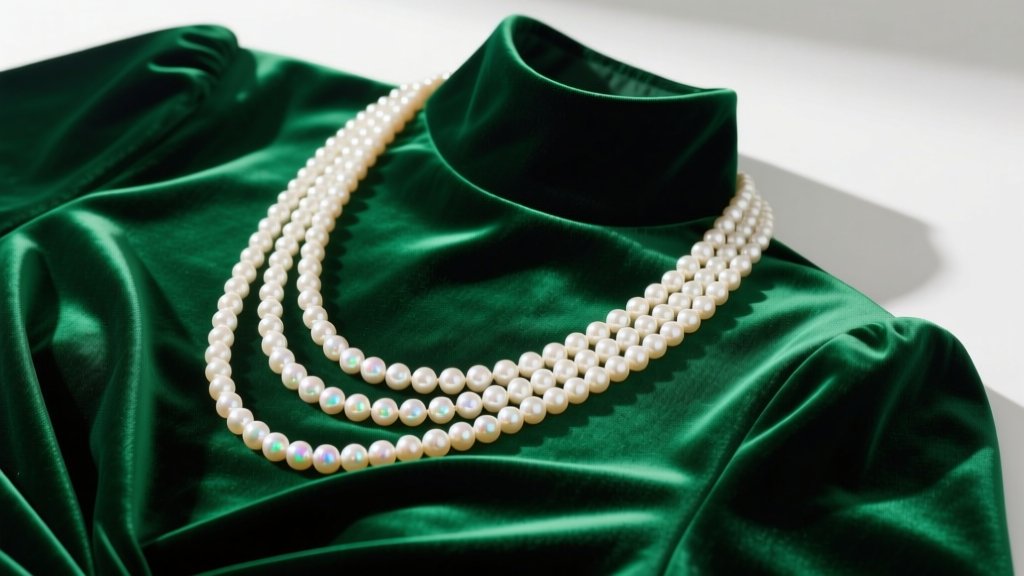
Beyond the chain itself, the weight of the pendant plays a crucial role in how the necklace interacts with the high-neck dress. Heavy, solid-metal pendants (weighing over 15 grams) will aggressively pull on the collar of a delicate silk or thin cotton mock-neck. This constant downward tension not only distorts the silhouette of the dress but can cause micro-tears in the fabric's fibers over time.
Actionable Solution: If you are wearing a delicate high-neck fabric, opt for lightweight, hollow-core pendants, or geometric shapes made from lighter materials like mother-of-pearl, enamel, or carved wood. Save the heavy, solid-brass or sterling silver statement pendants for structured, heavy fabrics like wool blends, tweed, or thick velvet, which have the structural integrity to support the weight without warping.
Cost-Per-Wear Analysis: Budget vs. Investment
To truly assess the value of a necklace, you must look beyond the initial price tag and calculate the cost-per-wear (CPW). The formula is simple: Total Price / Estimated Number of Wears = CPW.
- The False Economy ($25 Brass Chain): A cheap, flash-plated brass chain might seem like a steal, but the friction from a turtleneck will wear through the plating in 5 to 10 wears, exposing the brass underneath which can cause skin discoloration or contact dermatitis. CPW: $2.50 to $5.00 per wear before it becomes unwearable.
- The Smart Budget Buy ($85 14k Gold-Filled Matinee): A quality gold-filled chain will easily withstand 3 to 4 seasons of heavy winter rotation (approx. 100+ wears) without losing its luster. CPW: $0.85 per wear.
- The Lifetime Investment ($450 Solid 14k Gold Lariat): Worn 50 times a year for 10 years (500 wears). CPW: $0.90 per wear, with the added benefit of retaining intrinsic metal value.
Final Verdict: Where to Invest and Where to Save
When building your jewelry wardrobe for high-neck dresses, allocate the majority of your budget toward the chain's material and structural integrity. Skimping on the chain thickness or opting for flash-plating will result in broken links and tarnished metal within a single season. Conversely, you can save money on the pendant itself; a modestly priced gold-filled chain can easily be paired with an inexpensive, interchangeable semi-precious stone or enamel pendant to refresh your look without compromising the longevity of the core piece. By prioritizing matinee lengths, 14k gold-filled materials, and proportionate chain widths, you ensure your jewelry enhances your high-neck silhouettes rather than fighting against them.


