Troubleshooting Your White Gold Star Necklace: Tarnish & Chain Fixes
Is your white gold star necklace turning yellow or breaking? Discover expert troubleshooting tips for rhodium replating, chain repairs, and prong tightening.


A white gold star necklace is a quintessential jewelry staple, blending celestial charm with everyday elegance. However, beneath its brilliant, mirror-like finish lies a complex metallurgical reality that often leads to frustration for wearers. If your favorite pendant has started to look brassy, the chain keeps snapping, or the delicate pavé diamonds are falling out, you are not alone. Troubleshooting these specific issues requires an understanding of white gold alloys, chain mechanics, and micro-setting techniques.
In this comprehensive guide, we will diagnose the most common failure modes of white gold star pendants and chains, providing actionable, expert-level solutions to restore your jewelry to its original glory.
The Yellowing Problem: Rhodium Plating Wear on White Gold
The most frequent complaint regarding any white gold jewelry is the gradual yellowing of the metal. To troubleshoot this, we must first understand that white gold is not a naturally occurring metal. It is an alloy created by mixing pure yellow gold with white metals like nickel, palladium, or silver. According to the Gemological Institute of America (GIA), the resulting alloy still retains a faint yellowish or grayish tint. To achieve the brilliant, reflective white finish consumers expect, jewelers electroplate the piece with rhodium, a rare and incredibly hard platinum-group metal.
When your white gold star necklace begins to turn yellow, the gold itself is not tarnishing or changing color; rather, the microscopic layer of rhodium plating has worn away, exposing the underlying alloy. This wear is accelerated by friction, exposure to cosmetics, and the natural acidity of your skin.
14k vs. 18k White Gold: Which Yellows Faster?
The karat weight of your necklace dictates how noticeable the rhodium wear will be. An 18k white gold star pendant contains 75% pure yellow gold. When the rhodium wears off the high-contact edges of the star points, the yellow undertone is highly visible. Conversely, a 14k white gold pendant contains only 58.3% pure gold, meaning the underlying alloy is naturally whiter and masks the wear much better. If you are troubleshooting severe yellowing on an 18k piece, the only permanent fix is professional replating.
The Fix: Take the necklace to a professional jeweler for a 'rhodium dip.' The jeweler will polish away surface scratches, clean the piece in an electrostatic bath, and apply a new layer of rhodium (typically 0.75 to 1.5 microns thick). Avoid attempting to polish white gold at home with abrasive cloths, as this will strip the remaining rhodium faster.
Chain Snaps and Clasp Failures: Diagnosing Weak Links
Star pendants are often lightweight and delicate, meaning they are typically paired with thin chains ranging from 0.8mm to 1.2mm in width. While dainty chains offer a beautiful, barely-there aesthetic, they are highly susceptible to mechanical failure.
Why Box Chains Snap Under Pressure
Many white gold star necklaces are sold with box chains due to their modern, geometric look. However, box chains are constructed from interlocking square links that lack flexibility. If the chain gets caught on a sweater or pulled, the square links do not stretch; they kink. Once a box chain kinks, the structural integrity of that specific link is compromised, leading to a clean snap. Troubleshooting tip: If you frequently break your box chain, swap it for a 1.0mm cable chain or a rolo chain. These round-link chains are designed to flex and absorb tension without permanently deforming.
The Lobster Clasp Spring Failure
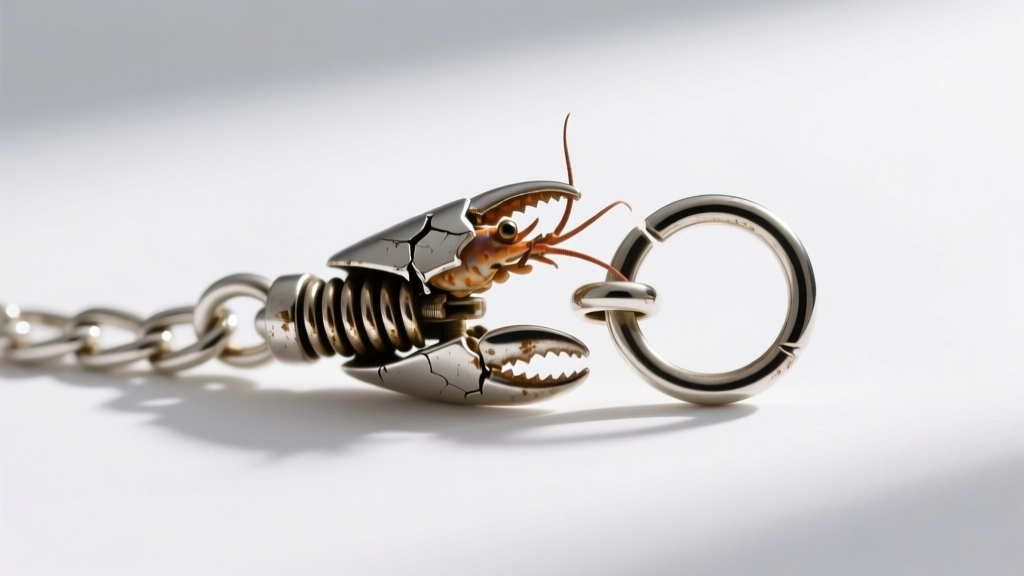
If your necklace keeps unfastening itself, the issue likely lies within the lobster clasp. Inside the tiny lever is a micro-spring that degrades over time due to exposure to lotions, oils, and repetitive mechanical stress. When the spring loses its tension, the clasp fails to close completely, leaving a millimeter-wide gap that allows the jump ring to slip out.
The Fix: Do not attempt to bend the clasp lever back with pliers; this will snap the internal spring or the cast white gold housing. Have a jeweler replace the lobster clasp entirely, or downgrade to a spring-ring clasp, which features a simpler, more reliable internal coil mechanism for lightweight star pendants.
Loose Pavé and Bent Prongs: Securing the Star's Gemstones
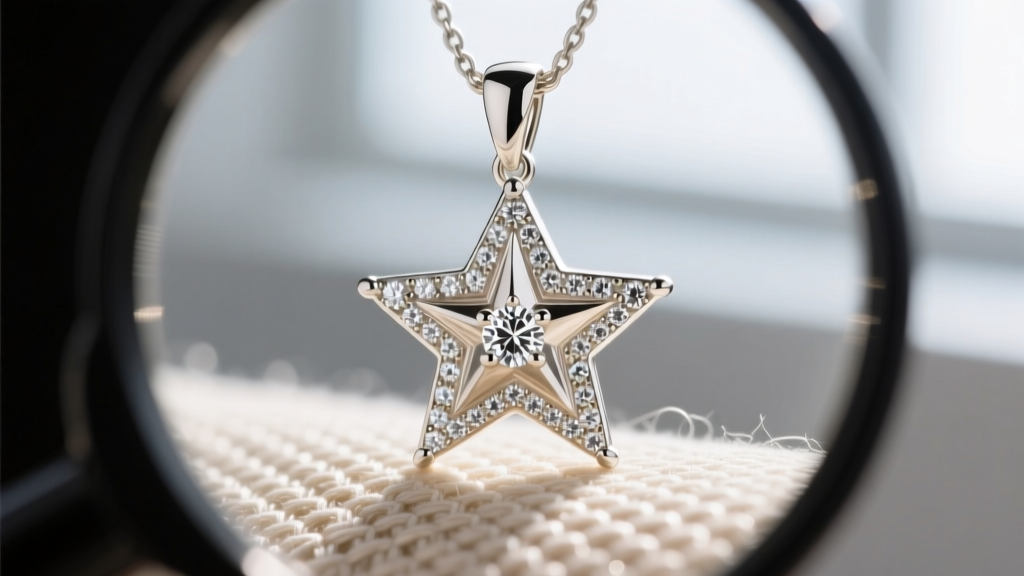
White gold star necklaces frequently feature pavé-set diamonds or a single center stone held by prongs. The celestial points of the star act as natural snag magnets, catching on hair, clothing, and towels. This repetitive snagging pulls on the metal prongs, lifting them away from the gemstones.
Performing the 'Snag Test' at Home
To troubleshoot loose stones before they fall out and are lost forever, perform a weekly snag test. Take a piece of sheer, woven fabric (like a microfiber cloth or thin silk) and gently drape it over the star pendant. Slowly pull the fabric across the surface. If the fabric catches on any of the star's points or the edges of the gemstone settings, a prong has been lifted and requires immediate professional tightening.
The Fix: A jeweler will use a microscope and a burnishing tool to push the white gold prongs back over the girdle of the diamond. If the necklace features micro-pavé (where dozens of tiny diamonds share microscopic beads of metal), the jeweler may need to use a laser welder to add a tiny drop of new white gold to rebuild a worn-away prong.
Step-by-Step Home Maintenance vs. Professional Repair
Knowing what you can safely do at home versus what requires a professional bench jeweler is critical for preserving the lifespan of your white gold star necklace. The Jewelers of America strongly advises against using harsh chemicals or improper mechanical cleaners on delicate jewelry.
- Ultrasonic Cleaners (Warning): While ultrasonic cleaners are excellent for solid metal, the high-frequency vibrations can easily shake loose pavé diamonds from a star pendant. Never put a pavé star necklace in an ultrasonic machine.
- Safe Home Cleaning: Mix three drops of mild, phosphate-free dish soap (like Dawn) into a bowl of lukewarm water. Let the necklace soak for 15 minutes. Use a baby-hair toothbrush to gently sweep away sebum and dead skin cells from behind the star pendant, where grime accumulates and dulls the diamonds.
- Storage Troubleshooting: White gold is relatively soft. If you throw your star necklace into a communal jewelry box, the harder gemstones of other pieces will scratch the rhodium plating. Always store the necklace in a separate, soft flannel pouch or hang it on a velvet necklace bust to prevent the chain from tangling and kinking.
'The most common reason we see for missing diamonds in star pendants is improper storage. When chains tangle, the wearer pulls them apart, bending the delicate micro-prongs on the star points without realizing it.' - Master Bench Jeweler
Cost Guide: Budgeting for White Gold Necklace Repairs
When troubleshooting your jewelry, it is helpful to know the financial investment required to restore it. Below is a structured breakdown of standard repair costs for white gold necklaces in 2026. Prices may vary based on your geographic location and the specific karat weight of your piece.
| Repair / Service Type | Description | Estimated Cost (USD) |
|---|---|---|
| Rhodium Replating | Stripping, polishing, and electroplating the white gold star pendant and chain. | $45 - $75 |
| Laser Chain Welding | Reattaching a snapped 1.0mm cable or box chain link using precision laser technology. | $35 - $55 |
| Clasp Replacement | Soldering on a new 14k or 18k white gold lobster or spring-ring clasp. | $40 - $80 |
| Prong Tightening / Retipping | Securing loose pavé diamonds or rebuilding a single worn prong on the star point. | $25 - $60 (per stone) |
| Jump Ring Soldering | Fusing the split jump ring connecting the star pendant to the chain to prevent loss. | $20 - $35 |
Final Thoughts on Necklace Longevity
A white gold star necklace is an investment in both craftsmanship and sentiment. By understanding the metallurgical realities of rhodium plating, recognizing the mechanical weaknesses of delicate chains, and staying vigilant about prong maintenance, you can troubleshoot issues before they result in permanent damage or lost gemstones. Treat your celestial piece with the technical care it deserves, and it will continue to shine brilliantly for decades to come.


