Navajo Pearls and Turquoise Necklace Care and Cleaning Guide
Learn expert cleaning and storage tips for your Navajo pearls and turquoise necklace to prevent stone damage and preserve hand-stamped silver details.

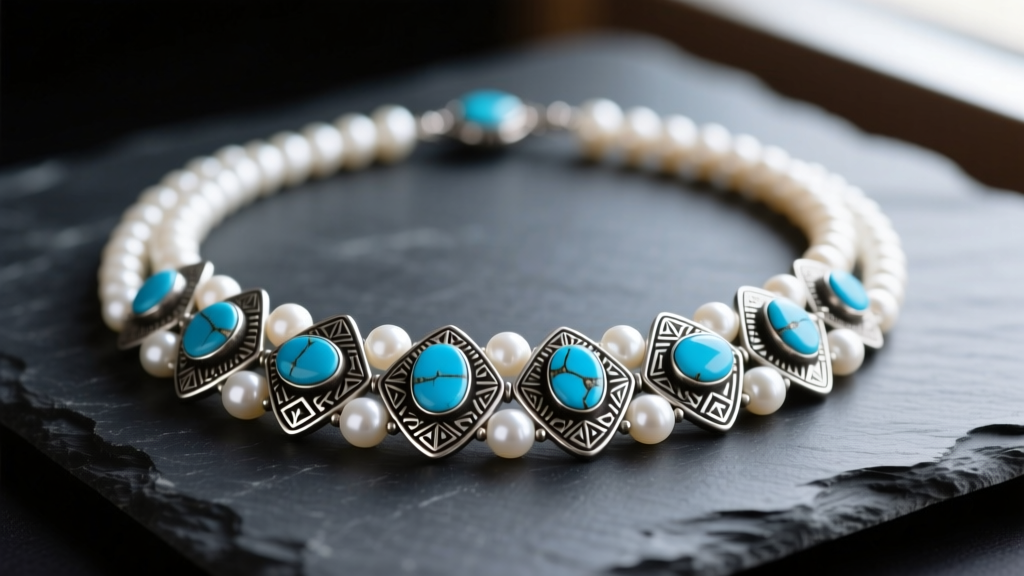
The Material Paradox: Sterling Silver vs. Porous Gemstones
A authentic Navajo pearls and turquoise necklace represents a cornerstone of Southwestern jewelry artistry, combining meticulous metalwork with vibrant natural gemstones. However, caring for this specific combination presents a unique material paradox. The sterling silver beads (often called bench beads) require regular polishing to combat oxidation, while the turquoise stones are highly porous, fragile, and easily destroyed by the very chemicals used to clean silver. Understanding the distinct geological and metallurgical properties of these materials is the first step in preserving your heirloom piece for decades.
Navajo pearls are traditionally crafted from 925 sterling silver, an alloy containing 92.5% silver and 7.5% copper. It is this copper content that reacts with sulfur in the air to create silver sulfide, commonly known as tarnish. Turquoise, conversely, is a hydrous phosphate of copper and aluminum with a Mohs hardness rating of just 5 to 6. Its porous, microscopic honeycomb structure means it readily absorbs liquids, oils, and chemicals, which can permanently alter its color matrix or cause structural fracturing.
The Golden Rule: Never Submerge or Use Liquid Dips
The most common and catastrophic mistake owners make when cleaning a Navajo pearls and turquoise necklace is using liquid silver dip solutions. These commercial cleaners rely on harsh thiourea-based acids to instantly strip tarnish. While they may make the silver gleam, they will simultaneously penetrate the pores of the turquoise, breaking down the stone's internal structure and often leaving a permanent, chalky white residue that cannot be buffed out.
Furthermore, liquid dips will strip the intentional antiquing from your Navajo pearls. Artisans use liver of sulfur to artificially oxidize the recessed, hand-stamped crevices of the beads, creating the high-contrast, three-dimensional look that defines the style. Submerging the necklace removes this dark patina, leaving the beads looking flat, washed out, and devoid of their artistic character. According to the Gemological Institute of America (GIA), turquoise should never be exposed to harsh chemicals, steam, or ultrasonic cleaners, as these methods can shatter the stone or dissolve the epoxy resins used in stabilized turquoise.
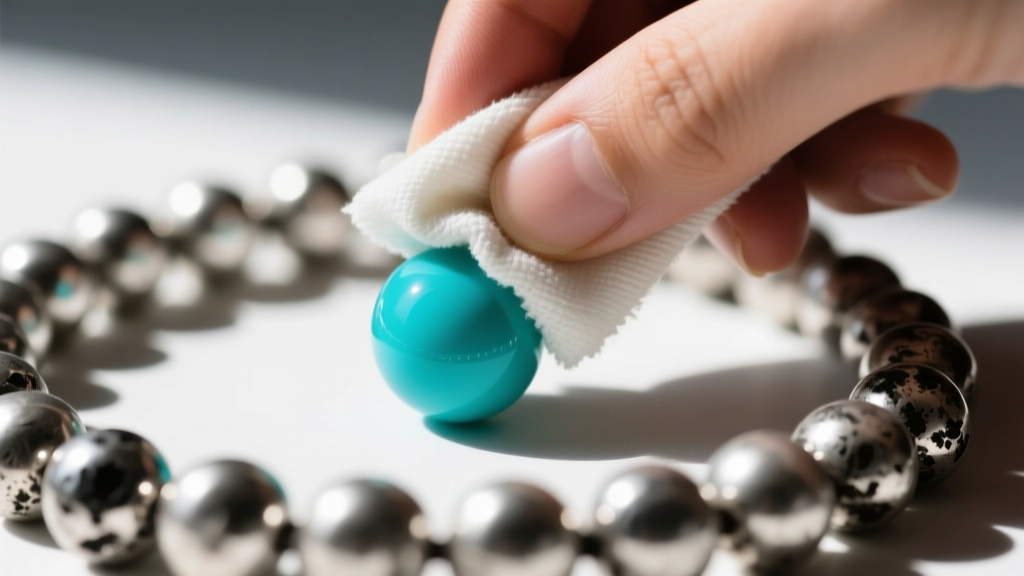
Step-by-Step Cleaning Guide for Navajo Pearls
To clean the silver components without damaging the stones or the antiquing, you must adopt a targeted, dry-polishing approach. This requires patience and the right tools.
1. The High-Point Polishing Method
Use a high-quality, treated jeweler's cloth, such as a Sunshine polishing cloth. These cloths are impregnated with microscopic abrasives and anti-tarnish agents. Wrap the cloth around your index finger and gently rub only the raised, high points of the hand-stamped silver beads. Avoid pressing into the stamped grooves where the dark oxidation resides. This technique removes surface tarnish while perfectly preserving the artisan's intended contrast.
2. Detail Cleaning with a Soft Brush
If dirt or skin oils accumulate in the crevices near the drill holes, use a clean, dry, extra-soft makeup brush or a dedicated jewelry brush to gently sweep the debris away. Never use a wet toothbrush, as water can pool around the bead tips and degrade the stringing material over time.
How to Wipe and Protect Turquoise Beads
Cleaning the turquoise requires an entirely separate protocol. Because turquoise is sensitive to acids and alkalis, your primary cleaning agent should be a dry, lint-free microfiber cloth. After every wear, gently wipe each turquoise bead to remove microscopic layers of sweat, sebum, and environmental dust.
If a stone becomes heavily soiled, you may slightly dampen a corner of the microfiber cloth with distilled water—never tap water, which contains chlorine and fluoride. Wipe the stone quickly and immediately dry it with the dry portion of the cloth. Never allow moisture to sit on the surface or seep into the drill holes. The GIA's guidelines on silver and gemstone care emphasize that porous gems require gentle, mechanical cleaning rather than chemical intervention.
Environmental Hazards and Wearing Protocols
Prevention is vastly superior to intervention. Adopting the 'Last On, First Off' rule is non-negotiable for turquoise jewelry. Cosmetics, hairsprays, perfumes, and sunscreens contain alcohols and chemical binders that will permanently dull the luster of your turquoise and accelerate the tarnishing of your silver.
| Environmental Hazard | Effect on Turquoise Stones | Effect on Navajo Silver Pearls |
|---|---|---|
| Chlorine (Pools/Spas) | Causes severe discoloration and surface pitting | Accelerates aggressive, irreversible tarnishing |
| Perfumes & Hairspray | Absorbs into pores, creating a dull, cloudy film | Chemical binders trap sulfur, speeding up oxidation |
| Household Cleaners | Ammonia and bleach can dissolve the stone matrix | Strips intentional antiquing and causes micro-scratches |
| Extreme Heat | Can fracture the stone or melt stabilizing resins | Minimal direct effect, but weakens stringing thread |
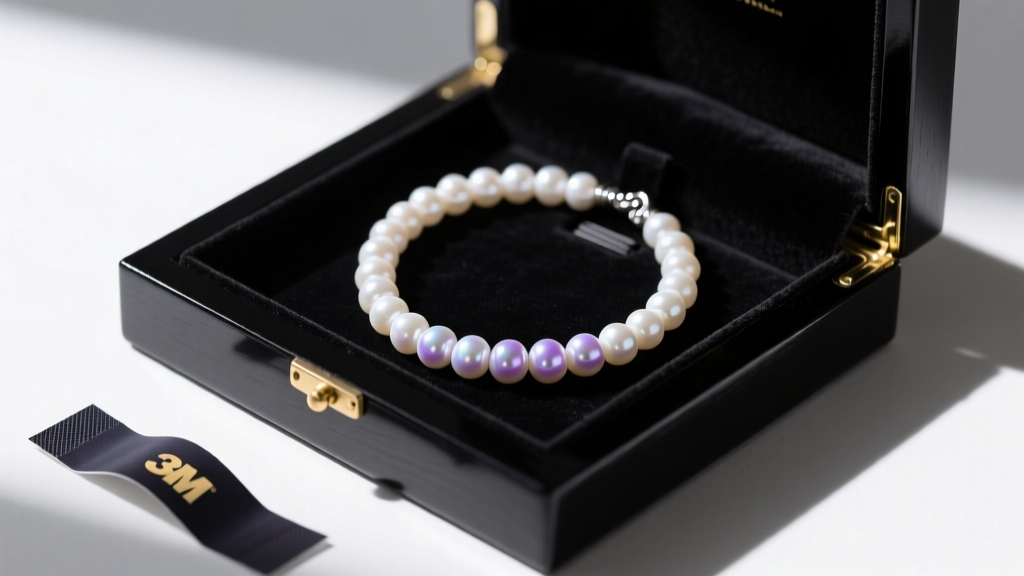
Storage and Structural Maintenance
How you store your Navajo pearls and turquoise necklace when it is not being worn dictates how much maintenance it will require. Never store the necklace in an airtight plastic bag. Plastic traps ambient moisture and can emit trace volatile organic compounds (VOCs) that actually accelerate silver tarnish and degrade turquoise.
Instead, store the necklace flat in a fabric-lined jewelry box with an active anti-tarnish strip (such as 3M Silver Shield). Hanging heavy graduated necklaces can place undue stress on the stringing material, leading to premature stretching or snapping. Always lay the piece flat or coil it loosely in an anti-tarnish flannel pouch.
Restringing and Hardware Checks
Even with meticulous care, the structural integrity of the necklace requires periodic inspection. Authentic Southwestern necklaces are typically strung on heavy-duty nylon thread or traditional silk. While nylon is resistant to moisture, silk will degrade and stretch when exposed to ambient humidity and skin oils over time. Inspect the bead tips and French wire near the clasp annually. If you notice fraying, gaps between the beads, or a stiff, brittle feel to the thread, take the piece to a professional bench jeweler who specializes in Native American jewelry for restringing. Attempting to restring a graduated necklace yourself often results in improper knotting and irreversible damage to the antique silver beads.


