How to Layer and Care for Your Signature LCI Necklace
Master the art of layering your LCI necklace with our step-by-step guide. Learn pairing techniques, clasp maintenance, and 2026 styling trends.

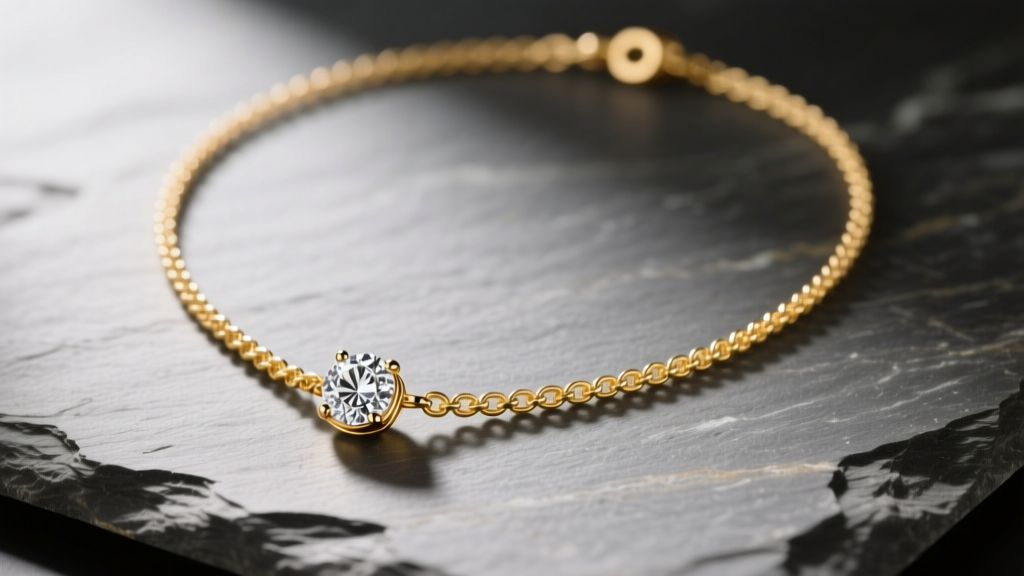
The LCI necklace has cemented its status as a cornerstone of modern fine jewelry wardrobes. Known for its modular pendant designs, precise chain weaves, and brilliant pavé diamond accents, this specific piece bridges the gap between everyday minimalism and high-end luxury. However, owning an LCI necklace is only the first step; knowing how to properly layer it, match it to various necklines, and maintain its structural integrity is what separates casual wearers from true jewelry connoisseurs. In this comprehensive 2026 guide, we break down the exact anatomy of these pieces and provide a step-by-step protocol for styling and maintaining your investment.
The Anatomy of an Authentic LCI Necklace
Before attempting to layer or clean your jewelry, it is critical to understand the materials you are working with. Authentic LCI necklaces are typically produced in two primary tiers: solid 14k gold and 18k gold vermeil. According to the Federal Trade Commission Jewelry Guides, a piece can only be legally classified as "vermeil" if it consists of a sterling silver (925) base coated with gold that is at least 10k fineness and a minimum thickness of 2.5 microns.
Counterfeit versions often use brass bases with "flash plating" (under 0.5 microns), which tarnishes within weeks and can cause contact dermatitis. When inspecting your LCI necklace, look for the hallmark stamps: you should see a "925" stamp on the interior of the lobster clasp or the jump ring, alongside the brand's specific maker's mark. The signature LCI pendant bail typically features an interior dimension of 4mm x 6mm, meaning it is engineered to slide seamlessly over chains up to 1.5mm thick, but will catch on heavier 2.5mm rope chains.
Step-by-Step: The Perfect 3-Piece Layering Stack
Layering is an exercise in visual weight distribution and precise spacing. The most common mistake is clustering pendants too closely, which leads to tangling and visual clutter. Here is the exact blueprint for building a flawless stack around your focal LCI necklace.

Step 1: The 14-Inch Choker Base
Begin with a 14-inch or 15-inch chain that sits close to the collarbone. A 1.0mm cable chain or a delicate 1.2mm box chain works best here. The goal is to provide a subtle frame for the neck without drawing attention away from the main event. Ensure this base layer has no pendant, or at most, a tiny 2mm solitaire diamond bezel.
Step 2: The 18-Inch Focal LCI Piece
Your LCI necklace should serve as the anchor of the stack. Set the adjustable clasp to exactly 18 inches. This length allows the signature pavé diamond pendant to rest perfectly in the hollow of the clavicle, catching ambient light. The visual gap between the 14-inch base layer and this 18-inch focal piece should be roughly two inches, providing enough negative space to prevent the chains from intertwining.
Step 3: The 22-Inch Anchor Chain
To ground the stack, add a 22-inch chain featuring a slightly heavier texture, such as a 1.5mm Figaro or a flattened curb chain. This bottom layer adds a touch of androgyny and structural contrast to the delicate chains above it. Leave this chain bare; the visual hierarchy should always point back up to the LCI pendant.
Length and Neckline Pairing Matrix
Wearing an LCI necklace with the wrong neckline can obscure the pendant or cause the chain to rub uncomfortably against fabric seams. Use the matrix below to pair your chain length with your outfit.
| Neckline Type | Ideal LCI Chain Length | Pendant Visibility | Styling Notes |
|---|---|---|---|
| Crew Neck | 14" - 16" | High | Keep the pendant small; wear over the fabric for a sporty-chic contrast. |
| Deep V-Neck | 18" - 20" | Maximum | The V-shape naturally frames the 18-inch LCI pendant perfectly. |
| Scoop Neck | 16" - 18" | Medium-High | Layer a 16" choker with the 18" LCI piece to fill the wide skin canvas. |
| Off-Shoulder | 14" (Choker) | High | Avoid long chains that will dangle over the fabric edge and snag. |
Maintenance: Cleaning and Untangling Protocols
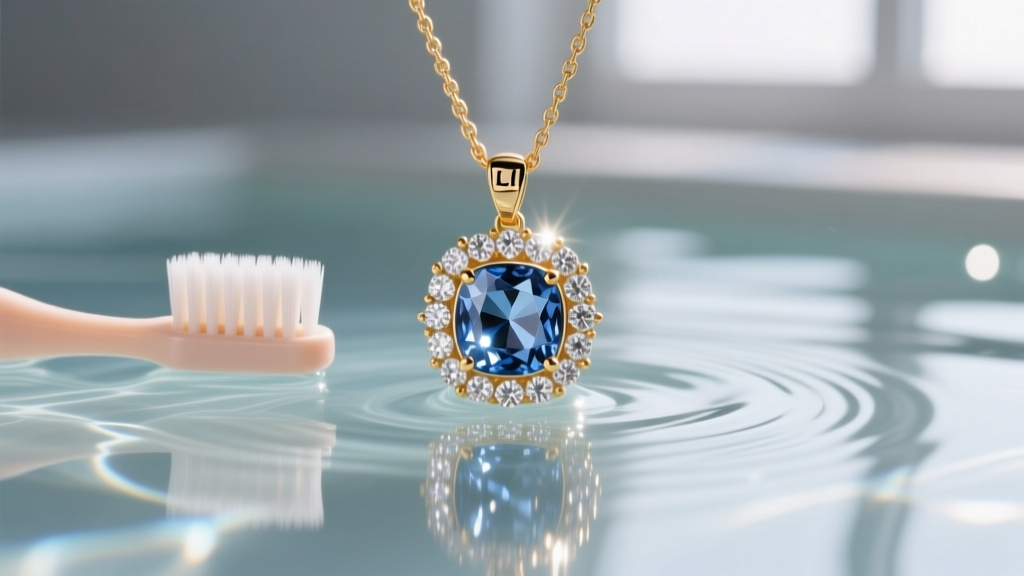
The pavé diamond settings on an LCI necklace are intricate, featuring dozens of micro-prongs holding stones as small as 0.8mm in diameter. Improper cleaning can loosen these prongs or degrade the gold vermeil plating.
The Safe Cleaning Method
Never use ultrasonic cleaners on pavé diamond jewelry. The high-frequency vibrations can easily shake micro-stones out of their prongs. Instead, follow this protocol:
- Mix a few drops of mild, phosphate-free dish soap into a bowl of lukewarm distilled water.
- Submerge the LCI necklace for exactly three minutes to loosen body oils and lotion residue.
- Using an extra-soft baby toothbrush, gently brush the underside of the pendant where the pavé gallery is located.
- Rinse under a slow stream of lukewarm water and pat dry with a lint-free microfiber cloth. Do not rub aggressively, as this can wear down the 2.5-micron vermeil layer over time.
The Baby Powder Untangling Trick
Fine 14k gold and sterling silver chains are notorious for knotting, especially when stored improperly. If your LCI necklace becomes tangled, do not pull at the knots with tweezers, which can stretch and weaken the individual links.
"The most effective way to untangle fine jewelry chains is to reduce the friction between the metal links. A simple dusting of talc-free baby powder or cornstarch acts as a dry lubricant, allowing even the tightest microscopic knots to slide apart with the gentle prodding of two sewing needles."
For long-term storage, always fasten the lobster clasp through the jump ring, and thread the chain through a plastic drinking straw before placing it in an anti-tarnish ziplock bag. This prevents the chain from folding onto itself and eliminates the risk of knots entirely.
Final Thoughts on Investment Care
Whether you own the solid 14k gold version (typically retailing between $450 and $850) or the 18k gold vermeil iteration ($120 to $180), treating your LCI necklace with technical precision ensures its longevity. By adhering to proper spacing when layering, respecting the material limits of vermeil plating, and utilizing friction-reduction techniques for tangles, your signature piece will remain a flawless staple in your jewelry rotation for years to come. For further reading on gemstone and metal maintenance, refer to the comprehensive care guides provided by the Gemological Institute of America (GIA).


