Turkey Spur Necklace Value: Pricing & Material Guide
Discover the true value of a turkey spur necklace. We break down pricing tiers, material grades, and how to spot overpriced rustic jewelry.

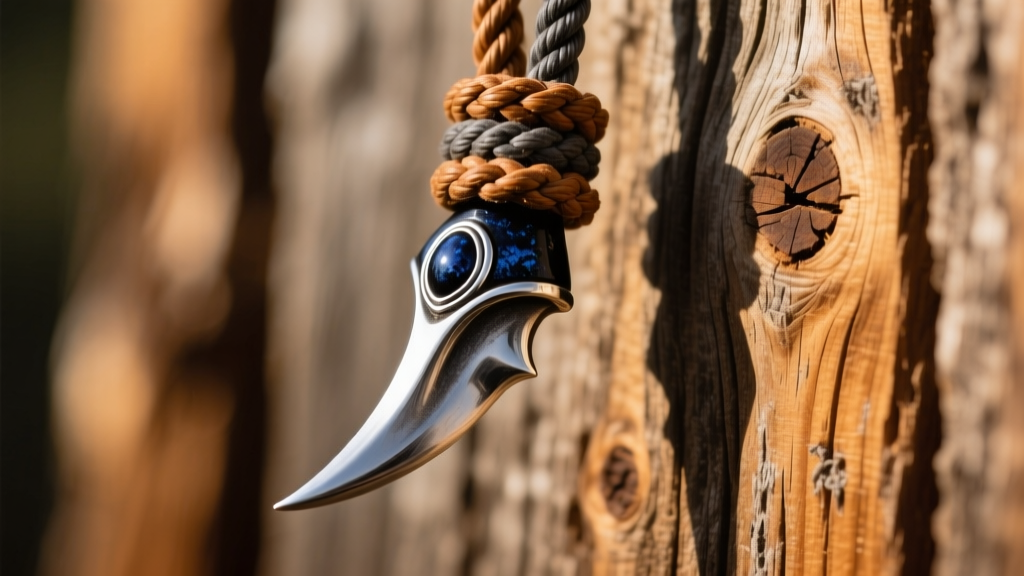
The Commercial Reality: Wild Harvest vs. Replicas vs. Farm-Raised
When evaluating the budget and value of a turkey spur necklace in 2026, the most critical factor is provenance. Many consumers assume they are purchasing a genuine wild-harvested trophy, but wildlife commerce laws tell a different story. Under the U.S. Fish and Wildlife Service Lacey Act guidelines and various state-level Pittman-Robertson regulations, the interstate commercial sale of wild turkey parts is strictly prohibited.
Therefore, the retail market for these necklaces is divided into three distinct categories:
- Cast Replicas: Mass-produced from pewter, zinc alloy, or sterling silver using molds taken from real spurs. These are legally sold everywhere and dominate the e-commerce market.
- Farm-Raised Spurs: Sourced from domestic or game-farm turkeys. These are real organic materials but lack the "trophy" prestige of a wild harvest.
- Custom Hunter Commissions: A hunter supplies their legally harvested, tagged wild turkey spur to a local taxidermist or custom jeweler for personal fabrication. This is a service, not a retail product, and commands the highest price.
Understanding which category you are buying is the first step in assessing whether a piece is fairly priced or a complete rip-off.
Anatomy of the Spur: Keratin, Bone, and Subspecies
A real turkey spur is not solid bone; it is a bony core sheathed in a keratin cap—the exact same protein that makes up human fingernails and rhinoceros horns. Preparing this organic material for jewelry requires meticulous taxidermy-grade degreasing. If the ammonia baths and maceration processes are rushed, residual fats will remain trapped between the bone and the keratin sheath, leading to delamination, yellowing, and a rancid odor within months.
For custom commissions, the subspecies of the turkey dictates the physical dimensions and the resulting jewelry value:
- Eastern & Osceola: The most common. Spurs typically range from 0.75 to 1.25 inches. Excellent for subtle, minimalist pendants.
- Rio Grande & Merriam's: Found in the Midwest and Western mountains. Spurs often reach 1.25 to 1.5 inches, offering a more dramatic, elongated silhouette for wire-wrapping or heavy metal capping.
- Gould's: The rarest subspecies (primarily Mexico and southern Arizona). Spurs frequently exceed 1.5 inches. Custom jewelers charge a 20% to 30% premium for setting Gould's spurs due to their scarcity and impressive length.
2026 Market Pricing & Value Tiers
Use the following matrix to benchmark prices before making a purchase. If a retailer is charging premium prices for base-metal replicas, walk away.
| Tier | Material & Provenance | Price Range | Value Verdict |
|---|---|---|---|
| Entry / Replica | Cast pewter or zinc alloy, synthetic cord | $15 - $35 | Fair for costume wear; poor longevity and zero organic value. |
| Mid-Tier / Farm-Raised | Real farm-raised keratin, brass/copper cap, leather | $45 - $85 | Good value for rustic aesthetics; ethical and legal sourcing. |
| Premium Custom | Harvested trophy (hunter-supplied), 925 silver, stone inlay | $150 - $350+ | Exceptional sentimental and artisan value; heirloom quality. |
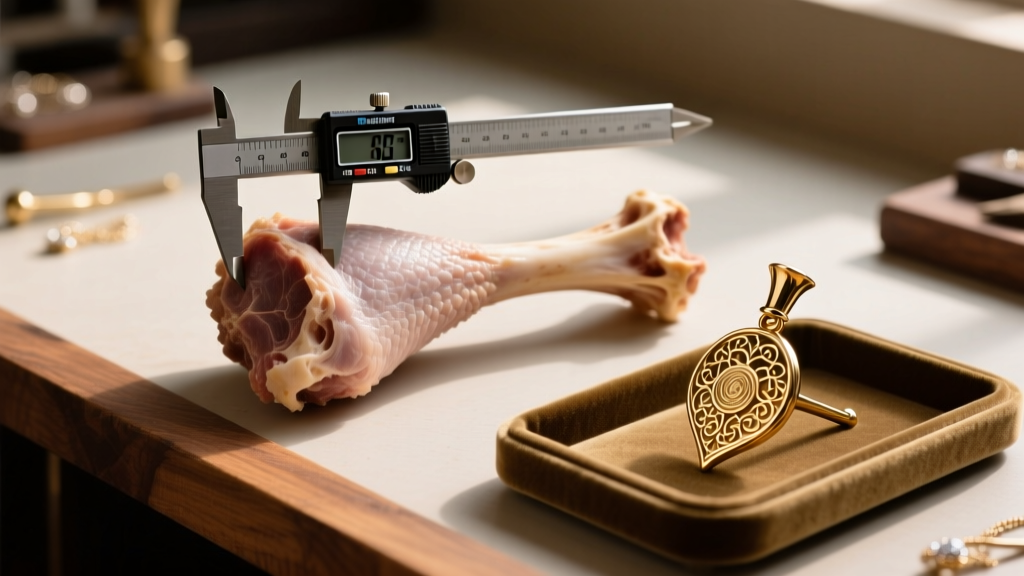
Material Breakdown: Assessing Hardware and Cords
The Spur Cap (Metals & Alloys)
The metal cap serves two purposes: it seals the porous, cut end of the keratin sheath, and it provides a bail for the chain or cord. According to the Federal Trade Commission Jewelry Guides, metals must be accurately stamped and disclosed.
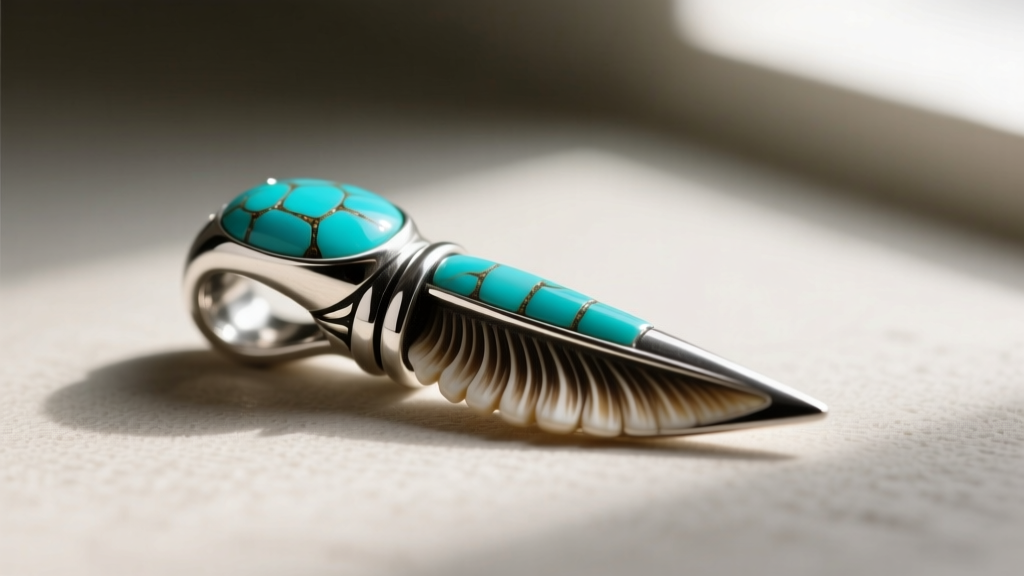
- Sterling Silver (925): The gold standard for premium custom pieces. It resists corrosion, takes a high polish, and pairs beautifully with turquoise or lapis lazuli inlays. Expect to pay $80+ just for the metalwork on a custom cap.
- Solid Brass & Copper: Excellent mid-tier options. They develop a natural patina that complements the rustic nature of the spur. However, copper can cause green skin discoloration if the bail rests directly against the collarbone.
- Zinc Alloy / Pot Metal: Often sold as "antique silver" on discount sites. These are brittle, prone to snapping at the bail loop, and will corrode rapidly when exposed to sweat. Avoid entirely.
The Suspension (Leather vs. Chain)
A heavy, metal-capped spur requires a suspension system with high tensile strength. Waxed kangaroo leather (rated for 150+ lbs of tensile strength) is the superior choice for organic spurs, as it will not rot from ambient moisture. If opting for a metal chain, a 4mm to 5mm sterling silver rolo or Figaro chain is necessary; delicate cable chains will eventually snap under the pendulum weight of a solid bone-and-keratin spur.
Red Flags: How to Spot Overpriced or Poorly Crafted Pieces
When inspecting a turkey spur necklace, look out for these critical failure modes that indicate poor craftsmanship or deceptive marketing:
- Epoxy Overflow: The junction where the metal cap meets the keratin should be seamless. If you see thick, yellowing rings of cyanoacrylate or epoxy glue, the artisan failed to machine the cap to the correct tolerance. This glue will eventually brittle and fail.
- Chalky Keratin Texture: Real, properly sealed keratin should have a slight translucency and a smooth, waxy luster. If the spur looks chalky, opaque, and bone-white, it has been over-bleached with hydrogen peroxide, destroying the structural integrity of the protein matrix.
- "Wild Harvested" Retail Claims: As noted, interstate sale of wild turkey parts is heavily restricted. If an online marketplace vendor claims their mass-produced inventory is "wild-harvested," they are either violating federal law or lying about the provenance. Demand documentation or assume it is farm-raised.
Care and Maintenance for Organic Keratin
Treating a turkey spur necklace like standard metal jewelry will ruin it. Keratin is highly sensitive to UV radiation, extreme dryness, and sudden temperature shifts.
Expert Maintenance Tip: Never use ultrasonic cleaners, silver dip, or harsh chemical polishes on a spur necklace. The chemicals will seep into the microscopic pores of the keratin and cause irreversible delamination from the bony core.
To maintain the piece, wipe the metal cap with a standard jewelry polishing cloth. For the organic spur, apply a micro-thin layer of food-grade mineral oil or specialized antler/horn conditioner once every six months. This prevents the keratin from drying out, cracking, or splitting along the natural growth ridges. Store the necklace in a humidity-controlled environment (ideally 40-50% relative humidity); leaving it in a hot, dry truck dashboard will guarantee structural failure.
Final Verdict: Is a Turkey Spur Necklace Worth the Investment?
The value of a turkey spur necklace is entirely dependent on your intent. If you are looking for a rugged, western-style fashion accessory, a $45 to $85 farm-raised spur with a solid brass cap and a waxed leather cord offers excellent durability and aesthetic value. However, if you are a hunter looking to memorialize a trophy, expect to invest $150 to $300+ into a custom commission featuring 925 sterling silver and precise taxidermy-grade preparation. By understanding the legal boundaries of wildlife commerce and the material science of keratin, you can confidently navigate the market and avoid overpriced, poorly constructed novelties.


