How to Stop Your Knuckle Necklace From Flipping Over
Stop your knuckle necklace from flipping, tangling, or turning your skin green. Expert troubleshooting for heavy streetwear pendants.

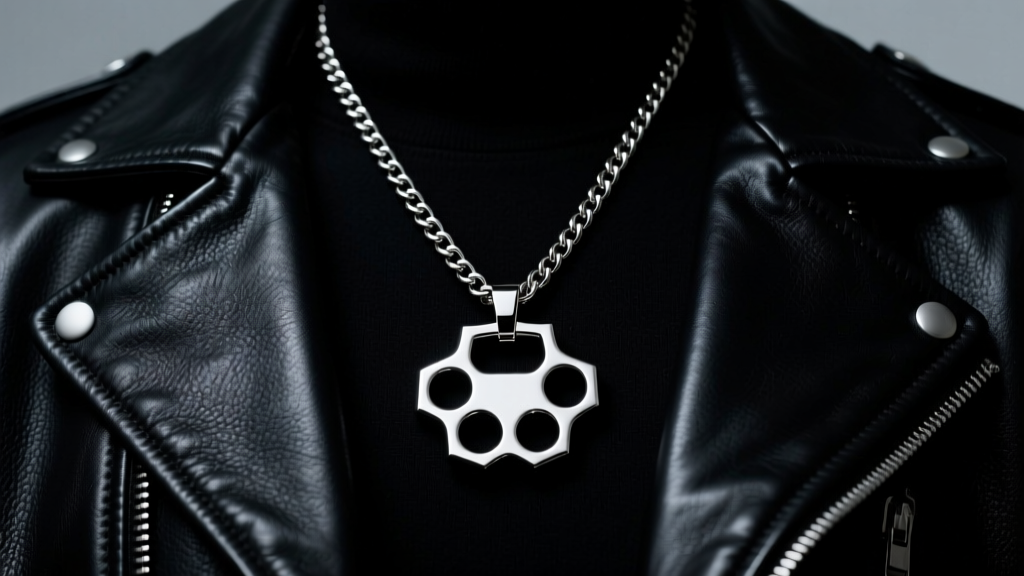
Knuckle necklaces—ranging from heavy brass knuckle-duster pendants to articulated gothic skeleton-hand chains—have cemented their place in streetwear and alternative fashion. As we navigate the bold jewelry trends of 2026, these statement pieces remain a staple for their aggressive, architectural aesthetics. However, their unique structural designs often lead to a host of functional nightmares. If you have ever spent half your day fishing a heavy pendant out from under your shirt, or dealt with an itchy, green-stained collarbone, you are not alone.
Unlike standard teardrop or geometric pendants, knuckle necklaces possess an asymmetrical center of gravity, complex articulated joints, and are frequently cast from reactive base metals. This guide serves as your master troubleshooting manual, providing actionable, jeweler-grade solutions to the most common mechanical and dermatological failures associated with heavy motif necklaces.
The Physics of the Dreaded Pendant Flip
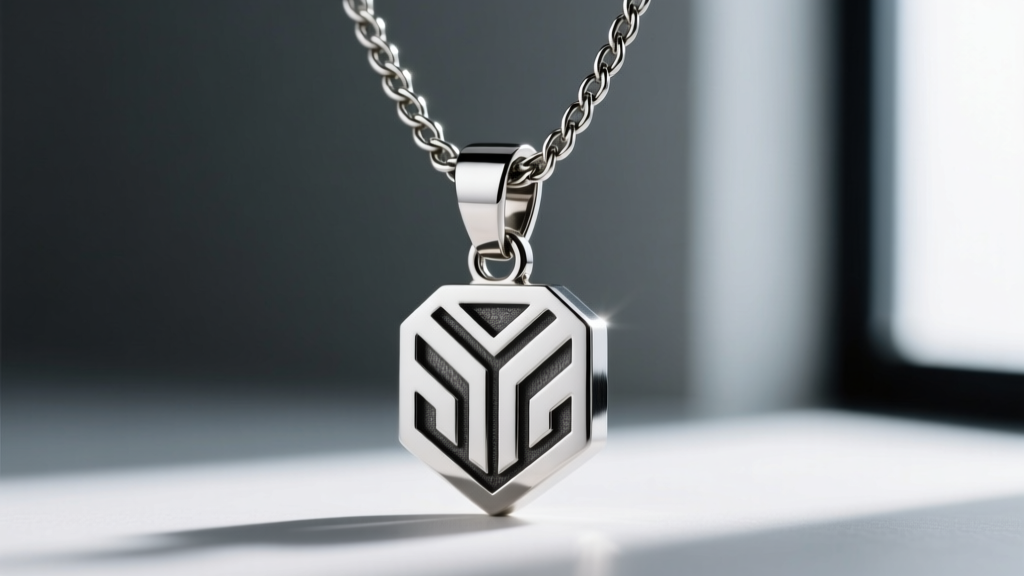
The most pervasive issue with any top-heavy streetwear pendant is the 'pendulum effect.' Because a knuckle duster or skeletal hand motif is wider and denser at the bottom, its center of gravity sits far below the bail (the loop that connects the pendant to the chain). When paired with a smooth, rounded chain like a standard cable or rope chain, the pendant slides to the lowest point of the neck curve and inevitably flips upside down or slides completely behind your neck.
Solution 1: The Friction Bail Modification
The root cause of flipping is a lack of friction between the chain and the bail. Most mass-produced knuckle necklaces feature oversized, polished bails designed to fit thick chains, leaving too much empty space. To fix this without replacing the pendant, introduce a high-friction barrier. Cut a 2mm slice from a clear silicone O-ring or surgical tubing and thread it inside the bail. This creates a rubberized grip against the metal chain, locking the pendant in place while allowing you to manually adjust it when necessary.
Solution 2: Upgrading to a Box or Wheat Chain
Chain geometry dictates movement. Round chains act as tracks, allowing heavy pendants to slide freely. By swapping your chain for a flat-faced Box Chain or a tightly woven Wheat Chain, you introduce angular friction. The flat edges of a 3mm to 4mm box chain catch against the interior of the pendant bail, significantly reducing the pendulum effect and keeping the knuckle motif facing forward.
Skin Irritation and the 'Green Collarbone' Effect
Streetwear jewelry brands frequently prioritize bold, oversized designs over material longevity. To keep costs down while achieving a heavy, substantial feel, many knuckle necklaces are cast from Zamak (a zinc alloy containing aluminum, magnesium, and copper) or cheap pot metals, then flash-plated with a microscopic layer of silver or gold. Once your body heat and sweat wear through this plating—often within a few weeks of daily wear—the underlying copper and nickel are exposed.
The copper reacts with the salts and acids in your sweat to create copper chloride, resulting in the infamous green stain on your skin. Meanwhile, hidden nickel content triggers allergic contact dermatitis, leading to severe itching and rashes. According to the American Academy of Dermatology, nickel and certain base metal alloys are among the leading causes of jewelry-related skin reactions.
Metal Grade Comparison for Heavy Pendants
| Metal / Alloy | Composition | Weight / Density | Skin Safety & Tarnish Risk |
|---|---|---|---|
| Zamak (Zinc Alloy) | Zinc, Aluminum, Copper, Magnesium | Heavy (6.7 g/cm³) | High risk of green staining; plating wears quickly. |
| 316L Surgical Steel | Iron, Chromium, Nickel (bound), Molybdenum | Medium (8.0 g/cm³) | Hypoallergenic for most; highly tarnish-resistant. |
| 925 Sterling Silver | 92.5% Silver, 7.5% Copper | Heavy (10.4 g/cm³) | Safe for skin; will oxidize (blacken) without polishing. |
| Solid Brass / Bronze | Copper and Zinc / Tin | Medium-Heavy | Will patina and stain skin green unless sealed. |
The Polyurethane Barrier Method
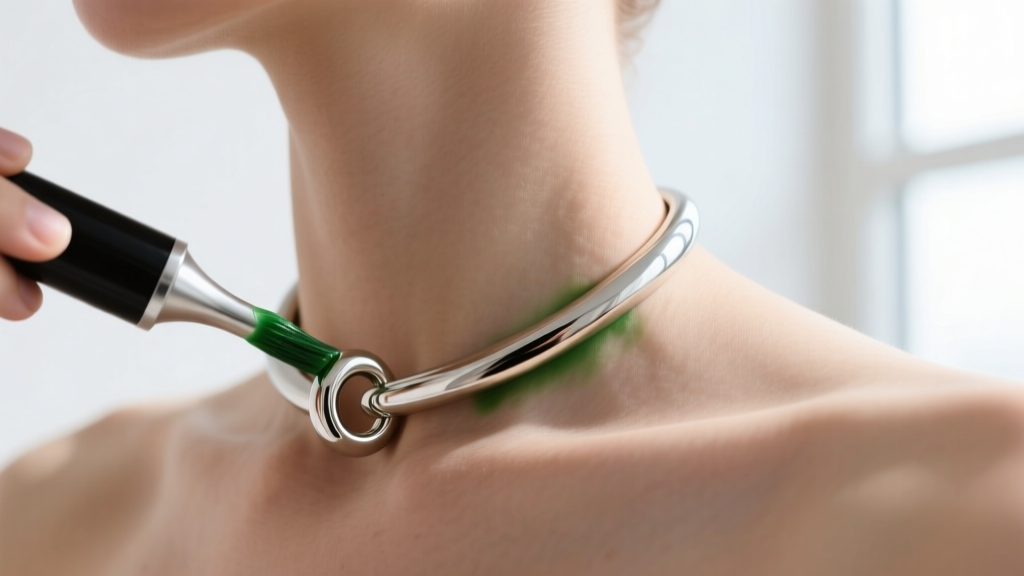
If you own a Zamak or brass knuckle necklace that you love but cannot wear due to skin reactions, you must create a physical barrier. Do not rely on cheap clear nail polish, which yellows and chips within days. Instead, use a brush-on polyurethane sealant or a specialized jewelry coating like ProtectaClear. Apply two thin coats to the back of the pendant and the interior of the bail, allowing 24 hours of curing time between coats. This provides a durable, invisible shield that prevents metal-to-skin contact and halts oxidation.
Articulated Joints: Snagging and Stiffness
High-end gothic and streetwear knuckle necklaces often feature articulated joints—moving finger bones or hinged knuckle-duster grips. While visually striking, these joints are notorious for catching on wool sweaters, knitwear, and even hair. This snagging is rarely a design flaw; it is a manufacturing byproduct of the lost-wax casting process.
Deburring and Micro-Wax Lubrication
When metal is cast, microscopic seams and 'burrs' are left behind where the mold halves met or where the sprue was cut. On a moving joint, these invisible burrs act like tiny hooks. To troubleshoot this:
- Inspect with a Loupe: Use a 10x jeweler's loupe to examine the hinges and gaps between the knuckle joints.
- Fiberglass Scratch Brush: Gently run a fiberglass scratch brush (available from jewelry suppliers like Rio Grande) over the joints. This removes micro-burrs without scratching the primary finish of the pendant.
- Renaissance Wax: Apply a micro-drop of Renaissance Wax or a dry PTFE (Teflon) lubricant into the hinge gaps. Avoid liquid oils like WD-40, which attract dust, turn into a black sludge, and stain your clothing.
Managing Neck Strain and Chain Elongation
A solid metal knuckle duster pendant can easily weigh between 60 and 120 grams. While this heft feels premium in the hand, wearing 100+ grams on a thin chain concentrates all that force onto a single square millimeter of your cervical spine. Over a 12-hour day, this causes localized neck fatigue and, more importantly, causes the chain links to permanently stretch and deform at the clasp and bail.
Weight Distribution Framework
To solve neck strain and protect your chain, you must increase the surface area that bears the load. If your pendant exceeds 80 grams, abandon standard chains entirely. Instead, thread the pendant onto a 5mm to 8mm flat Cuban link chain or a leather cord with a wide steel tube clasp. The wider the chain or cord, the more the weight is distributed across the trapezius muscles rather than digging into the delicate skin at the nape of your neck. Furthermore, always ensure your clasp is a heavy-duty lobster claw or a magnetic neodymium clasp rated for at least 150 grams of tensile strength to prevent catastrophic drops.
Routine Maintenance Checklist
To keep your knuckle necklace looking aggressive and functioning perfectly, adopt this 5-minute monthly maintenance routine:
- Ultrasonic Cleaning (With Caution): If your piece is solid steel or silver, an ultrasonic cleaner will vibrate dirt out of the deep crevices of the knuckle motif. Never use this on plated Zamak or pieces with glued-in gemstones, as the vibrations will strip the plating and shatter the adhesive.
- Clasp Tension Check: Use a pair of flat-nose pliers to gently squeeze the lobster claw clasp, ensuring the spring mechanism hasn't fatigued from the heavy pendulum swinging.
- Anti-Tarnish Storage: Store the necklace in a sealed Mylar bag with a 3M anti-tarnish strip. The sulfur in the ambient air is what causes silver and copper alloys to turn black; removing the air halts the chemical reaction entirely.
By understanding the mechanical physics and metallurgical realities of your jewelry, you can transform a frustrating, unruly knuckle necklace into a flawless, comfortable centerpiece of your daily wardrobe.