Budget Necklace Stack Ideas: Maximize Value and Style
Discover budget necklace stack ideas that maximize value. Learn cost-per-wear analysis, material comparisons, and strategic layering under $150.

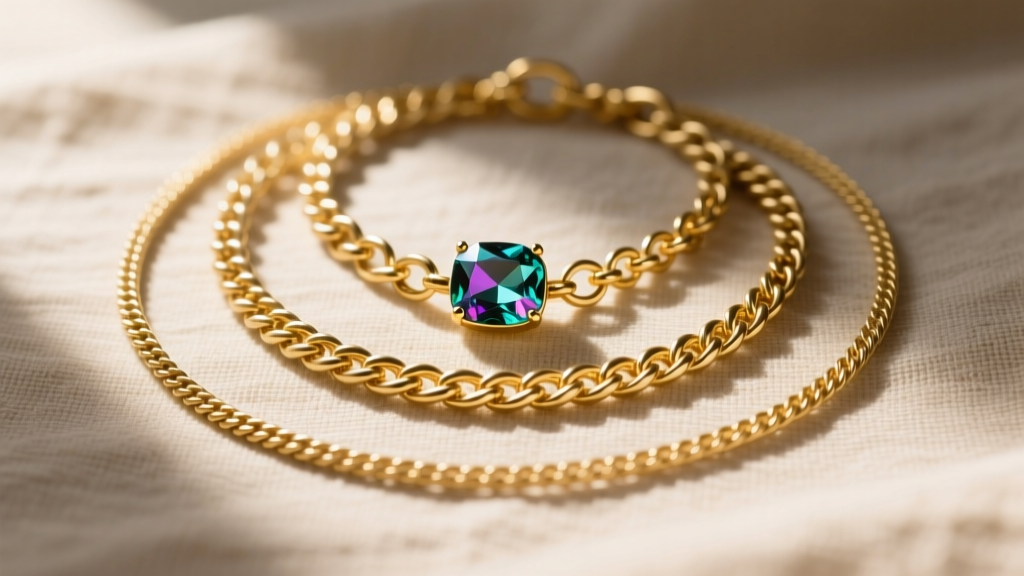
Building a curated, luxurious-looking jewelry collection does not require an unlimited bank account. In the 2026 jewelry market, the most stylish consumers are no longer chasing fast-fashion trends that tarnish in a week, nor are they exclusively buying solid 24k gold. Instead, the smartest approach to layering lies in strategic material mixing and rigorous cost-per-wear analysis. If you are searching for necklace stack ideas that look expensive but respect your budget, you must treat your jewelry box like an investment portfolio.
This comprehensive guide breaks down the economics of layering, providing actionable frameworks to build high-impact necklace stacks for under $150. We will evaluate material longevity, hardware quality, and the hidden costs of poor proportions to ensure every dollar you spend translates into lasting style.
The Economics of Layering: Cost-Per-Wear Analysis
Before diving into specific aesthetic combinations, we must establish a financial baseline. The jewelry industry often obscures true value behind brand markups. To counter this, professional stylists use the Cost-Per-Wear (CPW) metric.
Consider two common purchasing paths:
- The Fast-Fashion Stack: You buy three gold-plated brass chains from a mall retailer for $45 total. Due to sweat and friction, the plating wears off in three months (roughly 30 wears). Your CPW is $1.50 per wear, and the necklaces are now unwearable trash.
- The Strategic Stack: You invest $120 in high-quality 14k gold-filled and PVD-coated chains. You wear them 300 days a year for three years (900 wears). Your CPW drops to $0.13 per wear, and the pieces still look pristine.
When evaluating budget necklace stack ideas, always prioritize the base chains. Pendants can be swapped, but your foundational chains bear the brunt of physical friction and environmental exposure.
Material Value Matrix: Where to Spend and Save
Understanding metallurgy is the ultimate budget hack. The Federal Trade Commission (FTC) strictly regulates jewelry terminology, and knowing these definitions prevents you from overpaying for inferior precious metal coatings.
| Material Grade | Typical Price Range | Lifespan (Daily Wear) | Best Stack Position |
|---|---|---|---|
| Solid 14k Gold | $250 - $600+ | Lifetime (Generations) | Hero piece / Bottom layer |
| 14k Gold-Filled (1/20) | $45 - $95 | 3 - 10 Years | Base chains / Middle layers |
| Heavy Gold Vermeil | $60 - $130 | 1 - 3 Years | Pendants / Occasional wear |
| PVD Stainless Steel | $20 - $45 | 5+ Years (Waterproof) | Chokers / High-friction base |
| Electroplated Brass | $10 - $30 | 1 - 6 Months | Avoid for daily layering |
Pro-Tip: According to the Gemological Institute of America (GIA), gold-filled jewelry must contain a gold layer that constitutes at least 1/20th of the total weight of the item. This mechanical bonding makes it exponentially more durable than chemical electroplating, making 14k gold-filled the undisputed champion of budget layering.
Strategic Necklace Stack Ideas for Under $150
Armed with material knowledge, let us construct two distinct, high-value stacks that maximize visual impact while minimizing financial outlay.
Stack 1: The "Base + Hero" Minimalist ($125 Total)
This stack relies on varying textures rather than adding excessive pendants, which keeps costs low and tangling to a minimum.
- Layer 1 (16-inch): 1.2mm PVD Gold Stainless Steel Cable Chain ($25). The PVD coating ensures it survives daily showers and gym sessions without fading.
- Layer 2 (18-inch): 14k Gold-Filled 2.5mm Rope Chain ($65). The twisted links catch the light beautifully, providing the illusion of solid gold weight.
- Layer 3 (20-inch): 14k Gold Vermeil Coin Pendant on a 1.0mm link chain ($35). The vermeil is safe here because pendants experience less skin friction than chains.
Stack 2: The Mixed-Metal Arbitrage ($90 Total)
Mixing metals is a massive trend in 2026, and it is highly cost-effective because it allows you to buy from different, more affordable inventory pools.
- Layer 1 (15-inch Choker): Oxidized Sterling Silver 1.5mm Box Chain ($40). The darkened crevices hide dirt and oils, making it virtually maintenance-free.
- Layer 2 (17-inch): 14k Gold-Filled 1.8mm Figaro Chain ($50). The alternating long and short links create a striking contrast against the darkened silver.
The Hidden Cost of Bad Proportions: Gauge and Length Rules
The fastest way to ruin a budget stack is through severe tangling, which leads to stretched links and broken clasps. To prevent this, apply the 2-Inch / 0.8mm Rule:
Always separate your chains by exactly 2 inches in length, and ensure the wire gauge (thickness) varies by at least 0.8mm. If a 16-inch chain is 1.2mm thick, the 18-inch chain must be at least 2.0mm thick. Identical gauges and link styles will braid together like a rope within hours of wear.
Hardware & Findings: The True Indicator of Value
When assessing budget-friendly jewelry, ignore the pendant for a moment and inspect the clasp. Hardware is where corner-cutting brands reveal themselves.
- Spring Ring Clasps: Common on pieces under $30. They feature a tiny, fragile internal spring that easily snaps. Avoid these for heavy layered stacks.
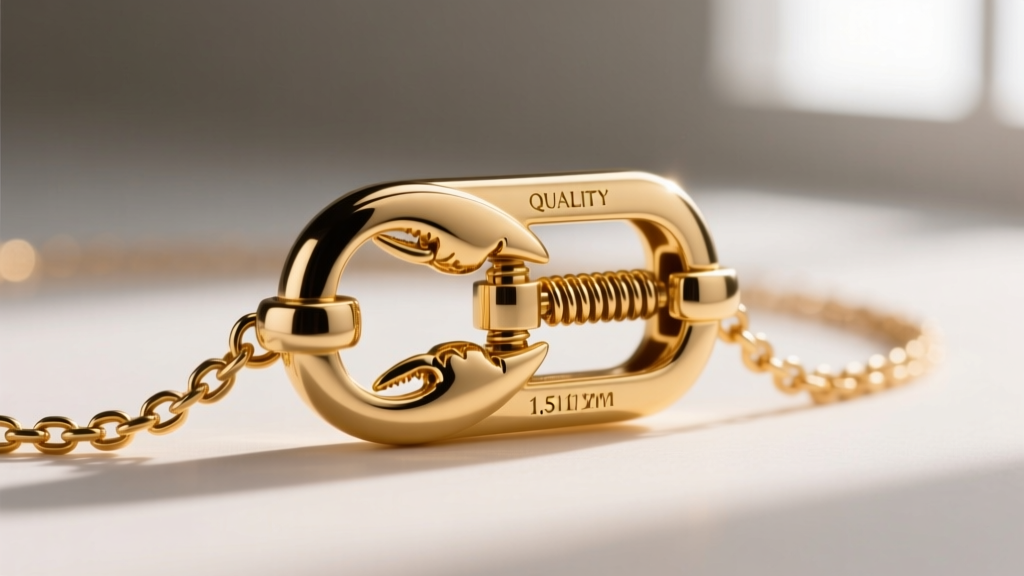
- Lobster Clasps: The standard for mid-tier value. They offer a secure grip and are easier to operate when stacking multiple chains.
- Soldered Jump Rings: Check the small ring connecting the clasp to the chain. If there is a visible slit, it will eventually pull apart under the weight of a stack. High-value budget brands will use soldered (welded shut) jump rings.
Maintenance Costs: The Hidden Budget Killer
A cheap necklace stack is only cheap on the day you buy it. The long-term maintenance costs of inferior materials will quickly eclipse your initial savings.
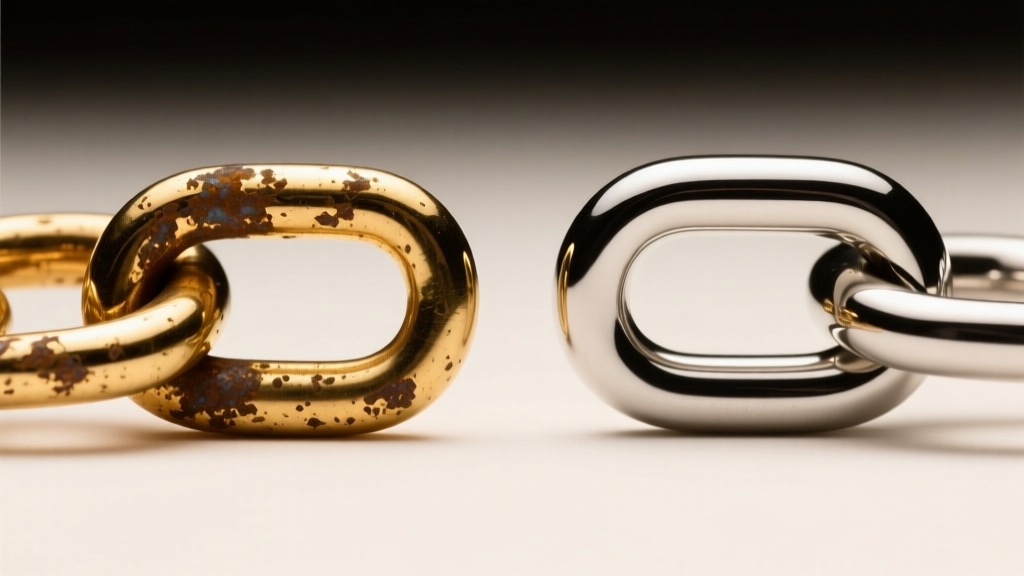
Vermeil and standard gold-plated pieces require careful maintenance. You cannot wear them in the pool, you must wipe them down after sweating, and eventually, you will need to pay a jeweler $40 to $80 to have them re-plated. Conversely, a PVD-coated stainless steel base chain requires zero maintenance—it can be worn in saltwater and cleaned with standard soap. By allocating your budget toward advanced metallurgical coatings for your base layers, you effectively eliminate the "jewelry maintenance tax."
Final Verdict: Building a Sustainable Stack
Mastering budget necklace stack ideas is not about finding the cheapest options; it is about identifying where the true value lies. By anchoring your stack with indestructible PVD chains, elevating the mid-layer with FTC-compliant 14k gold-filled ropes, and reserving delicate vermeil for low-friction hero pendants, you achieve a luxury aesthetic that survives the realities of daily life. Calculate your cost-per-wear, respect the physics of chain gauges, and your jewelry collection will look like a million dollars—even if it only cost a fraction of that.


