How to Find a Pretty Necklace on a Budget That Lasts
Discover how to find a pretty necklace on a budget without sacrificing quality. Learn metal grades, plating thickness, and value assessment tips.

The Fast Fashion Jewelry Trap: Why Cheap Pieces Fail
Searching for a pretty necklace often leads to a frustrating cycle of buying, wearing, and discarding. You find a stunning, affordable piece online, wear it a dozen times, and then watch the gold tone rub off to reveal a dull, greenish-gray base metal underneath. In 2026, the market is flooded with 'demi-fine' marketing buzzwords, making it harder than ever to separate genuine value from clever branding. To make a smart budget assessment, you must look past the initial aesthetic and evaluate the structural integrity of the materials.
The primary culprit behind ruined jewelry is the base metal. Most ultra-cheap necklaces are cast from brass, copper, or nickel alloys. When these metals are exposed to the natural acids in your sweat, lotions, and perfumes, they oxidize rapidly. This chemical reaction not only degrades the thin flash-plating on the surface but also leaves a dark green or black residue on your collarbone. A truly valuable budget piece avoids these reactive base metals entirely, opting instead for stable foundations like sterling silver or jeweler's brass, coated with substantial layers of precious metal.
Decoding Metal Grades: What You Are Actually Paying For
When evaluating a pretty necklace, the terminology used to describe the gold or silver finish dictates its lifespan and ultimate value. The Federal Trade Commission (FTC) strictly regulates these terms, yet many fast-fashion brands skirt the edges of these definitions. Understanding the exact micron thickness and base requirements is your best defense against overpaying for inferior goods.
Gold Plated vs. Gold Vermeil vs. Gold Filled
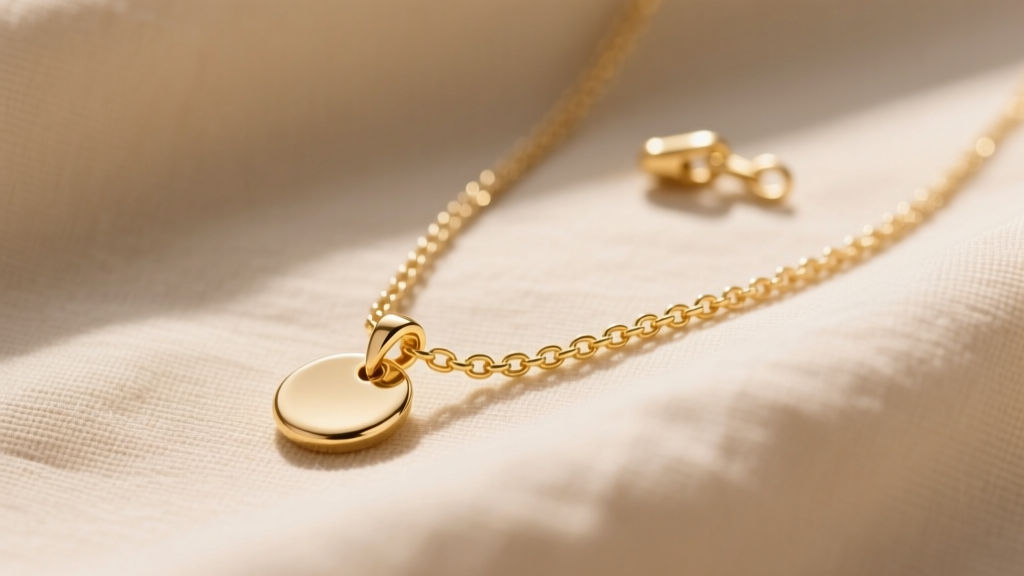
Standard 'gold plated' jewelry typically features a microscopic layer of gold (often less than 0.5 microns) electroplated over a brass base. It is the least durable option. 'Gold vermeil' (pronounced ver-may), on the other hand, is a premium alternative. By FTC standards, vermeil must have a sterling silver base and a gold layer of at least 2.5 microns thick. This provides a hypoallergenic foundation and a much richer, longer-lasting gold tone.
Pro Tip: Always check the product specifications for the exact micron count. If a brand advertises 'heavy gold plate' but refuses to disclose the micron thickness or base metal, assume it is standard flash-plated brass.
'Gold filled' jewelry represents the pinnacle of non-solid gold value. It is created by mechanically bonding a thick layer of 12k or 14k gold to a brass core using heat and pressure. The gold layer must constitute at least 1/20th (5%) of the total weight of the item. Gold filled chains and pendants can easily last decades with proper care, making them the ultimate budget-friendly investment.
| Metal Type | Base Material | Gold Thickness | Expected Lifespan | 2026 Price Range |
|---|---|---|---|---|
| Flash Plated | Brass/Copper | < 0.5 microns | 1-3 months | $15 - $35 |
| Gold Vermeil | Sterling Silver | 2.5+ microns | 2-5 years | $60 - $150 |
| Gold Filled | Jeweler's Brass | 1/20th (5%) total weight | 10-30 years | $80 - $200 |
| Solid 10k/14k | Gold Alloy | Solid | Lifetime | $250+ |
The Hardware Test: Spotting Hidden Weaknesses
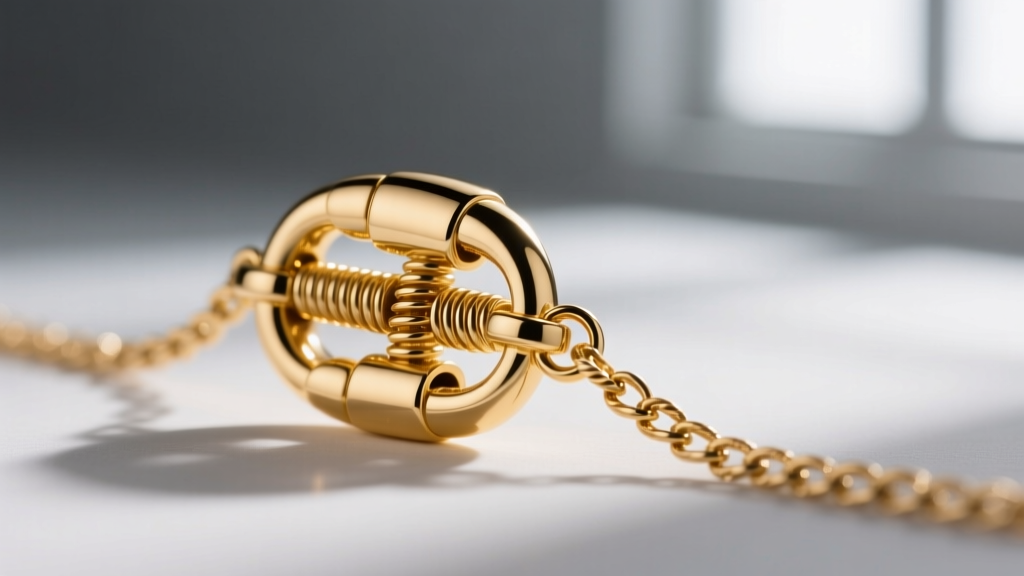
A pretty necklace is only as strong as its weakest link, which is almost always the hardware. Budget manufacturers frequently cut costs on clasps and jump rings, leading to lost pendants and broken chains. When assessing value, examine the clasp type. Spring ring clasps are notoriously fragile; the tiny internal spring often fails, or the small lever becomes too stiff to operate. Always opt for a lobster clasp, which features a more robust internal mechanism and a larger surface area for secure attachment.
Equally important is the jump ring—the small circular loop that connects the clasp to the chain or holds the pendant in place. On cheap necklaces, these rings are simply bent into a circle, leaving a tiny gap. Over time, the friction of daily wear pulls the gap open, and the necklace slips off. High-value budget pieces will feature 'soldered' jump rings, meaning the gap has been fused shut with a laser or torch, rendering it physically impossible to pull apart under normal tension.
Gemstone Value: Lab-Grown vs. Simulated
If your ideal pretty necklace includes a sparkling centerpiece, you must navigate the complex world of gemstones. Cubic Zirconia (CZ) has long been the default budget diamond simulant. While CZ offers initial brilliance, it ranks at 8-8.5 on the Mohs hardness scale. More importantly, CZ is highly porous and prone to absorbing oils and lotions, causing it to become cloudy and dull within six months of daily wear.
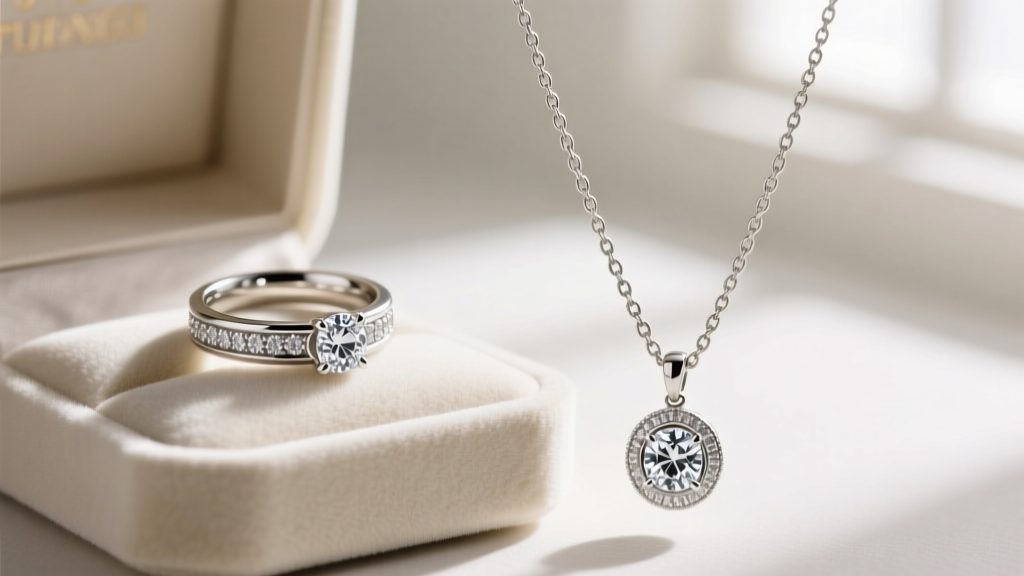
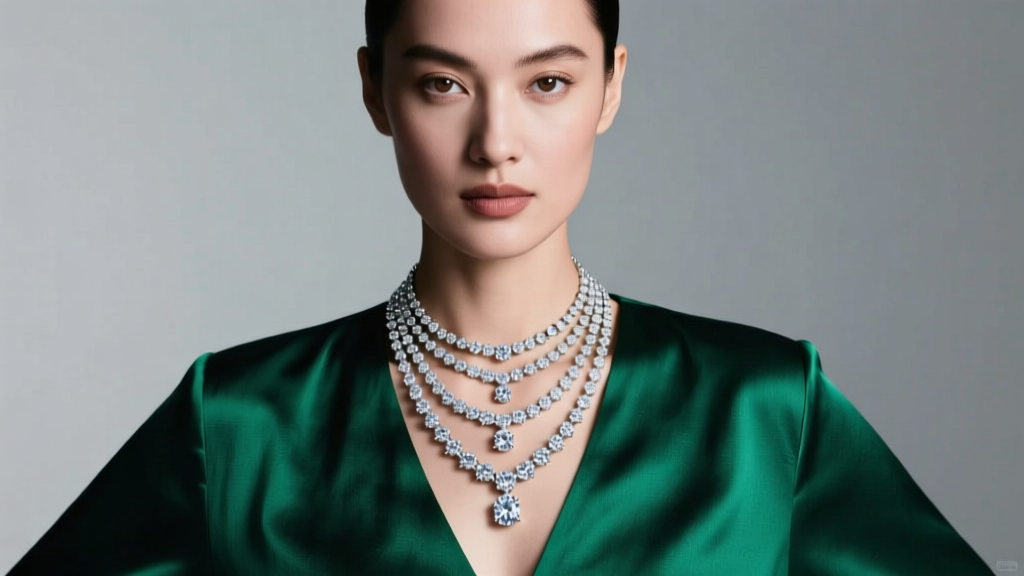
In 2026, the smartest budget buyers have pivoted to lab-grown diamonds and lab-created moissanite. According to the Gemological Institute of America (GIA), lab-grown diamonds possess the exact same physical, chemical, and optical properties as mined diamonds. Because they rank at a perfect 10 on the Mohs scale, they will never scratch or cloud from daily abrasion. The wholesale price of lab-grown diamonds has dropped significantly over the last few years, meaning you can now purchase a genuine 0.25-carat lab-grown diamond solitaire pendant for under $150—a massive value upgrade over a brass-backed CZ piece that will eventually end up in a landfill.
Chain Gauge and Proportions
The thickness of the chain, measured in millimeters or gauge, heavily influences both the aesthetic and the durability of the necklace. A delicate 0.5mm cable chain looks elegant but is highly susceptible to snapping if it catches on a sweater or gets pulled. For a balance of dainty aesthetics and structural integrity, look for chains in the 0.8mm to 1.2mm range. Box chains and wheat chains in these gauges offer exceptional tensile strength while maintaining a refined, feminine profile that easily layers with other pieces.
Final Verdict: Maximizing Your Jewelry Budget
Finding a pretty necklace that holds its value requires a shift in mindset. Instead of buying five $20 flash-plated chains that will tarnish by the end of the season, pool that $100 budget into a single, well-constructed gold vermeil or gold-filled piece with a lab-grown gemstone. By prioritizing sterling silver or jeweler's brass bases, checking for soldered jump rings, and demanding proper micron thickness, you can build a lasting, high-quality jewelry collection that defies the fast-fashion cycle.