Budget Shiny Necklace Guide: Materials That Won't Tarnish
Discover how to choose a budget-friendly shiny necklace that lasts. We compare PVD steel, rhodium brass, and Argentium silver for maximum value.

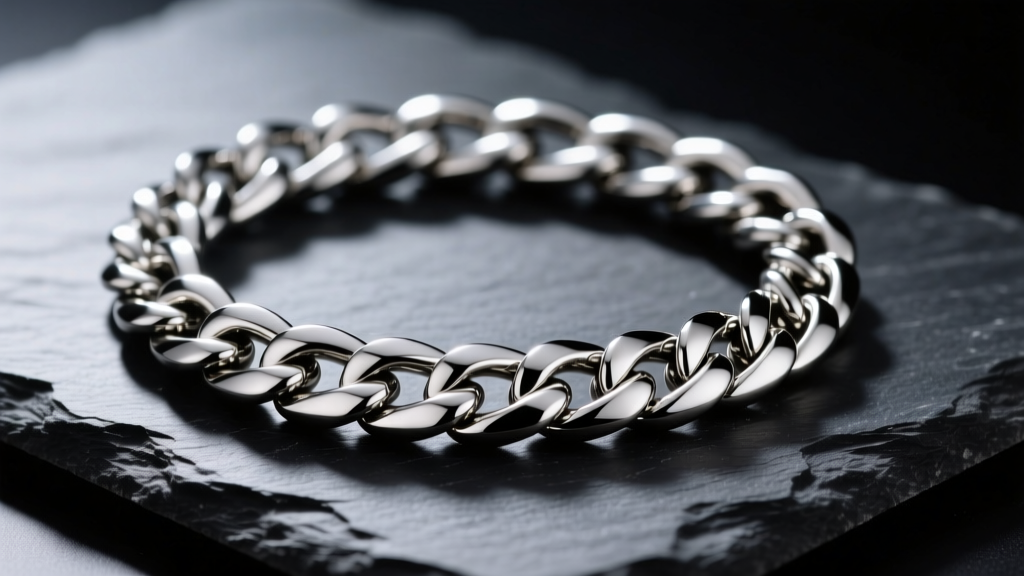
The Illusion of the Budget Shiny Necklace
Every jewelry lover knows the frustration: you purchase a stunning, highly reflective piece on a budget, only to watch it dull, oxidize, or turn your skin green within weeks. The search for the perfect budget-friendly shiny necklace is often fraught with misleading marketing terms like "silver-plated" or "tarnish-resistant." As we navigate the 2026 jewelry market, manufacturing technologies have evolved, making it entirely possible to achieve high-end brilliance without the luxury price tag. However, assessing the true value requires looking past the initial sparkle and understanding the metallurgy beneath the surface.
When evaluating affordable jewelry, the most critical metric is not the upfront cost, but the cost-per-wear. A $20 necklace that loses its luster after five wears costs you $4 per wear. Conversely, a $60 necklace that maintains its mirror finish for three years of daily wear costs pennies per use. This guide breaks down the exact materials, plating techniques, and structural red flags you need to know to make a mathematically sound jewelry investment.
Material Breakdown: What Actually Stays Shiny?
To find a shiny necklace that respects your budget, you must understand how light reflects off different metals and how manufacturers protect those surfaces from oxygen and sulfur in the environment.
PVD-Coated Stainless Steel (The Modern Budget King)
Physical Vapor Deposition (PVD) has completely disrupted the affordable jewelry market. Unlike traditional wet electroplating, PVD occurs in a vacuum chamber where titanium nitride (TiN) or zirconium is vaporized and bonded to a 316L surgical stainless steel base at a molecular level. As of 2026, the scaling of PVD facilities has dropped the retail price of these chains from the $80 range down to $25–$45.
- Thickness: High-quality PVD coatings range from 0.1 to 0.5 microns. Anything under 0.1 microns is essentially decorative dust and will wear off at the clasp within months.
- Shine Factor: PVD creates a harder, more reflective surface than traditional gold or silver plating, often mimicking the sharp, cold brilliance of white gold or platinum.
- Failure Mode: PVD does not flake or peel. It slowly wears away through high-friction areas (like the clasp rubbing against a chain link) over 2 to 5 years.
Rhodium-Plated Brass (The High-End Illusion)
Rhodium is a platinum-group metal renowned for its blinding, mirror-like shine. Many mid-tier brands use a brass base (an alloy of copper and zinc) and flash-plate it with rhodium. While initially breathtaking, this combination has a fundamental metallurgical flaw.
According to the Federal Trade Commission (FTC) Jewelry Guides, manufacturers must disclose base metals, but they rarely disclose the thickness of the rhodium layer. Budget rhodium plating is usually a microscopic 0.05 microns. Because brass expands and contracts with temperature changes at a different rate than rhodium, micro-pores form in the plating. Once moisture and oxygen breach these pores, the copper in the brass oxidizes, creating a green or black tarnish that bleeds through the shiny surface.
Argentium Silver (The Premium Solid Upgrade)
If you prefer solid metal over plated alternatives, standard 925 sterling silver is notorious for tarnishing due to its 7.5% copper content. Enter Argentium Silver. This modern alloy replaces a portion of the copper with germanium. According to the Gemological Institute of America (GIA), the germanium forms a transparent, self-healing oxide layer on the surface that actively blocks sulfur from reaching the silver beneath.
While slightly more expensive than PVD steel (typically $60–$150 for a standard pendant chain), Argentium offers a deep, luminous shine that is entirely solid. If it scratches, it can be polished back to a mirror finish indefinitely, offering infinite cost-per-wear value.
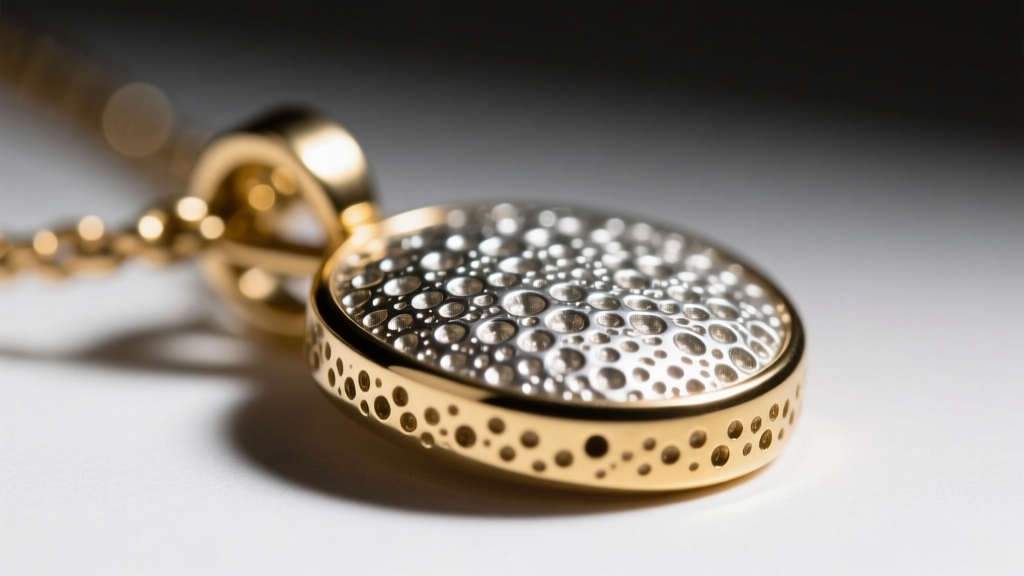
Value Assessment Matrix: Price vs. Shine Longevity
Use this comparative matrix when shopping to quickly assess whether a retailer's pricing aligns with the actual material science of the piece.
| Material / Coating | Base Metal | Avg Price Range | Shine Lifespan | Primary Failure Mode |
|---|---|---|---|---|
| PVD Silver/White Gold | 316L Surgical Steel | $25 - $60 | 2 - 5 Years | Friction wear at high-contact joints |
| Rhodium Flash Plating | Brass (Cu/Zn) | $30 - $85 | 6 - 18 Months | Micro-pore oxidation and flaking |
| Argentium 935 | Solid Silver/Germanium | $65 - $150 | Lifetime (Polishable) | Surface scratching (repairable) |
| E-Coated / Acrylic | Zinc Alloy / Pewter | $10 - $25 | 1 - 4 Months | Peeling, yellowing, and chipping |
Red Flags: Cheap Alloys Disguised as Shine
When hunting for a budget-friendly shiny necklace, certain marketing terms should immediately signal poor long-term value. Avoid these materials if you want lasting brilliance:
- "Tibetan Silver" or "Tribal Silver": These contain zero actual silver. They are typically zinc alloys mixed with nickel and lead. The initial shiny grey finish is achieved through chemical brightening and clear-coating, which chips rapidly and poses severe allergy risks.
- "Nickel Silver": Another deceptive term. This is an alloy of copper, nickel, and zinc. It polishes to a bright shine but will aggressively tarnish to a dull brown and cause contact dermatitis in sensitive wearers.
- Acrylic Clear Coats (E-Coating): Some ultra-budget brands dip shiny zinc chains in a clear acrylic resin to prevent tarnish. This creates a plastic-like sheen rather than a metallic brilliance. Once the acrylic scratches, moisture gets trapped underneath, accelerating rapid decay.
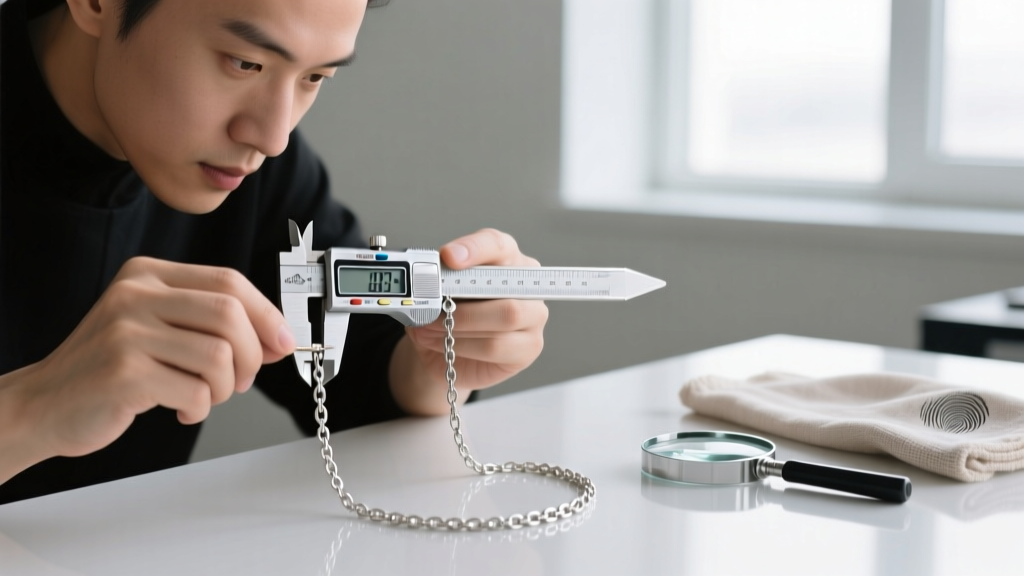
How to Test Shine and Plating Quality In-Store
If you are evaluating a shiny necklace in a physical boutique or a pop-up market, rely on these tactile and visual tests to gauge manufacturing integrity:
- The Clasp Test: Examine the clasp. High-quality budget brands will use a solid stainless steel lobster clasp on PVD chains. If the chain is shiny but features a cheap, hollow spring-ring clasp made of a different, slightly yellower metal, the manufacturer cut corners on the findings, indicating a likely micro-thin plating on the chain itself.
- The Reflection Distortion Test: Hold the necklace taut and look at your reflection in the flat links. High-quality PVD and solid Argentium will reflect a crisp, undistorted image. If the reflection looks slightly wavy or cloudy, the base metal was poorly polished before plating, meaning the plating will adhere poorly and flake off prematurely.
- The Weight Check: Brass and steel have a satisfying, dense drape. Zinc alloys and hollow aluminum feel unnaturally light. While lightness is comfortable, it often correlates with porous base metals that outgas and cause plating bubbles.
Maintenance Hacks to Extend Your Budget Investment
Even the best budget materials require specific care to maintain their optical brilliance. The most common mistake consumers make is using traditional silver dip or ultrasonic cleaners on plated jewelry. Ultrasonic frequencies will literally shake thin rhodium layers off a brass base, and chemical dips will strip PVD coatings, leaving a dull grey steel core.
Instead, wash your shiny necklaces weekly in a solution of warm water and a single drop of phosphate-free dish soap. Use a microfiber cloth to gently buff the links dry. When storing, always include a 3M anti-tarnish strip in the jewelry box. These strips absorb ambient sulfur and hydrogen sulfide in the air, effectively pausing the oxidation clock for any exposed base metals at the clasp joints.
Final Verdict: Where to Put Your Money
If your strict budget is under $50, PVD-coated 316L stainless steel is the undisputed champion of value. It offers a brilliant, hypoallergenic shine that survives showers, sweat, and daily friction far better than any traditional electroplated alternative. If your budget can stretch to the $70–$100 range, bypass plated items entirely and invest in a solid Argentium Silver chain. It provides the authentic, deep optical properties of precious metal with a modern, tarnish-resistant alloy composition that will literally last a lifetime with minimal upkeep. By prioritizing material science over flashy packaging, you can build a collection of radiant, enduring necklaces without compromising your finances.


