Best Silver Necklace for Kid Boy: Budget & Value Guide
Discover the true value of a silver necklace for kid boy. Compare 925 sterling vs. plated, analyze chain durability, and find the best budget tiers.


The True Cost of a Silver Necklace for Kid Boy: Beyond the Price Tag
When shopping for a silver necklace for kid boy, the initial price tag is rarely the full story. Active boys put jewelry through extreme stress tests—tugging, swimming, sleeping, and playground acrobatics. A $12 silver-plated chain might seem like a budget-friendly win, but if it snaps in a week, turns the child's skin green, or triggers contact dermatitis, its actual cost-per-wear is disastrous. Conversely, investing in a properly crafted solid 925 sterling silver piece offers long-term value, repairability, and safety.
In this comprehensive budget and value assessment, we break down the metallurgy, chain mechanics, and safety hardware of boys' silver necklaces. Our goal is to help you identify the 'sweet spot' where upfront cost meets lifelong durability, ensuring you don't overpay for brand names or underpay for hazardous materials.
Material Breakdown: Sterling Silver vs. Plated Alternatives
The children's jewelry market is flooded with misleading terminology. 'Silver-tone,' 'silver-filled,' and 'silver-plated' are frequently marketed alongside genuine sterling silver, creating confusion for budget-conscious parents. According to the Gemological Institute of America (GIA), genuine sterling silver must contain exactly 92.5% pure silver and 7.5% alloy (usually copper). Fine silver (99.9%) is too soft for children's chains and will stretch or snap under minimal tension.
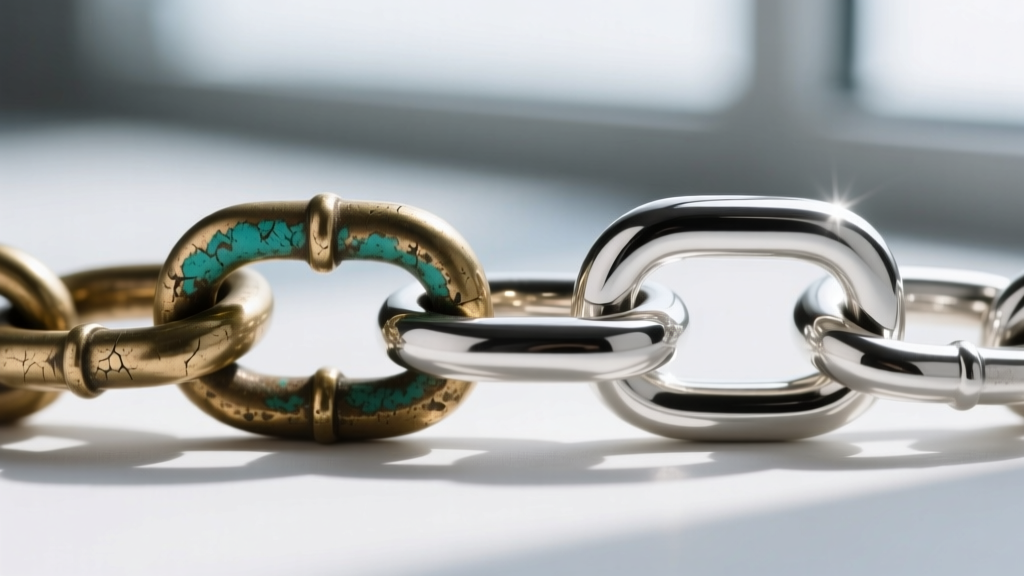
The hidden danger in budget silver-plated chains lies in the base metal. To keep costs low, manufacturers often use brass or zinc alloys, and critically, a nickel underlayer to make the silver plating adhere better. Nickel is a primary culprit for allergic contact dermatitis, affecting up to 15% of children. When the microscopic silver plating wears off from friction and sweat, the nickel is exposed directly to the skin.
| Feature | 925 Sterling Silver | Silver-Plated Brass | Stainless Steel (Mis-sold) |
|---|---|---|---|
| Core Material | 92.5% Silver, 7.5% Copper | Brass/Zinc Alloy | Iron/Chromium/Nickel |
| Hypoallergenic? | Mostly Yes (Nickel-free) | No (Nickel Underlayer) | No (Contains Nickel) |
| Tarnish Risk | Moderate (Sulfides) | High (Base metal bleeds) | None |
| Repairability | Easily Soldered | Impossible to Solder | Requires Laser Welding |
| Avg. Price (16') | $25 - $65 | $8 - $18 | $10 - $20 |
Chain Styles and Gauge Sizes: What Survives the Playground?
The structural integrity of a silver necklace for a kid boy depends heavily on the chain style and the wire gauge (thickness). Budget chains often cut costs by using ultra-thin wires, resulting in chains that look substantial from a distance but lack tensile strength.
The Gauge Sweet Spot
For boys aged 5 to 12, a chain thickness between 1.8mm and 2.5mm is the ideal value bracket. Anything under 1.5mm (like standard cable chains) will snap if a child pulls on it with just 3 to 5 pounds of force. Anything over 3.0mm becomes heavy, expensive, and looks disproportionate on a child's neck.
Style Durability Rankings
- Curb Chains (High Value): The interlocking, flattened links lay flat against the chest and resist twisting. A 2.0mm sterling curb chain offers exceptional tensile strength and is highly resistant to kinking.
- Figaro Chains (Medium Value): A variation of the curb with a pattern of three small links and one long link. Slightly more prone to catching on shirt collars, but visually appealing and structurally sound.
- Box Chains (Low Value for Kids): While they look modern, the square links are hinged at microscopic pivot points. If a box chain is bent or crushed during sports, the links kink and are nearly impossible to repair without replacing the entire section.
- Cable Chains (Low Value for Active Boys): The classic oval link. Unless soldered individually (which pushes the price well over $80), unsoldered cable chains will easily pull apart at the oval joints when tugged.
Safety First: Clasp Mechanics and Choke Hazards
The clasp is the most critical safety component on any child's necklace. The U.S. Consumer Product Safety Commission (CPSC) strictly monitors children's jewelry for lead content and choking hazards, but clasp tension is equally vital for preventing strangulation.
Spring Ring Clasps: These are the cheapest to manufacture and are found on 90% of budget chains. They rely on a tiny internal steel spring that frequently rusts or breaks when exposed to pool chlorine or sweat. They are a poor long-term value.
Lobster Clasps: More secure and easier to grip than spring rings, but they do not yield. If a 6-year-old gets their necklace caught on a playground fence, a solid lobster clasp will not open, posing a severe choking hazard.
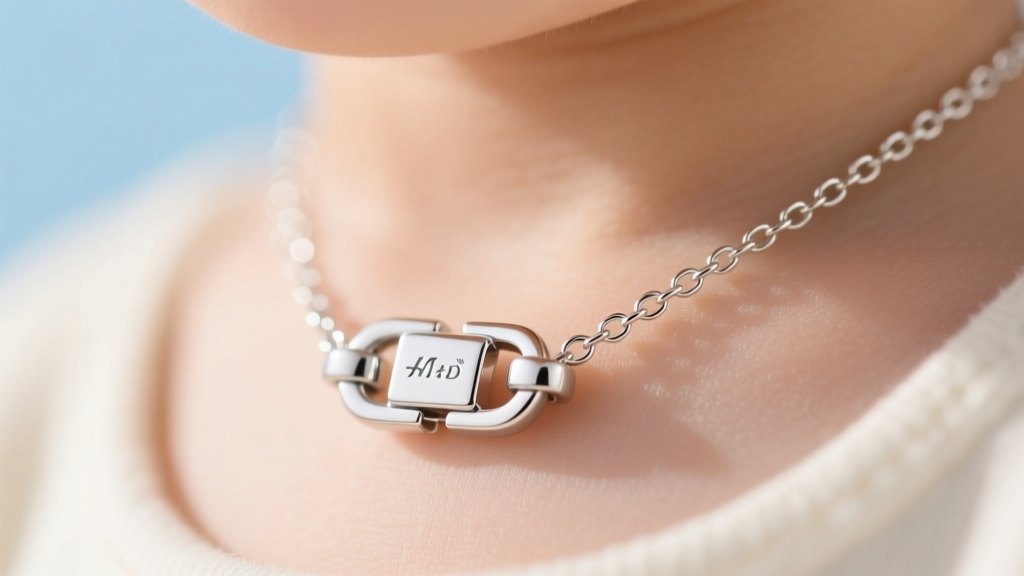
The Value Solution: Breakaway Hardware. For boys under 7, the best investment is a sterling silver chain retrofitted with a magnetic or tension-release breakaway clasp. These clasps hold securely during normal wear but pop open when subjected to 5-8 pounds of pulling force. While this adds $8-$12 to the initial cost, it is a non-negotiable safety investment that protects your child and prevents the chain from snapping and losing links.
Budget Tiers: Where to Spend and Where to Save
Understanding the market tiers helps you allocate your budget effectively without falling for marketing gimmicks.
Tier 1: The Danger Zone (Under $20)
At this price point, you are not buying silver; you are buying a thin electroplated coating over mystery alloys. These chains cannot be soldered if they break, meaning a single snapped link turns the necklace into trash. The cost-per-wear is exceptionally high because they rarely survive a month of active wear.
Tier 2: The Value Sweet Spot ($25 - $55)
This is where genuine value lives. In this bracket, you can secure a solid 925 sterling silver curb or figaro chain (1.8mm - 2.2mm) with a secure lobster clasp. Many reputable online jewelers offer rhodium-plated sterling silver in this tier. Rhodium is a precious metal from the platinum family that costs more to apply but makes the silver highly resistant to sulfur-based tarnishing, drastically reducing maintenance time.
Tier 3: Premium & Keepsake ($60 - $100+)
Here, you are paying for heavier gram weights (3.0mm+), Italian manufacturing craftsmanship, and individual link soldering. While beautiful, a heavy silver chain is often unnecessary for a growing boy who will likely outgrow the 16-inch or 18-inch length within two years. Save this tier for graduation or religious milestone gifts rather than everyday playground wear.
Maintenance Costs: Factoring in Tarnish and Repairs
A true budget assessment must include the cost of ownership. Sterling silver naturally tarnishes when exposed to sulfur compounds in the air, sweat, and certain foods. However, cleaning a solid silver chain costs pennies—a simple soak in warm water with a drop of mild dish soap and a gentle brush with a microfiber cloth restores its shine.
More importantly, consider the repair value. If a solid 925 sterling silver chain snaps, any local bench jeweler can laser or torch-solder the link back together for $15 to $25. If a silver-plated or stainless steel chain breaks, the heat from a soldering torch will melt the brass core or fail to fuse the steel, rendering the piece unrepairable. Therefore, a $40 sterling silver chain that gets repaired once over five years is a significantly better financial decision than buying four $15 plated chains that end up in a landfill.
Ultimately, the best silver necklace for a kid boy is one that prioritizes safety hardware, skin-safe metallurgy, and structural repairability over the illusion of a cheap upfront discount.


