Budget Thanksgiving Necklace Guide: Value Picks 2026
Discover the best budget Thanksgiving necklace options for 2026. We assess material value, gemstone alternatives, and cost-per-wear for autumn pendants.

The "Thanksgiving Necklace" Dilemma: Kitsch vs. Timeless Value
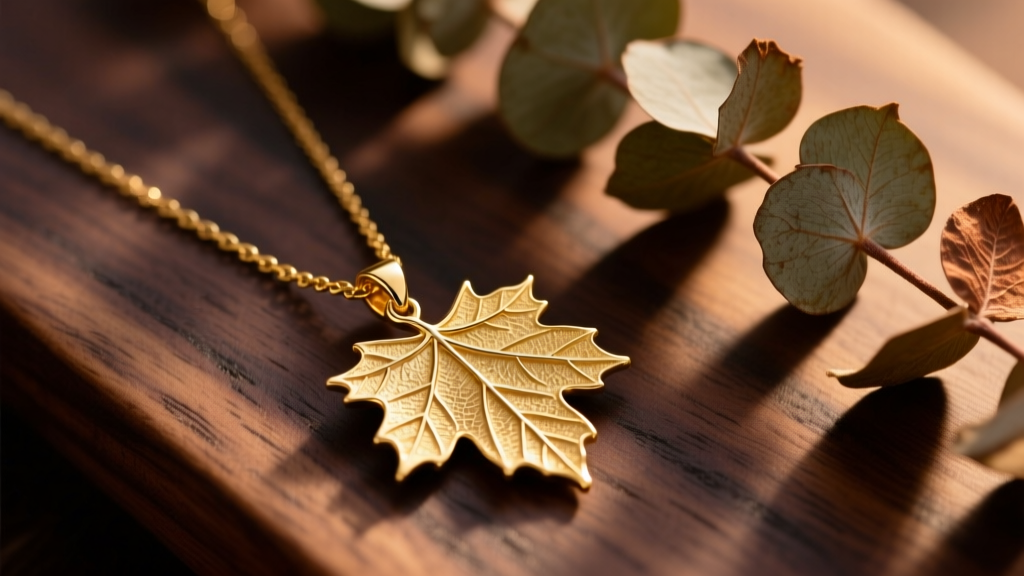
When searching for the perfect Thanksgiving necklace, buyers in 2026 are increasingly caught between two extremes: cheap, mass-produced novelty pendants (think zinc-alloy turkeys and painted pumpkins) and prohibitively expensive fine jewelry. As a seasonal gifting staple or a personal autumnal treat, the holiday necklace market is saturated with low-quality items that tarnish before the turkey is even carved. However, a strategic budget assessment reveals a thriving "demi-fine" middle ground. By shifting the focus from literal holiday motifs to sophisticated harvest, botanical, and autumnal gemstone designs, you can secure a piece that offers genuine material value and transitions seamlessly into the winter season.
The key to assessing value in the under-$150 market is understanding material composition and manufacturing techniques. A budget-friendly necklace should not be viewed as a disposable seasonal prop, but rather as a modular layering piece. In this comprehensive value assessment, we break down the exact material grades, gemstone treatments, and chain mechanics that separate a worthy investment from a regrettable impulse buy.
Material Breakdown: Assessing the Under $150 Market
The most common point of failure for budget autumn jewelry is the base metal and plating thickness. Many retailers market "gold-plated" harvest pendants without disclosing that the base is brass or copper, which can cause severe skin discoloration and allergic reactions when the microscopic gold layer wears off. For a Thanksgiving necklace to hold actual value, you must look for Gold Vermeil (pronounced ver-may).
According to the Federal Trade Commission (FTC) Jewelry Guides, true vermeil requires a sterling silver base (minimum 92.5% purity) plated with at least 10k gold that is a minimum of 2.5 microns thick. This is vastly superior to standard "gold-plated" or "gold-filled" brass, which lacks the hypoallergenic properties and long-term structural integrity of silver. When evaluating budget options, always verify the micron thickness and base metal before purchasing.
| Material Grade | Base Metal | Gold Thickness | Expected Lifespan | Value Rating (Under $150) |
|---|---|---|---|---|
| Flash Plated | Brass / Zinc Alloy | < 0.5 microns | 1-3 months | Poor (Avoid) |
| Gold Plated | Brass / Stainless Steel | 0.5 - 1.0 microns | 6-12 months | Fair (Proceed with caution) |
| Gold Vermeil | Sterling Silver (925) | 2.5+ microns | 2-5 years | Excellent (Target for demi-fine) |
| Solid 10k Gold | Gold Alloy (41.7% pure) | N/A (Solid) | Lifetime | Good (If under $150, usually very small/delicate) |
High-Value Autumn Gemstones: Beyond the Pumpkin Spice
A high-value Thanksgiving necklace often incorporates gemstones that reflect the rich, earthy tones of late November. However, the jewelry industry relies heavily on treatments to achieve these colors at budget price points. Understanding these treatments is crucial for accurate value assessment.
Citrine: Natural vs. Heat-Treated
Citrine is the quintessential autumn gemstone, prized for its golden-yellow to orange-brown hues. However, the Gemological Institute of America (GIA) notes that the vast majority of commercial citrine on the market is actually amethyst that has been heat-treated at temperatures between 400°C and 450°C to alter its color. While natural, untreated citrine is rare and commands a premium price, heat-treated citrine is stable, durable (Mohs hardness of 7), and perfectly acceptable for budget jewelry—provided you are paying treated prices (typically $20-$60 for a standard 8mm-10mm pendant) rather than natural premiums.
Smoky Quartz and Enamel Alternatives
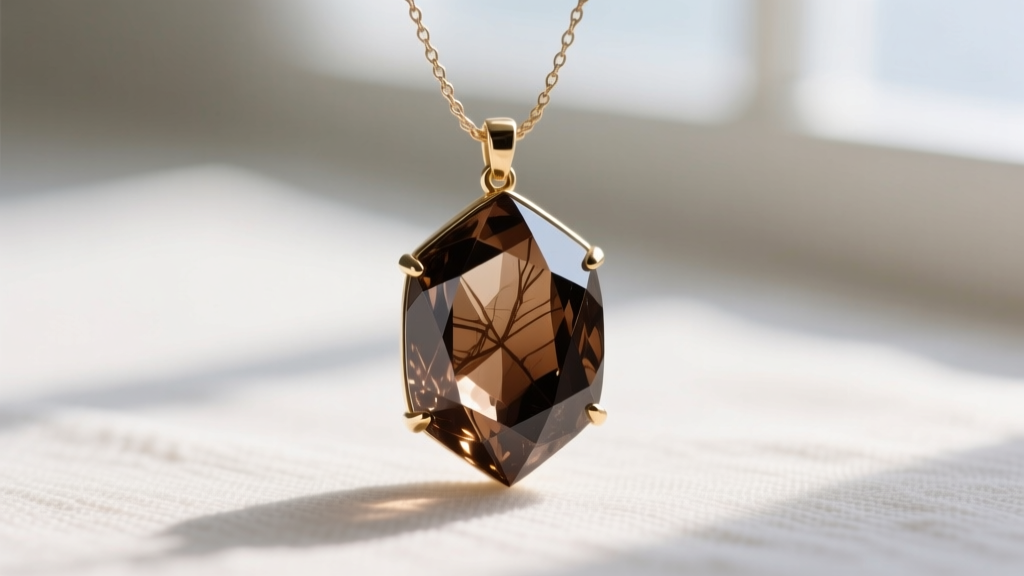
Smoky quartz offers a sophisticated, translucent brown-gray alternative to opaque autumn motifs. When set in brushed vermeil or oxidized silver, it provides a moody, elegant aesthetic that outlasts the Thanksgiving holiday. For those who prefer color without gemstones, look for vitreous enamel rather than cold enamel (epoxy resin). Vitreous enamel is kiln-fired glass fused to metal; it is highly resistant to scratching and UV fading, ensuring your autumnal leaf or wheat sheaf pendant won't turn yellow or chip after a single season of wear.
Chain Mechanics: The Hidden Cost of Budget Necklaces
A pendant is only as valuable as the chain that holds it. Budget Thanksgiving necklaces frequently cut costs by using ultra-thin, poorly soldered chains that snap under the weight of a gemstone or enamel pendant. When assessing value, scrutinize the chain type and clasp mechanism.
- Box Chains (1.0mm - 1.5mm): The highest value for budget necklaces. The interlocking square links distribute tension evenly, offering high tensile strength that resists snapping even if caught on a heavy winter sweater.
- Cable Chains (Under 1.0mm): High risk. While delicate and pretty, budget cable chains often feature poorly soldered jump rings that will pull apart under minimal stress.
- Clasp Assessment: Avoid spring-ring clasps on chains thicker than 1.2mm; the internal springs fail quickly. Insist on lobster clasps, which feature a more robust internal mechanism and provide a secure closure for heavier autumn pendants.
2026 Value Tiers: Where Should You Spend?
To maximize your budget this holiday season, align your spending with the intended lifespan and wearability of the piece. Here is how the market breaks down in 2026:
Tier 1: Under $50 (The Layering Basics)
At this price point, avoid gemstones entirely, as they will likely be dyed quartz or glass. Focus on high-quality stainless steel with PVD (Physical Vapor Deposition) gold coating. PVD is vastly superior to traditional electroplating for base metals, offering incredible tarnish resistance. Look for minimalist harvest motifs like tiny wheat stalks or acorn caps that serve as base layers in a multi-chain stack.
Tier 2: $50 - $120 (The Demi-Fine Sweet Spot)
This is where the highest value resides. You can comfortably secure 14k or 18k gold vermeil pendants featuring genuine, albeit heat-treated, semi-precious stones like citrine, carnelian, or smoky quartz. Brands operating in this tier often use recycled sterling silver bases, adding an ethical value proposition to your purchase.
Tier 3: $120 - $180 (Entry-Level Solid Gold)
If your budget allows, 10k or 14k solid gold offers zero depreciation in terms of material integrity. While the pendant will be small (often under 10mm) and lightweight at this price, it will never tarnish, making it a permanent fixture in your jewelry box long after the Thanksgiving decorations are packed away.

Calculating Cost-Per-Wear for Seasonal Pendants
The ultimate test of a budget Thanksgiving necklace is its "cost-per-wear" (CPW). A $40 novelty turkey pendant worn only on the fourth Thursday of November has a CPW of $40 per wear—a terrible financial return. Conversely, a $90 gold vermeil oak leaf pendant worn twice a week from October through February yields a CPW of roughly $1.87 per wear.
To maximize CPW, select motifs that are botanically or seasonally adjacent rather than explicitly holiday-branded. Leaves, vines, wheat sheaves, and sunbursts read as "Thanksgiving" when paired with a chunky knit sweater and autumnal layers, but seamlessly transition into "winter elegance" when paired with a dark turtleneck or holiday party dress in December.
Maintenance: Protecting Your Autumn Investment
Even the best budget vermeil requires specific care to maintain its value and appearance. The sterling silver base of vermeil is highly susceptible to sulfur-induced tarnishing. Autumn environments—often characterized by wood-burning fireplaces, certain wool sweaters, and high humidity—accelerate this chemical reaction.
Store your seasonal necklaces in anti-tarnish cloth pouches (which absorb ambient sulfur) rather than standard plastic baggies, which can trap moisture and cause the silver base to oxidize if the gold plating is microscopically porous. When cleaning, avoid ultrasonic cleaners and harsh chemical dips, which will strip the 2.5-micron gold layer. Instead, use a few drops of mild, phosphate-free dish soap in lukewarm water, gently agitate with a soft-bristled baby toothbrush, and dry immediately with a microfiber cloth. By treating your budget demi-fine pieces with the same respect as high-end fine jewelry, you ensure your Thanksgiving necklace remains a valuable, beautiful staple for years to come.


