Maximizing Value: Budgeting for Everyday Necklaces and Bracelets
Learn how to budget for everyday necklaces and bracelets in 2026. We break down metal grades, cost-per-wear, and failure modes for smart jewelry buys.

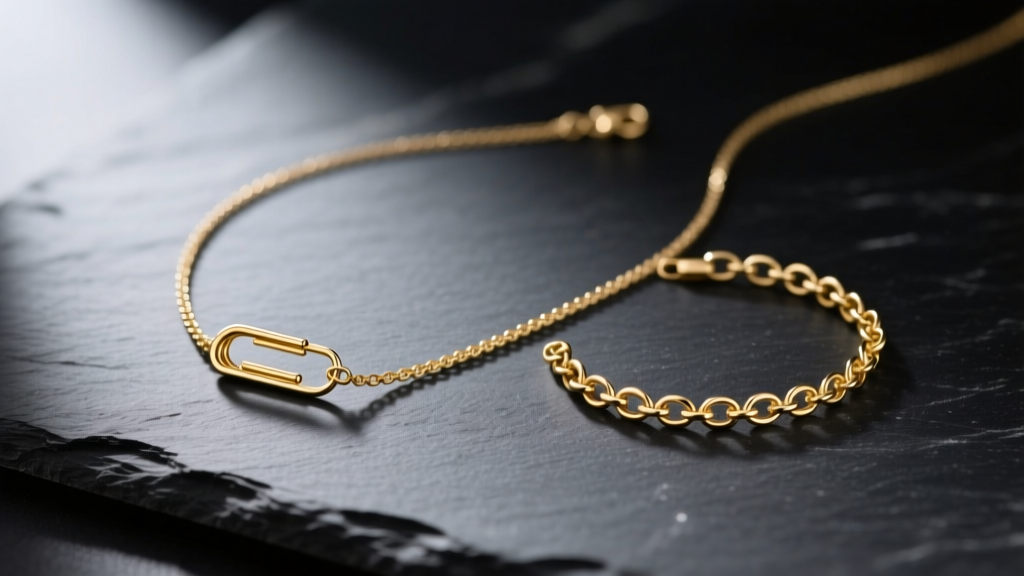
The Economics of Coordinated Sets in 2026
When building a cohesive jewelry wardrobe, buyers frequently face a common dilemma: how to balance the budget across different regions of the body without sacrificing material integrity. As precious metal markets fluctuate and gold prices remain historically high in 2026, strategically budgeting for everyday necklaces and bracelets requires a shift from impulse buying to value-based assessment. A matching set might look visually harmonious, but the physical realities of how these pieces are worn dictate vastly different wear-and-tear profiles.
Necklaces generally sit in a protected zone—the collarbone and chest—experiencing minimal friction. Bracelets, however, endure a brutal daily environment. They scrape against desks, catch on clothing, and are constantly exposed to the oils, sweat, and lotions on your wrists. Therefore, allocating your budget equally between a necklace and a bracelet is often a financial misstep. To maximize value, you must understand material grades, weight-to-cost ratios, and the specific failure modes of wristwear versus neckwear.
Material Grades and Their 2026 Price Baselines
Before allocating funds, you must understand what you are actually paying for. The Gemological Institute of America (GIA) outlines strict standards for gold karatage, but the market is flooded with alternative finishes. Below is a baseline pricing chart for a standard 3mm cable chain (18-inch necklace vs. 7-inch bracelet) across popular 2026 materials.
| Material Grade | Necklace (18") Est. Cost | Bracelet (7") Est. Cost | Longevity Profile |
|---|---|---|---|
| Sterling Silver (925) | $45 - $80 | $25 - $40 | High (requires polishing) |
| Gold Vermeil (2.5μ+) | $110 - $160 | $60 - $90 | Medium (2-4 years daily) |
| PVD Gold on 316L Steel | $50 - $85 | $30 - $50 | Very High (sweat resistant) |
| Solid 14k Gold | $450 - $650 | $200 - $300 | Lifetime (heirloom grade) |
The "Cost-Per-Wear" Framework
Professional stylists and appraisers use the Cost-Per-Wear (CPW) metric to determine true value. The formula is simple: Total Cost ÷ (Wears per week × Weeks per year × Expected Lifespan in years).
Let us compare two hypothetical purchases: a $120 gold vermeil bracelet and a $500 solid 14k gold necklace. If you wear the vermeil bracelet daily, the friction will likely wear through the 2.5-micron gold layer in about 18 months, exposing the sterling silver beneath. That is a CPW of roughly $1.25 per wear. Conversely, the solid 14k gold necklace, worn 5 days a week for 10 years, yields a CPW of just $0.19 per wear. Furthermore, the solid gold piece retains intrinsic melt value, whereas the vermeil bracelet retains virtually zero resale value once the plating degrades.
"The golden rule of budget jewelry allocation is to invest heavily in the pieces that touch your pulse points, as heat and friction accelerate metal degradation." — Independent Jewelry Appraisal Standards, 2025.
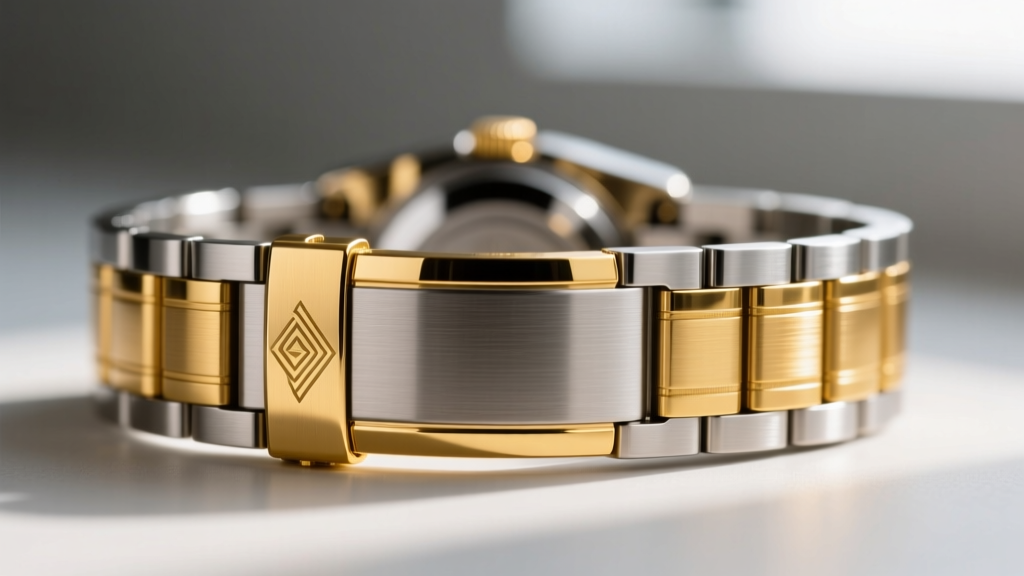
Red Flags in Budget Jewelry: Failure Modes to Avoid
When shopping for budget-friendly necklaces and bracelets, avoiding catastrophic failure is just as important as finding a low price. Here are the specific engineering flaws to watch out for when evaluating pieces under $150.
1. The Plating Thickness Deception
According to the Federal Trade Commission Jewelry Guides, the term "vermeil" legally requires a base of sterling silver coated with at least 2.5 microns of gold. However, many fast-fashion brands sell "gold plated" brass or copper with a mere 0.5-micron flash coating. On a necklace, this might last a year. On a bracelet, the friction against your wrist and desk will strip 0.5 microns of gold in less than three weeks, leaving you with a green-stained wrist and a ruined chain. Always demand vermeil or PVD (Physical Vapor Deposition) for wristwear.
2. Clasp Tension and Spring Fatigue
The clasp is the weakest link in any chain. Budget bracelets frequently use cheap spring-ring clasps to save on manufacturing costs. Because bracelets are subjected to lateral tension every time you bend your wrist or push off a chair, the tiny internal spring in a budget ring clasp will inevitably fatigue and snap. For bracelets, always insist on a lobster clasp. For necklaces over 15 grams, upgrade to a box clasp with a figure-8 safety catch.
3. Unsoldered Paperclip Links
The paperclip chain trend remains strong in 2026, but budget versions feature unsoldered links (the seams of the oval links are just pressed shut, not welded). When caught on a sweater, an unsoldered paperclip bracelet will permanently stretch and deform within seconds. Always inspect the links under a macro lens or ask the jeweler to confirm the links are laser-soldered.
Smart Stacking: Mixing Price Points for Visual Impact
You do not need to buy a solid gold bracelet to complement a solid gold necklace. The most stylish, value-conscious stacks rely on mixing metal grades intelligently by leveraging visual weight and texture. Here is a proven budget allocation framework for a cohesive 5-piece stack (1 necklace, 4 bracelets) with a total budget of $400.
- The Focal Necklace (60% of Budget / $240): Invest in a solid 14k gold or heavy sterling silver chain (e.g., a 4mm Figaro or Cuban link). This sits near the face, draws the eye, and avoids heavy friction, ensuring a lifetime of wear.
- The Anchor Bracelet (20% of Budget / $80): Purchase a high-quality PVD gold-coated 316L stainless steel curb chain. PVD bonding at the molecular level makes it virtually impervious to sweat and desk-friction, mimicking the look of solid gold perfectly.
- The Texture Bracelets (20% of Budget / $80 total): Allocate the remaining funds to two or three thin, textured sterling silver bracelets (like beaded or rope chains). Sterling silver is inexpensive, and the textured surface naturally hides the micro-scratches that accumulate on wristwear.

The Verdict on Value
Ultimately, assessing the value of necklaces and bracelets requires looking past the initial price tag and evaluating the piece's engineering against its physical environment. By prioritizing durable clasps, demanding proper plating thickness for high-friction zones, and applying the cost-per-wear framework, you can build a luxurious, coordinated jewelry wardrobe that survives the realities of daily life without draining your bank account. Smart budgeting is not about buying the cheapest option; it is about funding the right material for the right anatomical zone.


