The Bull Horn Necklace Value Guide: Pricing & Materials
Discover how to assess the true value of a bull horn necklace. We break down material grades, ethical sourcing, and pricing tiers to help you buy smart.

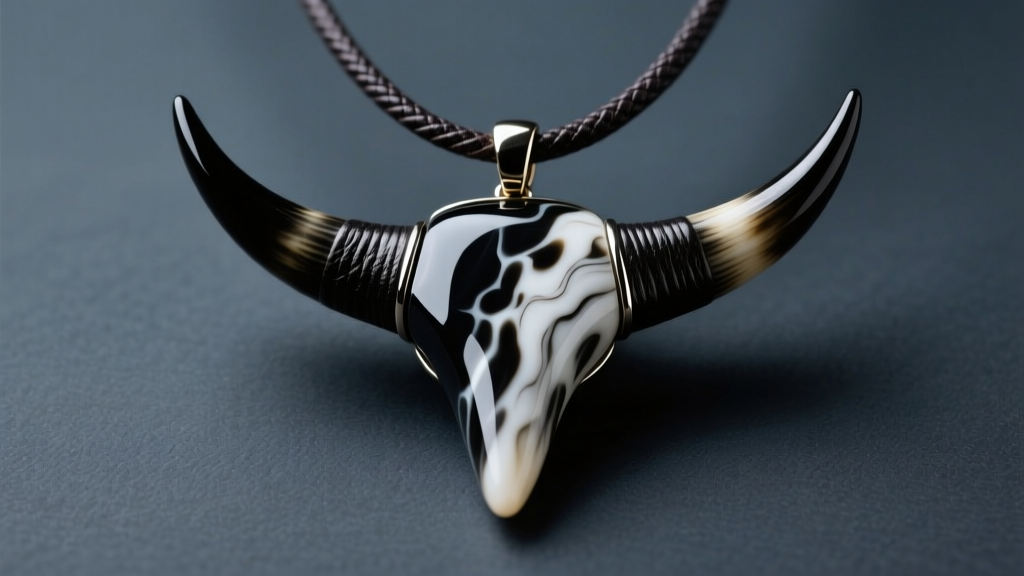
The Anatomy of a Bull Horn Necklace: What Are You Paying For?
The bull horn necklace has transcended its traditional Western, tribal, and bohemian roots to become a striking staple in modern avant-garde and gothic fashion. However, as demand for organic and statement jewelry surges in 2026, the market is increasingly flooded with everything from ethically carved keratin to cheap injection-molded plastics. For the discerning buyer, understanding the true value of a bull horn necklace requires looking past the aesthetic and examining the material science, craftsmanship, and ethical supply chains behind the pendant.
Whether you are investing in a hand-carved water buffalo horn piece or a precision-cast sterling silver replica, assessing value comes down to three core pillars: material authenticity, hardware quality, and ethical provenance. This comprehensive guide will equip you with the exact frameworks needed to evaluate pricing and avoid overpaying for synthetic imitations.
Material Breakdown: Real Horn vs. Cast Metal vs. Synthetics
Not all horn pendants are created equal. The value of your necklace is intrinsically tied to its base material. According to the GIA Gem Encyclopedia, organic gem materials like horn, bone, and tortoiseshell require specific care and possess unique physical properties that synthetics cannot perfectly replicate.
1. Carved Domestic Bovine Horn (Bos Taurus & Bubalus)
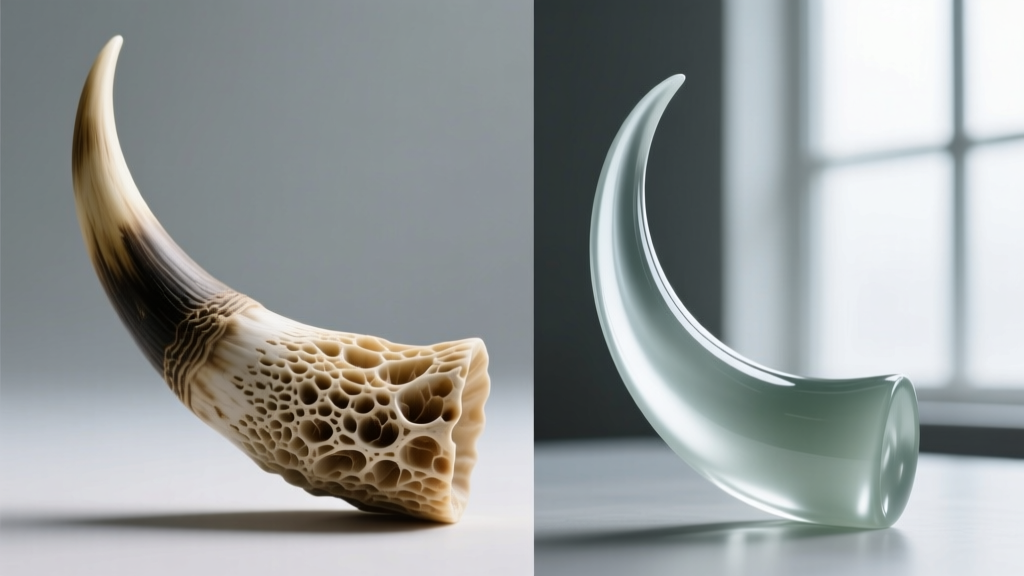
Authentic horn is composed almost entirely of keratin—the same protein found in human hair and fingernails. It has a density of approximately 1.3 g/cm³, giving it a substantial, warm feel against the skin. Artisans typically harvest the horn sheath (the outer layer) from domestic cattle or water buffalo. The tip of the horn is solid and highly prized for carving, while the hollow base is often flattened for larger, shield-like pendants. True carved horn features natural marbling, micro-fissures, and a distinct grain that catches the light organically.
2. Precious Metal Castings (Sterling Silver & Gold)
For those who want the aggressive silhouette of a bull horn without the organic maintenance, precious metal castings are the premium alternative. High-value pieces utilize the lost-wax casting method, where a 3D-printed or hand-carved wax horn model is encased in investment plaster, burned out, and replaced with molten 925 sterling silver or 14k gold. The value here is dictated by the metal's spot price, the gram weight of the casting, and the artisan's finishing techniques (such as hand-applied oxidation to highlight the horn's natural ridges).
3. Resin and Synthetic Replicas
Polyurethane and epoxy resins are frequently poured into silicone molds taken from real horns. While modern resins can mimic the translucent edges of carved horn, they lack the thermal properties and microscopic grain of keratin. These are mass-produced and hold virtually no long-term resale or heirloom value.
2026 Market Pricing Matrix: What Should You Spend?
To help you benchmark your next purchase, we have compiled a value assessment matrix based on current 2026 market rates from independent artisans and established jewelry houses.
| Material Category | Average Price Range | Durability & Care | Value Verdict |
|---|---|---|---|
| Injection-Molded Resin | $12 - $28 | Low; scratches easily, degrades in UV light | Poor (Costume jewelry only) |
| Carved Horn on Leather Cord | $45 - $95 | Medium; requires oiling, sensitive to extreme heat | Excellent (Best entry-level organic piece) |
| 925 Sterling Silver Cast Horn | $130 - $280 | High; tarnishes but easily polished, waterproof | Very Good (Ideal for daily wear) |
| 14k Solid Gold Cast Horn | $650 - $1,200+ | Very High; scratch-resistant, hypoallergenic | Premium (Heirloom investment) |
Note: Prices fluctuate based on the complexity of the carving, the inclusion of secondary gemstones (like turquoise or onyx inlays), and the brand's retail markup.
How to Authenticate Carved Horn and Avoid Overpaying
If a vendor is charging premium prices ($80+) for a 'hand-carved' bull horn necklace, you must verify the material. Unscrupulous sellers often pass off dyed resin or compressed bone powder as solid horn. Use this three-step authentication framework:
- The Thermal Conductivity Test: Press the pendant against your cheek or the inside of your wrist. Real keratin feels room-temperature or slightly warm almost immediately. Glass, stone, or dense resins will feel noticeably cold and take longer to absorb your body heat.
- The Visual Grain Inspection: Examine the piece under a bright LED light or jeweler's loupe. Real horn exhibits longitudinal striations (tiny parallel lines) and natural color gradients. If the 'marbling' looks like swirling clouds with perfectly smooth surfaces, it is likely poured resin.
- The Hot Pin Test (Destructive): If you own the piece and can test an inconspicuous area (like the inside of the bail hole), heat a sewing needle until red-hot and press it into the material. Real horn will not melt; it will emit a faint smell reminiscent of burning hair or fingernails. Resin will melt, stick to the needle, and smell like acrid chemicals.
Chain Pairings and Hardware Value
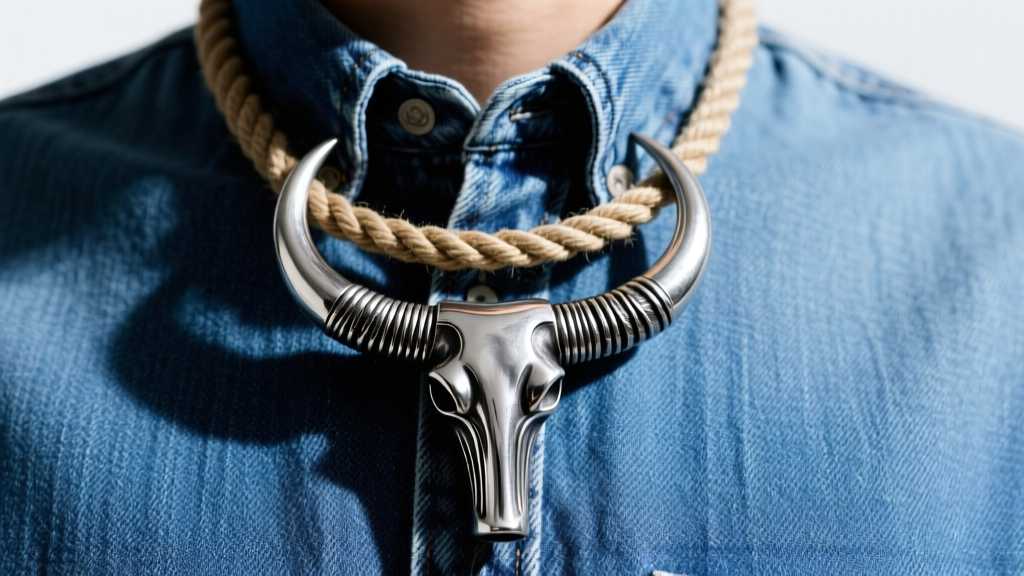
A common trap in budget assessment is ignoring the hardware. A $150 carved horn pendant loses its functional value if it is strung on a $2 base-metal chain that will snap or turn your neck green. When assessing the total value of a bull horn necklace, scrutinize the following components:
The Bail and Jump Rings
The bail (the loop that connects the pendant to the chain) experiences the most friction. For heavy horn pendants (which can weigh 20-40 grams), the bail must be crafted from sterling silver, stainless steel, or solid gold. Plated brass bails will eventually wear through, causing you to lose the pendant. Furthermore, ensure the jump rings are soldered shut or made of heavy-gauge wire (18-gauge or thicker) to prevent prying.
The Chain Selection
Bull horn pendants carry a rugged, heavy visual weight. Delicate chains like standard cable or wheat chains often look disproportionate and are structurally inadequate. For optimal value and aesthetics, look for sellers who include heavy-duty rope chains, box chains, or high-quality braided leather cords with sterling silver end-caps and lobster clasps. A genuine sterling silver lobster clasp alone adds $8-$15 to the manufacturing cost, which is a strong indicator of a brand's overall commitment to quality.
Ethical Sourcing and CITES Compliance
Value is not just financial; it is also ethical. Modern consumers demand transparency regarding animal-derived jewelry. The horn used in legitimate jewelry trade is strictly a byproduct of the agricultural meat industry, primarily sourced from water buffalo in Southeast Asia or cattle in South America. No animals are harmed solely for their horns in the commercial jewelry trade.
However, international shipping of animal products can be complicated. According to the CITES Species Database, domestic cattle (Bos taurus) and domestic water buffalo (Bubalus bubalis) are exempt from CITES wildlife trade restrictions. Nevertheless, reputable artisans and importers must maintain proper veterinary and origin certificates to prove the material is from domestic livestock and not from protected wild bovids. When buying from international sellers on platforms like Etsy or direct-from-artisan sites, always verify that they provide proper customs documentation to avoid having your necklace seized at the border.
Final Verdict: Is a Bull Horn Necklace Worth the Investment?
If you are seeking a piece of jewelry with deep symbolic resonance, striking visual contrast, and organic warmth, a genuine bull horn necklace is absolutely worth the investment. To ensure you are getting true value, bypass the sub-$30 synthetic market entirely. Instead, allocate a budget of $60 to $150 for a verified, hand-carved keratin piece on quality leather, or $150 to $300 for a solid 925 sterling silver casting. By prioritizing material authenticity, robust hardware, and transparent sourcing, you will acquire a durable, meaningful artifact that outlasts fleeting fashion trends.
For more information on precious metal stamping laws and how to verify the authenticity of silver and gold hardware on your organic pendants, consult the FTC Jewelry Guides.


