But God Necklace Metal Guide: Silver, Gold, and Steel
Discover the best metals for your But God necklace. We compare 14k gold, sterling silver, vermeil, and steel for durability, price, and daily wear.

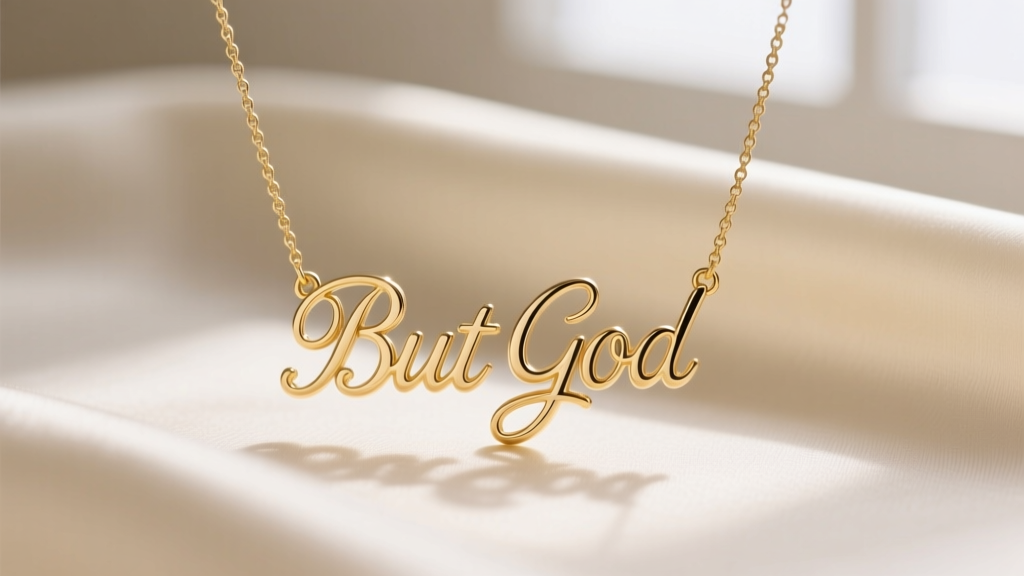
Faith-based jewelry is more than a fashion statement; it is a daily reminder of personal beliefs and spiritual milestones. Among the most popular of these pieces is the But God necklace, a design typically featuring a delicate, cursive script referencing Ephesians 2:4. Because this pendant is intended to be worn close to the heart every single day, the metallurgical properties of the chain and charm are just as important as the message they carry.
Choosing the wrong metal can lead to tarnished pendants, snapped chains, or severe skin irritation. In this comprehensive material guide, we break down the exact properties, failure modes, and pricing of the most common metals used for But God necklaces, helping you invest in a piece that will last a lifetime.
The Significance of the "But God" Pendant Design
The "But God" script is inherently delicate. The cursive loops and sweeping tails of the typography require a metal that can hold fine detail without becoming brittle. When a pendant features intricate cut-outs or thin wirework, the tensile strength and hardness of the chosen alloy become critical factors. A metal that is too soft will bend out of shape when caught on clothing, while a metal that is too brittle may snap at the solder points where the bail meets the script.
Material Breakdown: Pros, Cons, and Properties
Not all gold or silver is created equal. Understanding the alloy composition is the key to selecting a But God necklace that survives daily wear, exposure to sweat, and environmental elements.
Solid Gold (14K and 18K)
Solid gold is the premier choice for heirloom-quality faith jewelry. However, pure 24K gold is far too soft for a delicate script pendant. According to the Gemological Institute of America (GIA), gold must be alloyed with other metals to increase durability.
- 14K Gold (58.5% Gold): Alloyed with copper, silver, and zinc. The higher copper content gives 14K gold superior hardness, making it the absolute best choice for the thin, cursive loops of a But God pendant. It resists bending and scratching. Price Range: $350 - $800.
- 18K Gold (75% Gold): Offers a richer, deeper yellow hue but is noticeably softer. An 18K script pendant is more prone to micro-scratches and may bend if pulled. Price Range: $600 - $1,500+.
Sterling Silver (.925)
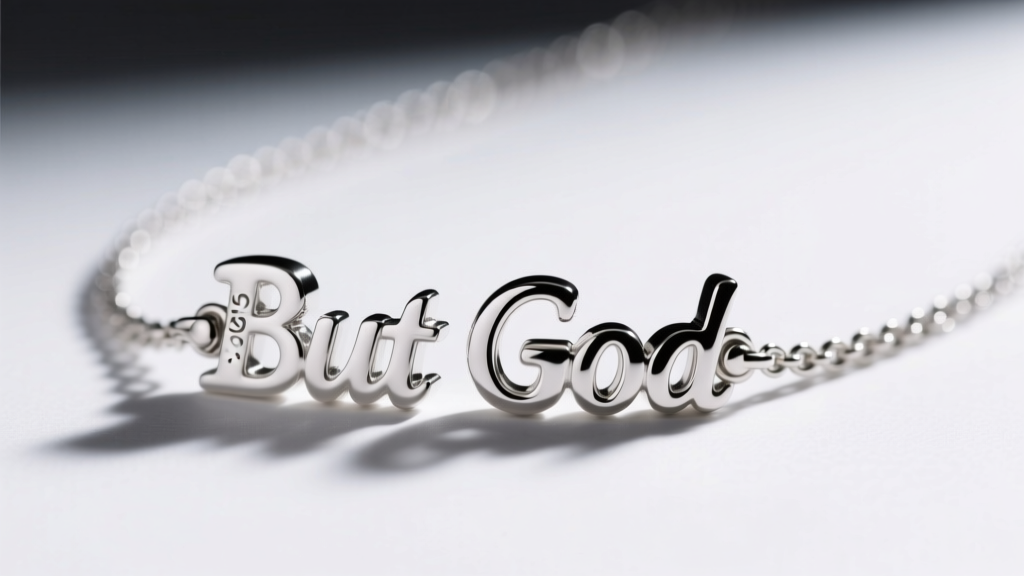
Sterling silver is an alloy containing 92.5% pure silver and 7.5% copper. It is an affordable, bright, and highly reflective metal, making the "But God" lettering pop against the skin. However, the copper content makes it highly susceptible to sulfur-induced tarnish. If you live in a humid climate or wear your necklace in the shower, uncoated sterling silver will oxidize and turn black within weeks.
The Fix: Look for rhodium-plated sterling silver. Rhodium is a platinum-group metal that provides a permanent, tarnish-resistant shield over the silver, keeping the necklace bright white with minimal maintenance. Price Range: $45 - $120.
Gold Vermeil vs. Standard Gold Plating
Many buyers confuse gold vermeil with standard gold plating, but the difference dictates the lifespan of your necklace. The Jewelers of America and the FTC strictly define vermeil as a base of .925 sterling silver coated with a minimum of 2.5 microns of 10K or higher gold.
Conversely, standard "gold-plated" necklaces usually feature a brass or copper base with a microscopic 0.5-micron flash of gold. Within three to six months of daily wear, the friction against the skin will wear through the plating. Once the brass is exposed, the copper reacts with your sweat, leaving a green residue on your chest and causing contact dermatitis. Always verify that a gold But God necklace is explicitly labeled as vermeil or solid gold before purchasing. Vermeil Price Range: $80 - $180.
Surgical Stainless Steel (316L)
For those on a strict budget or those who work in healthcare and need to frequently sanitize their jewelry, 316L surgical stainless steel is a powerhouse. The "L" stands for low carbon, and the alloy includes molybdenum, which drastically increases resistance to chlorides (like sweat and pool water). While steel cannot be cast with the same microscopic detail as gold, modern laser-cutting allows for crisp "But God" scripts. If you want a gold look on a steel budget, seek out PVD (Physical Vapor Deposition) coated steel, which bonds gold to the steel at a molecular level, preventing the flaking seen in electroplated jewelry. Price Range: $25 - $60.
Comparative Data: Wearability and Cost Matrix
| Metal Type | Base Composition | Tarnish Resistance | Durability (Script Bending) | Average Price |
|---|---|---|---|---|
| 14K Solid Gold | 58.5% Gold, Copper, Zinc | Excellent | High (Holds shape well) | $350 - $800 |
| 18K Solid Gold | 75% Gold, Silver, Copper | Excellent | Medium (Prone to scratching) | $600 - $1,500+ |
| Rhodium Silver | 92.5% Silver, 7.5% Copper | High (Until rhodium wears) | Medium-High | $45 - $120 |
| Gold Vermeil | .925 Silver + 2.5μm Gold | Medium (Depends on care) | Medium-High | $80 - $180 |
| 316L Steel (PVD) | Iron, Chromium, Molybdenum | Excellent | Very High (Rigid) | $25 - $60 |
Chain Pairings: Matching the Pendant to the Chain
A common failure mode with script necklaces is the bail tearing away from the pendant or the chain snapping at the jump ring. This usually happens when the chain is too heavy or too thick for the delicate "But God" charm.
Optimal Gauge Sizes
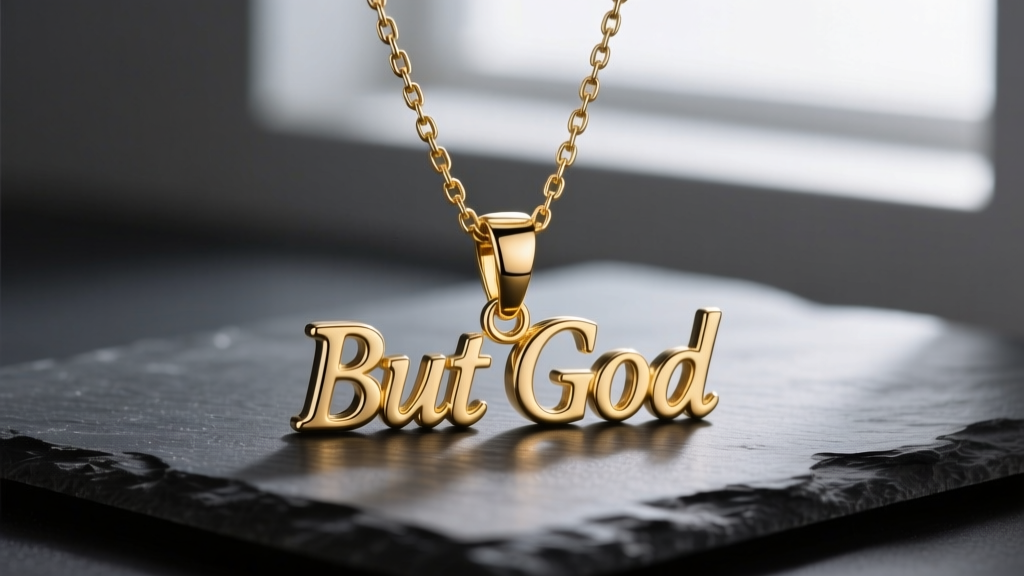
Most "But God" pendants weigh between 1.5 and 3 grams. To maintain a balanced drape and prevent structural stress on the pendant's solder points, you should pair it with a chain between 1.0mm and 1.5mm in thickness.
- 1.0mm Cable Chain: The classic choice. Lightweight, flexible, and allows the script pendant to lay perfectly flat against the collarbone.
- 1.2mm Box Chain: Offers slightly more visual presence and exceptional strength due to its interlocking square links. Highly recommended for 14k gold setups.
- Avoid Cuban or Figaro Chains: Chains wider than 2.0mm are too rigid and heavy. They will cause the lightweight script pendant to flip upside down constantly and will eventually pull the bail open.
Length and Placement
For the script to be legible to others and rest comfortably in the hollow of the throat, an 18-inch chain is the industry standard for women's necklaces. If you prefer the pendant to sit higher, closer to the base of the neck, opt for a 16-inch choker length, but ensure the clasp includes a 2-inch extender chain to accommodate different necklines and seasonal swelling.
Care and Maintenance by Metal Type
Even the most durable metals require specific care routines to maintain their luster and structural integrity. The Federal Trade Commission (FTC) provides guidelines on jewelry care, but real-world wear requires a more targeted approach.
Cleaning Solid Gold and Steel
For 14K gold and 316L stainless steel, create a solution of warm water and a few drops of mild, phosphate-free dish soap. Soak the necklace for 15 minutes, then gently agitate the water. Use a baby-soft toothbrush to lightly sweep the crevices of the cursive "B" and "G" letters. Rinse with distilled water and pat dry with a microfiber cloth. Never use chlorine bleach, as it will permanently discolor the copper alloys in 14K gold and cause micro-fractures in the metal.
Maintaining Sterling Silver and Vermeil
Silver and vermeil require a gentler touch. Avoid soaking vermeil in water, as moisture can seep into microscopic pores and degrade the silver base beneath the gold. Instead, use a dry, untreated silver polishing cloth to gently buff the surface. Store your But God necklace in an anti-tarnish ziplock bag with a silica gel packet to absorb ambient humidity and prevent sulfur oxidation.
Pro-Tip for Daily Wearers: Always put your necklace on after applying perfumes, lotions, and hairspray. The alcohols and volatile organic compounds (VOCs) in cosmetics can rapidly strip the rhodium plating off sterling silver and degrade the luster of gold alloys.
Final Verdict: Which Metal Should You Choose?
Selecting the right metal for your But God necklace ultimately depends on your budget, lifestyle, and expectations for longevity. If you are looking for a generational piece that will never tarnish, bend, or lose its color, 14K solid gold is the undisputed champion. Its specific alloy composition provides the perfect balance of hardness and malleability required to preserve delicate script typography.
For those seeking a brilliant, affordable option that still offers precious metal value, rhodium-plated .925 sterling silver is an excellent choice, provided you are willing to perform light maintenance. Finally, if you need a rugged, waterproof, and budget-friendly option for active lifestyles, PVD-coated 316L stainless steel offers unmatched resilience. By understanding the metallurgical realities behind these materials, you can ensure your daily reminder of faith remains as enduring as the message it carries.


