How to Choose and Style Your First Butterfly Charm Necklace
Discover how to choose, style, and care for your first butterfly charm necklace. Learn about metals, chain pairings, and symbolism in this guide.

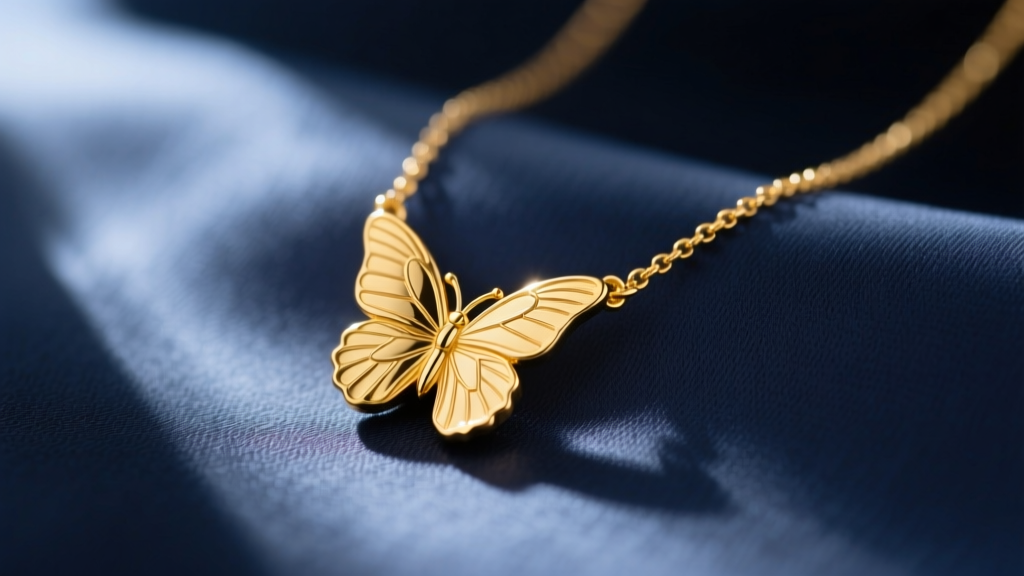
A butterfly charm necklace is far more than a fleeting jewelry trend; it is a timeless emblem of transformation, resilience, and delicate beauty. For beginners stepping into the world of symbolic jewelry, the butterfly pendant offers a versatile, universally flattering entry point. However, navigating the vast market of metals, chain types, and gemstone inlays can be overwhelming. This comprehensive guide breaks down the exact specifications, material grades, and styling frameworks you need to choose a butterfly charm necklace that will last a lifetime.
The Anatomy of a Butterfly Pendant
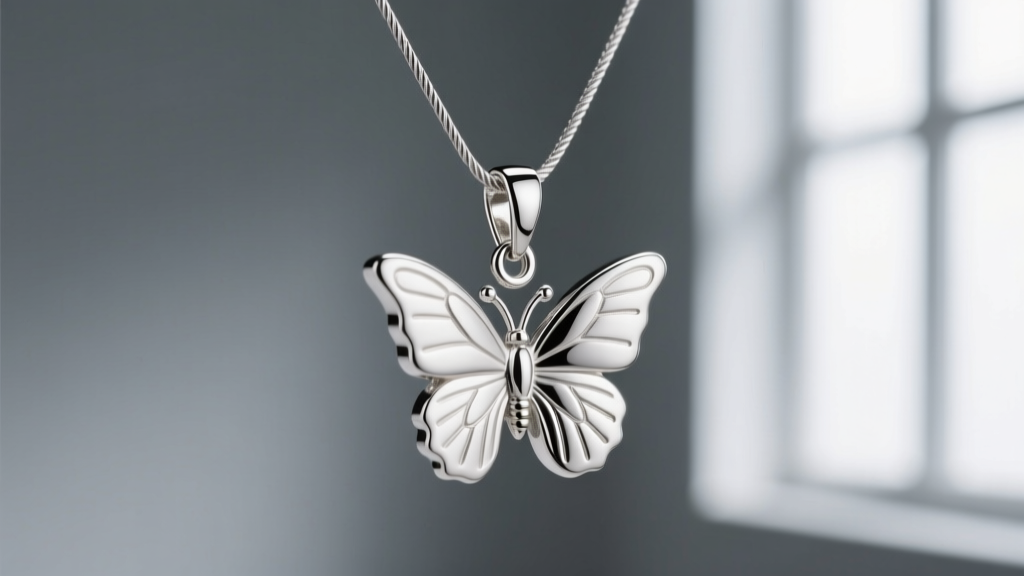
Before purchasing, it is crucial to understand the physical anatomy of the charm itself. A well-crafted butterfly pendant consists of three main components: the wings (the primary decorative element), the body (often a central metal rod or gemstone), and the bail (the loop at the top that threads onto the chain).
The bail size is the most frequently overlooked specification by beginners. If you are buying a charm and a chain separately, the inner diameter of the bail must be at least 0.5mm larger than the thickness of your chosen chain. For example, a standard butterfly charm with a 4mm bail will comfortably accommodate a 1.5mm box chain or a 2.0mm rope chain, but it will not fit over a thick 5mm Cuban link. Always check the millimeter specifications of the bail before checkout.
Decoding Metals: Which Material is Right for You?
The longevity of your necklace depends entirely on its metallurgical composition. While fast-fashion brands often use brass or zinc alloys plated with a microscopic layer of gold, these will tarnish and cause contact dermatitis within weeks. According to Blue Nile's jewelry education guide, understanding karatage and plating thickness is essential for making an informed investment.
| Material Grade | Durability & Tarnish Resistance | Estimated Price Range | Best Use Case |
|---|---|---|---|
| 925 Sterling Silver | Moderate (Requires polishing) | $30 - $80 | Budget-friendly, classic everyday wear |
| Gold Vermeil (2.5+ microns) | High (Lasts years with care) | $60 - $150 | Gold aesthetic without solid gold pricing |
| Solid 14k Gold | Excellent (Heirloom quality) | $250 - $800+ | Lifetime wear, swimming, sensitive skin |
| 316L Surgical Steel | Very High (Waterproof) | $20 - $50 | Active lifestyles, severe nickel allergies |
Expert Tip: If you opt for gold vermeil, ensure the product description explicitly states a minimum thickness of 2.5 microns of gold over a sterling silver base. Anything less is considered "gold plated" and will wear off rapidly with daily friction.
Chain Pairings: Matching the Charm to the Chain
The chain you select dictates how the butterfly charm sits on your chest. A heavy chain will overpower a delicate, filigree butterfly, while a micro-chain may snap under the weight of a solid metal pendant. Here is a framework for pairing chains with butterfly motifs:
- Cable Chain (1.0mm - 1.5mm): The classic choice. Its simple, uniform oval links keep the focus entirely on the butterfly charm. Best for lightweight pendants under 5 grams.
- Box Chain (1.2mm - 2.0mm): Featuring square, interlocking links, box chains offer superior structural integrity. They reflect light beautifully and provide a modern, geometric contrast to the organic curves of a butterfly.
- Herringbone / Snake Chain (2.0mm+): These fluid, tubular chains lay flat against the collarbone. They are excellent for heavier, gemstone-encrusted butterfly pendants, though they are prone to kinking if stored improperly.
- Rope Chain (1.5mm - 3.0mm): Twisted links create a spiral effect that catches the light. A rope chain adds a vintage, romantic feel, perfectly complementing antique-style or oxidized silver butterfly charms.
Sizing and Proportions: Getting the Length Right
Where the butterfly lands on your neckline changes the entire visual impact of the piece. The placement should be dictated by your typical wardrobe necklines and the size of the charm.
The 16-Inch Choker Length
A 16-inch chain sits snugly at the base of the neck. This is ideal for micro butterfly charms (under 10mm in wingspan). It creates a subtle, minimalist look that pairs perfectly with V-neck blouses, button-down shirts, and off-the-shoulder tops. If you choose a 16-inch length, ensure the chain includes a 2-inch extender to accommodate slight fluctuations in neck swelling throughout the day.
The 18-Inch Princess Length
The 18-inch chain is the industry standard, resting just below the collarbone. This length allows a medium-sized butterfly charm (12mm - 18mm) to sit in the upper chest hollow. It is the most versatile length, working seamlessly over crewneck t-shirts, turtlenecks, and scoop necks.
Styling Your Butterfly Charm Necklace for Everyday Wear
Once you have selected your piece, the next step is integration into your daily wardrobe. The butterfly motif is inherently whimsical, so styling it requires balancing its delicate nature with structured clothing or complementary jewelry.
"The key to styling symbolic charms is to let them act as the focal point of a layered stack, anchoring lighter, more abstract chains around them." — Jewel Style Radar Editorial Team
The Layering Framework: To create a modern, curated stack, use the "Rule of Thirds." Start with a 14-inch simple gold herringbone chain (no pendant). Add your 16-inch or 18-inch butterfly charm necklace as the centerpiece. Finally, anchor the stack with a 20-inch or 22-inch chain featuring a heavier, geometric pendant (like a simple gold disc or a raw quartz point). This creates visual depth and prevents the chains from tangling, as the varying weights and lengths allow them to lay flat against one another.

Care and Maintenance: Keeping the Wings Bright
Butterfly charms often feature intricate crevices, milgrain detailing, or delicate inlays like mother-of-pearl, opal, or enamel. These materials require specific maintenance protocols to avoid irreversible damage.
Cleaning Protocols by Material
For solid gold and plain sterling silver butterflies, a gentle bath in warm water with a few drops of phosphate-free dish soap is sufficient. Use a baby-soft toothbrush to gently dislodge sebum and lotion buildup from the wing crevices. As noted in The Spruce Crafts' guide to silver maintenance, avoiding harsh chemical dips is crucial, as they can strip the oxidized antiquing that gives vintage butterfly designs their depth.
Warning for Gemstone Inlays: If your butterfly charm features opal, pearl, or enamel wings, never use an ultrasonic cleaner or soak the piece in water. The high-frequency vibrations can shatter opals, and water can dissolve the adhesive holding mother-of-pearl inlays in place. Instead, wipe these pieces gently with a damp microfiber cloth after each wear to remove acidic skin oils.
Final Thoughts on Your First Purchase
Investing in your first butterfly charm necklace is an exciting milestone. By prioritizing solid metals or thick vermeil, carefully matching your chain gauge to the pendant's bail, and adhering to proper cleaning protocols, you ensure that your symbolic piece remains a staple in your jewelry box for decades. Whether you choose a minimalist silver silhouette or a diamond-encrusted 14k gold statement piece, the butterfly remains a powerful, beautiful reminder of personal growth and enduring elegance.


