Material Analysis of Diana's Wedding Gift Necklace Styles
Explore the gemological and metallurgical properties of Diana's wedding gift necklace recreations, from Ceylon sapphires to platinum settings.

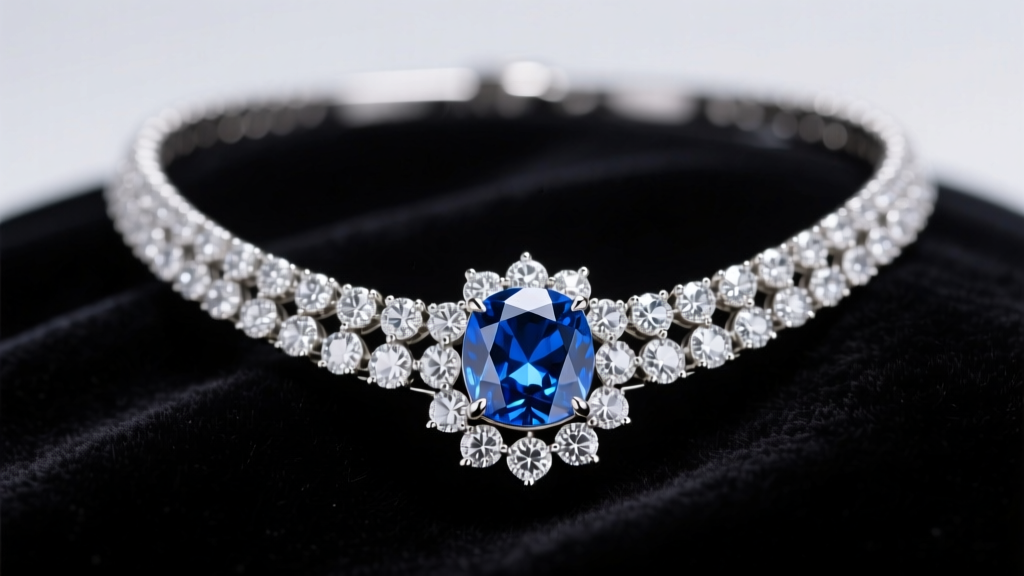
The Legacy of the Saudi Suite and Pearl Chokers
When examining the historical provenance of Princess Diana’s jewelry, few pieces capture the imagination quite like her wedding gifts. Among the most spectacular was the sapphire and diamond suite gifted by the Saudi Royal Family, alongside various Art Deco-inspired pearl and sapphire chokers. For modern collectors and jewelers recreating these iconic silhouettes, understanding the exact material properties is non-negotiable. A true homage to Diana's wedding gift necklace requires more than a superficial design match; it demands a rigorous adherence to the gemological and metallurgical standards of high jewelry.
According to the Royal Collection Trust, the provenance and material integrity of royal jewelry are meticulously documented. Modern buyers seeking to replicate the heavy, luxurious drape and optical brilliance of these 1980s masterpieces must navigate a complex landscape of natural versus lab-grown corundum, melee diamond grading, and precious metal alloys. This guide breaks down the exact specifications required to craft or authenticate a high-caliber sapphire pendant necklace.
Sapphire Properties: Natural Ceylon vs. Lab-Grown Corundum
The centerpiece of the Saudi suite necklace is a massive, oval-cut blue sapphire surrounded by a diamond halo. Sapphires rank at a 9 on the Mohs hardness scale, making them exceptionally durable for daily wear, but their internal chemistry and origin drastically alter their value and optical performance.
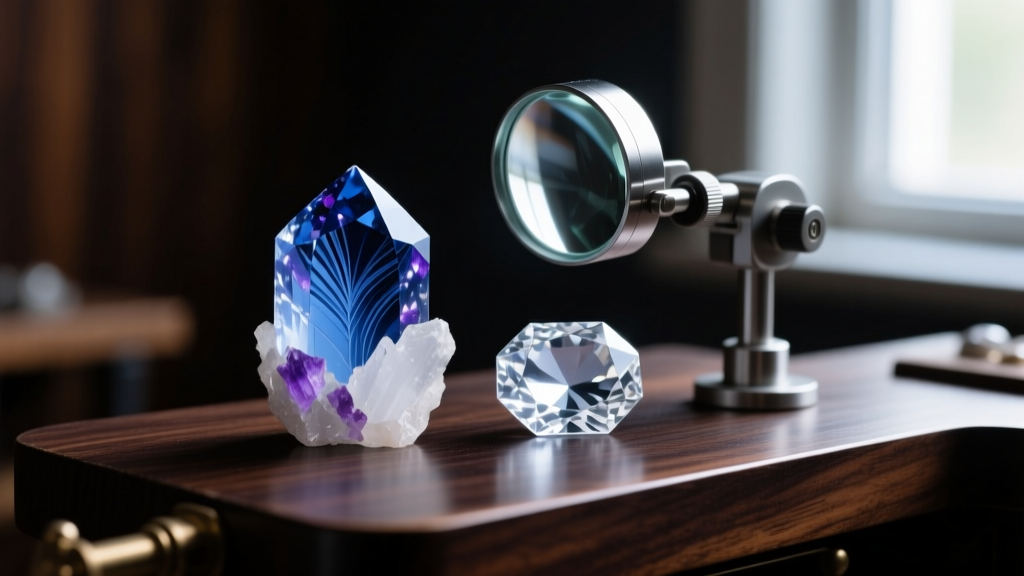
Natural Ceylon Sapphires
Natural sapphires from Sri Lanka (historically Ceylon) are prized for their 'cornflower' blue hue—a medium-light, highly saturated tone that lacks the inky darkness of some Australian or Thai stones. When sourcing natural stones for a homage piece, buyers must look for specific inclusion patterns. According to the Gemological Institute of America (GIA), natural Ceylon sapphires often contain fine rutile needles (silk) and color zoning. While heat treatment is standard and widely accepted in the trade to improve clarity and color, buyers should strictly avoid beryllium-diffused stones, which are lattice-treated to artificially induce color and hold a fraction of the resale value.
- Unheated Ceylon (2-4 carats): $4,000 to $12,000+ per carat.
- Heated Ceylon (2-4 carats): $1,500 to $4,500 per carat.
Lab-Grown Sapphires
For buyers prioritizing optical perfection and budget, lab-grown corundum is chemically identical to natural sapphire. However, the growth method matters. Flame fusion (Verneuil) sapphires are cheap and often exhibit curved striae, making them easily identifiable under magnification. Flux-grown lab sapphires, conversely, take months to grow and can contain platinum or flux inclusions that mimic natural stones, offering a much more authentic visual experience for high-end replica necklaces.
Diamond Accents: Clarity and Color Standards for Halos
The diamond halo and bail of Diana's sapphire pendant rely on melee diamonds—stones weighing between 0.01 and 0.18 carats. The brilliance of the halo is dictated by the cut quality, not just the carat weight.
Jewelers must specify Full Cut melee diamonds (57 or 58 facets) rather than Single Cut (17 or 18 facets). Single cut diamonds are cheaper but lack the scintillation required to properly frame a large sapphire. For a high-quality homage necklace, the melee should be graded in the G-H color range (near colorless) and VS1-VS2 clarity. Using D-color, Internally Flawless (IF) melee is an unnecessary expense, as the stones are too small to visibly display that level of perfection to the naked eye, yet it can inflate the necklace's price by 30% to 40%.
Metal Settings: Platinum vs. 18K White Gold
The structural integrity of a heavy sapphire pendant relies entirely on the metal setting. While the original 1980s pieces often utilized 18K gold or platinum, modern recreations must carefully weigh the metallurgical properties of white metals.
| Property | 950 Platinum (Ruthenium Alloy) | 18K White Gold (Palladium Alloy) |
|---|---|---|
| Density & Weight | 21.45 g/cm³ (Heavy, substantial drape) | 15.8 g/cm³ (Lighter, more comfortable for large pendants) |
| Prong Durability | Highly malleable; prongs bend but rarely snap. | Stiffer; prongs can snap under severe impact. |
| Surface Wear | Develops a soft patina; does not lose metal mass. | Requires Rhodium plating; plating wears off over time. |
| Cost (Relative) | Premium pricing due to density and casting difficulty. | More affordable, though Palladium alloys raise the base cost. |
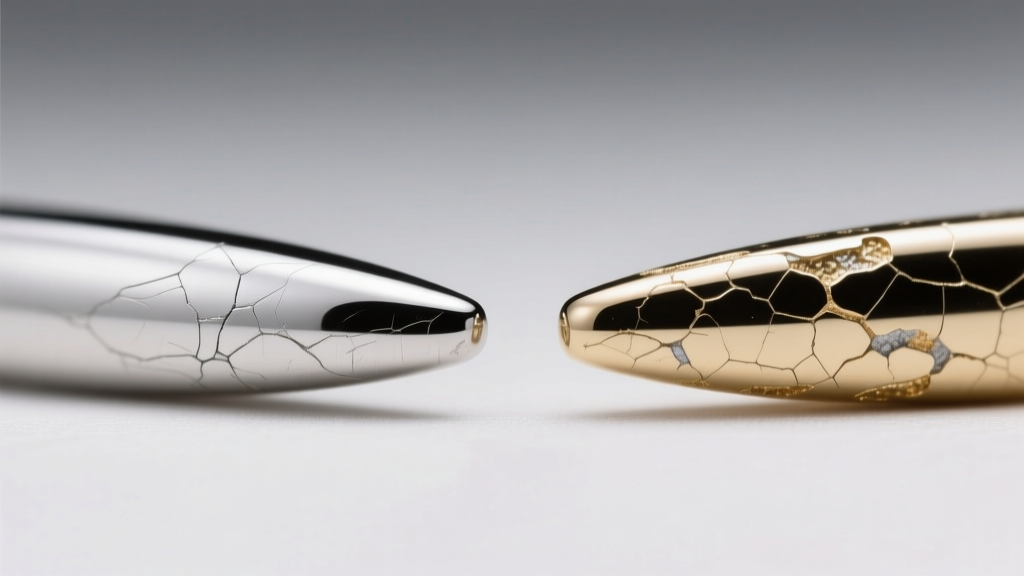
For a pendant that will be worn frequently, 950 Platinum alloyed with Ruthenium is the superior choice. Ruthenium provides a fine grain structure during casting, ensuring crisp details in the halo setting. White gold, particularly nickel-based alloys, requires periodic rhodium dipping to maintain the bright white illusion, which can become a maintenance burden over decades of wear.
Sourcing and Authenticating Modern Homage Pieces
When purchasing a necklace inspired by Diana's wedding gifts, documentation is your primary defense against misrepresentation. Natural sapphires of significant size must be accompanied by a report from a top-tier laboratory. The GIA, SSEF (Swiss Gemmological Institute), or Gübelin are the only reports universally trusted for high-value natural corundum. These reports will explicitly state whether the stone has evidence of heat treatment or lattice diffusion.
If you are opting for a lab-grown sapphire homage piece, ensure the seller provides an IGI or GCAL report. While lab stones are less expensive, a certificate guarantees the stone's chemical composition and ensures you are not accidentally paying natural prices for a synthetic stone.
Care and Maintenance for High-Value Sapphire Pendants
Despite their Mohs 9 hardness, sapphires require specific care protocols, particularly when set in intricate diamond halos.
- Ultrasonic Cleaners: Generally safe for untreated or standard heat-treated sapphires and diamond halos. However, if the sapphire has surface-reaching fractures or is fracture-filled with glass or resin, ultrasonic vibrations will shatter the stone.
- Steam Cleaners: Avoid using high-pressure steam on any sapphire with liquid inclusions (often called 'fingerprints'), as the rapid thermal shock can cause the liquid to expand and fracture the gem from the inside.
- Routine Cleaning: The safest method for maintaining the brilliance of a sapphire and diamond cluster is a soak in warm water with a few drops of mild, ammonia-free dish soap, followed by gentle agitation with a soft horsehair brush. This removes the sebum and cosmetics that accumulate under the gallery of the pendant, restoring the diamond halo's light return.
By prioritizing exact material grades, appropriate metal alloys, and rigorous gemological certification, collectors can acquire or commission a Diana-inspired sapphire necklace that honors the historical legacy while meeting the rigorous demands of modern high jewelry.


