H2O Just Add Water Bella Necklace: Material & Replica Guide
Discover the exact materials of the H2O Just Add Water Bella necklace. Compare gemstones, silver alloys, and chain gauges to build a lasting replica.

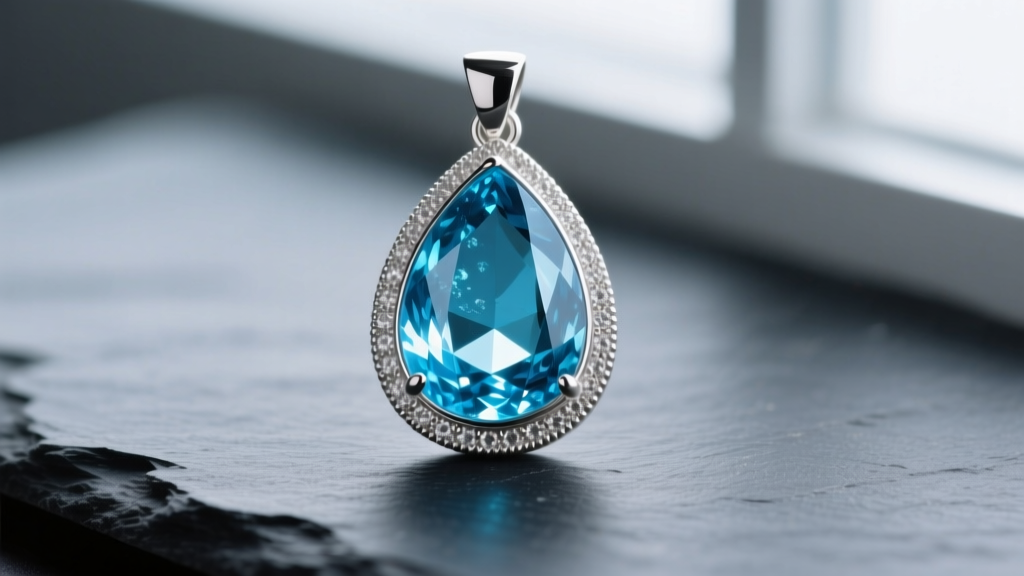
For fans of Australian teen fantasy television, few accessories carry the nostalgic weight of the h2o just add water bella necklace. Introduced in Season 3 when Bella Hartley (played by Indiana Evans) joined the mermaid pod, her signature blue crystal pendant became an instant icon. Representing her unique crystallization powers and deep connection to the ocean, the necklace is a masterclass in character-driven jewelry design. But what happens when you want to wear this piece in the real world, beyond the controlled environment of a television set?
As jewelry artisans and material scientists, we look past the screen-used props to examine what it takes to recreate this piece for daily wear. In this comprehensive 2026 guide, we break down the exact gemological properties, metallurgical grades, and chain mechanics required to build a high-quality, enduring replica of Bella's iconic mermaid necklace.
Screen-Used Props vs. Fine Jewelry Reality
On the set of H2O: Just Add Water, costume jewelry was designed for the camera, not for longevity. Screen-used props are typically cast from base metals like brass or pewter, heavily plated in silver or nickel, and set with glass, acrylic, or cubic zirconia stones. These materials are chosen to prevent unwanted glare under harsh studio lighting and to keep replacement costs low if a prop is lost in the sand or ocean during filming.
However, base metals react with the acidity in human sweat, leading to the dreaded 'green neck' effect caused by copper oxidation. Glass and acrylic lack the refractive index (RI) to truly mimic the deep, oceanic brilliance of Bella's crystal. To create a replica that honors the character while functioning as a genuine piece of fine jewelry, we must upgrade the materials to gemological and metallurgical standards suitable for lifelong wear.
Gemstone Breakdown: Capturing the Oceanic Blue
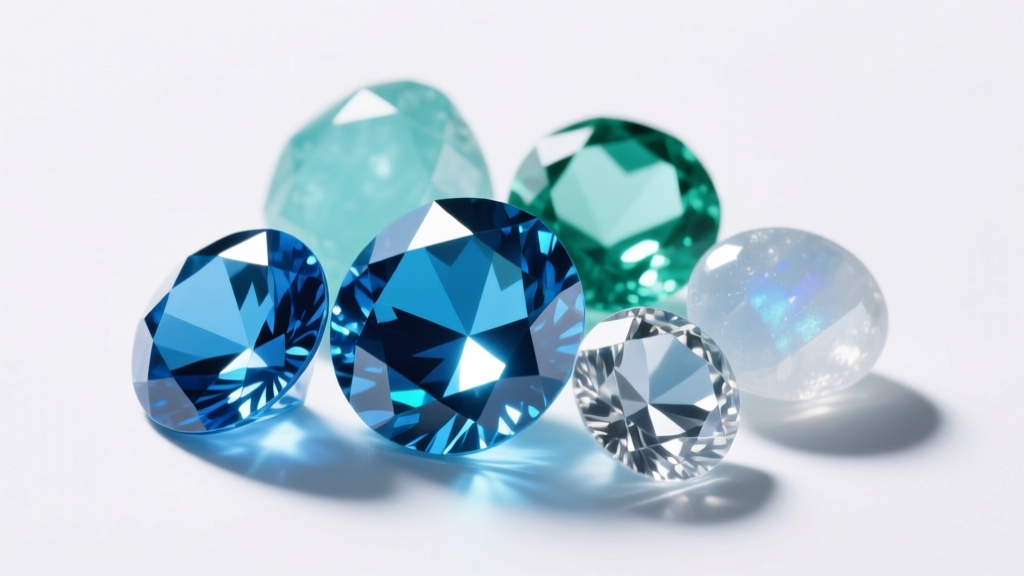
The focal point of the h2o just add water bella necklace is its teardrop (pear-cut) blue gemstone. To replicate the exact depth of color seen on screen, we must evaluate three primary contenders: Aquamarine, Blue Topaz, and Blue Moonstone. Each possesses distinct physical properties that affect durability, light performance, and price.
1. Aquamarine (The Beryl Standard)
Aquamarine is the most historically accurate choice for 'mermaid' jewelry. As a variety of beryl, it boasts a Mohs hardness of 7.5 to 8, making it highly resistant to scratching. Its natural pale-to-medium blue hue perfectly mimics shallow tropical waters. According to the Gemological Institute of America (GIA), aquamarine is dichroic, meaning it can show slightly different colors when viewed from different angles, adding a lifelike shimmer to the pendant.
2. Swiss and London Blue Topaz (The High-Impact Alternative)
If Bella's crystal appeared more saturated and deeply blue on screen, treated blue topaz is the superior visual match. Swiss Blue Topaz offers a bright, sky-blue vibrancy, while London Blue Topaz provides a deep, inky blue with grayish undertones. Topaz scores an 8 on the Mohs scale, but it has perfect basal cleavage, meaning a hard knock against a surface could potentially split the stone. The GIA Topaz Encyclopedia notes that topaz also has a higher refractive index than aquamarine, resulting in sharper facet reflections.
3. Blue Moonstone (The Mystical Choice)
For a more ethereal, magical interpretation of the necklace, blue moonstone offers a phenomenon known as adularescence—a billowy blue light that seems to float just beneath the surface. However, moonstone is significantly softer (Mohs 6-6.5) and requires a protective bezel setting to prevent chipping during daily wear.
| Gemstone | Mohs Hardness | Refractive Index | Color Profile | Estimated Cost (5ct Pear) |
|---|---|---|---|---|
| Aquamarine | 7.5 - 8.0 | 1.57 - 1.58 | Pale to medium ocean blue | $150 - $400 |
| Swiss Blue Topaz | 8.0 | 1.61 - 1.64 | Vibrant, bright sky blue | $40 - $90 |
| London Blue Topaz | 8.0 | 1.61 - 1.64 | Deep, inky grayish-blue | $60 - $120 |
| Blue Moonstone | 6.0 - 6.5 | 1.52 - 1.53 | Translucent with blue sheen | $80 - $200 |
Metallurgical Analysis: Choosing the Right Silver Alloy
The setting and bail of the h2o just add water bella necklace require a metal that is bright, malleable enough for detailed casting, and safe for prolonged skin contact. While the show likely used rhodium-plated brass, a true replica demands precious metals.
925 Sterling Silver: The Accessible Standard
Sterling silver is an alloy consisting of 92.5% pure silver and 7.5% copper. The copper provides the necessary tensile strength, as pure silver (999) is too soft to hold a gemstone securely. However, copper is prone to reacting with sulfur in the air, causing tarnish. To combat this, modern 2026 replicas often utilize Argentium silver (which replaces some copper with germanium for extreme tarnish resistance) or apply a thick flash of rhodium plating over the 925 base. The Silver Institute confirms that rhodium-plated sterling silver provides the bright, white-metal finish seen on television while protecting the wearer from nickel allergies often found in cheaper costume jewelry.
14k and 18k White Gold: The Premium Upgrade
For collectors willing to invest in a luxury replica, 14k or 18k white gold is the optimal choice. White gold is alloyed with metals like palladium or nickel to bleach the yellow hue of pure gold, and it is almost always plated in rhodium. It offers superior prong durability compared to silver, ensuring that a heavy 5-carat teardrop stone will not loosen over time.
Chain Mechanics: Gauge, Link Style, and Clasp Engineering
A pendant is only as secure as the chain that holds it. Bella's necklace features a delicate, shimmering chain that catches the light without overpowering the central crystal. When commissioning a replica, you must balance visual delicacy with structural integrity.
The Box Chain vs. The Cable Chain
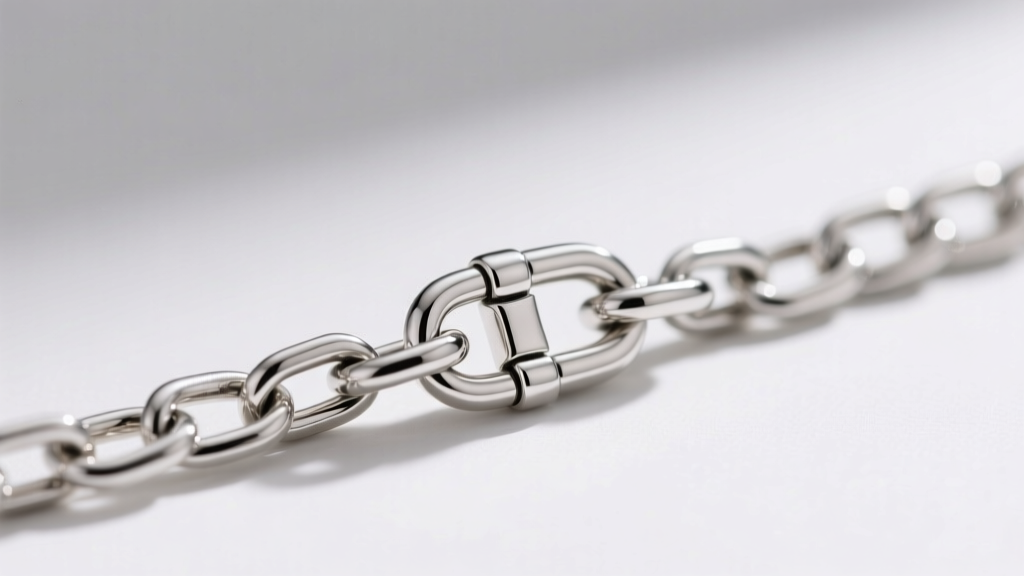
While a standard cable chain is common, a box chain (also known as a briolette chain) is the superior choice for this specific pendant. Box chains are constructed from square links connected at 90-degree angles, creating a continuous, reflective surface that mimics the shimmering effect of water. Furthermore, box chains are less likely to pull or snag on hair compared to rope or cable chains.
Gauge Thickness and Tensile Strength
For a 5-carat to 8-carat teardrop pendant (weighing approximately 1.5 to 3 grams), a chain gauge between 0.9mm and 1.2mm is ideal. Anything thinner (0.6mm) risks snapping under the dynamic stress of daily movement. Anything thicker (1.5mm+) will look visually clunky and ruin the delicate aesthetic of the original H2O costume design.
Clasp Selection
Discard the spring-ring clasp. Spring rings are notoriously difficult to operate with one hand and feature a thin wire mechanism that easily deforms. A high-quality replica must utilize a lobster claw clasp with a swivel joint. The swivel prevents the chain from twisting and kinking, which is a primary cause of metal fatigue and chain breakage over time.
Sourcing and Commissioning Your 2026 Replica
As of 2026, mass-produced knockoffs of the h2o just add water bella necklace flood online marketplaces, but they almost universally suffer from poor stone setting, hollow-chain construction, and nickel-heavy base metals. To acquire a piece that truly respects the source material, you have two viable paths:
- Custom CAD Commissioning: Partner with an independent jeweler on platforms like Etsy or through local guilds. Provide them with screen captures of the pendant's bail (the loop connecting the stone to the chain) and specify a 925 Argentium silver cast with a bezel or 4-prong setting for a pear-cut Aquamarine.
- Vintage and Estate Sourcing: Search for vintage 1990s or early 2000s sterling silver pear-cut topaz pendants. The jewelry design trends of that era heavily featured the exact teardrop bezel settings used in mid-2000s television costuming. Pairing a vintage estate pendant with a modern, high-quality 1.0mm rhodium-plated box chain yields a historically authentic and structurally sound result.
Final Thoughts on Mermaid Jewelry Care
Whether you choose the bright refraction of Swiss Blue Topaz or the natural oceanic hue of Aquamarine, maintaining your replica requires discipline. Never wear the necklace in chlorinated pools or saltwater—the chemicals will degrade the rhodium plating and dull the polish of the silver. Clean the gemstone monthly using a soft-bristled brush and a mild solution of warm water and dish soap, avoiding ultrasonic cleaners which can fracture treated topaz or shatter moonstone.
By prioritizing gemological hardness, proper silver alloys, and precision chain engineering, you can transform a fleeting piece of television costume history into a permanent, wearable artifact of your favorite mermaid lore.


