Zodiac Symbol Necklace Troubleshooting: Fix Tangles, Tarnish & Breaks
Learn how to troubleshoot common zodiac symbol necklace issues. Expert fixes for tarnished metals, tangled constellation chains, and broken clasps.

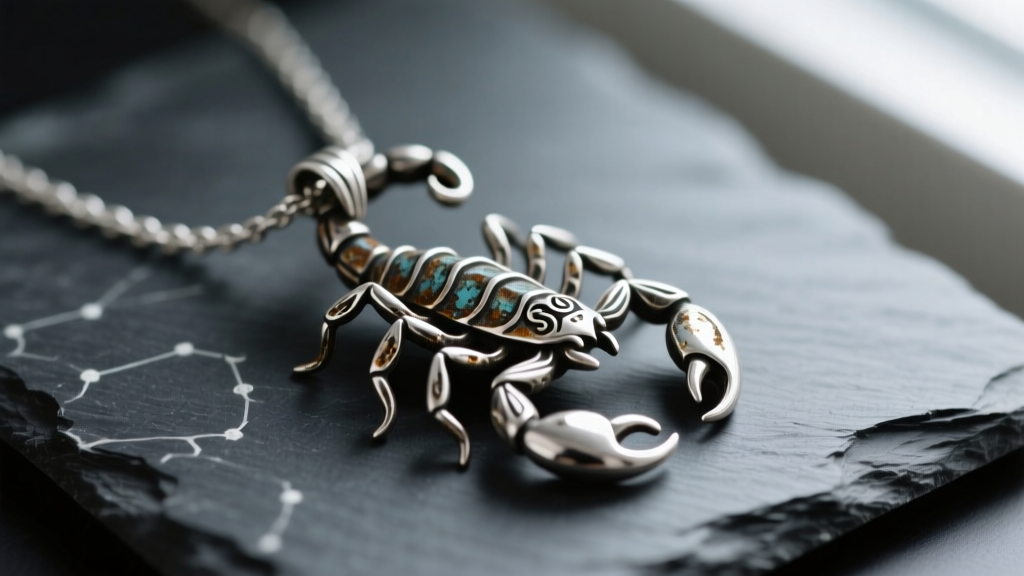
The Anatomy of Astrological Jewelry Failures
Astrological jewelry has seen a massive resurgence, but the intricate nature of a zodiac symbol necklace often makes it a magnet for structural and cosmetic failures. Unlike simple geometric pendants, zodiac pieces feature complex cutouts, varying weight distributions, and delicate constellation maps that trap moisture and snag on fabrics. Whether you are wearing a solid 14k gold Leo medallion or a silver-plated brass Virgo scales pendant, understanding the specific failure modes of your jewelry is the first step toward effective troubleshooting.
In this comprehensive guide, we will bypass generic jewelry care advice and dive deep into the metallurgy, mechanics, and physics of maintaining and repairing your zodiac necklaces. From reversing severe silver sulfide tarnish to rescuing micro-cable chains from impossible knots, here is your expert troubleshooting framework.
Troubleshooting Tarnish: Metal Grades and Chemical Reactions
The most frequent complaint with silver zodiac pendants is rapid blackening. This is not a defect in the silver itself, but a predictable chemical reaction. Sterling silver (stamped 925) contains 92.5% pure silver and 7.5% alloy metals, usually copper. It is this copper that reacts with sulfur and moisture in the air to create silver sulfide—the black tarnish that obscures the intricate engravings of your zodiac sign.
The Electrochemical Reversal Method
Polishing a zodiac pendant with a standard abrasive cloth will eventually wear down the raised details of the constellation or symbol. Instead, use an electrochemical reaction to convert the silver sulfide back into pure silver without removing any metal. According to the Jewelers of America, this method is highly effective for intricate pieces where polishing cloths cannot reach.
- Step 1: Line a glass bowl with aluminum foil, shiny side up.
- Step 2: Place your zodiac necklace on the foil, ensuring the tarnished silver touches the aluminum.
- Step 3: Sprinkle 2 tablespoons of baking soda and 1 tablespoon of sea salt over the jewelry.
- Step 4: Pour boiling water into the bowl until the piece is submerged. You will see bubbling and smell a faint sulfur odor.
- Step 5: After 5 minutes, remove with wooden tongs, rinse in distilled water, and pat dry with a microfiber cloth.
Warning: Never use this method if your zodiac necklace features porous gemstones like turquoise, opal, or pearls, as the heat and alkalinity will destroy them.
Gold Vermeil vs. Plated Brass
If your gold zodiac necklace is turning green or revealing a brassy undertone, you need to identify the base metal. Gold vermeil requires a thick 2.5-micron layer of gold over sterling silver. Standard gold-plated brass often has a gold layer of less than 0.5 microns. Once the plating wears off on a brass piece, the zinc and copper react with your skin's pH, causing green stains. The only permanent fix for a worn plated brass pendant is professional re-plating, which typically costs between $45 and $85 at a local bench jeweler.
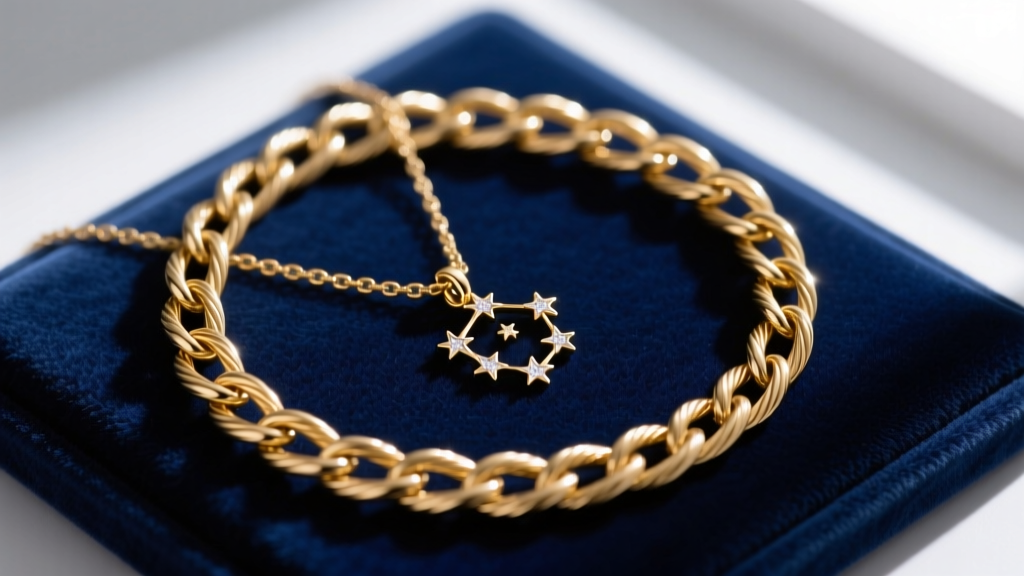
Untangling Intricate Constellation and Star Map Chains
Zodiac necklaces, particularly those featuring delicate constellation maps, almost exclusively use thin cable or box chains ranging from 0.8mm to 1.2mm in thickness. These micro-chains are notorious for tangling into tight, seemingly impossible knots, especially when stored loosely in a jewelry box.
Pulling at the knot will only tighten it, potentially warping the individual links or snapping the chain at the solder points. Here is the professional bench jeweler's method for untangling micro-chains:
- Isolate and Lubricate: Lay the necklace flat on a non-porous surface. Apply a generous amount of talcum baby powder or a drop of synthetic watch oil directly to the center of the knot. This reduces the friction coefficient between the metal links.
- The Twin-Pin Technique: Use two sewing needles or fine-tipped tweezers. Insert the tips into the very center link of the knot. Gently push the needles outward in opposite directions to create slack.
- Work the Perimeter: Once the center is loosened, use the needles to tease the outer loops inward. Never pull the ends of the chain; always push the slack toward the center.
- Clean the Residue: After untangling, wash the chain in a mild dish soap solution to remove the powder or oil, preventing future dirt buildup.
Clasp and Jump Ring Failures: Why Your Pendant Keeps Falling Off
Losing a heavy solid gold zodiac pendant because of a $2 clasp failure is a preventable tragedy. The hardware connecting your chain to the pendant and the clasp mechanism itself are the highest-stress points on any necklace.
The Jump Ring Vulnerability
The jump ring is the small circular link that attaches the zodiac pendant to the chain. If the jump ring is not soldered shut, the weight of the pendant will eventually pull the metal gap open, allowing the piece to slide off. Always inspect the jump ring on a new zodiac necklace. If you see a seam, take it to a jeweler to have it laser-soldered (usually a $15-$20 fix) before wearing it regularly.
Clasp Selection by Pendant Weight
Not all clasps are engineered for the same load-bearing capacity. The Federal Trade Commission's Jewelry Guides emphasize the importance of secure fastenings for valuable items, yet many manufacturers pair heavy pendants with inadequate clasps to cut costs.
| Clasp Type | Max Safe Weight | Failure Rate | Best Zodiac Application |
|---|---|---|---|
| Spring Ring (4mm-5mm) | Up to 8 grams | High (Internal spring fatigue) | Delicate Air/Water signs, thin chains |
| Lobster Claw (10mm-12mm) | Up to 25 grams | Low (Robust lever mechanism) | Standard solid silver/gold medallions |
| Box Clasp with Safety | 50+ grams | Extremely Low | Heavy, oversized Fire/Earth sign pieces |
If your zodiac pendant weighs more than 10 grams (roughly the weight of two US quarters) and is attached to a spring ring clasp, swap it for a 12mm lobster clasp immediately.
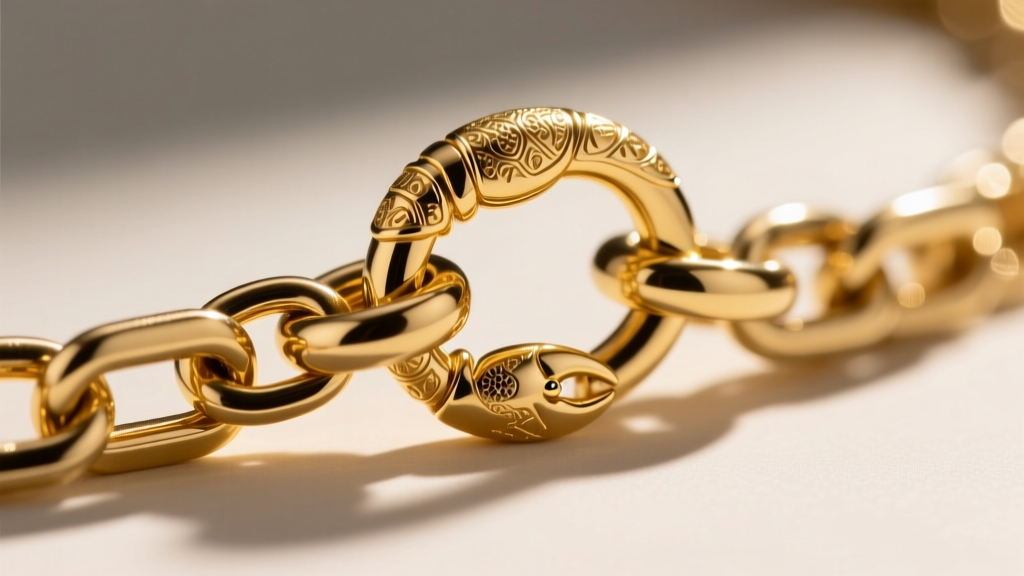
Sizing and Proportion: Matching Chain Gauge to Zodiac Pendants
A common structural error in astrological jewelry is pairing a massive, heavy zodiac pendant with a chain that lacks the tensile strength to support it. This leads to chain stretching, link deformation, and eventual snapping.
When selecting or replacing a chain for your zodiac symbol necklace, you must match the chain's gauge (thickness) and style to the pendant's weight and center of gravity.
- Lightweight Pendants (Under 5g): Ideal for intricate constellation outlines or minimalist zodiac glyphs. Use a 0.8mm to 1.0mm cable or box chain. These chains drape beautifully and allow the pendant to sit flat against the collarbone.
- Medium Pendants (5g - 15g): Standard for most die-struck sterling silver zodiac medallions. Require a 1.2mm to 1.5mm rope or wheat chain. The interlocking links of a wheat chain provide superior lateral strength compared to a standard cable chain.
- Heavy Pendants (15g+): Common in solid 14k/18k gold, oversized coin-style zodiac pieces, or pendants heavily encrusted with pavé diamonds. You must use a 2.0mm+ Cuban link, Figaro, or thick box chain. Anything thinner will warp under the dynamic load of daily movement.
Preventative Maintenance and Storage Protocols
Troubleshooting is necessary, but prevention is vastly more cost-effective. The environment in which you store your zodiac necklace dictates its lifespan.
Expert Insight: Never store multiple zodiac necklaces in the same compartment. The varying hardness of different metal alloys and the sharp edges of constellation points will cause micro-scratches and severe tangling. Use individual anti-tarnish polybags infused with silver-guard technology.
To maintain the structural integrity of your zodiac symbol necklace, implement a bi-annual hardware check. Use a jeweler's loupe (10x magnification) to inspect the bail (the loop the chain passes through) for thinning metal, check the clasp spring for sluggish return, and ensure all prongs holding any accent gemstones are flush against the stone. By treating your astrological jewelry with mechanical respect rather than just sentimental value, you ensure your zodiac symbol necklace remains a durable, lifelong heirloom.


