Choosing the Best Butterfly Necklace for Women: A Buyer's Guide
Discover how to choose the perfect butterfly necklace for women. Our expert guide covers materials, chain types, enamel techniques, and pricing.

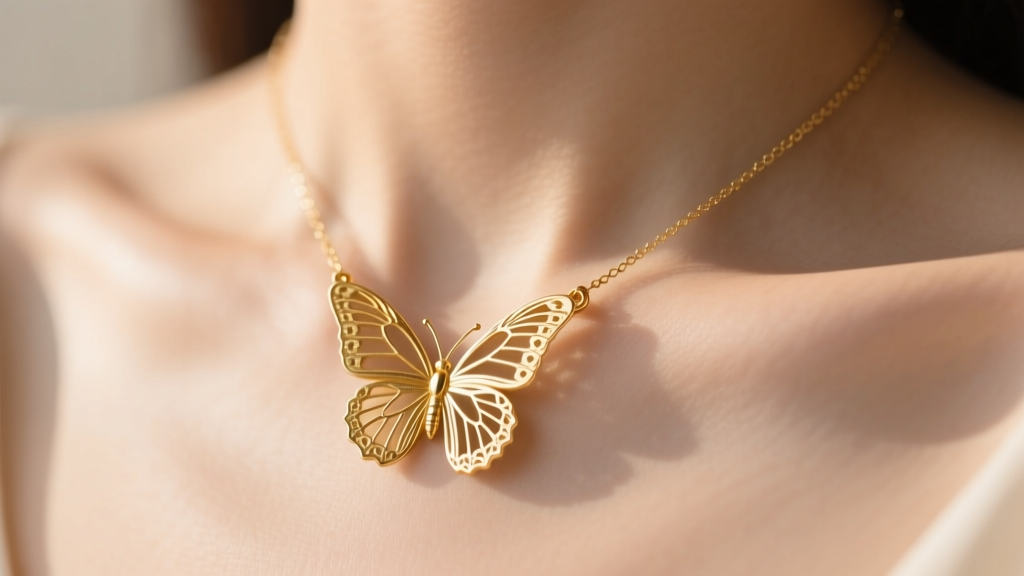
The Enduring Allure of Butterfly Jewelry
Finding the perfect butterfly necklace for women requires looking past the initial sparkle and evaluating the structural integrity, material quality, and design proportions of the piece. The butterfly motif has symbolized transformation, hope, and elegance for centuries, but the modern jewelry market offers an overwhelming array of interpretations. From ultra-minimalist gold outlines to elaborate, gemstone-encrusted 3D sculptures, knowing what to look for ensures your investment lasts a lifetime.
In 2026, we are seeing a distinct shift away from mass-produced, flat-cast designs toward artisanal techniques like guilloché enamel, mixed-metal inlays, and asymmetrical wing structures. This comprehensive buying guide will walk you through the exact specifications, material grades, and hardware details you need to inspect before making a purchase.
Decoding Materials: Metals, Enamel, and Gemstones
The longevity and aesthetic appeal of a butterfly pendant rely heavily on its core materials. Because butterfly wings often feature intricate, lace-like filigree or delicate outer edges, the metal must strike a balance between malleability for design and hardness for daily wear.
Precious Metals: 14k vs. 18k vs. Platinum
- 14k Gold (58.5% purity): The optimal choice for intricate butterfly wings. The higher alloy content (usually mixed with copper or zinc) provides the tensile strength needed to prevent thin wing tips from bending or snapping when caught on clothing.
- 18k Gold (75% purity): Offers a richer, warmer yellow hue but is noticeably softer. If you choose 18k, look for designs with thicker, sculptural wings rather than delicate wirework.
- Platinum: Extremely durable and naturally white, making it an excellent base for diamond pavé butterflies. However, its density makes it heavier, requiring a sturdier chain to prevent the pendant from dragging the necklace down.
Enamel Techniques: Guilloché vs. Cold Enamel
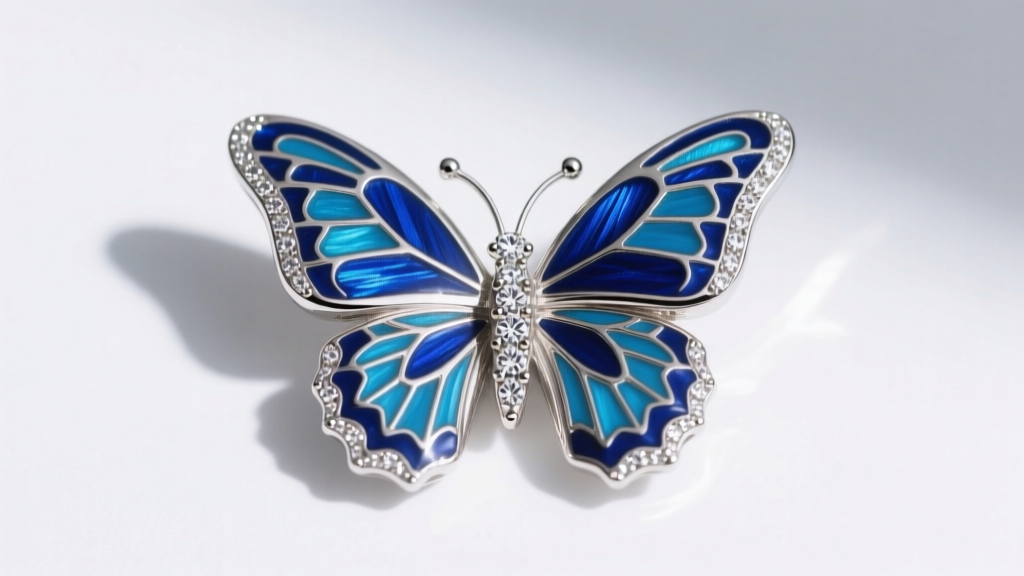
Colorful butterfly necklaces often utilize enamel, but not all enamel is created equal. According to historical jewelry conservation standards, true guilloché enamel involves fusing translucent glass powder over engine-turned, geometrically engraved metal at high temperatures. This creates a mesmerizing, stained-glass effect that catches the light. Conversely, 'cold enamel' is essentially an epoxy resin. While cold enamel is cheaper and more impact-resistant, it will yellow and degrade over a decade, whereas fired glass enamel can last for generations if protected from hard impacts.
Selecting the Right Chain and Bail
A common mistake buyers make is focusing entirely on the pendant while ignoring the chain and bail (the loop connecting the pendant to the chain). The anatomy of your necklace dictates how it drapes and how securely it fastens.
Chain Styles for Butterfly Pendants
For lightweight, minimalist butterfly silhouettes (under 3 grams), a 0.8mm to 1.0mm cable chain is ideal. It remains unobtrusive and lets the pendant take center stage. For heavier, 3D, or gemstone-set butterflies, upgrade to a 1.2mm to 1.5mm box chain. Box chains feature interlocking square links that offer superior tensile strength and resist kinking, which is crucial for supporting top-heavy pendants.
The Bail and Jump Ring
Inspect the jump ring (the small circular wire connecting the bail to the chain). High-end jewelers will use a soldered jump ring, meaning the gap in the wire is fused shut with a laser or torch. If the jump ring is merely pushed together, the constant friction of the chain can eventually wear through the soft metal, causing you to lose the pendant. Always look for soldered connections on pieces priced above $150.
Butterfly Design Styles: A Comparative Guide
The market is saturated with variations of the butterfly motif. Use this comparison chart to align the design style with your personal aesthetic and lifestyle requirements.
| Design Style | Best For | Durability Risk | Avg. Price Range |
|---|---|---|---|
| Minimalist Outline | Everyday layering, casual wear | Low (if 14k or platinum) | $40 - $120 |
| 3D Sculptural | Statement pieces, evening wear | Medium (prone to snagging) | $250 - $800+ |
| Enamel / Guilloché | Vintage lovers, color enthusiasts | High (glass can chip if dropped) | $150 - $500 |
| Diamond Pavé | Luxury buyers, milestone gifts | Low (metal protects stones) | $600 - $3,000+ |
| Asymmetrical / Mismatched | Trend-forward, modern styling | Low to Medium | $80 - $300 |
Matching Necklines and Proportions
The visual impact of a butterfly necklace for women changes drastically depending on the chain length and the neckline of the garment.
- Choker (14-16 inches): Best paired with off-the-shoulder tops or deep V-necks. A small, 10mm-15mm butterfly pendant sits perfectly in the hollow of the throat, drawing the eye upward.
- Princess (18 inches): The most versatile length. It rests on the collarbone and pairs beautifully with crew necks, button-down shirts, and wrap dresses. Opt for a medium-sized pendant (20mm-25mm) to ensure it doesn't get lost in the fabric.
- Matinee (20-24 inches): Ideal for high-neck blouses or turtlenecks. A larger, elongated butterfly design or a Y-chain style with a dangling butterfly element creates a slimming, vertical line.
Pricing Tiers and What to Expect
Understanding the pricing structure helps you avoid overpaying for brand names or underpaying for suspiciously cheap materials.
Budget ($20 - $80)
In this tier, expect sterling silver (925) with rhodium plating to prevent tarnish, or gold vermeil (a thick layer of gold over sterling silver). Gemstones will likely be lab-created cubic zirconia or synthetic spinel. Ensure the piece is stamped '925' and buy from reputable sellers to avoid nickel-heavy base metals that cause contact dermatitis.
Mid-Range ($100 - $400)
Here you will find solid 10k and 14k gold pieces, high-quality cold enamel, and semi-precious stones like blue topaz, amethyst, or mother-of-pearl inlays. The casting quality will be noticeably smoother, with polished edges that won't catch on delicate silk fabrics.
Luxury ($500+)
Luxury butterfly necklaces feature 18k gold or platinum, natural earth-mined diamonds, and master-level plique-à-jour (backless enamel) or guilloché techniques. According to the Gemological Institute of America (GIA), when purchasing pavé diamond butterflies in this tier, always request a grading report or detailed invoice specifying the diamond color and clarity (typically VS-SI clarity and G-H color for high-end melee diamonds).
Inspecting the Hardware: Clasps and Maintenance
The clasp is the most common point of failure on any necklace. Avoid spring-ring clasps on chains thicker than 1.0mm; they are difficult to operate and the internal spring mechanism frequently fails. Instead, look for a lobster clasp, which features a solid, spring-loaded lever that is far more secure and easier to fasten.
Expert Care Tip: If your butterfly necklace features pearl inlays or porous stones like turquoise on the wings, never use ultrasonic cleaners. The high-frequency vibrations can fracture the stones or dissolve the adhesive holding them in place. Stick to a soft, lint-free cloth and mild soapy water, as recommended by Jewelers of America.
Final Verdict: Making the Right Choice
Choosing the ideal butterfly necklace for women ultimately comes down to balancing aesthetic preference with material reality. If you desire a piece for daily, never-take-off wear, prioritize a solid 14k gold minimalist outline on a soldered box chain. If you are seeking a wearable piece of art for special occasions, invest in a 3D sculptural design with guilloché enamel or natural diamond pavé. By scrutinizing the jump rings, understanding metal purity, and matching the chain length to your wardrobe, you will secure a transformative piece of jewelry that endures for decades.


