Step-by-Step Guide to Buying a Necklace with Diamond Pendant
Master the 4Cs, chain pairing, and styling with our step-by-step guide to buying and wearing a necklace with diamond pendant for any occasion.

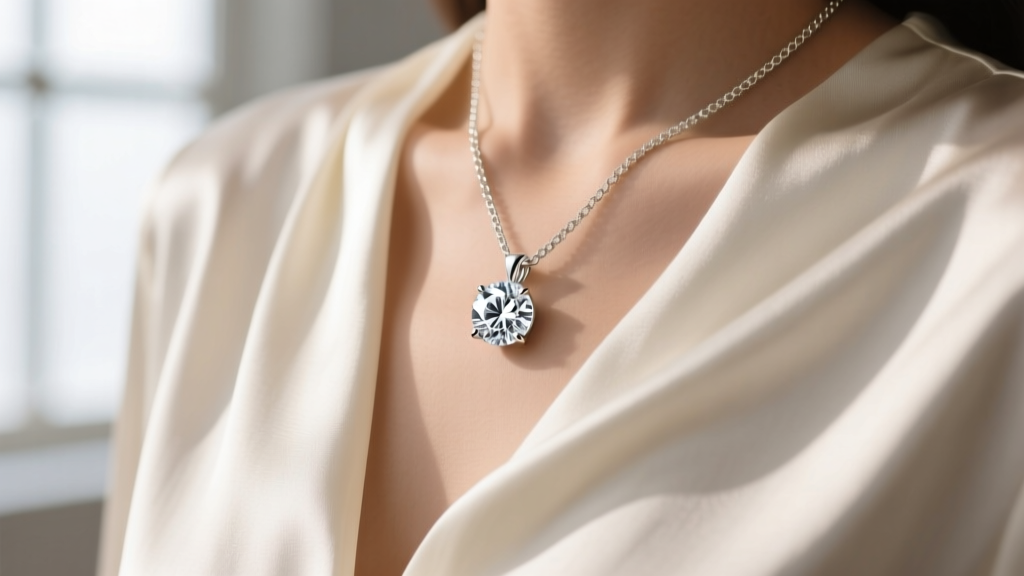
A necklace with diamond pendant remains one of the most versatile and enduring investments in fine jewelry. However, selecting the perfect piece requires navigating a maze of gemological grading, metallurgical choices, and structural engineering. Unlike diamond studs that sit flush against the ear, a pendant is in constant motion, catching light dynamically while enduring the physical stress of swinging against the body. In 2026, with the rise of precision-cut lab-grown diamonds and advanced chain-weaving techniques, buyers have more options than ever. This step-by-step guide will walk you through the exact specifications, structural pitfalls, and styling frameworks needed to choose a piece that is both breathtaking and built to last.
Step 1: Decoding the Diamond (The 4Cs for Pendants)
When evaluating a diamond for a pendant, the standard hierarchy of the 4Cs shifts. Because the stone hangs vertically and moves constantly, Cut is unequivocally the most critical factor. A poorly cut diamond will look dull and lifeless against the skin, regardless of its color or clarity. According to the Gemological Institute of America (GIA), an Excellent or Ideal cut grade ensures maximum light return, which is essential for a piece that relies on kinetic movement to sparkle.
Color and Clarity Adjustments
For pendants, you can safely downgrade Color and Clarity to maximize your budget without sacrificing visual beauty. Because the diamond is viewed from a distance of roughly 12 to 18 inches (the distance between your neckline and an observer's eye), minor inclusions and slight warmth are imperceptible.
- Color: Target the G to I range (Near Colorless). When set in yellow or rose gold, even a J or K color diamond will face up beautifully, saving you up to 30% compared to a D-F colorless stone.
- Clarity: VS2 to SI1 is the sweet spot. Ensure the inclusions are not located directly under the table (the flat top facet) or near the girdle where prongs will be placed, as prong pressure on an SI1 inclusion can cause a fracture.
| Carat Weight | Approx. Diameter (mm) | Visual Impact on Neckline | Avg. Price Range (2026, G/VS2 Natural) |
|---|---|---|---|
| 0.25 ct | 4.1 mm | Subtle, minimalist, ideal for layering | $600 - $900 |
| 0.50 ct | 5.2 mm | Classic everyday size, noticeable sparkle | $1,500 - $2,200 |
| 1.00 ct | 6.5 mm | Statement piece, high visibility | $4,500 - $6,500 |
| 2.00 ct | 8.2 mm | Bold, glamorous, requires heavier chain | $12,000 - $18,000 |
Step 2: Selecting the Right Chain and Bail
The chain and bail (the loop that connects the pendant to the chain) are the structural backbone of your necklace. A common failure mode in fine jewelry is a heavy pendant snapping a delicate chain or wearing through a poorly matched bail.
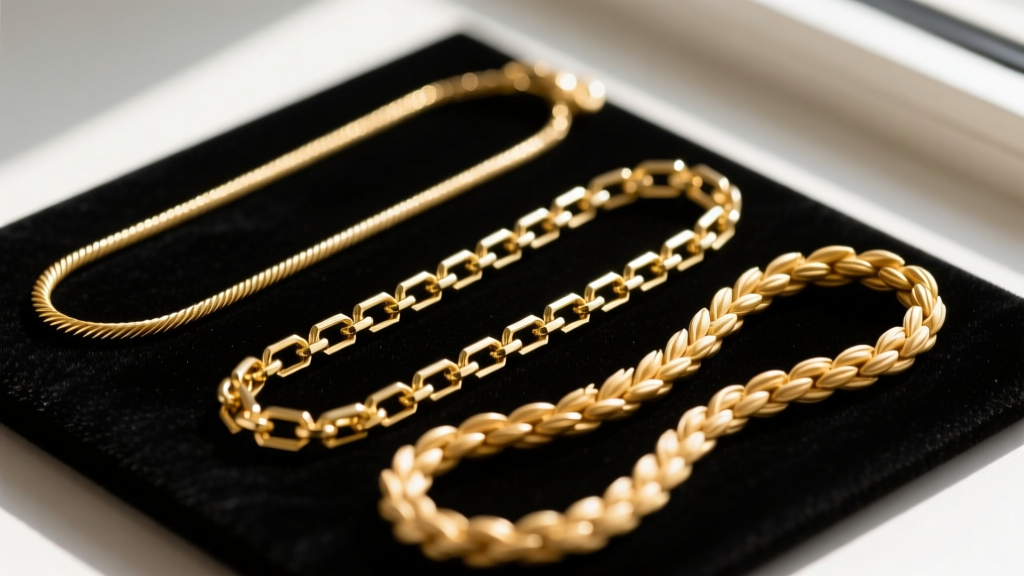
Chain Weaves and Tensile Strength
For a necklace with diamond pendant weighing under 2 carats (roughly 1.5 to 3 grams total), a chain thickness between 0.9mm and 1.2mm is optimal.
- Box Chains: The gold standard for pendants. The interlocking square links offer superior tensile strength and lie perfectly flat, preventing the pendant from twisting.
- Cable Chains: Classic and lightweight, but the oval links can stretch over time if the pendant is too heavy. Best reserved for sub-0.50 carat stones.
- Wheat Chains: Visually stunning with a braided texture, but the tight links can pull fine chest hair and are notoriously difficult to repair if they kink or snap.
Bail Engineering: Avoid the Pinch Bail
Always inspect the bail. Avoid "pinch bails," which use two tiny metal prongs that pinch the diamond's girdle to hold it in place. These can chip the diamond upon impact. Instead, opt for a soldered European bail or a hidden halo bail that is permanently laser-welded to the metal setting of the pendant itself, ensuring the diamond never bears the structural weight of the chain.
Step 3: Metal Purity and Prong Security
The metal you choose for the pendant setting dictates both the aesthetic and the longevity of the prongs holding your diamond.
"Platinum is the premier choice for diamond prongs because of its malleability and density. When platinum is scratched or bumped, the metal displaces rather than wearing away, maintaining the structural integrity of the prong over decades."
— Master Bench Jeweler, Jewelers of America
14k vs. 18k Gold vs. Platinum
While 18k gold (75% pure gold) offers a richer, warmer hue, it is softer and more prone to scratching. 14k gold (58.5% pure gold) is harder and more durable for everyday wear, making it an excellent, cost-effective choice for pendant settings. However, if you are setting a diamond larger than 1.00 carat, upgrade to Platinum (950). Platinum prongs can be bent back into place if caught on a sweater, whereas white gold prongs can snap outright when subjected to sudden shear stress.
4-Prong vs. 6-Prong Settings
A 4-prong setting allows more light to enter the diamond and makes a round stone appear slightly more square. A 6-prong setting makes a round brilliant look perfectly circular and offers redundant security; if one prong fails, the remaining five will still hold the stone securely against your chest.
Step 4: Proportions and Neckline Matching
A necklace with diamond pendant must be proportioned to the wearer's anatomy and styled to complement specific garment necklines. The standard "Princess" length (18 inches) is universally flattering, dropping just below the collarbone, but adjusting the length can dramatically alter the visual impact.

Neckline Pairing Matrix
- V-Neck & Scoop Necks: Pair with an 18-inch to 20-inch chain. The pendant should rest roughly one inch above the apex of the V-neck to create a harmonious, elongated visual line.
- Boat Neck & High Collars: Opt for a 16-inch "Choker" length. A shorter chain ensures the pendant rests on bare skin or a high fabric collar, preventing it from getting lost in the folds of the garment.
- Button-Down Shirts: Wear the pendant *under* the collar with 2-3 buttons undone, utilizing a 16-inch or 18-inch chain to frame the face without interfering with the lapels.
Step 5: Maintenance, Cleaning, and Safety Protocols
Diamonds are lipophilic, meaning they attract and hold onto oils from your skin, lotions, and cosmetics. A buildup of just 0.1mm of oil on the pavilion (the bottom of the diamond) will reduce light return by up to 40%, making the stone look cloudy and dead.
The Safe At-Home Cleaning Method
- Mix a few drops of mild, ammonia-free dish soap (like Dawn) into a bowl of warm distilled water.
- Soak the necklace for 15 minutes to loosen sebum and cosmetic residue.
- Use a brand-new, ultra-soft baby toothbrush to gently sweep the underside of the diamond and the crevices around the prongs.
- Rinse under warm running water (always over a closed drain or a strainer bowl) and pat dry with a lint-free microfiber cloth.
Ultrasonic and Steam Warnings
While ultrasonic cleaners are excellent for plain metal chains, they can be disastrous for certain diamonds. According to the Federal Trade Commission (FTC) Jewelry Guides, sellers must disclose if a diamond has been fracture-filled or laser-drilled. If your pendant contains a fracture-filled diamond, the high-frequency vibrations of an ultrasonic cleaner can shatter the stone or melt the glass-like filler. Furthermore, never use ultrasonic cleaners on pendants featuring secondary gemstone accents like emeralds, opals, or treated sapphires, as the vibrations will cause them to fracture.
Final Thoughts on Your Investment
Choosing the right necklace with diamond pendant is an exercise in balancing gemological science with structural pragmatism. By prioritizing an Ideal cut, selecting a robust box chain with a soldered bail, and matching the metal purity to the carat weight, you ensure that your pendant is not just a beautiful accessory, but a resilient heirloom capable of withstanding the rigors of daily wear. Whether you opt for a minimalist 0.25-carat solitaire for layering or a bold 1.50-carat statement piece for evening wear, the meticulous attention to these five steps guarantees a purchase you will cherish for a lifetime.


