How to Buy a Pearl Necklace: The 2026 Beginner's Guide
Master pearl grades, luster, and stringing techniques. Our beginner-friendly guide shows you exactly how to buy a pearl necklace that lasts a lifetime.


There is a common typo in the jewelry world: people often search for how to 'pearl a necklace' when they actually mean how to choose, grade, or restring one. Whether you are looking to buy your first strand or actually want to learn the craft of stringing (pearling) a necklace yourself, understanding the anatomy of these organic gems is critical. Unlike mined diamonds, pearls are created by living mollusks, making their grading, care, and structural integrity entirely unique.
This beginner-friendly explainer will demystify pearl types, luster grades, and the vital structural components—like French wire and silk knotting—that dictate a necklace's longevity and price in 2026.
Decoding Pearl Types: What Are You Actually Buying?
Not all pearls are created equal. The market is dominated by four primary saltwater and freshwater varieties. Knowing the difference prevents you from overpaying for a lower-tier specimen.
- Akoya Pearls: The classic, perfectly round white pearl. Grown primarily in Japan and China, they offer the sharpest, mirror-like luster. Expect to pay $300–$1,500 for a high-quality 18-inch strand (7-8mm).
- Freshwater Pearls: Grown mostly in China, these are the most affordable and durable because they are solid nacre (no bead nucleus). Modern 'Edison' freshwater pearls now rival saltwater rounds. Price range: $50–$400.
- Tahitian Pearls: Famous for their dark, peacock-green and aubergine overtones. They are large (9-14mm) and exotic. Price range: $500–$3,000+.
- South Sea Pearls: The 'Rolls Royce' of pearls. Grown in Australia and the Philippines, they are massive (10-20mm) with a soft, satiny luster. Price range: $1,000–$10,000+.
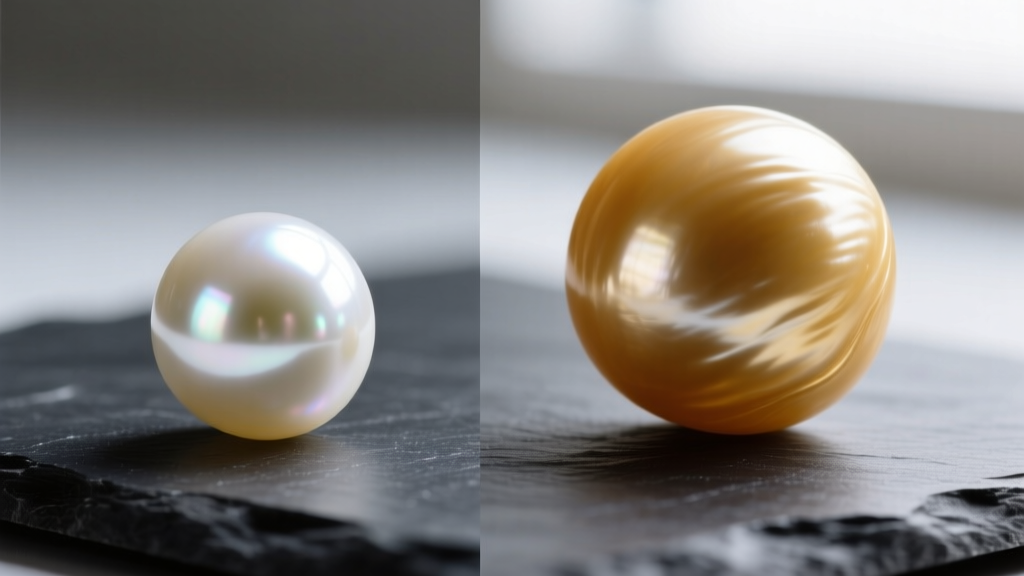
The Luster and Nacre Thickness Matrix
Luster is the single most important value factor. It refers to the sharpness of light reflecting off the pearl's surface. However, luster is entirely dependent on nacre thickness (the layers of calcium carbonate the oyster secretes). If a saltwater pearl is harvested too early, the nacre is thin, leading to a chalky appearance and eventual peeling.
| Luster Grade | Visual Description | Nacre Quality | Beginner Verdict |
|---|---|---|---|
| Excellent (AAA/A) | Sharp, mirror-like reflections. You can see your face clearly. | Thick, durable nacre. | Highly Recommended for heirlooms. |
| Very Good (AA/A) | Bright reflections, but slightly softer edges. | Medium to thick nacre. | Great for everyday wear. |
| Good (A) | Weak, hazy, or blurred reflections. | Thin nacre; risk of peeling. | Avoid. Poor long-term investment. |
| Chalky/Poor | Dull, matte appearance with no reflection. | Paper-thin nacre over a bead. | Walk away immediately. |
Structural Integrity: How to 'Pearl' (String) a Necklace Properly
If you are researching how to string—or 'pearl'—a necklace, or evaluating the craftsmanship of a vintage strand, you must look at the silk and the clasps. According to the Gemological Institute of America (GIA), proper stringing is what keeps a pearl necklace from catastrophic failure.
The Necessity of Individual Silk Knotting
A high-quality pearl necklace must be strung on 100% silk thread with a hand-tied knot between every single pearl. This serves two purposes:
- Abrasion Prevention: Pearls rank only 2.5 to 4.5 on the Mohs hardness scale. If they touch, they will grind against each other and wear down the nacre.
- Damage Control: If the silk snaps, you lose only one pearl to the floor instead of the entire strand scattering.

French Wire and Clasp Hardware
Inspect the ends of the necklace where the silk loops through the metal clasp. There should be a tiny coil of precious metal called French wire (or gimp wire) protecting the silk from being sliced by the metal jump ring. If the silk touches the metal directly, it will fray and break within a year of regular wear. Furthermore, ensure the clasp is solid 14k or 18k gold; pearl silk degrades faster when exposed to the copper and nickel alloys found in cheap base metals.
Real-World Pricing and Sizing Guide
Pearl sizing dramatically impacts price due to the exponential rarity of larger, perfectly round specimens. Here is a baseline pricing matrix for an 18-inch princess-length strand in 2026:
| Pearl Type | 6.0 - 7.0mm | 7.0 - 8.0mm | 8.0 - 9.0mm+ |
|---|---|---|---|
| Akoya | $250 - $400 | $500 - $900 | $1,200 - $3,500+ |
| Freshwater (Round) | $80 - $150 | $150 - $300 | $400 - $800 |
| Tahitian | N/A (Rarely this small) | $400 - $800 | $1,500 - $5,000+ |
Essential Care Rules for Organic Gems
Pearls are organic and porous. They require a completely different care regimen than diamonds or sapphires. The American Pearl Society recommends the following strict protocols:
- Last On, First Off: Put pearls on after applying perfume, hairspray, and cosmetics. The acids and alcohols in these products will dissolve the nacre and destroy the luster.
- Never Ultrasonic: Never put pearls in an ultrasonic cleaner. The high-frequency vibrations will shatter the nacre layers.
- Wipe After Wear: Use a damp, lint-free microfiber cloth to wipe off body oils and sweat before storing them.
- Store Flat and Breathable: Never store pearls in a sealed plastic bag (they need moisture) or hanging on a hook (the silk will stretch and sag over time). Lay them flat in a soft pouch.
Whether you are learning to restring a vintage heirloom or shopping for your first strand of Akoyas, prioritizing thick nacre, individual knotting, and proper structural hardware will ensure your necklace survives for generations.


