How to Buy and Style a Flawless 2ct Diamond Necklace
Master the art of selecting a 2ct diamond necklace. Learn expert tips on the 4Cs, chain gauges, settings, and styling techniques for maximum brilliance.

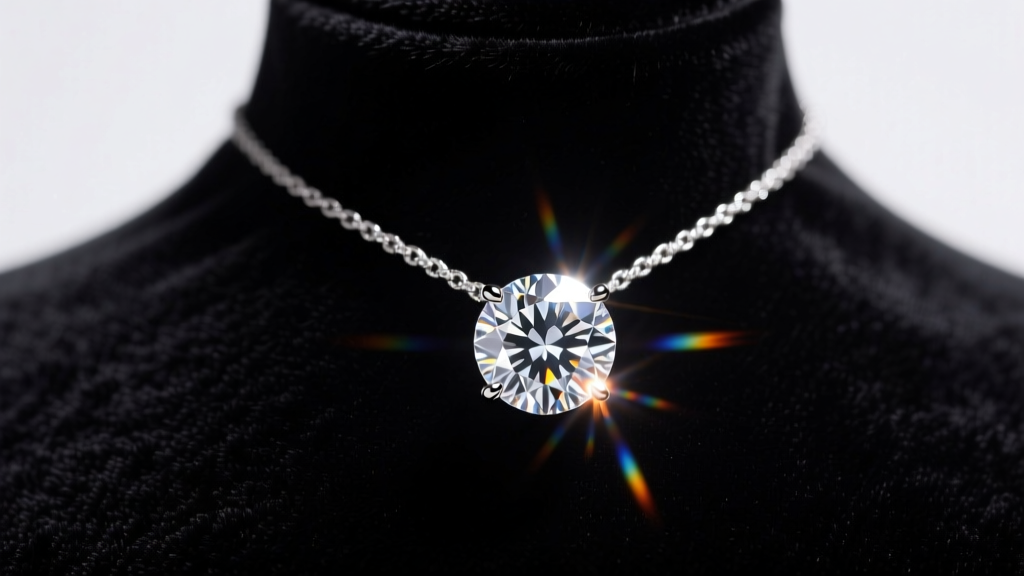
Investing in a 2ct diamond necklace is a milestone purchase that bridges the gap between everyday elegance and high-jewelry glamour. A two-carat solitaire pendant commands attention, catching the light with every movement. However, navigating the complexities of diamond grading, structural integrity, and chain pairings requires a strategic approach. A stone of this magnitude is not just a visual centerpiece; it is a physical weight that demands specific hardware to ensure longevity and security.
In this comprehensive guide, we break down the exact specifications, structural requirements, and styling frameworks you need to confidently select, assemble, and wear a flawless 2-carat diamond pendant.
Step 1: Decoding the 4Cs for a 2-Carat Stone
When evaluating a diamond of this size, the standard rules of thumb shift. A 2-carat round brilliant diamond measures approximately 8.1mm in diameter. Because the table (top facet) is so large, inclusions and color tints become much more visible to the naked eye than they would in a 0.50ct stone. According to the GIA's 4Cs of Diamond Quality, here is the optimal sweet spot for maximizing brilliance without overpaying for invisible perfection:
- Cut: Never compromise here. Insist on an "Excellent" or "Ideal" cut grade. A poorly cut 2ct diamond will suffer from light leakage, appearing dull and glassy despite its massive carat weight.
- Color: Target the G to H range. In white gold or platinum settings, G and H diamonds face up completely colorless to the untrained eye. Stepping up to D or E color yields diminishing visual returns while inflating the price by 20% to 30%.
- Clarity: Aim for VS1 or VS2. At 8.1mm, SI1 inclusions might be visible without magnification, especially near the edges. VS grades guarantee an eye-clean stone while avoiding the steep premium of VVS or Flawless categories.
- Carat Weight: Be precise. A "2ct" diamond might actually be 1.92ct. While 1.92ct saves money, ensure the millimeter spread is close to 8.0mm so you aren't paying for hidden weight in a deep pavilion.
Step 2: Selecting the Right Setting and Basket
The setting dictates both the security of your 2ct diamond necklace and its visual profile. The two most common settings for solitaire pendants are the martini and the basket.
The 3-Prong Martini Setting
The martini setting uses three prongs, allowing maximum light to enter the sides of the diamond. However, because a 2-carat stone is heavy, a martini setting can cause the pendant to droop forward on the chest if the bail (the loop connecting to the chain) is not perfectly counterbalanced. If you choose a martini, ensure the jeweler uses a reinforced, heavy-duty bail.
The 4-Prong Basket Setting
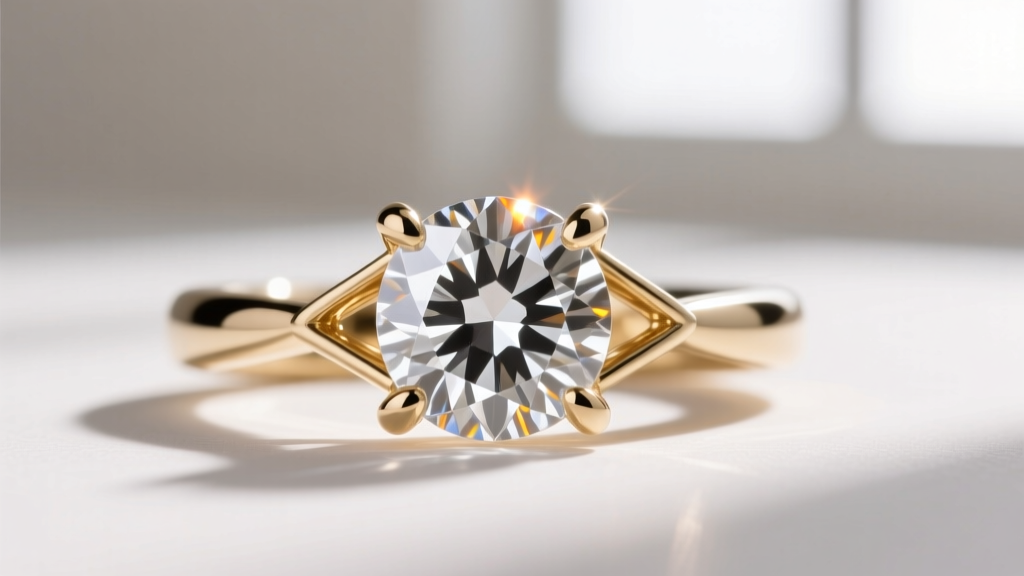
For a 2-carat stone, the 4-prong basket setting is generally the superior choice. The horizontal gallery wire at the base of the basket provides structural rigidity, keeping the diamond sitting flat against the collarbone. As detailed in the GIA Diamond Anatomy guides, protecting the culet (the bottom point of the diamond) is crucial, and a well-crafted basket setting elevates the culet slightly to prevent it from scratching your skin or catching on fabrics.
Step 3: Matching Chain Gauges and Lengths
The most common failure point in high-carat necklaces is the chain. A 2-carat diamond weighs roughly 0.4 grams, but the dynamic force of the pendant swinging and catching on clothing puts immense tensile stress on the chain links. A standard 0.7mm or 0.8mm chain will eventually stretch, kink, or snap under the weight of a 2ct stone.
You must select a chain with a minimum gauge of 1.0mm to 1.2mm. Below is a structural breakdown of the best chain types for heavy pendants:
| Chain Style | Recommended Gauge | Durability | Best For |
|---|---|---|---|
| Wheat Chain | 1.0mm - 1.2mm | Exceptional | Heavy pendants; resists kinking and pulling |
| Box Chain | 1.0mm - 1.15mm | High | Modern looks; smooth glide, but can dent if crushed |
| Cable Chain | 1.2mm+ | Moderate-High | Classic aesthetics; requires thicker wire to match strength |
| Rope Chain | 1.5mm+ | Exceptional | Statement looks; highly durable but visually dominant |
Pro Tip: Always ensure the clasp is proportionate to the chain. A 1.0mm wheat chain should feature a sturdy lobster clasp or a secure box clasp with a safety figure-eight catch. Spring-ring clasps are entirely inadequate for a 2ct diamond necklace.
Step 4: Lab-Grown vs. Natural Diamonds in 2026
The diamond market has evolved significantly. When shopping for a 2ct diamond necklace today, you must decide between earth-mined and lab-grown stones. Chemically, physically, and optically, they are identical. The difference lies purely in origin, rarity, and pricing.
- Natural 2ct Diamonds: Expect to pay between $18,000 and $28,000 for a well-cut G/VS1 stone. Natural diamonds retain a degree of resale value and carry the traditional prestige of geological rarity.
- Lab-Grown 2ct Diamonds: In 2026, a top-tier lab-grown equivalent (G/VS1) typically ranges from $1,500 to $3,000. This massive price differential allows buyers to allocate budget toward a heavier, more secure 18k gold chain or upgrade to a flawless clarity grade without financial strain.
Step 5: Styling Your 2ct Diamond Necklace

A 2-carat solitaire is incredibly versatile, but its scale requires mindful styling to avoid overwhelming your outfit. Here is a practical framework for pairing your necklace with different necklines:
The V-Neck and Plunge
A 16-inch or 18-inch 2ct pendant naturally mirrors the geometry of a V-neckline. The diamond should rest precisely in the negative space of the V, drawing the eye upward toward the face. This is the most flattering and classic pairing for a stone of this size.
The Crew Neck and Turtleneck
When wearing high, closed necklines, an 18-inch or 20-inch chain is mandatory. A 16-inch chain will cause the 8.1mm diamond to sit awkwardly on the fabric collar, creating a bulky silhouette. Wearing the pendant over a dark, solid-colored turtleneck (like navy or black) creates maximum contrast, amplifying the diamond's scintillation.
Strategic Layering
Layering a 2ct diamond necklace is possible, but it requires restraint. Do not pair it with heavy, competing chains. Instead, layer it with a delicate 14k or 18k gold satellite chain or a minimalist 1.0mm cable chain that sits 2 inches higher (e.g., pair an 18-inch diamond pendant with a 16-inch delicate gold chain). This creates a cascading effect without obscuring the center stone.
Maintenance and Care Routine
Because of its prominent placement, a pendant necklace is exposed to skin oils, perfumes, and environmental dust, which quickly coat the pavilion facets and dull the stone's brilliance.
- Weekly Cleaning: Soak the necklace in a bowl of warm water with a few drops of mild, ammonia-free dish soap for 15 minutes. Gently brush the back of the setting with a soft baby toothbrush to dislodge trapped lotions.
- Prong Audits: Have a professional jeweler inspect the prongs every 6 months. A 2ct stone puts lateral stress on the prongs during daily wear; catching a prong on a sweater can bend it just enough to risk losing the diamond.
- Ultrasonic Warnings: Avoid ultrasonic cleaners if your diamond has been fracture-filled or if it has significant internal inclusions (SI2 or lower), as the high-frequency vibrations can cause the stone to fracture.
By prioritizing structural integrity in your chain selection, targeting the optimal 4Cs, and styling with intention, your 2ct diamond necklace will serve as a breathtaking, secure, and timeless staple in your jewelry wardrobe for decades to come.


