How to Buy Real Pearls Beyond the Slang for Pearl Necklace
Learn how to navigate internet slang for pearl necklace trends and shop for authentic, high-quality pearl jewelry with our expert grading guide.

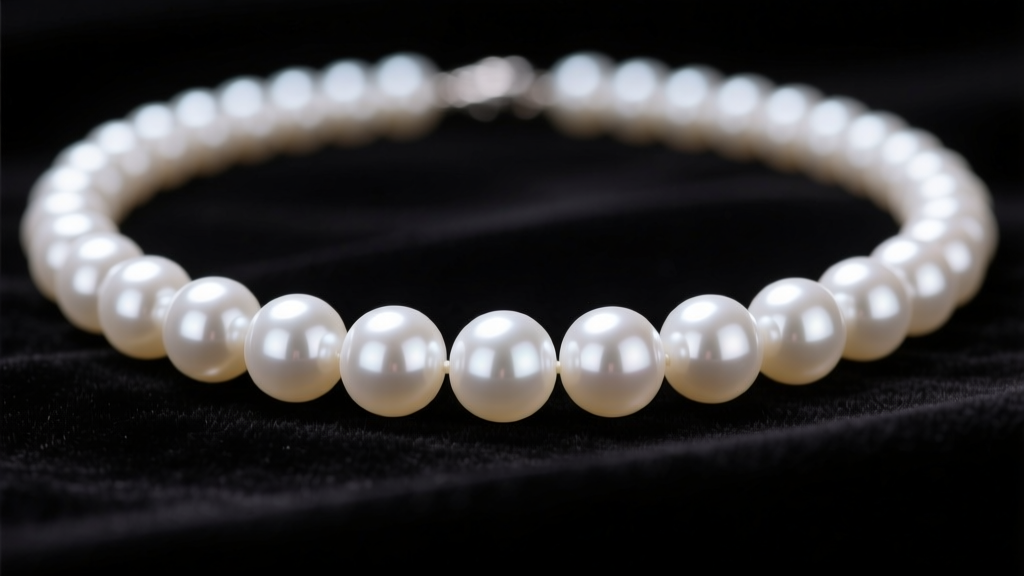
The internet is rife with memes, and if you have ever searched for the slang for pearl necklace, you likely encountered humor that strays far from the jewelry box. However, in the realm of fine jewelry, the pearl strand remains an undisputed icon of sophistication. As we navigate the 2026 jewelry market, distinguishing between viral internet jokes and genuine gemological value is more important than ever. Whether you are investing in an heirloom piece or shopping for a modern minimalist strand, this step-by-step guide will teach you how to evaluate, grade, and purchase authentic pearl necklaces like a seasoned gemologist.
Step 1: Identify the Pearl Type and Market Value
Not all pearls are created equal. The value of a necklace is primarily dictated by the mollusk species, the cultivation method, and the resulting nacre quality. According to the Gemological Institute of America (GIA), understanding the origin of the pearl is the first step in assessing its worth. Cultured pearls are generally divided into saltwater and freshwater categories, each with distinct visual characteristics and price points.
| Pearl Type | Origin & Mollusk | Size Range | Luster Profile | Price Range (18" Strand) |
|---|---|---|---|---|
| Akoya | Saltwater (Pinctada fucata) | 6.0mm - 9.0mm | Mirror-like, sharp | $300 - $3,500 |
| Tahitian | Saltwater (Pinctada margaritifera) | 8.0mm - 14.0mm | Satin to metallic, dark | $500 - $15,000+ |
| South Sea | Saltwater (Pinctada maxima) | 9.0mm - 20.0mm | Soft, satiny glow | $1,000 - $100,000+ |
| Freshwater | Freshwater (Hyriopsis cumingii) | 4.0mm - 12.0mm | Softer, varied | $50 - $2,000 |
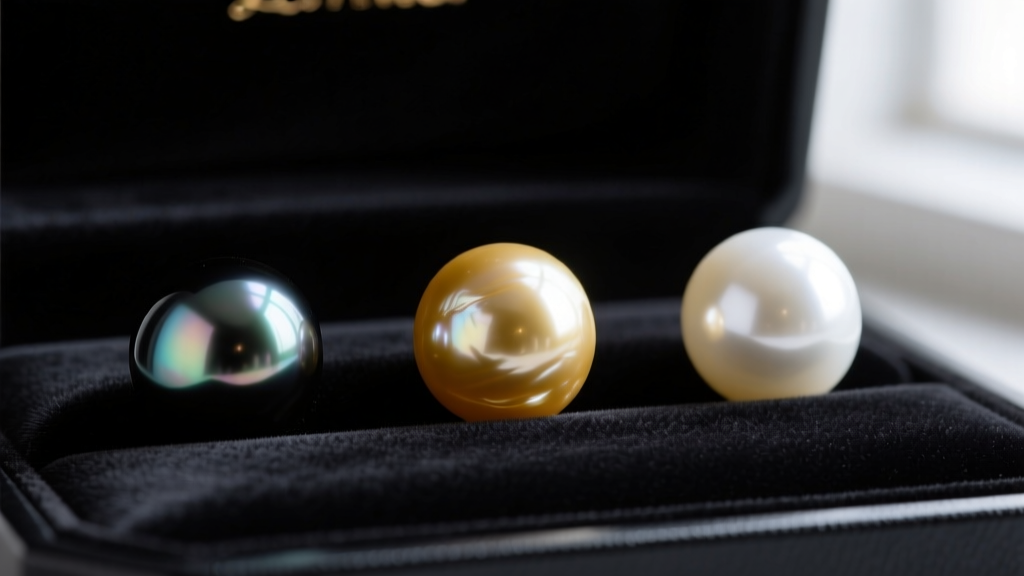
Akoya pearls are the classic choice for traditional strands, prized for their perfectly round shapes and sharp luster. Tahitian pearls, often mislabeled as simply "black," actually exhibit breathtaking overtones of peacock green, aubergine, and silver. South Sea pearls are the luxury tier, offering massive sizes and a luxurious, soft satin luster that cannot be replicated. Freshwater pearls, while historically irregular, are now cultivated using bead-nucleation techniques that yield near-perfect rounds at a fraction of the cost of their saltwater cousins.
Step 2: Decode the Pearl Grading Systems
Unlike diamonds, which are universally graded by the 4Cs, pearls do not have a single, globally mandated grading system. Instead, the industry relies on two primary scales. Understanding these is crucial to avoid overpaying for over-graded inventory.
The AAA-A System (Akoya and Freshwater)
Popularized by Mikimoto, this system evaluates nacre thickness, surface cleanliness, shape, and luster.
- AAA: The highest grade. 95%+ surface is free of blemishes, perfectly round, with exceptionally sharp luster and thick nacre.
- AA+: 90% clean surface, high luster, very slightly off-round to the naked eye.
- AA: 80% clean surface, medium luster, visible minor blemishes.
- A: Below jewelry grade, often chalky luster and heavy blemishing.
The A-D System (Tahitian and South Sea)
Based on the French Polynesian government's export standards, this system focuses heavily on surface blemishes and nacre depth.
- A (Top Gem): Flawless on 90%+ of the surface, thick nacre (minimum 0.8mm for Tahitians).
- B: Flawless on 70% of the surface, minor imperfections on the rest.
- C: Flawless on 40% of the surface, moderate blemishes.
- D: Heavy blemishes, but still legal for export if nacre is thick enough.
"Always ask the jeweler for the specific nacre thickness measurement, especially for bead-nucleated Akoya pearls. A thin nacre (under 0.3mm) will eventually peel, rendering the necklace worthless." — Master Pearl Grader Guidelines
Step 3: Select the Ideal Length and Proportion
The visual impact of a pearl necklace changes dramatically based on its length. When shopping, consider the wearer's neckline preferences and the scale of the pearls.
- Collar (12-13 inches): Sits tightly against the throat. Best worn with V-necks or open collars. Ideal for smaller 5-6mm pearls.
- Choker (14-16 inches): Rests at the base of the neck. The most versatile length for everyday wear and office attire.
- Princess (17-19 inches): Falls just below the collarbone. The classic, standard length for a traditional 7mm Akoya strand.
- Matinee (20-24 inches): Drops to the top of the bust. Excellent for business casual and semi-formal wear.
- Opera (28-36 inches): Falls below the bust. Can be doubled over for a layered choker effect, a popular styling technique in 2026.
Step 4: Inspect the Craftsmanship, Knotting, and Drill Holes
A high-quality pearl strand is only as good as its stringing. The American Gem Society emphasizes that proper knotting is a hallmark of fine jewelry craftsmanship, serving both an aesthetic and protective function.
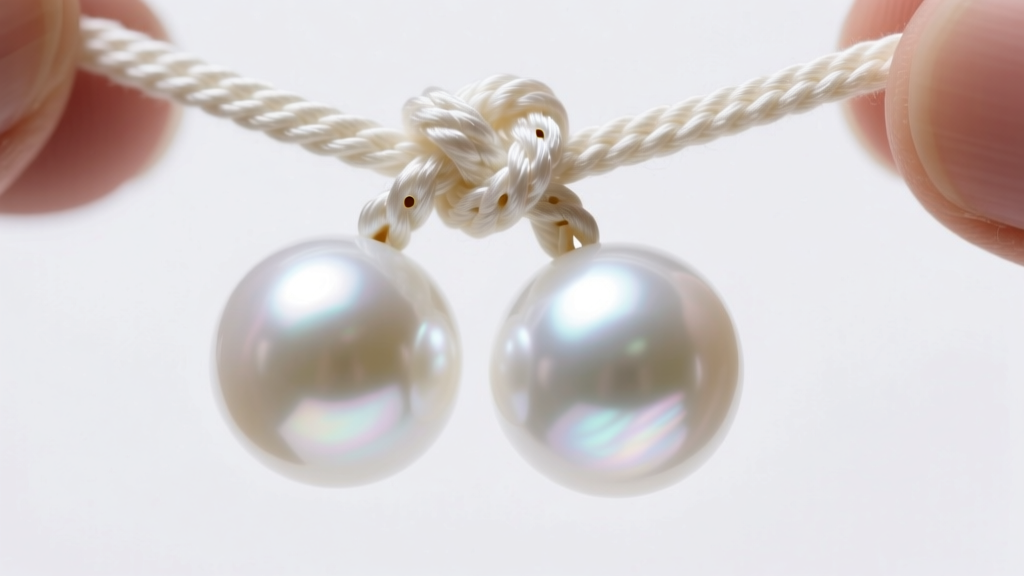
When inspecting a necklace, look for the following structural details:
- Individual Knotting: Every single pearl should be separated by a hand-tied silk knot. This prevents the pearls from rubbing against each other (which damages the nacre) and ensures that if the strand breaks, you only lose one pearl.
- Knot Tightness: The knots should be tight against the drill holes. Gapping or loose thread indicates poor craftsmanship or stretched silk from years of wear.
- French Wire Guards: The ends of the silk thread should be protected by a delicate metal coil (French wire) where it loops through the clasp. This prevents the metal clasp from sawing through the silk over time.
- Drill Hole Cleanliness: Examine the drill holes with a jeweler's loupe. They should be clean and sharp. Jagged edges or chipped nacre around the hole indicate aggressive, low-quality drilling, often seen in mass-produced, lower-tier freshwater strands.
Step 5: Verify Authenticity and Avoid Imitations
While the internet may joke about the slang for pearl necklace, the market for fake pearls is no laughing matter. Glass beads coated in synthetic guanine (essence d'orient) or plastic beads can easily fool the untrained eye. To verify authenticity, perform the "tooth test." Gently rub the pearl against the biting edge of your front tooth. A real cultured pearl will feel distinctly gritty or sandy due to the microscopic crystalline structure of the nacre. An imitation pearl will feel perfectly smooth like glass. For absolute certainty, always request a pearl identification report from a reputable gemological laboratory, ensuring your investment is as genuine as it is beautiful.


