A Beginner's Guide to Buying a Children's Birthstone Necklace
Learn how to choose a safe, durable children's birthstone necklace. Explore hypoallergenic metals, secure clasps, and age-appropriate chain lengths.

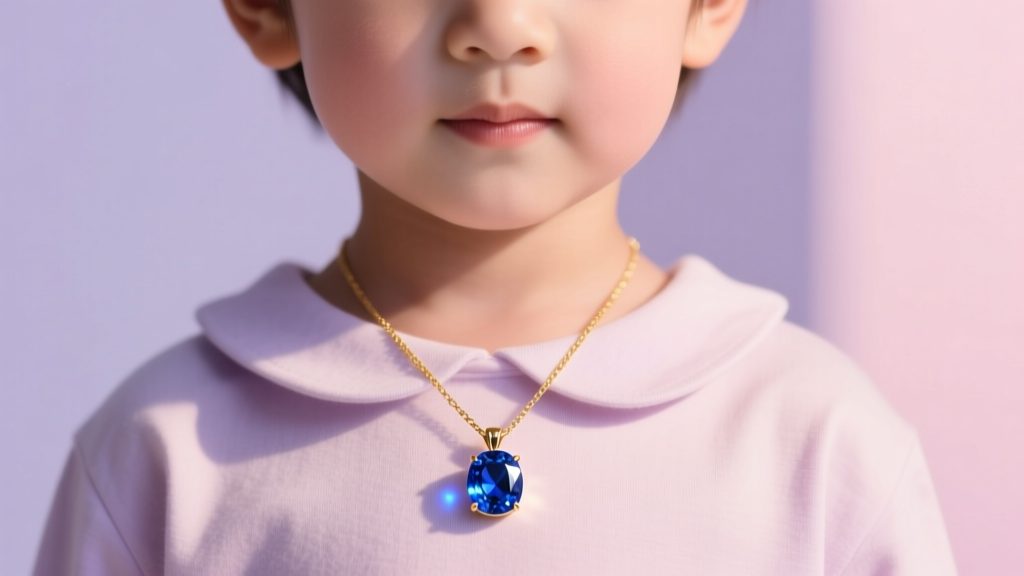
Gifting a children's birthstone necklace is a beautiful way to celebrate a child's unique identity and create a lasting keepsake. However, buying jewelry for active, growing kids requires a very different approach than shopping for adults. Children are rough on their accessories, and their skin is highly reactive to certain alloys. As a beginner navigating the jewelry market, prioritizing safety, durability, and comfort is just as important as the aesthetic appeal of the gemstone.
This comprehensive guide breaks down the exact material grades, gemstone hardness ratings, and chain mechanics you need to know to choose a necklace that will survive the playground while remaining safe for delicate skin.
Why Material Safety is Non-Negotiable
Children's skin is significantly more sensitive and prone to contact dermatitis than adult skin. The primary culprit in jewelry-related skin reactions is nickel, a cheap base metal frequently used in low-quality alloys. According to the National Center for Biotechnology Information (NCBI), nickel allergy is the most common contact allergy worldwide, often manifesting as red, itchy rashes on the neck.
To avoid this, you must look beyond the "hypoallergenic" marketing label and check the exact metal composition:
- Solid 14k Gold: Composed of 58.5% pure gold alloyed with metals like silver, zinc, or copper. It is highly durable, water-resistant, and generally safe for sensitive skin. Expect to pay between $150 and $350 for a quality children's 14k gold pendant and chain.
- 316L Surgical Stainless Steel: An excellent budget-friendly alternative ($30 to $60). The "L" stands for low carbon, and this specific grade contains trace amounts of nickel that are tightly bound within the alloy, making it safe for the vast majority of children.
- Sterling Silver (925): While beautiful, silver tarnishes quickly when exposed to sweat and chlorine. Furthermore, some cheaper sterling silver alloys use copper or nickel binders. If choosing silver, ensure it is stamped ".925" and explicitly certified nickel-free.
Pro Tip: Avoid "gold-plated" or "vermeil" necklaces for daily-wear children's jewelry. The plating will inevitably wear off within a few months of active play, exposing the reactive brass or copper base metal underneath.
Decoding Birthstones: Durability and the Mohs Scale
Not all birthstones are created equal. When selecting a children's birthstone necklace, you must consider the gemstone's hardness and structural integrity. The Gemological Institute of America (GIA) uses the Mohs scale of mineral hardness to grade gemstones. Kids drop things, bump into furniture, and play in the dirt; therefore, soft or brittle stones are a poor investment for daily wear.
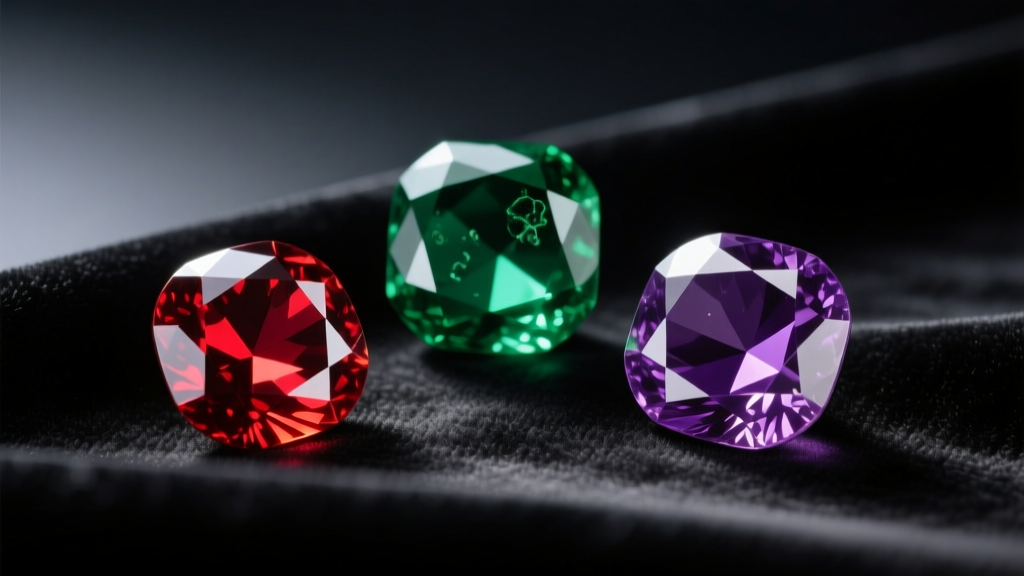
For example, while pearls (Mohs 2.5) and opals (Mohs 5.5) are stunning, they are easily scratched, cracked, or ruined by exposure to sweat and sunscreen. Emeralds (Mohs 7.5-8) are naturally heavily included and brittle, meaning a single drop on a hardwood floor can shatter them.
| Gemstone (Month) | Mohs Hardness | Kid-Friendly Rating | Estimated Price Range (14k Gold) |
|---|---|---|---|
| Ruby / Sapphire (July/Sept) | 9.0 | Excellent (Highly Scratch Resistant) | $180 - $400+ |
| Lab-Created Spinel (Various) | 8.0 | Great (Durable & Affordable) | $120 - $200 |
| Amethyst / Citrine (Feb/Nov) | 7.0 | Good (Requires Basic Care) | $150 - $250 |
| Emerald (May) | 7.5 - 8.0 | Poor (Brittle, Prone to Chipping) | $300 - $800+ |
| Pearl (June) | 2.5 | Very Poor (Dissolves in Acids/Sweat) | $100 - $300 |
The Smart Alternative: Consider lab-created gemstones. Lab-grown rubies and sapphires share the exact same chemical and physical properties as their mined counterparts (including a 9 on the Mohs scale) but are free of natural inclusions, making them structurally tougher and significantly more affordable.
Chain Styles and Safety Clasps for Active Kids
The chain is just as important as the pendant. A poorly designed chain will catch on hair, snap under pressure, or pose a choking hazard. For a child's necklace, aim for a thickness between 0.9mm and 1.2mm. Anything thinner is prone to snapping; anything thicker looks bulky and heavy on a small neck.
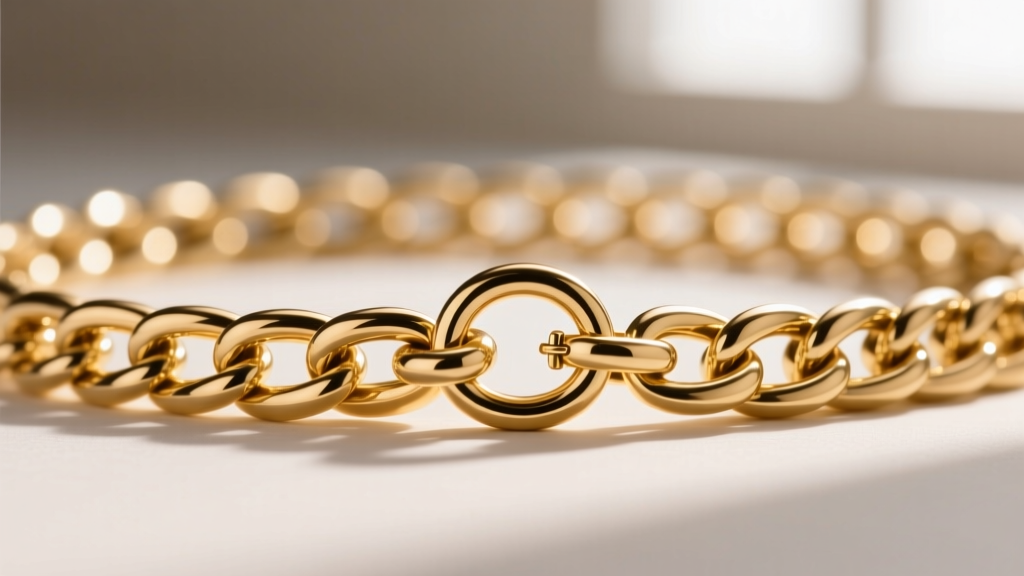
Best Chain Links for Children
- Box Chains: The absolute best choice for kids. The square, interlocking links are incredibly strong, lay flat against the skin, and do not catch on fine hair.
- Cable Chains: A classic, durable option. Ensure the links are soldered (closed) so they don't pull or snag hair.
- Chains to Avoid: Never buy snake chains or herringbone chains for children. These styles act like tiny gears that painfully pull out neck hair and kink permanently if bent.
Clasp Safety Mechanics
The clasp dictates both the security of the necklace and the child's safety. A standard spring-ring clasp (4mm or 5mm) is the most reliable choice. While lobster clasps are secure, they are notoriously difficult for small fingers to operate.
Safety Warning: Avoid magnetic clasps for young children. While they are easy to put on, if the magnets detach and are swallowed, they can cause severe, life-threatening internal injuries. The American Academy of Pediatrics (AAP) strictly warns against high-powered magnets in children's accessories.
Age-to-Length Sizing Guide
Buying the correct chain length ensures the necklace sits comfortably without posing a strangulation risk. Always purchase a chain that includes a 2-inch extender so the necklace can grow with the child.
- Ages 1 to 4: 12 inches (Sits like a choker/collarbone; best for toddlers)
- Ages 5 to 8: 14 inches (Standard length for young children)
- Ages 9 to 13: 15 to 16 inches (Approaches standard adult women's lengths)
The Two-Finger Rule: When the necklace is fastened, you should be able to comfortably slide two fingers between the chain and the child's neck. If you cannot, the chain is too tight and poses a choking risk.
Daily Care and Maintenance
Teaching your child how to care for their children's birthstone necklace builds responsibility and extends the life of the jewelry.
- Swimming and Bathing: Always remove the necklace before swimming. Chlorine in pools chemically reacts with the alloys in 14k gold, weakening the prongs that hold the birthstone. Saltwater and hot tubs are equally damaging.
- Cleaning: Never use ultrasonic jewelry cleaners on children's jewelry; the high-frequency vibrations can shake small gemstones loose from their prongs. Instead, soak the necklace in a bowl of warm water with a drop of mild dish soap for 10 minutes, gently brush with a soft baby toothbrush, and pat dry with a microfiber cloth.
- Storage: Encourage your child to take the necklace off before bed and store it in a soft pouch to prevent the chain from tangling with other accessories.
By prioritizing biocompatible metals, high-Mohs gemstones, and snag-free chain designs, you can gift a children's birthstone necklace that is not only deeply meaningful but engineered to survive the beautiful chaos of childhood.


