Beginner's Guide to Buying a Silver Heart Pendant Necklace
Learn how to choose, style, and care for a silver heart pendant necklace. Discover hallmark secrets, chain pairings, and pricing in our beginner guide.

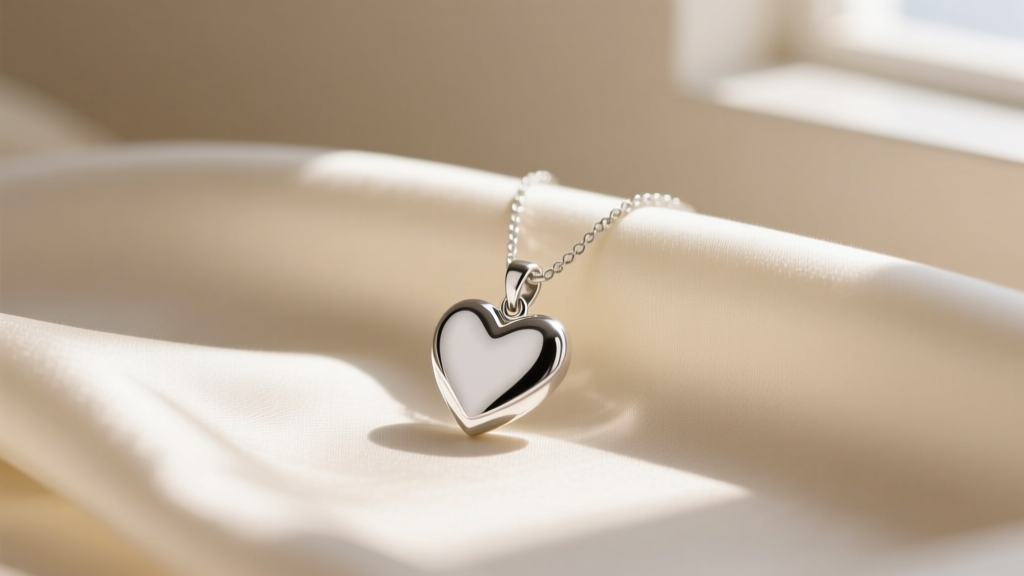
There is perhaps no piece of jewelry more universally recognized, gifted, and cherished than the silver heart pendant necklace. For beginners stepping into the world of fine jewelry, this piece serves as the perfect entry point. It bridges the gap between everyday accessibility and timeless elegance. However, not all silver hearts are created equal. From deciphering cryptic hallmark stamps to matching the correct chain gauge, buying your first genuine silver pendant requires a bit of foundational knowledge.
In this beginner-friendly explainer, we will decode the metallurgy of silver, explore structural vulnerabilities to avoid, and provide a concrete framework for selecting a silver heart pendant necklace that will last a lifetime.
Decoding the Metal: Fine, Sterling, and Argentium Silver
When shopping for a silver heart pendant necklace, the term "silver" is heavily regulated, but misleading marketing terms still slip through. Pure silver is too soft to hold the detailed shape of a heart pendant or secure a gemstone setting. Therefore, it is almost always alloyed with other metals. Here is how the primary grades break down:
| Silver Grade | Hallmark | Composition | Pros & Cons | Average Price Range |
|---|---|---|---|---|
| Fine Silver | 999 | 99.9% Silver, 0.1% trace | Hypoallergenic, highly tarnish-resistant. Too soft for intricate pendants; dents easily. | $80 - $250 |
| Sterling Silver | 925 | 92.5% Silver, 7.5% Copper | The industry standard. Excellent durability and detail. Prone to tarnish due to copper. | $40 - $300 |
| Argentium Silver | 935 or 960 | Silver, Copper, Germanium | Highly tarnish-resistant, brighter than sterling. More expensive, harder to find. | $100 - $450 |
| Silver Plated | None or "EPNS" | Brass/Copper base, thin silver coat | Affordable. The plating will eventually wear off, exposing the base metal. | $15 - $45 |
According to the Federal Trade Commission (FTC) Jewelry Guides, a piece must contain at least 92.5% pure silver to be legally marketed as "solid silver" or "sterling" in the United States. Always look for the 925 stamp, usually located on the back of the heart pendant or on the clasp of the accompanying chain.
Structural Integrity: Bails, Jump Rings, and Clasps
A common beginner mistake is focusing entirely on the heart design while ignoring the hardware that keeps it secure. The structural failure points of a silver heart pendant necklace are almost always at the connection points.
The Bail and Jump Ring
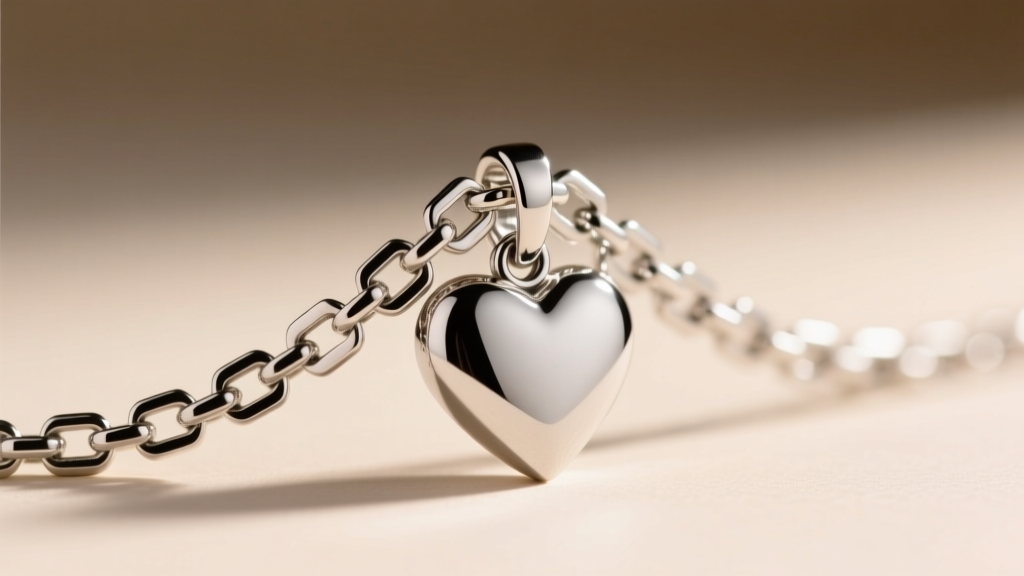
The bail is the loop at the top of the heart pendant that the chain slides through. In many mass-produced necklaces, the bail is attached to the heart via a tiny loop called a jump ring. If this jump ring is not soldered (fused shut with heat), it can easily pull apart if the pendant snags on clothing. When inspecting a necklace, look closely at the seam of the jump ring. If you see a tiny gap, be aware that it is a potential failure point.
Clasp Selection
For pendants weighing more than 5 grams, avoid spring-ring clasps. The tiny internal springs in these clasps frequently fail or become stuck. Instead, opt for a lobster clasp. Lobster clasps feature a robust, self-closing mechanism that provides significantly higher tensile strength, ensuring your silver heart stays securely around your neck.
Chain Pairings: Matching Link to Proportion
The chain you pair with your silver heart pendant necklace dramatically alters its visual weight and longevity. The chain's thickness (gauge) must be proportionate to the heart's dimensions.
- Delicate Hearts (10mm - 15mm): Pair with a 1.0mm to 1.5mm cable or box chain. A heavier chain will visually overpower a small pendant and cause excessive friction, wearing down the bail over time.
- Medium Hearts (15mm - 25mm): A 1.8mm to 2.5mm rope or figaro chain provides adequate support. Rope chains are excellent for reflecting light and adding texture without looking bulky.
- Statement Hearts (25mm+): Opt for a 3.0mm+ curb or Cuban chain. These heavy links can support the weight of a large, solid silver heart without stretching or breaking.
Pro Tip: If you are buying a chain separately, ensure the clasp can pass through the pendant's bail. Many beginners purchase a beautiful pendant only to realize the chain's lobster clasp is too wide to thread through the bail's opening.
Length and Neckline Synergy
Where the heart rests on your chest dictates how it interacts with your wardrobe. Here is a practical framework for choosing the right drop length:
- 16 Inches (Choker Length): Sits tightly at the base of the neck. Best for open-collar tops, off-the-shoulder dresses, or V-necks. Ideal for smaller, minimalist heart pendants.
- 18 Inches (Princess Length): The most universal length. Rests perfectly on the collarbone. Works beautifully with almost any neckline, from crew necks to scoop necks.
- 20 to 22 Inches (Matinee Length): Drops below the collarbone, resting on the upper chest. Perfect for layering over turtlenecks, button-down shirts, or high-neck blouses.
Spotting Fakes and Avoiding Misleading Alloys
The market is flooded with base metals masquerading as precious silver. As a beginner, you must learn to identify deceptive terminology.
"Terms like 'Tibetan Silver', 'Nickel Silver', and 'Alpaca Silver' are historical misnomers. These alloys contain absolutely zero elemental silver and are primarily composed of copper, nickel, and zinc. They can cause severe contact dermatitis in sensitive individuals." — GIA Silver Buyer's Guide
Furthermore, be cautious of "rhodium-plated sterling silver." Rhodium is a platinum-group metal applied over silver to prevent tarnish and mimic the look of white gold. While beautiful initially, this plating wears off within 12 to 24 months with daily wear, requiring professional re-plating. If you prefer a low-maintenance piece, opt for un-plated, high-polish sterling silver or Argentium.
Care and Maintenance: The Anti-Tarnish Protocol
Sterling silver tarnishes when the copper alloy reacts with sulfur and moisture in the air. To keep your silver heart pendant necklace gleaming, adopt these specific care habits:
- Avoid Sulfur Exposure: Remove your necklace before swimming in chlorinated pools, using rubber gloves, or applying sulfur-based skincare products.
- Storage: Store the necklace in an airtight polyethylene bag with an anti-tarnish silica strip. Do not store it in cardboard boxes or wrapped in rubber bands, as these emit sulfur gases.
- Polishing: Use a treated jeweler's cloth (like a Sunshine cloth) for light tarnish. Avoid liquid silver dips, as they are highly acidic and can strip the silver, leaving behind a porous, matte finish that tarnishes even faster in the future.
Final Thoughts for the First-Time Buyer
Purchasing a silver heart pendant necklace is an investment in a versatile, enduring accessory. By prioritizing a 925 or Argentium hallmark, inspecting the soldering on the jump rings, and matching the chain gauge to the pendant's weight, you ensure your piece is structurally sound. Armed with this knowledge, you can confidently navigate the jewelry market and select a heart pendant that will remain a staple in your collection for decades to come.


