QVC Jennifer Miller Heart Necklace Care and Cleaning Guide
Learn how to safely clean and store your QVC Jennifer Miller heart necklace. Expert tips for preserving gold plating and CZ stones.

Preserving the Sparkle: A Masterclass in Necklace Maintenance
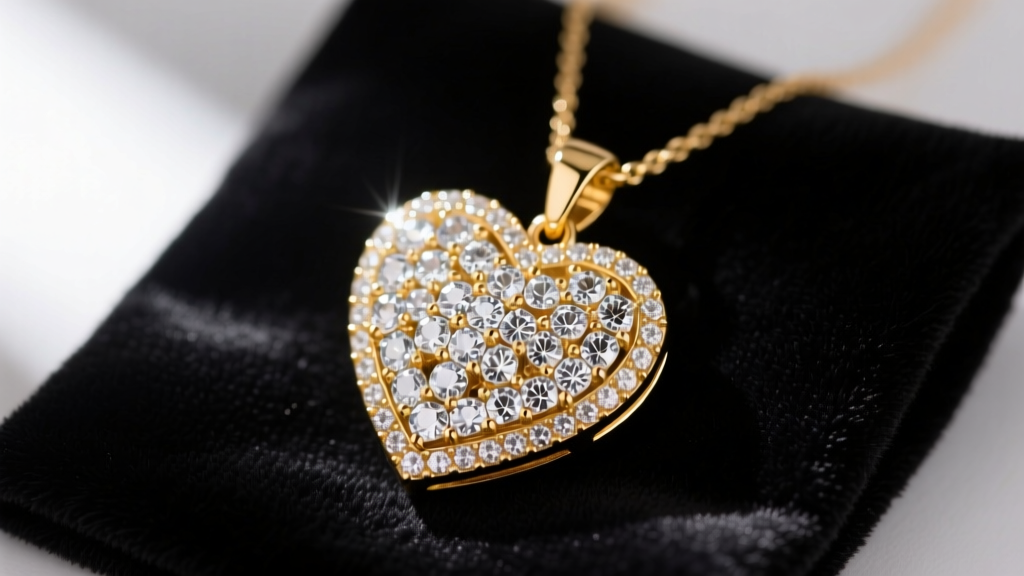
The QVC Jennifer Miller heart necklace has remained a beloved staple in accessible luxury jewelry, celebrated for its brilliant Diamonique stones and elegant gold-toned finishes. However, the very construction that makes this piece so visually striking—typically a sterling silver or brass base electroplated with gold and set with cubic zirconia (CZ)—requires a highly specific maintenance protocol. Many owners inadvertently ruin the gold layer or cloud the stones by treating this piece like solid 14K gold. As we move through 2026, jewelry care science continues to emphasize that preserving plated and vermeil pieces is less about aggressive polishing and more about chemical preservation and gentle agitation.
In this comprehensive guide, we will break down the exact material science of your necklace, provide a step-by-step cleaning framework, and outline the storage environments necessary to prevent the dreaded 'green skin' reaction and premature plating wear.
The Anatomy of Your Miller Heart Necklace
Before applying any cleaning solution, you must understand the metallurgy and gemology of the piece. According to the Federal Trade Commission (FTC) guidelines on jewelry metals, terms like 'gold plated' and 'vermeil' dictate the thickness of the gold layer and the base metal beneath it.
- The Base Metal: Jennifer Miller pieces on QVC frequently utilize sterling silver or high-quality brass. If the gold layer wears thin, the underlying copper in brass can react with the acidity in your sweat, causing skin discoloration.
- The Plating: The gold finish is usually achieved through electroplating. This layer is incredibly thin—often measured in microns (typically 0.5 to 2.5 microns for fashion jewelry). It has a Mohs hardness of roughly 2.5 to 3, making it highly susceptible to micro-scratches from abrasive cleaners.
- The Stones (Diamonique/CZ): Cubic zirconia ranks at 8 to 8.5 on the Mohs scale. While it resists scratching, CZ is notoriously oleophilic, meaning it attracts and holds onto skin oils, lotions, and sebum, which quickly dulls its refractive brilliance.
The 5-Step Safe Cleaning Protocol
Forget commercial silver dips or ultrasonic machines. The Gemological Institute of America (GIA) recommends mild, non-chemical approaches for CZ and plated jewelry. Follow this exact protocol to restore your heart pendant's brilliance without stripping the gold.
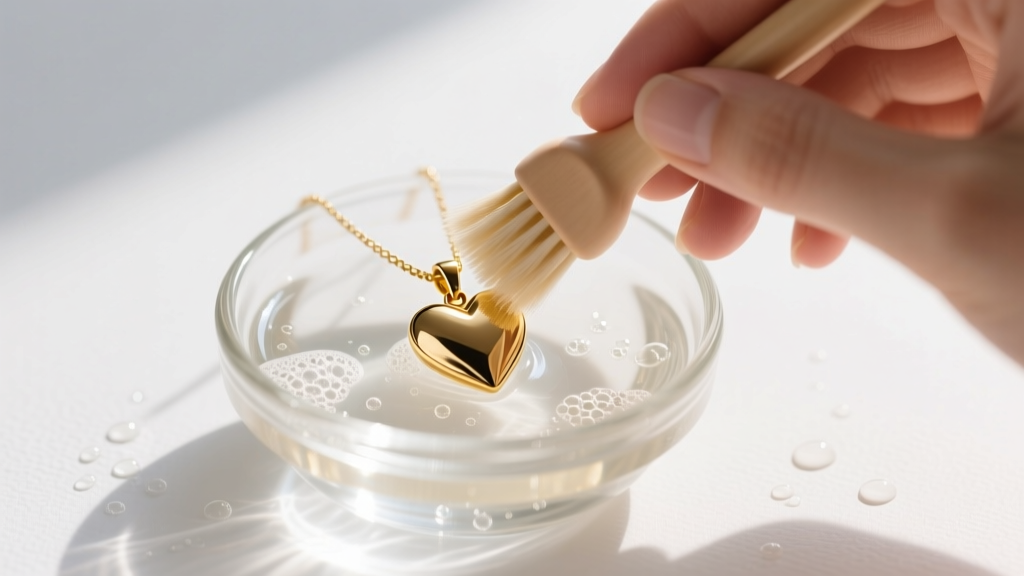
- The Lukewarm Bath: Fill a small glass bowl with lukewarm (never hot) distilled water. Hot water can weaken the jeweler's epoxy used in pavé settings. Add two drops of pH-neutral, lotion-free dish soap (like original Dawn).
- The Brief Soak: Submerge the heart necklace for exactly 3 to 5 minutes. This is just enough time to break down surface sebum and cosmetic residues without allowing water to penetrate the stone settings.
- Micro-Agitation: Using a brand-new, ultra-soft baby hairbrush or a dedicated makeup blending brush, gently sweep the bristles across the CZ stones and the back of the heart pendant. Never use a standard toothbrush; even 'soft' bristles can leave micro-scratches on the gold plating.
- The Distilled Rinse: Rinse the necklace under a gentle stream of distilled water. Tap water contains chlorine and hard minerals that will leave microscopic calcium deposits on the CZ, creating a permanent cloudy film.
- Capillary Drying: Lay the necklace flat on a lint-free microfiber cloth. Use the corner of the cloth to gently wick water away from the prong settings. Allow it to air-dry completely before storing.
Cleaning Agents: What Works and What Destroys
The internet is flooded with DIY jewelry cleaning hacks that are actively destructive to gold-plated CZ necklaces. Below is a definitive breakdown of common household agents and their chemical impact on your QVC Jennifer Miller heart necklace.
| Cleaning Agent | Effect on Gold Plating | Effect on CZ Stones | Verdict |
|---|---|---|---|
| Baking Soda Paste | Highly abrasive; strips microns of gold instantly. | Can scratch the surface polish of the CZ. | NEVER USE |
| Whitening Toothpaste | Contains silica abrasives that cause micro-marring. | Leaves a difficult-to-remove film in pavé crevices. | NEVER USE |
| Ultrasonic Cleaners | Safe for plating, but cavitation shakes stones loose. | Safe, but destroys the glue holding pavé settings. | AVOID |
| Commercial Silver Dips | Contains thiourea; will chemically strip gold plating. | Can cause irreversible clouding in porous stones. | NEVER USE |
| Mild Dish Soap & Water | Chemically inert; safely lifts oils without abrasion. | Restores light refraction by removing sebum. | HIGHLY RECOMMENDED |
The 2026 Storage Framework for Plated Jewelry
Cleaning is only half the battle; environmental control is where long-term preservation happens. Gold plating tarnishes when the underlying base metals (like copper or silver) are exposed to sulfur and humidity in the air. To protect your heart necklace, implement this three-point storage system:
1. The Micro-Climate Barrier
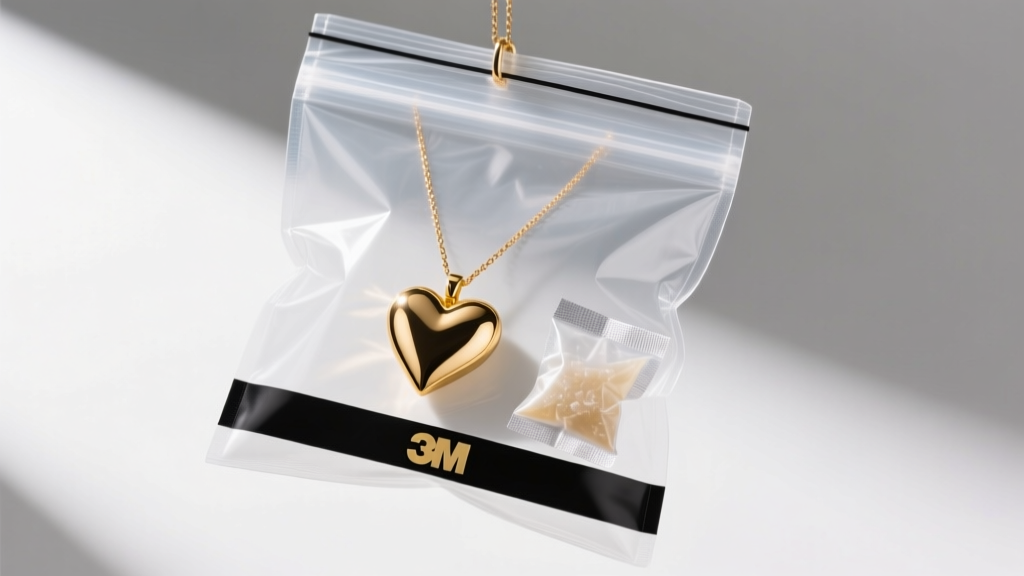
Never store your necklace in an open jewelry box or hanging on a display stand. Instead, place it inside an airtight, zip-seal polyethylene bag. Squeeze out as much air as possible before sealing to minimize oxygen exposure.
2. Moisture and Sulfur Absorption
Inside the sealed bag, include a small silica gel desiccant packet to control humidity, alongside a 3M anti-tarnish strip. These strips are engineered to absorb sulfur compounds and hydrogen sulfide from the trapped air, effectively neutralizing the catalyst for tarnish.
3. Friction Prevention
Always lay the necklace flat or hang it inside the bag so the heart pendant does not rub against the chain. Friction is the primary cause of mechanical wear on the gold layer, particularly on the high-contact areas of the pendant bail.
Troubleshooting Common Failure Modes
Even with meticulous care, plated jewelry experiences wear. Here is how to troubleshoot the most common issues associated with the QVC Jennifer Miller heart necklace.
Cloudy or Foggy Stones
If your Diamonique stones look milky even after cleaning, the issue is likely on the back of the stones. Closed-back settings trap moisture and soap residue between the metal and the stone's pavilion. Use a wooden toothpick wrapped in a microfiber cloth to gently clean the underside of the setting, being careful not to snag the prongs.
The 'Green Skin' Reaction
If the necklace leaves a green or black mark on your décolletage, the gold plating has worn through to the copper-rich base metal. This is a harmless chemical reaction between copper and your skin's natural acids. To temporarily halt this, apply a thin coat of clear, hypoallergenic nail polish to the back of the heart pendant. For a permanent fix, seek out a local jeweler who offers rhodium or 18K gold replating services to restore the barrier.
Loose Pavé Stones
If you notice a stone rattling or sitting crooked, stop wearing the necklace immediately. Do not attempt to push it back into place with your fingers, as the oils and pressure can further compromise the setting. Take it to a professional bench jeweler who can tighten the micro-prongs using a microscope and specialized setting burs.
Expert Insight: The longevity of your QVC Jennifer Miller heart necklace is entirely dependent on 'wear-order' discipline. Always put your necklace on after applying perfumes, hairsprays, and lotions, and always take it off before showering, swimming, or exercising. Chlorine and salt water are highly corrosive to electroplated finishes and will accelerate wear exponentially.
By treating your necklace not just as an accessory, but as a delicate assembly of plated metals and precision-cut stones, you can maintain its brilliant, light-catching heart motif for years to come. Consistent, gentle care will always outperform aggressive, infrequent cleanings.


