Bvlgari Serpenti Viper Necklace: Metal & Material Guide
Compare 18k gold alloys, hardstone inlays, and pavé diamonds in the Bvlgari Serpenti Viper necklace. Expert material analysis and care tips.

The Metallurgy of the Viper: Decoding Bvlgari’s 18k Gold Alloys
The Bvlgari Serpenti Viper necklace is an exercise in structural fluidity and metallic precision, mimicking the overlapping scales of a serpent. However, the longevity, aesthetic evolution, and skin reactivity of your Viper piece depend entirely on the specific 18k gold alloy Bvlgari utilizes. In high jewelry, 18k gold denotes a purity of 750 parts per thousand (75% pure gold), with the remaining 25% comprised of alloying metals that dictate color, tensile strength, and oxidation resistance.
18k Rose Gold: Copper Content and Patina
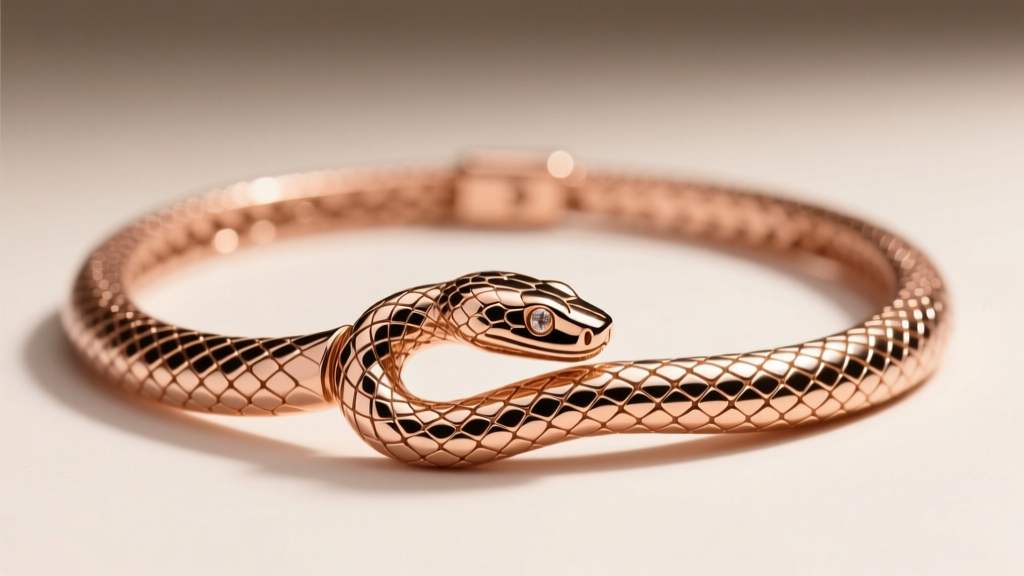
Bvlgari’s 18k rose gold achieves its signature blush through a high copper content (typically around 20-22%) balanced with a small percentage of silver. From a metallurgical standpoint, copper increases the alloy's tensile strength, making the delicate Viper scale links highly resistant to stretching. However, copper is reactive. Wearers with highly acidic skin pH or those frequently exposed to chlorinated environments (like swimming pools) may notice a slight darkening or oxidation on the underside of the scales over time. This is not a defect, but a natural chemical reaction that can be polished away by a professional.
18k White Gold: The Rhodium Depletion Factor
The white gold iterations of the Serpenti Viper are alloyed with palladium or silver to achieve a white base, but they are ultimately plated with a micro-layer of rhodium for a brilliant, mirror-like finish. The Viper’s design features raised, beveled scale edges. These edges act as micro-abrasive points against clothing and skin. Consequently, rhodium depletion on a Viper white gold necklace occurs faster on the outermost convex curves of the scales than on flat-surfaced jewelry. Expect to budget for professional rhodium replating every 18 to 24 months if worn daily to maintain the stark, icy white aesthetic.
18k Yellow Gold: The Stable Classic
Alloyed primarily with silver and zinc, Bvlgari’s 18k yellow gold is the most chemically stable of the three. It requires no plating and will not oxidize under normal environmental conditions. The Viper’s interlocking scale motif catches light exceptionally well in yellow gold, as the warm undertones enhance the shadow-play between the overlapping metallic segments.
Hardstone & Pavé Inlays: A Gemological Durability Matrix
Beyond the metalwork, the Serpenti Viper collection frequently incorporates hardstone inlays and full pavé diamond settings within the center of the scale motifs. Choosing between these materials requires an understanding of gemological hardness and structural vulnerability. Below is a comparative matrix of the most common Viper inlay materials based on the GIA Gem Encyclopedia standards.
| Material | Mohs Hardness | Cleavage / Fracture | Primary Vulnerability |
|---|---|---|---|
| Malachite | 3.5 - 4.0 | Perfect Cleavage | Acids, heat, ultrasonic cleaners, perspiration |
| Mother-of-Pearl | 2.5 - 4.5 | None (Tough) | Ammonia, extreme dryness, cosmetic chemicals |
| Onyx | 6.5 - 7.0 | None (Conchoidal) | Hard impacts on scale edges, thermal shock |
| Pavé Diamonds | 10.0 | Perfect Cleavage | Grease accumulation, prong snagging, blunt force |
Malachite vs. Mother-of-Pearl: The Organic Vulnerabilities
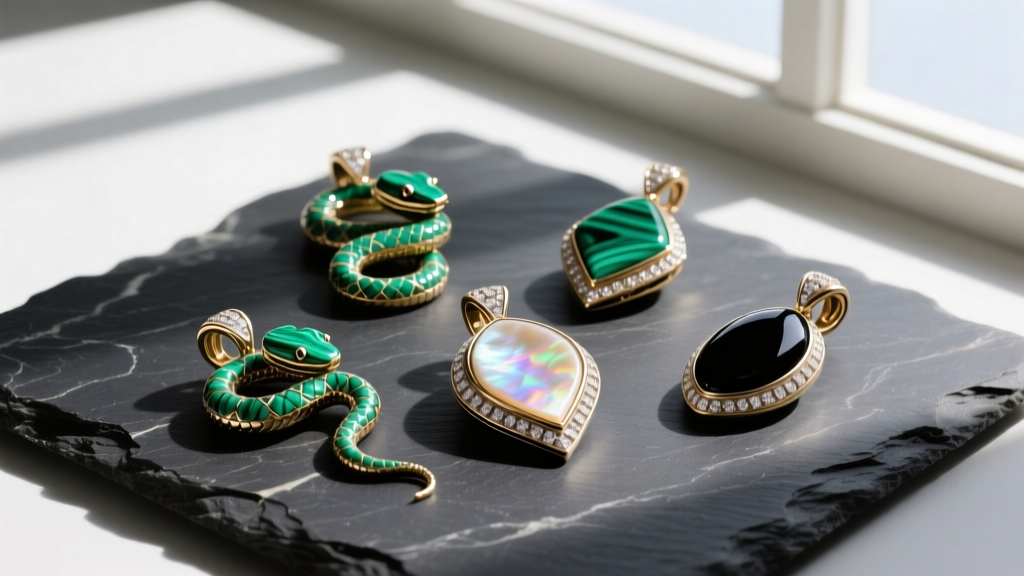
Malachite is a copper carbonate hydroxide mineral. Its striking green banding makes it a visual standout in the Viper collection, but it is notoriously fragile in daily wear scenarios. Malachite is highly sensitive to acids; even the natural acidity of human sweat, if left to dry on the stone repeatedly, can etch the surface and dull the polish. Mother-of-Pearl (nacre), while slightly tougher due to its organic composite structure, is highly porous. Perfumes, hairsprays, and lotions can penetrate the nacreous layers, causing irreversible yellowing or clouding. Both materials demand a strict "last on, first off" wearing protocol.
Onyx & Full Pavé: High-Impact Resistance
For wearers seeking maximum durability, black onyx and full pavé diamonds are the superior choices. Onyx (a cryptocrystalline quartz) sits at a 7 on the Mohs scale, making it highly resistant to scratching from daily environmental dust (which typically contains quartz particles at a 7). However, because the Viper scales feature beveled edges, a sharp impact against a marble countertop can cause conchoidal chipping on the onyx perimeter. Full pavé diamonds, typically graded by Bvlgari in the F-G color and VVS-VS clarity range, offer unmatched scratch resistance. The primary failure mode for pavé is not the stones themselves, but the accumulation of sebum and cosmetic grease beneath the micro-prongs, which stifles light return and requires regular professional steaming.
Structural Mechanics: Articulation and Clasp Failure Modes
The genius of the Serpenti Viper necklace lies in its articulation. Whether you opt for the flexible scale-link chain or the rigid collar, the mechanical engineering dictates how the piece ages. The flexible link versions utilize micro-hinges and precision-milled jump rings to allow the gold scales to pivot independently.
Common Failure Modes:
- Link Stretching: While the 18k gold alloys are robust, pulling or tugging on the flexible Viper chain can cause the micro-jump rings to ovalize. Once a link stretches, it compromises the flush alignment of the scales, creating a visible "kink" in the serpent's body.
- Clasp Spring Degradation: The Viper typically utilizes a precision lobster clasp or a hidden box clasp with a safety figure-eight. The internal spring of a lobster clasp is usually made of hardened steel or white gold. Over 3 to 5 years of daily use, the spring tension can weaken, leading to incomplete closure. According to Bvlgari Jewelry Care guidelines, having the clasp mechanism checked annually by a boutique horologist or jeweler is critical to prevent catastrophic loss.
Maintenance Protocols & 2026 Market Valuation
Proper maintenance varies wildly depending on your chosen material matrix. Here is an actionable, material-specific cleaning framework:
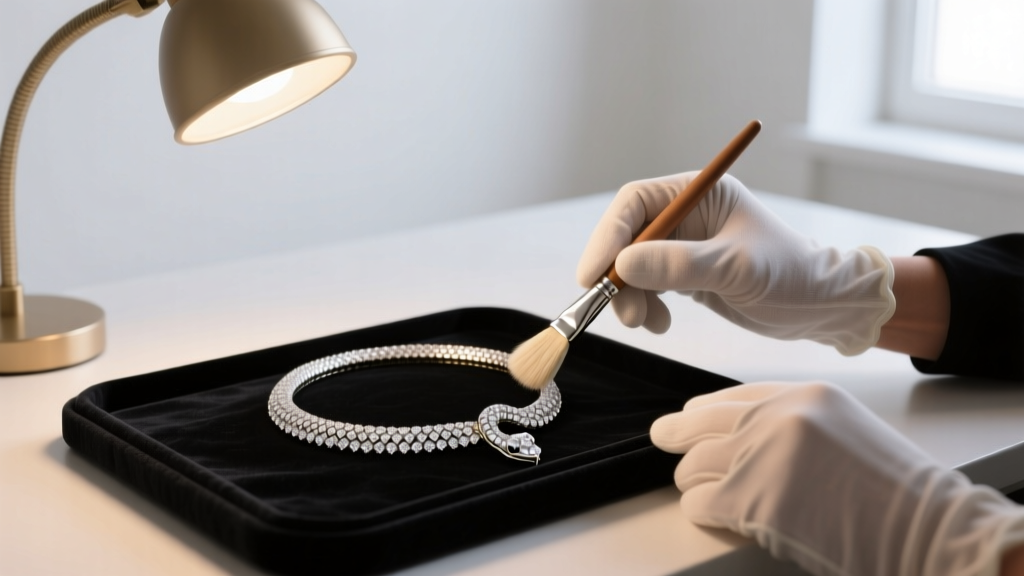
- For Plain Gold & Pavé Diamonds: Soak in a lukewarm solution of distilled water and a few drops of pH-neutral dish soap for 15 minutes. Agitate gently with a soft-bristled baby toothbrush, paying special attention to the undercarriage of the scales where skin oils accumulate. Rinse with distilled water and pat dry with a microfiber cloth.
- For Malachite & Mother-of-Pearl: Never submerge these stones. Wipe the gold scales with a damp jewelry cloth, avoiding the hardstone inlays entirely. Use a dry, ultra-soft brush to dust the perimeter of the stone settings.
- For Onyx: Clean with a slightly damp cloth. Avoid ultrasonic cleaners entirely, as the high-frequency vibrations can fracture internal stress lines within the quartz structure.
Investment and Pricing Tiers
As of 2026, the retail and secondary market valuation for the Serpenti Viper collection reflects both material scarcity and brand equity. Entry-level Viper pendants in plain 18k gold (without inlays) generally range between $2,800 and $3,500. Pieces featuring central hardstone inlays (malachite, onyx) push into the $4,500 to $6,500 bracket. The apex of the collection—full pavé diamond collars and multi-strand scale necklaces—commands between $18,000 and $45,000. On the secondary market, full-pavé and pristine malachite iterations hold their value exceptionally well, often retaining 75-85% of their retail price, provided the original box, certificate, and purchase receipts are intact.
Final Verdict: Matching Material to Lifestyle
The Bvlgari Serpenti Viper necklace is not a monolith; it is a highly customizable platform of metallurgy and gemology. If your lifestyle is active, involving frequent travel, varying climates, and minimal jewelry maintenance, the 18k Yellow Gold with Onyx or Full Pavé Diamond configurations offer the highest structural resilience and lowest maintenance overhead. Conversely, if you view your jewelry as an expressive, occasional art piece and are committed to meticulous care protocols, the 18k Rose Gold with Malachite provides an unparalleled, vibrant aesthetic that stands out in any high jewelry collection.


