Chrome Hearts Paper Chain Necklace: Ultimate Care Guide
Learn how to clean, store, and maintain your Chrome Hearts paper chain necklace. Expert tips for preserving sterling silver and factory oxidation.

The Investment: Understanding Your Chrome Hearts Paper Chain
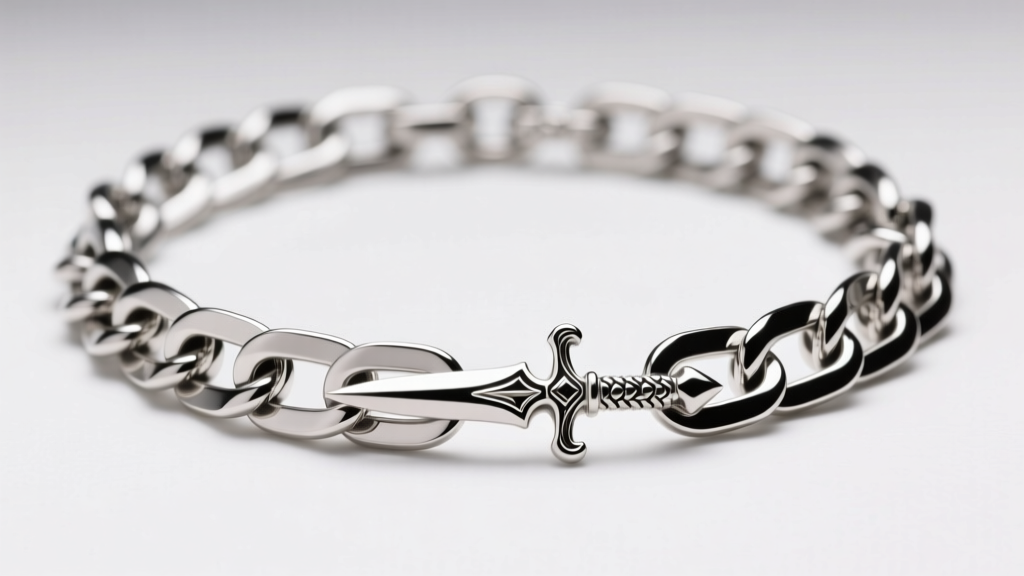
Owning a Chrome Hearts paper chain necklace is less about accessorizing and more about holding a piece of wearable, gothic-industrial art. With retail prices frequently ranging from $4,500 to well over $15,000 depending on the specific link width, dagger motifs, and clasp configurations, these pieces are serious financial investments. As we navigate the luxury resale and archival jewelry market in 2026, preserving the structural integrity and original finish of high-end sterling silver is paramount for maintaining both aesthetic appeal and asset value.
Unlike standard cable or curb chains, the Chrome Hearts paper chain features complex, geometric links designed to mimic folded paper. This intricate architecture creates deep crevices and sharp angles that are visually striking but notoriously difficult to clean. Furthermore, Chrome Hearts utilizes a proprietary, hand-applied sulfur oxidation process to blacken the recesses of the silver, creating a high-contrast, antiqued finish. Improper cleaning methods will strip this intentional patina, leaving the piece looking flat, overly bright, and significantly devalued.
Metallurgy and the Chemistry of Tarnish
Chrome Hearts jewelry is cast and hand-finished in .925 sterling silver, meaning it contains 92.5% pure silver and 7.5% alloy metals (usually copper) for structural durability. Pure silver is highly resistant to tarnish, but the copper alloy is reactive. When exposed to hydrogen sulfide in the atmosphere, as well as moisture, chlorides, and the natural sebum from your skin, the copper reacts and forms silver sulfide—the dark, dull film we recognize as tarnish.
According to the Gemological Institute of America (GIA), environmental factors such as high humidity, urban pollution, and even the sulfur content in your diet can accelerate this chemical reaction. The challenge with the paper chain design is that the tight interlocking links trap dead skin cells, lotions, and environmental pollutants directly against the metal, creating localized micro-environments where tarnish and corrosion can rapidly compound if left unaddressed.
Daily Preventative Maintenance
The most effective way to maintain your necklace is through rigorous daily preventative care. The golden rule of luxury jewelry is "last on, first off." Your Chrome Hearts necklace should be the final item you put on after applying perfumes, hairsprays, and body lotions, and the very first item you remove when you get home.
The Post-Wear Wipe Down
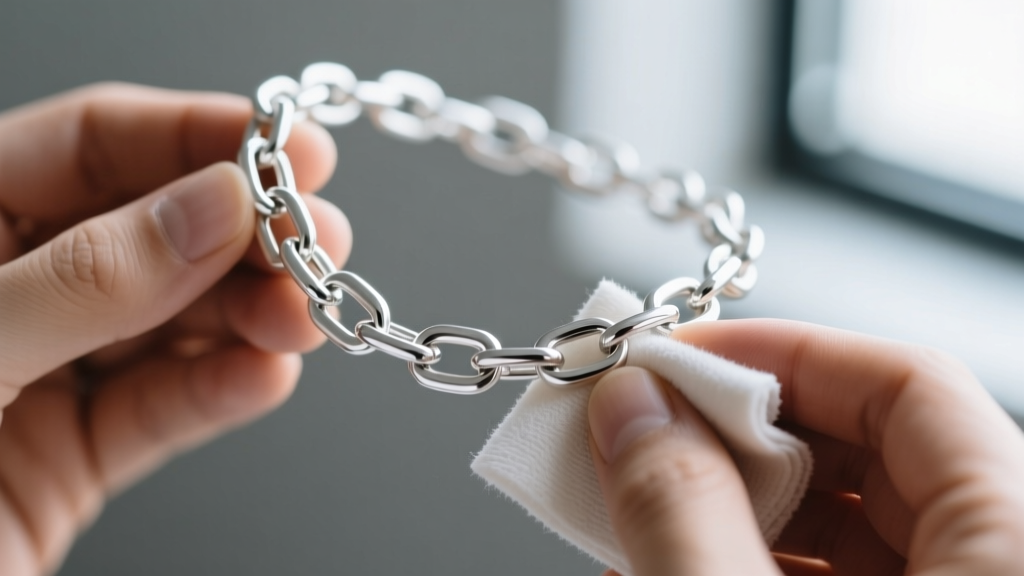
After every wear, take a clean, lint-free microfiber cloth and gently run the chain through it. This removes the microscopic layer of acidic sweat and body oils that accumulate on the high-polish facets of the paper links. Do not use paper towels or tissues; the wood pulp fibers can cause micro-scratches on the mirror-polished surfaces of the silver over time.
Moisture and Chemical Exposure
Never wear your paper chain necklace in the shower, the ocean, or a chlorinated pool. Chlorine is particularly aggressive and can cause irreversible pitting and structural weakening of the solder points where the intricate links are joined. Furthermore, the internal spring mechanism inside the signature Chrome Hearts lobster or hook clasp is typically made of stainless steel. If saltwater or chlorinated water becomes trapped inside the clasp housing, it will corrode the spring, leading to mechanical failure.
Step-by-Step Deep Cleaning Protocol
When your necklace requires a deeper clean to remove accumulated grime from the folded crevices, you must avoid commercial silver dips at all costs. Products containing thiourea will instantly strip the hand-applied factory oxidation, ruining the gothic contrast that defines the brand's aesthetic.
The Safe Cleaning Solution
- Prepare the Bath: Mix a few drops of mild, phosphate-free dish soap (like Dawn) into a bowl of distilled water. Avoid tap water, as the chlorine and dissolved minerals can leave spots or react with the silver.
- Soak Briefly: Submerge the necklace for no more than 3 to 5 minutes to loosen sebum and dirt trapped in the paper links.
- Gentle Agitation: Using an extra-soft baby toothbrush, lightly brush the high-polish areas of the chain. Critical Warning: Do not aggressively scrub the recessed, blackened areas. The goal is to clean the metal, not polish away the antiquing.
- Rinse and Dry: Rinse thoroughly under a gentle stream of distilled water. Pat dry with a microfiber cloth, and use a can of compressed air to blow out any trapped moisture from inside the clasp mechanism and the tightest link joints.
Cleaning Agents: Safe vs. Unsafe for Chrome Hearts
| Cleaning Agent / Method | Effect on .925 Silver & Oxidation | Expert Verdict |
|---|---|---|
| Tarn-X / Silver Dips (Thiourea) | Strips factory oxidation, leaves a flat, chalky white finish. | NEVER USE |
| Ultrasonic Cleaners | Can shake loose dirt into scratches; may damage delicate solder joints or clasp springs. | AVOID |
| Dawn Dish Soap + Distilled Water | Lifts oils and grime without affecting the sulfur-based patina. | HIGHLY RECOMMENDED |
| Sunshine Polishing Cloths | Removes light surface tarnish from high points; contains micro-abrasives. | USE WITH CAUTION (Avoid crevices) |
| Baking Soda & Aluminum Foil | Reverses tarnish chemically but will completely erase intentional antiquing. | NEVER USE |
Archival Storage Solutions
How you store your Chrome Hearts paper chain necklace when it is not on your neck is just as critical as how you clean it. Leaving the piece exposed on a bathroom counter or dresser guarantees rapid oxidation due to fluctuating humidity and airborne sulfur compounds.
The Anti-Tarnish Environment
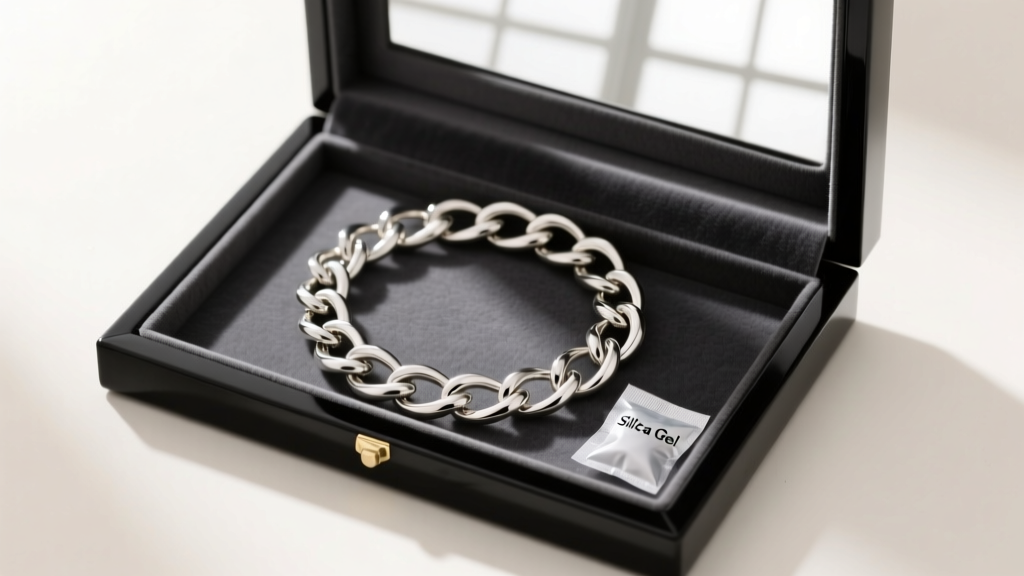
Store your necklace in a sealed, airtight polyethylene bag or a specialized jewelry vault lined with Pacific cloth or treated flannel. To actively neutralize sulfur gases inside the storage environment, place a 3M Anti-Tarnish Strip inside the bag. These strips utilize copper particles to scavenge sulfur from the air before it can react with your silver. Replace these strips every six months for optimal protection.
Additionally, include a small silica gel desiccant packet to control moisture. Ensure the necklace is laid flat or coiled loosely; hanging heavy paper chains for long periods can place undue stress on the uppermost links and the clasp solder joints, potentially leading to metal fatigue over decades of ownership.
When to Seek Professional Restoration
Despite meticulous home care, a vintage or heavily worn Chrome Hearts paper chain may eventually require professional intervention. If the factory oxidation has been accidentally stripped by a previous owner or an overzealous jeweler, the piece will need to be re-oxidized. This is a delicate chemical process involving liver of sulfur, which should only be performed by a master silversmith familiar with Chrome Hearts' specific contrast ratios.
Furthermore, if you notice any stiffness in the paper links or a compromised clasp spring, do not attempt to force the metal or repair it with household tools. Send the piece directly to a Chrome Hearts boutique in Los Angeles, New York, or Tokyo for factory restoration. They possess the original casting molds, proprietary polishing compounds, and exact alloy specifications required to restore the necklace to its original, uncompromising standard without voiding its authenticity or archival value.


