How to Clean and Care for Your Camp Half Blood Necklace
Learn how to safely clean and maintain your Camp Half Blood necklace. Expert tips for leather cords, clay beads, and metal clasps to prevent damage.

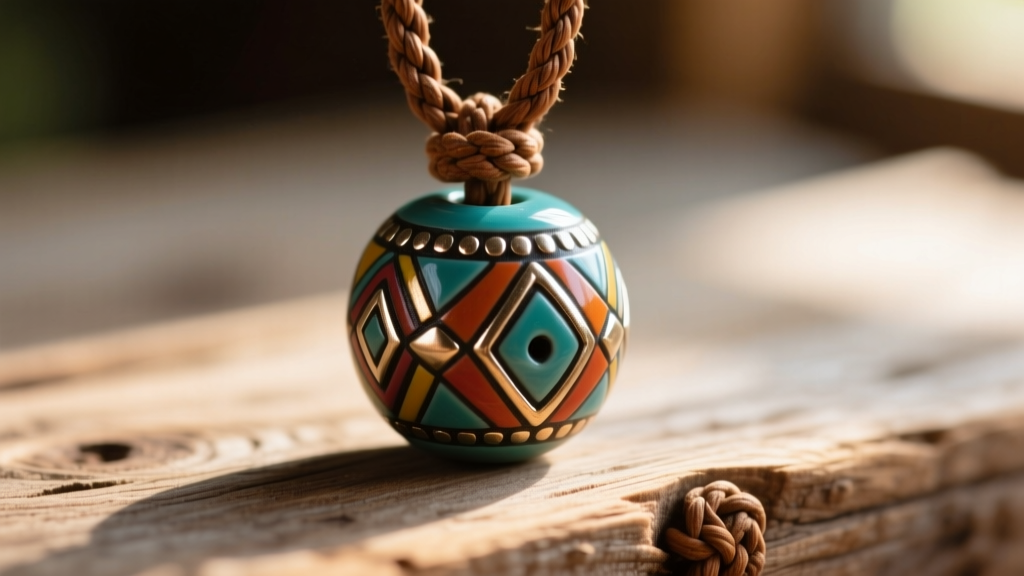
The Anatomy of a Camp Half Blood Necklace: Materials Matter
Whether you are a die-hard Percy Jackson fan or you simply appreciate the aesthetic of mythological summer camp gear, a Camp Half Blood necklace is a staple piece of fandom jewelry. However, because these necklaces range from $15 handmade Etsy replicas to $150 official sterling silver movie merchandise, there is no single 'one-size-fits-all' cleaning method. To properly care for your piece in 2026, you first need to identify the exact materials used in its construction.
Most replica beads fall into three categories: polymer clay (baked PVC-based clay sealed with a glaze), air-dry clay (water-soluble and highly fragile), or enameled metal (zinc alloy or brass with painted enamel fills). The cords are typically braided leather, hemp, or waxed cotton, while the hardware ranges from easily tarnished base metals to hypoallergenic stainless steel. Understanding these distinctions is the first step in preventing irreversible damage to your favorite camp bead.
Daily Wear and Tear: Preventing Damage Before It Happens
The biggest threat to your necklace isn't dirt; it's your daily environment. Human sweat has a pH ranging from 4.5 to 7.0, making it slightly acidic. Over time, this acidity corrodes cheap base-metal jump rings and degrades the dyes in leather cords. Furthermore, everyday grooming products are silent killers of fandom jewelry.
- Sunscreen: Chemical UV filters and the oils in sunscreens can break down the plasticizers in polymer clay, causing the bead to become permanently sticky and weep an oily residue.
- Perfumes and Body Sprays: Alcohol-based fragrances will strip the protective acrylic sealants off handmade clay beads, leaving the raw paint vulnerable to chipping.
- Chlorine and Saltwater: Swimming in a pool or the ocean will instantly dry out and crack leather cords, while simultaneously turning brass clasps green due to oxidation.
Pro Tip: Always put your Camp Half Blood necklace on after you have applied your skincare, sunscreen, and fragrances, and take it off before you shower or swim.
Step-by-Step Cleaning Guide for Clay and Painted Beads
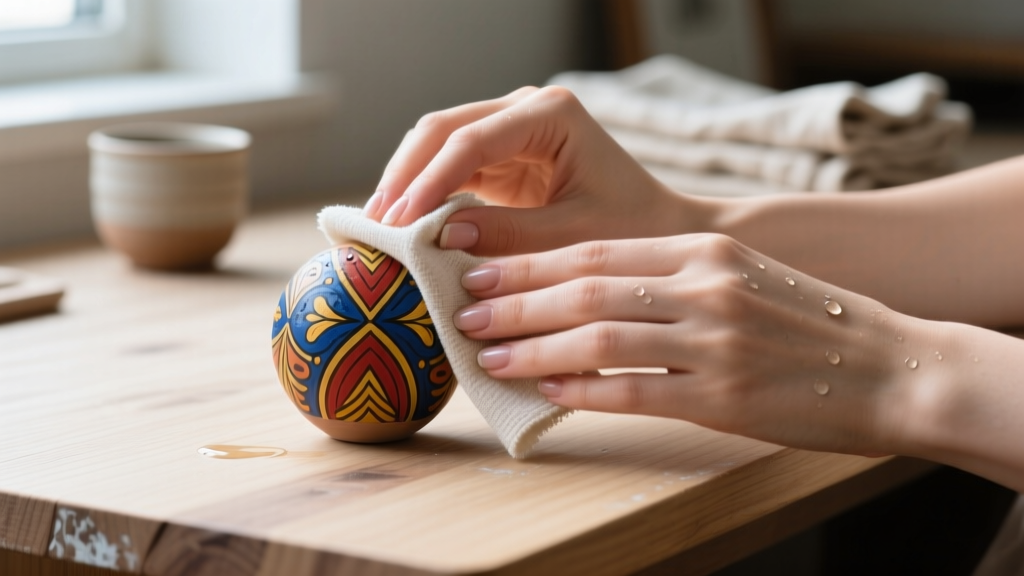
If your bead has accumulated skin oils, dust, or environmental grime, you need to clean it without stripping the hand-painted details. According to conservation guidelines from the Archival Methods preservation database, painted surfaces require neutral-pH cleaners and gentle mechanical action.
What to Avoid: The Harsh Chemicals That Ruin Fandom Gear
Never use isopropyl alcohol, acetone, or standard household glass cleaners on your bead. Alcohol will dissolve acrylic paint and cloud resin coatings. Acetone will literally melt polymer clay and plastic-based sealants.
The Safe Cleaning Method
- Prepare a Mild Solution: Mix a few drops of a gentle, lotion-free dish soap (like original Dawn) into a bowl of distilled water. Distilled water prevents hard water mineral spots from drying on the bead.
- Spot Test: Dip a cotton swab (Q-tip) into the solution and gently rub an inconspicuous area on the back of the bead to ensure the paint doesn't lift.
- Clean the Crevices: Use the damp cotton swab to carefully trace the carved letters and grooves of the Camp Half-Blood logo. Do not scrub aggressively.
- Wipe and Dry: Wipe the bead with a clean, slightly damp microfiber cloth to remove soap residue, then immediately pat it completely dry with a lint-free towel. Never let a clay bead air-dry while wet, as moisture can seep into microscopic cracks and cause the paint to blister.
Cord Care: Maintaining Leather, Hemp, and Cotton Strings
The cord is the structural backbone of your necklace, and treating it incorrectly is the fastest way to end up with a snapped necklace and a lost bead. The Leather Honey Care Guide emphasizes that leather requires hydration, but over-conditioning is just as dangerous as letting it dry out.
| Cord Material | Safe Cleaning Agent | Strictly Avoid | Maintenance Routine |
|---|---|---|---|
| Braided Leather | Damp cloth, specialized leather cleaner | Soaking in water, mink oil (darkens leather) | Condition with Bick 4 every 3-6 months |
| Hemp / Cotton | Mild soap suds (applied with a cloth) | Machine washing, bleach, harsh scrubbing | Spot clean only; replace when frayed |
| Waxed Linen | Dry microfiber cloth | Water, liquid soaps, heat | Re-wax with beeswax thread conditioner annually |
| Suede | Suede eraser and soft bristle brush | Any liquids, oils, or conditioners | Brush gently to restore the nap |
If your leather cord becomes stiff and brittle, it has lost its natural oils. Apply a tiny amount of a high-quality, non-darkening leather conditioner (such as Bickmore Bick 4) to a soft cloth and rub it into the cord. Let it absorb for 15 minutes, then buff off the excess. Never use neatsfoot oil or mink oil on dyed leather cords, as these heavy oils will permanently darken the dye and leave a greasy residue that attracts dirt.
Restoring the Metal: Clasp and Chain Maintenance
Many replica Camp Half Blood necklaces use inexpensive zinc alloy or brass lobster clasps and jump rings. When the thin silver or gold plating wears off, the exposed base metal reacts with your skin's acidity, resulting in a green ring around your neck and a weakened clasp mechanism.
For routine tarnish removal on metal hardware, use a dry, treated silver polishing cloth. Avoid liquid silver dips, as these harsh chemicals can easily splash onto your clay or enameled bead, ruining the finish instantly. If your base metal clasp has already started to pit or turn your skin green, the best investment you can make is taking the necklace to a local jeweler. For about $10 to $15, they can cut off the cheap jump ring and clasp, replacing them with a heavy-duty 16-gauge or 18-gauge stainless steel or sterling silver soldered jump ring and a high-quality lobster clasp. This simple upgrade guarantees the hardware will outlast the cord and the bead.
Proper Storage Techniques for Fandom Jewelry
How you store your necklace when you aren't wearing it at Camp Half-Blood (or your local coffee shop) is just as critical as how you clean it. The most common mistake collectors make is tossing polymer clay jewelry into standard PVC plastic baggies or cheap vinyl jewelry boxes.
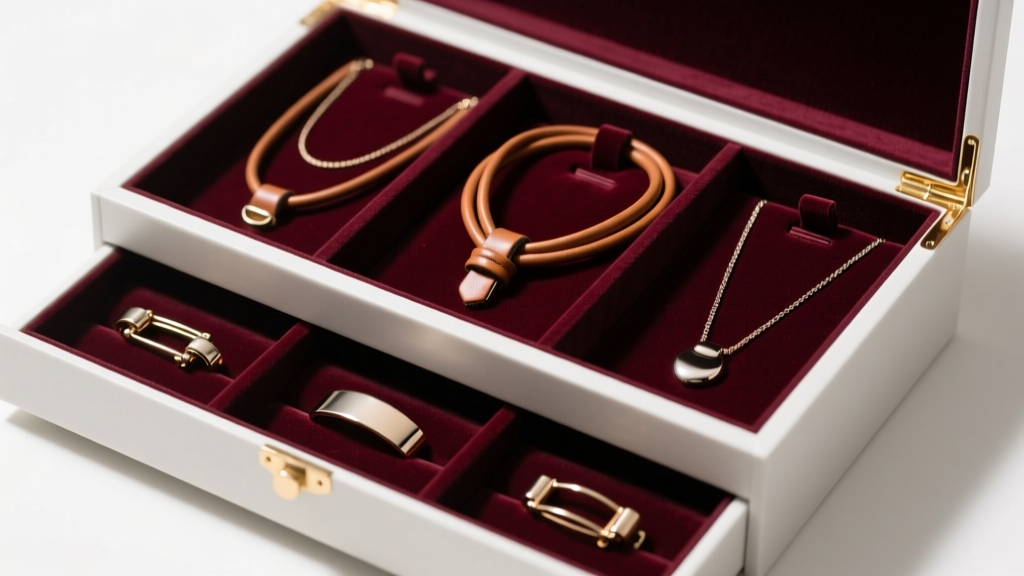
Polymer clay is fundamentally a PVC (polyvinyl chloride) product. When stored in direct contact with other PVC plastics, a chemical reaction occurs where the plasticizers migrate between the materials. This will leave your bead permanently sticky and ruin the finish. According to the Gemological Institute of America (GIA), proper archival storage requires inert materials.
- Use Polypropylene (PP) or Polyethylene (PE): If you must use plastic bags, ensure they are made of PP or PE (often labeled as 'archival safe' or 'acid-free'). Standard Ziploc bags are generally made of PE and are safe for short-term storage.
- Acid-Free Tissue Paper: Wrap your bead in acid-free, unbuffered tissue paper to protect the painted surface from micro-scratches.
- Hang or Lay Flat: Leather cords should ideally be hung on a padded jewelry hook to prevent them from developing permanent kinks or memory curls. If laying flat in a drawer, ensure the cord is loosely coiled in a wide circle, never folded or tightly bent.
- Climate Control: Store your necklace in a cool, dry place away from direct sunlight. UV rays will rapidly fade the hand-painted acrylic colors on your camp bead, turning a vibrant strawberry red into a dull, washed-out pink within a matter of months.
By understanding the specific vulnerabilities of clay, leather, and base metals, you can ensure your Camp Half Blood necklace remains a pristine, wearable piece of your mythological identity for years to come. Treat your camp gear with the same respect you would give a celestial bronze sword, and it will never fail you when you need it most.


