Elekes Necklace Care: Cleaning Sacred Beaded Jewelry
Learn the physical and spiritual care rules for an elekes necklace. Discover how to clean glass, coral, and sacred cords without breaking consecration.

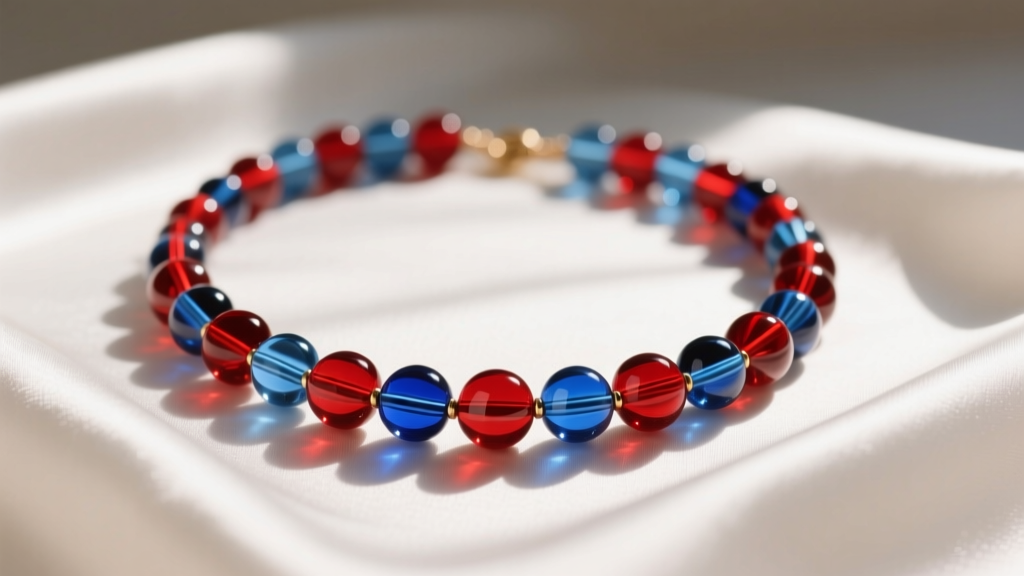
In the rich tapestry of Yoruba-derived spiritual traditions—including Santería (Lucumí), Ifá, and Candomblé—the elekes necklace is far more than a decorative accessory. Known also as ilekes, these sacred beaded garments are consecrated vessels that serve as a protective shield and a direct line of communication with the Orishas (deities). Because they hold immense spiritual weight, the care, maintenance, and cleaning of an elekes necklace require a delicate balance of material science and strict religious protocol.
Unlike standard fashion jewelry, you cannot simply toss an elekes necklace into an ultrasonic cleaner or submerge it in harsh chemical baths. Doing so risks not only destroying the physical materials but also stripping the Ashe (spiritual energy) imbued within the beads. This comprehensive guide explores the exact physical and spiritual maintenance required to keep your sacred beadwork pristine, structurally sound, and spiritually potent in 2026 and beyond.
The Dual Nature of Elekes: Physical vs. Spiritual Care
When discussing the maintenance of an elekes necklace, practitioners must differentiate between physical grime (dust, sebum, environmental pollutants) and spiritual pollution (negative energies, ritual requirements). Physical cleaning is about preserving the integrity of the glass, coral, and cord. Spiritual cleansing, often involving an omiero (a sacred herbal bath prepared by a Padrino or Madrina), is an entirely separate ritual process that should only be undertaken under the guidance of your godparents.
The foundational rule of elekes care is restraint. Over-cleaning can lead to cord degradation and bead damage. According to anthropological studies on Yoruba beadwork archived by institutions like the Smithsonian National Museum of African Art, beads are historically viewed as vessels of divine energy. Therefore, physical maintenance should be gentle, intentional, and respectful of the materials' natural properties.
Material Breakdown: What Your Elekes Necklace is Made Of
To clean an elekes necklace properly, you must first understand the material science of its components. A standard elekes is constructed from specific bead types, metallic spacers, and a foundational cord, each reacting differently to human skin and environmental factors.
Glass, Coral, and Metallic Beads
Most modern elekes utilize size 8/0 or 6/0 Czech glass seed beads for their uniformity and vibrant colorfastness. Glass is non-porous, meaning it does not absorb sweat or oils, making it the easiest to maintain. However, specific Orishas require organic or metallic materials:
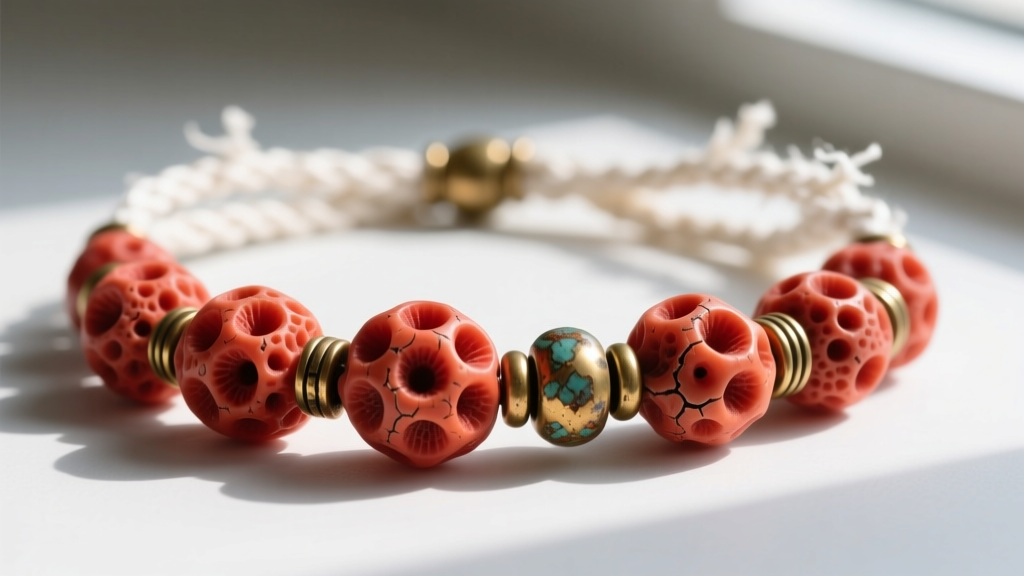
- Natural Coral: Highly sacred to Oshun and Yemaya, coral is deeply porous and calcium-based. It is highly susceptible to acidic environments. Human sweat (which has a pH of 4.5 to 7.0) can slowly dissolve the polish on coral beads, leaving them dull and chalky.
- Brass and Copper: Associated with Ogun and Ochosi, bare brass and copper spacers oxidize rapidly when exposed to the sulfur and salts in human sebum. This oxidation creates a green or black patina that can stain the sacred cord and adjacent beads.
- Jet (Azabache): A fossilized wood used for protection against the evil eye. Jet is relatively soft (Mohs hardness of 2.5-4) and can be scratched by abrasive cloths or harder glass beads rubbing against it.
The Sacred Cord: Cotton vs. Synthetic
The thread holding the elekes together is just as vital as the beads. Traditionally, elekes are strung on heavy-duty cotton or silk threads. While traditionalists insist on natural fibers for their ability to absorb and hold spiritual oils (corojo or cacao butter), natural fibers are highly vulnerable to moisture. Prolonged exposure to sweat weakens cotton's tensile strength, leading to fraying and eventual snapping. Some modern practitioners use nylon or synthetic braided cords for durability, though this remains a point of theological debate within the community.
Step-by-Step Physical Cleaning Guide
If your elekes necklace has accumulated dust, skin oils, or environmental dirt, you must clean it without compromising the cord or the bead finishes. Never submerge your elekes in water unless specifically instructed to do so during a spiritual cleansing ritual. Water trapped inside the bead holes will rot a cotton cord from the inside out.
The Bead Material Cleaning Matrix
| Material | Vulnerability | Safe Cleaning Method | What to Avoid |
|---|---|---|---|
| Czech Glass (8/0) | Low (Non-porous) | Wipe with a dry, lint-free microfiber cloth. Use a soft makeup brush for dust in crevices. | Alcohol-based cleaners (can dull certain painted finishes). |
| Natural Coral | High (Porous, Acid-sensitive) | Dry dusting only. Wipe gently with a slightly damp (not wet) cloth, then dry immediately. | Vinegar, lemon juice, ultrasonic cleaners, and prolonged sweat exposure. |
| Brass / Copper | Medium (Oxidizes) | Polish spacers carefully with a dry jewelry polishing cloth, avoiding the cord. | Liquid tarnish removers (will stain the cord and adjacent beads). |
| Jet (Azabache) | Medium (Soft, Scratches) | Buff gently with a clean, soft cotton cloth. | Stiff-bristled brushes or rubbing against harder glass beads. |
Pro-Tip for Brass Oxidation: If the brass spacers on your Ogun elekes have turned black and are staining the white cotton cord, you can carefully isolate the brass bead and rub it with a dry Q-tip lightly coated in baking soda. Brush away the residue immediately with a clean, dry brush. Do not use liquid polishes, as they will wick into the cotton thread via capillary action.
What to Avoid: Common Mistakes That Break Consecration
In Afro-Caribbean traditions, the physical treatment of the elekes necklace is intrinsically tied to spiritual respect. Certain actions are considered taboo (ewo) and are believed to anger the Orisha or attract negative energies. For a deeper understanding of these cultural taboos, resources like the Encyclopedia Britannica's overview of Yoruba culture highlight the strict societal and spiritual boundaries surrounding sacred objects.
- Never Let It Touch the Floor: The floor represents the realm of the dead and negative earthly energies. If your elekes drops to the ground, it requires immediate spiritual consultation with your godparent, as it may have absorbed harmful energy or taken a 'hit' meant for you.
- Remove Before Sleeping: Elekes are active spiritual antennas. Wearing them to bed can lead to restless sleep, spiritual exhaustion, and physical damage to the cord from tossing and turning.
- The Bathroom Rule: Never wear your elekes necklace into the bathroom. The energies associated with human waste are considered highly polluting to the Ashe of the Orishas.
- Intimacy and Menstruation: Traditional protocols dictate that elekes must be removed during sexual intercourse. Furthermore, many lineages require women to remove certain elekes (particularly those of male Orishas) during their menstrual cycle, storing them respectfully until the cycle ends.
- Do Not Lend or Share: An elekes is tuned to your specific spiritual frequency. Letting someone else touch or wear your consecrated necklace disrupts this energetic bond.
Spiritual Maintenance and Storage Protocols
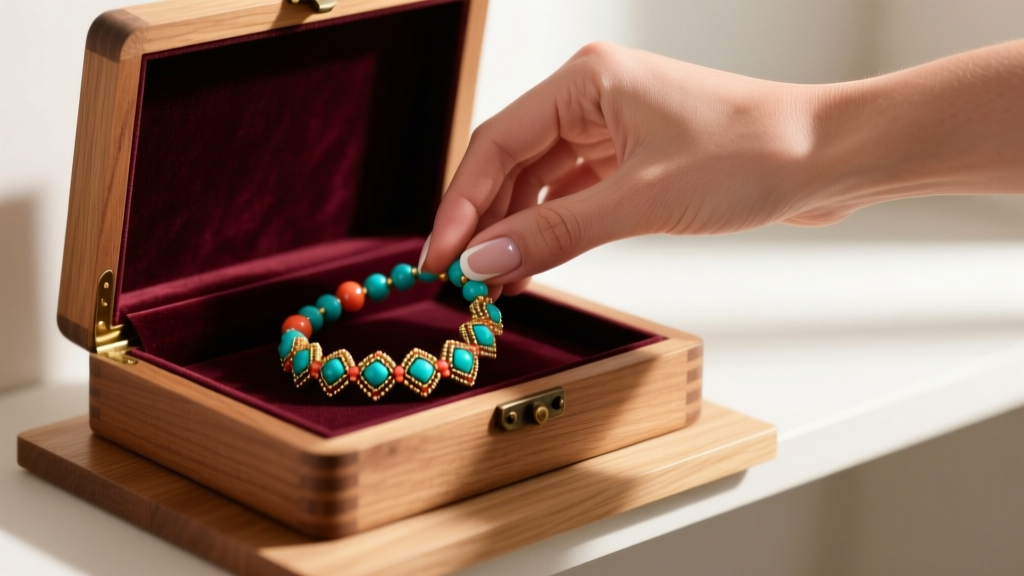
Proper storage is the cornerstone of elekes maintenance. When you are not wearing your necklaces—such as when sleeping, bathing, or engaging in strenuous physical labor—they must be stored correctly to maintain their spiritual charge and physical shape.
Elevation and Altar Placement
Elekes should never be stored in low drawers, on the floor, or in cluttered, chaotic environments. The ideal storage location is on a clean, elevated shelf, preferably near or on your boveda (spiritual altar) or in a dedicated sacred space. Elevation signifies respect and keeps the necklaces above the waist-level energies of daily household traffic.
The Satin Bag Method
Store each elekes necklace individually in a breathable satin or silk drawstring bag. Satin prevents the glass beads from scratching one another and protects porous coral and jet from ambient dust. Avoid plastic ziplock bags, as they trap moisture and accelerate the oxidation of metallic spacers and the mildewing of natural cotton cords. If you use natural oils like corojo (palm oil) or cocoa butter to feed your beads during specific rituals, the satin bag will absorb the excess oil, preventing it from going rancid on the beads themselves.
Handling Cord Snaps and Breaks
If the cord of your elekes necklace snaps, do not simply restring it yourself with a needle and thread from a craft store. In the Lucumí tradition, a broken elekes is a profound message. It often signifies that the necklace has absorbed a massive amount of negative energy or that the Orisha is demanding attention, an offering, or a spiritual cleansing. You must take the broken necklace and the loose beads to your Padrino or Madrina. They will divine the cause of the break, perform the necessary ebbo (sacrifice/offering), and restring the beads using consecrated materials, often knotting the cord in specific patterns that hold their own spiritual geometry.
Conclusion
Caring for an elekes necklace is an act of devotion that bridges the physical and spiritual worlds. By understanding the material vulnerabilities of glass, coral, and cotton, and by strictly adhering to the ancestral protocols of respect, elevation, and purity, you ensure that your sacred beadwork remains a powerful, beautiful, and protective force in your life. Treat your elekes with the reverence of a living spiritual entity, and it will continue to shield and guide you on your religious path.


