Photo Necklaces in 2026: Budget & Value Buying Guide
Discover the true value of photo necklaces in 2026. We break down pricing tiers, material grades, and printing methods to help you buy smart.

The Custom Jewelry Shift: Navigating the 2026 Market
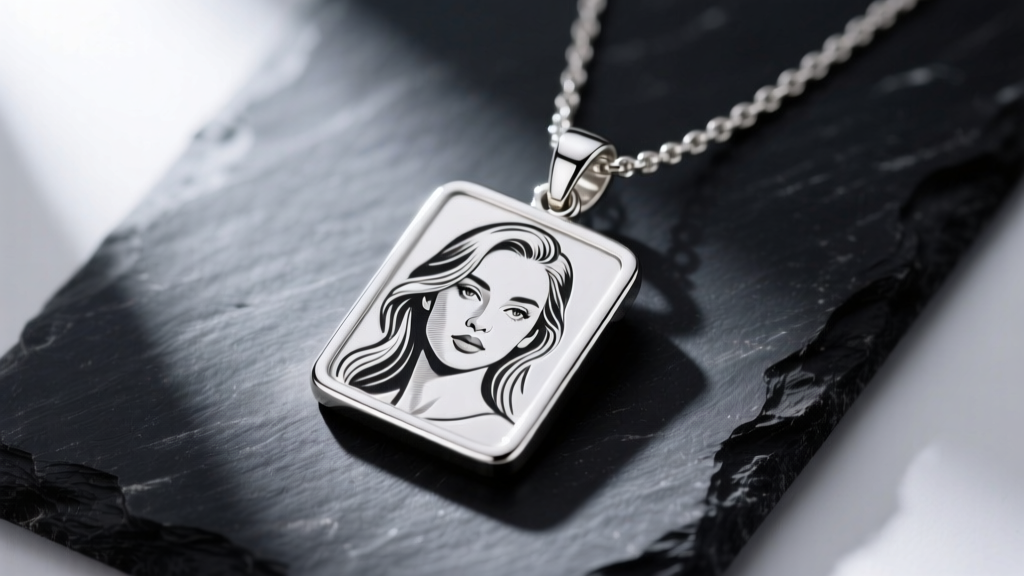
The market for custom memory jewelry has evolved dramatically. In 2026, photo necklaces are no longer limited to cheap, novelty lockets or low-resolution paper inserts. Advances in micro-laser engraving, aliphatic UV resins, and miniature vitreous enamel have elevated these sentimental pieces into legitimate, wearable art. However, this accessibility has also flooded the market with dropshipped, low-grade brass pendants disguised as premium keepsakes.
When investing in a piece meant to preserve a core memory, understanding the metallurgical and technical realities behind the price tag is critical. This budget and value assessment breaks down exactly what you should expect to pay, the material grades that guarantee longevity, and the hidden failure modes that ruin cheap custom jewelry.
The Anatomy of a High-Value Photo Necklace
Before assessing the pendant's face, you must evaluate the structural hardware. A $200 solid gold pendant is worthless if it hangs from a chain that snaps or a jump ring that pulls apart.
- Chain Gauge & Weight Ratio: A standard 0.8mm cable chain will eventually snap under the dynamic weight of a 12-gram solid silver photo pendant. For pendants weighing over 8 grams, demand a 1.5mm to 2.0mm rope, curb, or box chain.
- Soldered Jump Rings: The jump ring connecting the pendant to the chain must be soldered shut. Unsoldered 4mm jump rings will inevitably spread open when caught on clothing, resulting in a lost pendant.
- Bail Construction: Avoid glued bails. High-value photo necklaces feature integrated cast bails or mechanically wrapped wire bails that distribute stress evenly across the pendant's top edge.
Material Grades & Base Metals: The Value Matrix
The base metal dictates the lifespan of the necklace, especially when exposed to the natural acidity of human skin (which typically ranges from a pH of 4.5 to 7.0). According to the FTC Jewelry Guides, strict standards govern how metals are stamped and sold, yet many overseas custom jewelers ignore these rules.
| Material Grade | Stamp / Mark | Price Range | Tarnish Risk | Value Verdict |
|---|---|---|---|---|
| 316L Surgical Steel | 316L / Steel | $25 - $50 | None | Best Budget Option |
| 925 Sterling Silver | 925 | $60 - $140 | Moderate | Excellent Mid-Tier |
| 14k Gold Filled | 1/20 14k GF | $85 - $180 | Low | Superior Everyday Value |
| 14k Solid Gold | 14k / 585 | $350 - $800+ | None | Heirloom Investment |
| Brass / Copper (Plated) | None / Misleading | $15 - $35 | Extreme | Avoid Completely |
Why Gold Plated is a Trap
Many budget photo necklaces are advertised as '18k Gold Plated.' In reality, flash plating is often less than 0.05 microns thick. The Gemological Institute of America (GIA) notes that true gold-filled jewelry must contain at least 5% gold by weight (stamped 1/20 14k GF). Gold-filled layers are 50 to 100 times thicker than standard plating, meaning they will not rub off onto the skin or expose the reactive brass core beneath within your lifetime.
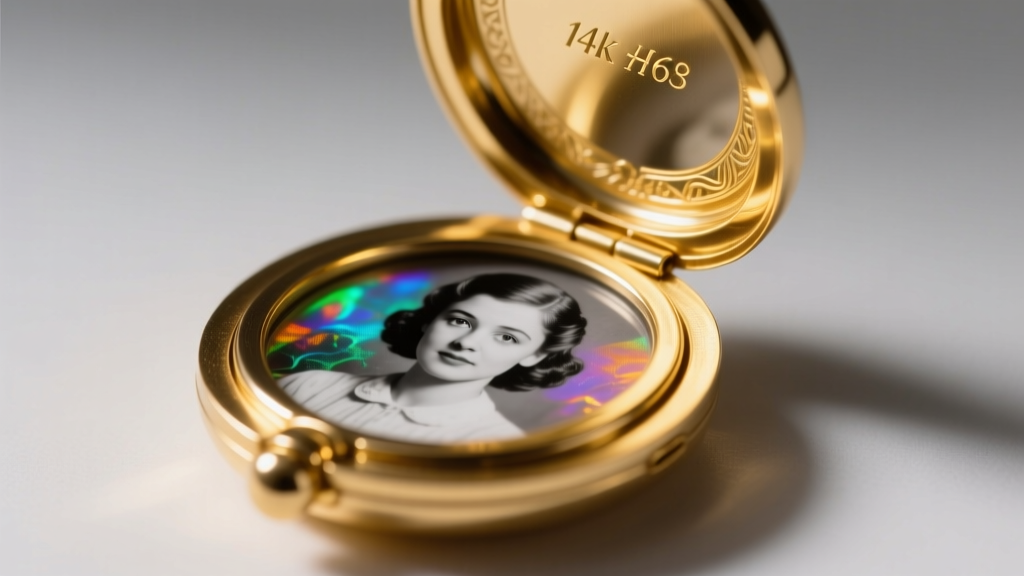
Image Transfer Methods: Longevity vs. Cost
The way the photograph is applied to the metal drastically alters both the price and the archival quality of the piece. Here is how the primary 2026 manufacturing methods compare in terms of budget and long-term value.
1. Deep Laser Engraving (Fiber Lasers)
Cost: $40 - $120
Best For: High-contrast portraits, pet photos, and landscapes.
The Science: Modern 50W fiber lasers anneal the surface of sterling silver or steel, creating permanent dark oxidation without removing metal. The value here is permanence; it will never fade. However, it requires high-contrast source images and cannot reproduce color.
2. UV Resin & Aliphatic Printing
Cost: $50 - $150
Best For: Full-color family portraits and vibrant landscapes.
The Science: Older epoxy resins yellowed within 18 months due to UV degradation. In 2026, premium custom jewelers use HALS-stabilized (Hindered Amine Light Stabilizers) aliphatic urethane resins. When cured under UV light, these resins lock in CMYK ink pigments and resist yellowing for 5 to 10 years, even with daily sun exposure.
3. Miniature Vitreous Enamel (Cloisonné)
Cost: $250 - $600+
Best For: Generational heirlooms.
The Science: This is the pinnacle of photo jewelry. Glass powder is fused to a solid 14k or 18k gold base at 800°C. The image is hand-painted or transferred via ceramic decal before firing. It is virtually indestructible, waterproof, and completely UV-proof, justifying the high investment tier.
4. Projection Pendants
Cost: $20 - $45
Best For: Novelty gifts and secret messages.
The Science: A micro-lens is embedded in the center of a pendant, projecting an image when a phone flashlight is shined through the back. While fun, these are almost universally made from cheap zinc alloy or brass. The optical resin lens easily scratches, and the internal image film degrades if exposed to high heat (like being left in a hot car).
Common Failure Modes & How to Avoid Them
Even well-intentioned buyers end up with ruined photo necklaces by ignoring basic material chemistry. Protect your investment by watching out for these specific failure modes:
Pro-Tip: Never wear UV-resin photo necklaces in chlorinated pools or hot tubs. The chlorine gas and heat will cause the resin to delaminate from the metal bezel within minutes.
- The 'Green Neck' Phenomenon: Caused by copper or brass base metals reacting with sweat and lotions. If a custom jeweler will not explicitly state the base metal is 316L steel, 925 silver, or solid gold, assume it is brass and walk away.
- Bezel Delamination: In cheaper UV-printed pendants, the metal bezel is folded over the resin by hand. Over time, temperature fluctuations cause the metal and resin to expand and contract at different rates, popping the image out. Look for jewelers who use mechanical interlocking grooves or opt for bezel-less laser engraving.
- Paper Insert Rot: Traditional lockets that require you to cut and insert a paper photo are highly susceptible to ambient humidity. The paper will warp, mold, and degrade. If you prefer the locket aesthetic, have the photo professionally printed onto a thin sheet of archival polyester film before inserting it.
Final Verdict: Maximizing Your Budget
When shopping for photo necklaces, value is not about finding the absolute lowest price; it is about matching the manufacturing technique to your lifestyle and budget.
If your budget is under $50, opt for a 316L stainless steel pendant with deep laser engraving. It offers the highest structural integrity and permanent image retention at an entry-level price point. Avoid gold-plated brass at all costs.
If you are spending between $80 and $150, demand 14k gold-filled hardware paired with HALS-stabilized UV color printing. This gives you the rich aesthetic of solid gold and vibrant color reproduction without the heirloom price tag. Finally, for pieces meant to be passed down through generations, bypass modern resins entirely and invest in solid gold with vitreous enamel. By understanding the materials and methods behind the metal, you ensure your most cherished memories remain intact for decades to come.


