The Pearl Skull Necklace: 2026 Dark Coquette Trend Guide
Explore the 2026 pearl skull necklace trend. Discover how to style the dark coquette aesthetic, compare materials, and find the perfect gothic-romance piece.

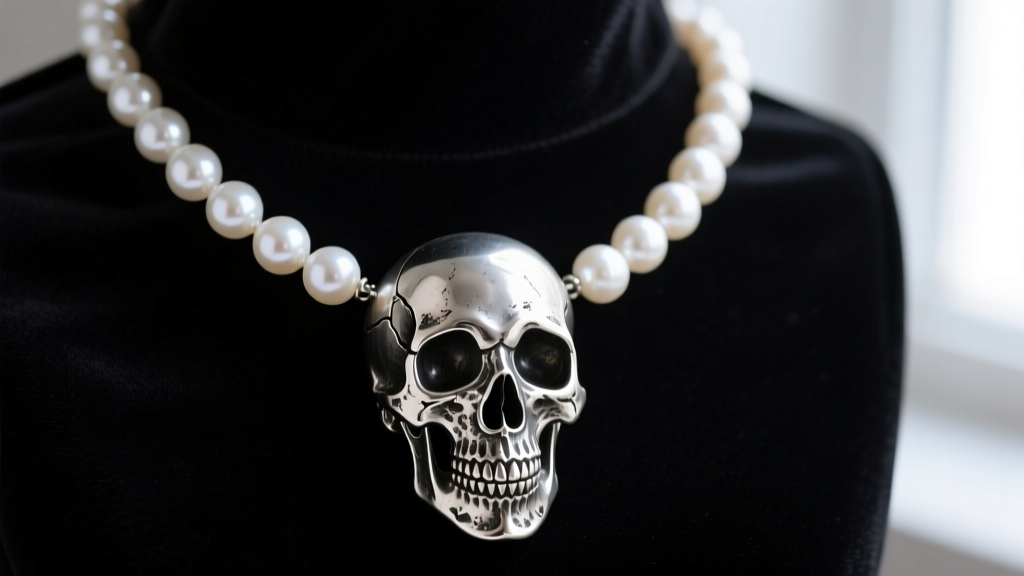
The jewelry landscape of 2026 is defined by striking contradictions. Leading the charge of this aesthetic rebellion is the pearl skull necklace, a piece that perfectly encapsulates the 'Dark Coquette' and 'Gothic Romance' movements. No longer confined to Halloween novelties or niche subcultures, the juxtaposition of luminous, organic pearls with the macabre symbolism of the human skull has become a staple in contemporary fine jewelry. This guide breaks down the anatomy, market tiers, and expert styling frameworks for this defining trend.
The Rise of the Dark Coquette: Why Pearl Meets Macabre
Historically, pearls have symbolized purity, wealth, and traditional elegance, while skulls serve as a memento mori—a reminder of mortality. In 2026, fashion has embraced the tension between these two extremes. The modern pearl skull necklace is not about shock value; it is an exercise in sophisticated subversion. Designers are moving away from cartoonish, exaggerated skulls, opting instead for hyper-realistic, anatomically correct cranial casts paired with high-luster pearls. According to trend forecasts highlighted by Forbes Jewelry, consumers are increasingly seeking 'heirloom-edge' pieces that carry emotional weight and narrative depth, making the pearl skull pendant a highly coveted anchor piece for personal expression.
Anatomy of a Pearl Skull Necklace: Materials & Grades
To evaluate the quality and longevity of a pearl skull necklace, one must scrutinize both the organic gems and the metalwork. The interplay between these materials dictates the piece's value, durability, and aesthetic impact.
The Pearls: Nacre, Luster, and Overtone
The pearls used in these necklaces generally fall into three categories, each offering a distinct mood:
- Freshwater Pearls: The most common entry point. High-quality AAA freshwater pearls offer thick nacre (often 0.8mm to 1.2mm) and excellent durability, though their luster is generally softer and more satiny than saltwater varieties.
- Akoya Pearls: The gold standard for classic white strands. Ranging from 6mm to 8mm, Akoya pearls possess a mirror-like luster and sharp light reflection that contrasts beautifully with matte or oxidized metals.
- Tahitian Black Pearls: The ultimate choice for the gothic aesthetic. Ranging from dark charcoal to deep aubergine, Tahitian pearls with 'peacock' overtones (shimmering greens and purples) create a mesmerizing, moody backdrop for skull motifs. The Gemological Institute of America (GIA) notes that true black pearls are exceptionally rare, with most dark strands exhibiting these complex secondary colors.
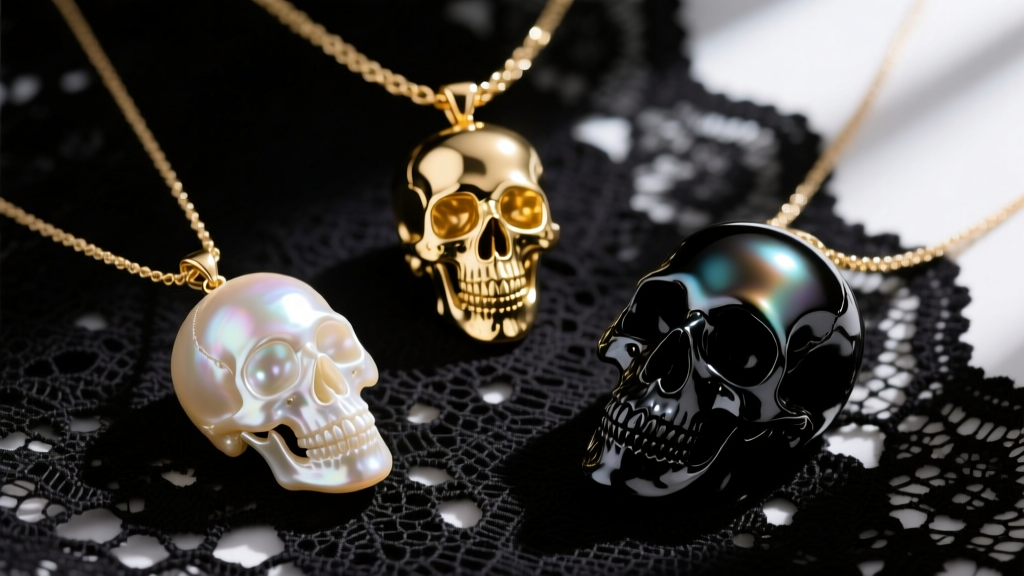
The Skulls: Casting Techniques and Patinas
The craftsmanship of the skull pendant separates fine jewelry from costume pieces. In 2026, premium brands utilize lost-wax casting in solid 925 sterling silver or 14k/18k gold. The most critical detail is the patina. Artisans intentionally oxidize the silver using sulfur compounds to darken the recesses of the skull—such as the cranial sutures, nasal cavity, and teeth—before polishing the high points. This creates a three-dimensional, sculptural effect. For luxury tiers, skulls are cast in 14k rose or yellow gold, sometimes accented with black rhodium plating or deep ruby-red enamel in the eye sockets.
2026 Market Pricing & Brand Tier Breakdown
Navigating the market requires understanding what you are paying for. Below is a structured breakdown of the current pricing tiers for authentic pearl skull necklaces.
| Tier | Price Range | Pearl Type | Skull Material & Details | Target Demographic |
|---|---|---|---|---|
| Fashion / Entry | $45 - $95 | Shell pearls or low-grade freshwater | Brass or silver-plated alloy, painted details | Trend-focused, seasonal wear |
| Contemporary Bridge | $150 - $400 | AAA White or Black Freshwater | Solid 925 Sterling Silver, oxidized patina, hand-polished | Everyday wear, Dark Coquette aesthetic |
| Fine / Luxury | $800 - $3,500+ | Akoya or Tahitian (Peacock overtone) | 14k/18k Gold, CAD-designed anatomy, diamond melee accents | Collectors, heirloom investors, luxury buyers |
Styling Framework: Necklines and Layering Techniques
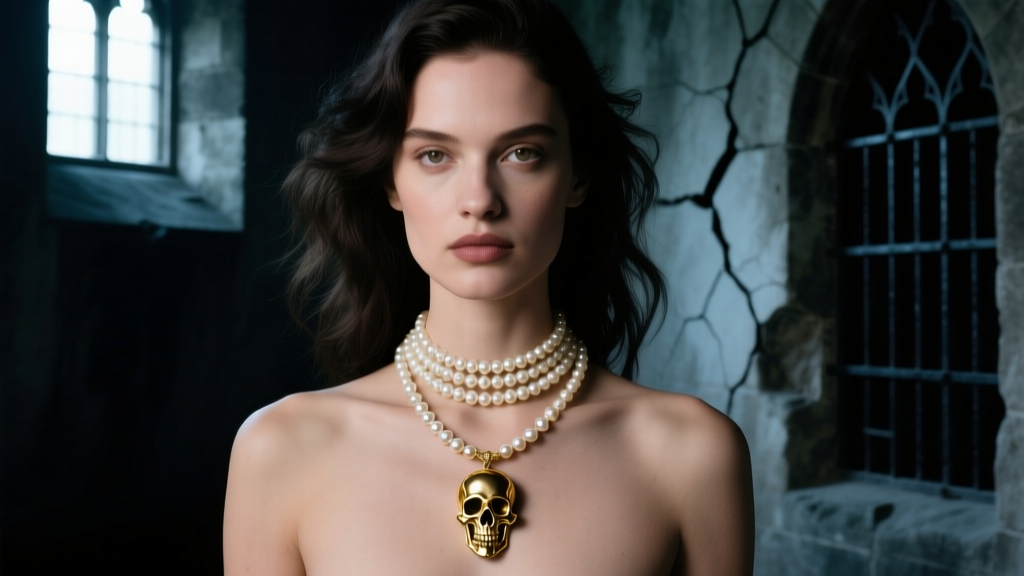
A pearl skull necklace is inherently bold, but its impact relies heavily on how it is framed by your wardrobe and accompanying jewelry. The 2026 styling consensus favors the 'V-Stack' layering method.
The V-Stack Layering Method
To achieve the optimal cascading effect without tangling, follow these precise length and gauge specifications:
- Layer 1 (The Anchor): A 14-inch or 15-inch pearl choker strand (6mm-7mm pearls). This sits snugly at the base of the throat.
- Layer 2 (The Statement): An 18-inch or 20-inch chain featuring the skull pendant. The chain should be a 1.2mm to 1.5mm rolo or cable chain to support the weight of a solid metal skull without looking disproportionate.
- The Pendant Drop: Ensure the skull pendant itself is between 15mm and 22mm in height. Anything larger risks looking like a costume prop; anything smaller loses the anatomical detail.
Neckline Pairings
The macabre elegance of the skull demands specific necklines to shine. Square necklines and sweetheart bodices provide a geometric frame that contrasts with the organic curves of the pearls and the skull. For high-necked garments like turtlenecks or Victorian-style blouses, opt for a single, long 24-inch opera-length pearl strand with a solitary skull drop to elongate the torso.
Care and Maintenance: The Sulfur Hazard
Mixed-material jewelry requires specialized care, and the pearl skull necklace presents a unique chemical hazard that many owners overlook. Pearls are organic, porous gems composed of calcium carbonate, ranking a mere 2.5 to 4.5 on the Mohs hardness scale. They are highly susceptible to acids, perfumes, and harsh chemicals.
Expert Insight: Never store your oxidized silver skull pendant in the same pouch as your pearls. The sulfur compounds used to create the black patina on the silver can off-gas and transfer to the pearls, permanently dulling their nacre and causing a yellowish, muddy discoloration over time. Always store the pendant detached from the pearl strand in an anti-tarnish bag.
Furthermore, never use ultrasonic cleaners on this necklace. The high-frequency vibrations can fracture the pearls and strip the intentional oxidation from the skull's crevices, ruining the 3D contrast. Clean the pearls with a damp, lint-free microfiber cloth after each wear, and use a dedicated silver polishing cloth only on the high points of the skull, avoiding the darkened recesses.
Final Verdict: Is the Trend Here to Stay?
The pearl skull necklace has transcended its status as a fleeting micro-trend to become a modern classic within the alternative and fine jewelry spaces. By anchoring the rebellious nature of the skull with the timeless, generational appeal of pearls, designers have created a piece that appeals to both the avant-garde fashion enthusiast and the serious jewelry collector. As we move through 2026, expect to see further innovations in this space, including the integration of lab-grown diamond accents in the skull's teeth and the use of rare, naturally colored golden South Sea pearls for ultra-luxury iterations.


