Beyond the Pearl Necklace Urban Dictionary Definition
Searched the pearl necklace Urban Dictionary meme? Discover the real gemological guide to buying, grading, and styling authentic pearls.

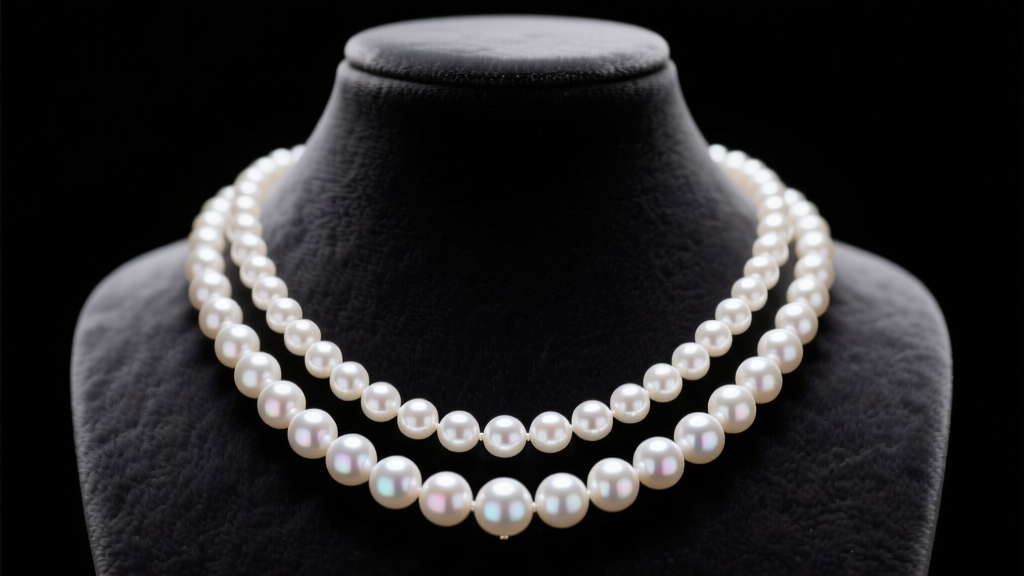
The Internet's Favorite Double Entendre: Addressing the Search
If you have recently typed 'pearl necklace urban dictionary' into a search engine, you are likely already aware of the internet's favorite NSFW slang term. As a jewelry style guide, we are here to gently pivot your attention away from the meme and toward the actual, gemological marvel that is the authentic pearl necklace. In 2026, pearls are experiencing a massive renaissance, moving far beyond vintage stereotypes into the realm of modern, architectural, and avant-garde styling. Whether you are a beginner looking to purchase your first strand or a seasoned collector navigating nacre thickness, understanding the science and art of pearls is essential. Let us decode the real meaning of a pearl necklace, exploring the precise metrics, grading systems, and styling techniques that define luxury jewelry today.
Pearl 101: Understanding the Big Four
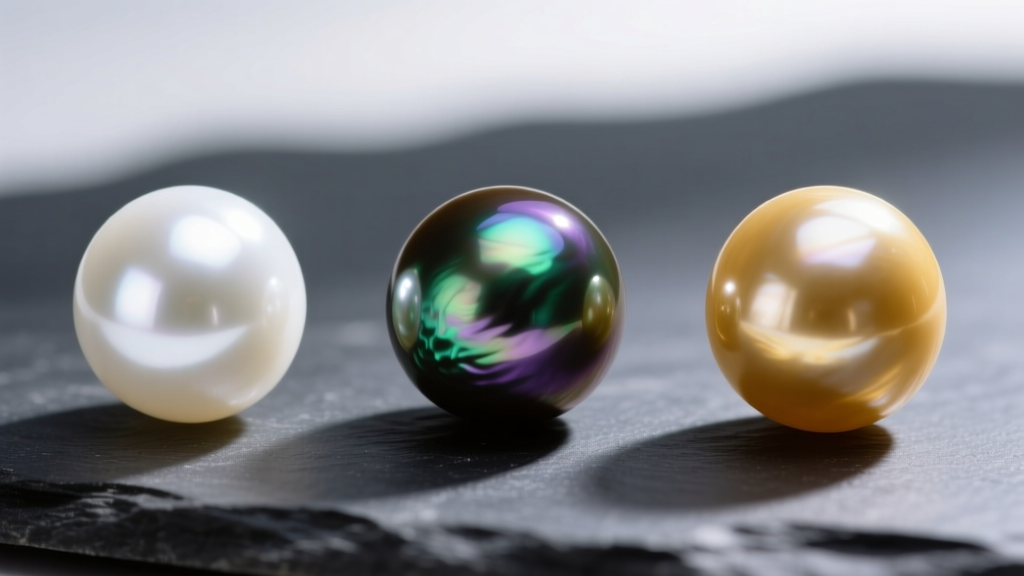
Unlike mined gemstones, pearls are organic gems created by living mollusks. The market is dominated by four primary types, each with distinct nucleation processes, environments, and value metrics. According to the Gemological Institute of America (GIA), understanding these differences is the first step in making an informed purchase.
| Pearl Type | Size Range | Luster Profile | Average Price (18-inch) |
|---|---|---|---|
| Akoya (Saltwater) | 6mm - 9mm | Mirror-like, sharp reflections | $300 - $3,000+ |
| Freshwater | 5mm - 12mm | Soft, satiny, varied colors | $50 - $1,500 |
| Tahitian (Saltwater) | 8mm - 16mm | Metallic, dark with overtones | $500 - $10,000+ |
| South Sea (Saltwater) | 9mm - 20mm | Satin, luxurious, deep glow | $1,000 - $100,000+ |
Akoya Pearls: Cultivated primarily in Japan and China, Akoya pearls are bead-nucleated. This means a perfectly round mother-of-pearl bead is inserted into the oyster, resulting in the most consistently spherical pearls on the market. They are the gold standard for classic, elegant strands.
Freshwater Pearls: Historically tissue-nucleated (resulting in baroque or off-round shapes), modern 'Edison' freshwater pearls are now bead-nucleated, offering large, round profiles at a fraction of the cost of saltwater varieties.
Tahitian Pearls: Often mistakenly called black pearls, these are produced by the Pinctada margaritifera oyster. They exhibit a breathtaking array of overtones, with 'peacock' (a mix of green, purple, and pink) being the most highly prized and expensive.
South Sea Pearls: The giants of the pearl world. Produced by the massive Pinctada maxima oyster in Australia, Indonesia, and the Philippines, their thick nacre layers create a deep, satin luster that is unmatched in the gemological world.
Decoding Pearl Grading and Quality Metrics
Unlike diamonds, which are graded by the universal 4Cs, pearls do not have a single, globally standardized grading system. However, the gemological industry generally relies on two main scales to evaluate surface quality, luster, nacre thickness, and matching.
The AAA-A System (Used for Akoya and Freshwater)
- AAA: The highest commercial grade. The pearl is 95%+ blemish-free, has very high luster, and features a thick, durable nacre layer.
- AA+: High luster with minor surface imperfections visible only upon close inspection. Excellent for high-quality, everyday jewelry.
- A: Noticeable blemishes, lower luster, and thinner nacre. Often used in budget-friendly or fashion jewelry.
The A-D System (Tahitian and South Sea)
The Tahitian government mandates a minimum nacre thickness of 0.8mm for export. The grading scale runs from A (highest, nearly flawless) to D (heavily blemished, but still legally exportable). Any pearl with nacre thinner than 0.8mm is confiscated and destroyed to protect the industry's reputation.
The Critical Metric: Nacre Thickness
Nacre is the crystalline substance the mollusk secretes to form the pearl. In bead-nucleated pearls like Akoya, a thin nacre layer (under 0.3mm) will eventually peel, flake, or appear 'chalky.' Always request an X-ray or nacre thickness certificate from a reputable gemological lab when investing in saltwater pearls over $1,000.
Sizing, Lengths, and the Modern Layering Rules
The visual impact of a pearl necklace is dictated by its length. In 2026, the rigid rules of the past have been replaced by intentional, textured layering. Here is the definitive guide to standard lengths and how to style them.
- Collar (10-13 inches): Sits tightly against the base of the neck. Best paired with V-necks or off-the-shoulder tops. Often worn in multi-strand configurations.
- Choker (14-16 inches): Rests just above the collarbone. The most versatile length, perfect for both casual t-shirts and formal evening wear.
- Princess (17-19 inches): The classic, traditional length. It falls just below the collarbone and is the standard for bridal and heirloom Akoya strands.
- Matinee (20-24 inches): Falls at the top of the bust. Ideal for business attire and high-neck blouses, offering a sophisticated, elongating effect.
- Opera (28-36 inches): Falls below the bust. Modern styling involves knotting the strand or doubling it over to create a faux-choker look with a cascading tail.
- Rope (Over 36 inches): Dramatic and bohemian. Often wrapped multiple times or secured with a decorative brooch.

Real vs. Fake: The Tooth Test and Beyond
With the market flooded by glass, plastic, and shell-coated imitations (like Majorica pearls), authentication is a vital skill for beginners. While advanced testing requires a gemological microscope, you can perform preliminary checks at home.
The Tooth Test: Gently rub the pearl against the biting edge of your front teeth. A genuine pearl will feel distinctly gritty or sandy due to the microscopic aragonite platelets that make up the nacre. A fake pearl will feel perfectly smooth and glassy.
The Temperature Test: Real pearls are cool to the touch and take a few seconds to warm up against your skin. Plastic and glass beads will quickly assume room temperature.
The Drill Hole Inspection: Use a jeweler's loupe (10x magnification) to examine the drill hole. Genuine pearls will show a sharp, clean edge where the nacre meets the nucleus. Imitations often show peeling paint, rounded edges, or a glassy core visible beneath a thin coating.
Care and Maintenance: Keeping the Nacre Intact
Pearls are incredibly delicate organic gems. Ranking at just 2.5 to 3.0 on the Mohs hardness scale, they are easily scratched and highly reactive to chemicals. To ensure your necklace survives for generations, adhere to the following protocols:
The Golden Rule: Pearls should be the 'last on, first off' item in your daily routine. Apply perfumes, hairsprays, and lotions at least 30 minutes before putting on your pearls to prevent chemical degradation of the nacre.
Cleaning: Never use ultrasonic cleaners, steamers, or harsh jewelry dips. The vibrations can shatter the pearl, and the chemicals will dissolve the conchiolin (the organic protein binding the nacre). Instead, wipe them gently with a damp, lint-free microfiber cloth after every wear.
Storage: Never store pearls in a sealed plastic bag or a dry safe deposit box; they require ambient moisture to prevent cracking. Store them flat in a soft pouch, separate from harder gemstones like diamonds or sapphires that will easily scratch their surface. If worn frequently, have the silk thread professionally restrung every 18 to 24 months to prevent catastrophic breakage.
While the internet may have co-opted the phrase for its own comedic purposes, the true pearl necklace remains an unparalleled masterpiece of nature and human cultivation. By understanding the gemological nuances of nacre, luster, and nucleation, you can confidently invest in pieces that transcend memes and stand the test of time.


