Can Guys Wear Necklaces? A Step-by-Step Styling Guide
Wondering, can guys wear necklaces? Absolutely. Follow our step-by-step guide on chain lengths, metals, and layering for modern men's styling.

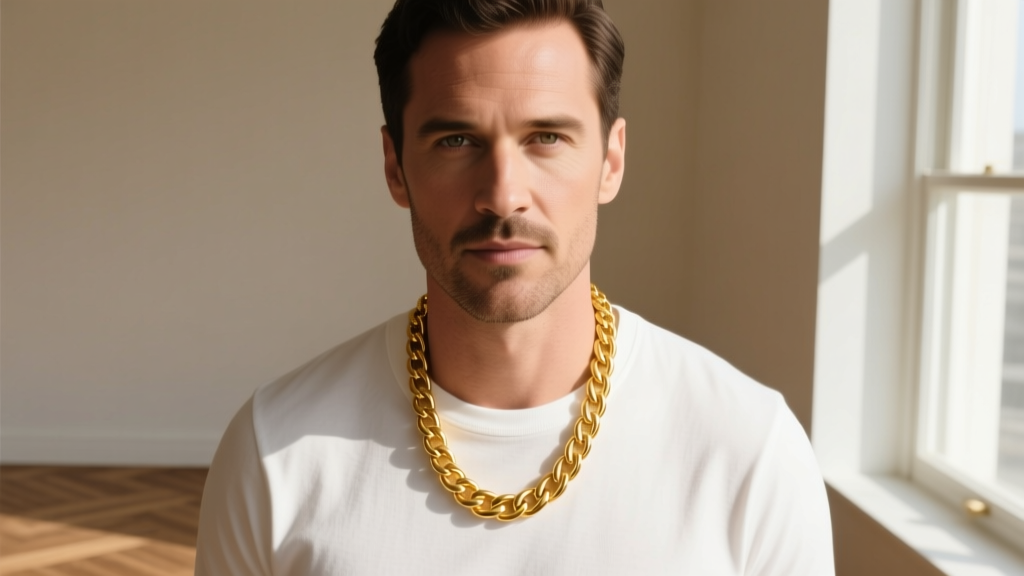
The Short Answer: Can Guys Wear Necklaces?
If you have ever found yourself asking, can guys wear necklaces? the resounding answer is yes. Historically, men have adorned their necks for millennia—from the broad collars of Egyptian pharaohs and the torcs of Celtic warriors to the heavy rope chains of 1980s hip-hop pioneers. Today, the conversation has shifted from whether men should wear necklaces to how they should wear them. The modern approach to men's jewelry relies on proportion, material quality, and intentional styling rather than sheer flash.
"The key to men's necklaces is restraint and precision. A well-chosen chain elevates a basic outfit, while a poorly proportioned one can look like an afterthought." — GQ Style Guide
This step-by-step guide will walk you through the exact specifications, metal grades, and layering techniques you need to master men's necklace styling in 2026 and beyond.
Step 1: Dial in Your Chain Length and Thickness
The foundation of any good necklace is how it sits on the body. A chain that is too tight will look restrictive, while one that is too long can get lost in your wardrobe. Furthermore, thickness (measured in millimeters) dictates the formality and "weight" of the piece.
The Length Matrix
| Length (Inches) | Placement | Best For | Vibe / Style |
|---|---|---|---|
| 18" | Base of the throat | Smaller frames, chokers | Edgy, alternative, high-fashion |
| 20" | Collarbone | Everyday wear, t-shirts | Classic, versatile, standard |
| 22" | Upper chest | Layering, button-downs | Relaxed, streetwear, casual |
| 24"+ | Mid-chest / Sternum | Heavy pendants, hoodies | Bold, hip-hop, statement |
Thickness Guidelines
- 2mm - 3mm (Subtle): Ideal for minimalists and professional environments. Pairs perfectly with a small pendant or worn alone under an unbuttoned dress shirt.
- 4mm - 6mm (Standard): The sweet spot for most men. Thick enough to be noticed and hold a medium-sized pendant, but not so heavy that it dominates your outfit. A 5mm Cuban link or Franco chain in this range is a staple.
- 8mm - 12mm+ (Statement): Reserved for streetwear and bold fashion choices. These chains are heavy, expensive (if solid gold), and meant to be the focal point of your look.

Step 2: Choose the Right Metal Grade
When investing in men's jewelry, understanding metallurgy is crucial. Cheap base metals will turn your skin green and degrade quickly. Here is a breakdown of the best materials for men's chains, according to jewelry standards outlined by the Gemological Institute of America (GIA).
316L Surgical Stainless Steel
Price Range: $30 - $90
Best For: Everyday beater chains, active lifestyles, and budget-conscious buyers.
316L steel is highly resistant to tarnish, rust, and water damage. It is hypoallergenic and requires zero maintenance. While it lacks the prestige and resale value of precious metals, it is virtually indestructible, making it perfect for the gym or the beach.
925 Sterling Silver
Price Range: $60 - $250
Best For: Cool-toned skin, vintage aesthetics, and intricate chain weaves.
Sterling silver is 92.5% pure silver and 7.5% copper. The copper adds necessary tensile strength, but it also means the chain will tarnish over time when exposed to sulfur and moisture. Look for chains with a rhodium plating to delay tarnishing, and invest in a silver polishing cloth for maintenance.
14k vs. 18k Solid Gold
Price Range: $400 - $2,500+ (depending on weight)
Best For: Lifetime investments, luxury styling, and heirloom pieces.
For men's chains, 14k gold is generally the superior choice. It contains 58.3% pure gold, making it highly durable and resistant to the scratching and stretching that heavy chains endure. 18k gold (75% pure) offers a richer, warmer yellow hue but is noticeably softer. An 18k gold Cuban link is more prone to warping if snagged, whereas 14k will hold its structural integrity for decades.
Step 3: Match the Necklace to Your Neckline
A necklace should complement your clothing, not fight it. The neckline of your shirt dictates the ideal chain length and style.
- The Crew Neck T-Shirt: A 20-inch or 22-inch chain resting just below the collar of a white or black crew neck creates a clean, effortless frame for the face. Stick to 3mm-5mm widths here.
- The V-Neck or Henley: V-necks naturally draw the eye downward. Mirror this geometry by wearing a longer chain (22 to 24 inches) with a vertical pendant, such as a spearhead, dagger, or elongated bar.
- The Unbuttoned Dress Shirt: This is where layering shines. Leave the top two or three buttons undone and layer a 20-inch bead chain with a 22-inch Figaro chain. The contrast in textures against bare skin and crisp cotton is a hallmark of elevated resort wear.
- The Hoodie or Sweatshirt: Heavy fabrics require heavy metal. A thin chain will look fragile and get lost against a thick cotton hoodie. Opt for an 8mm+ chain in a 24-inch length to cut through the visual bulk of the garment.

Step 4: Execute the 2-Inch Layering Rule
Layering is an advanced styling technique that adds depth to your outfit, but it is easy to get wrong. The most common mistake men make is wearing two chains of the same length, which causes them to tangle and compete for attention.
The Golden Rule: Always separate your layered chains by at least 2 inches. For example, pair a 20-inch chain with a 22-inch chain. This ensures they sit distinctly on your chest without knotting together.
Texture Contrast: Never layer two identical chain weaves. If your base layer is a smooth, geometric Box chain, your second layer should be something organic and twisted, like a Rope chain or a Figaro. This contrast in light reflection and texture is what makes a layered setup look intentional rather than accidental.
Step 5: Select the Right Clasp and Pendant Bail
The hardware of your necklace is just as important as the chain itself. A weak clasp on a heavy chain is a recipe for losing your investment.
Clasp Types
- Spring Ring: Small, circular, and cheap. Avoid these entirely for men's chains over 3mm thick; they are fragile and difficult to operate with one hand.
- Lobster Claw: The industry standard. Secure, easy to use, and capable of holding moderate weight. Ideal for chains up to 6mm.
- Box Clasp with Safety Latch: The only acceptable clasp for heavy chains (8mm+). It features a folding mechanism that locks into place, often accompanied by a secondary safety latch or figure-eight wire. Always check the clasp rating before buying a heavy Cuban link.
Pendant Bails
If you plan to add a pendant, ensure the bail (the loop that connects the pendant to the chain) is sized correctly. A general rule of thumb is that the inner diameter of the bail should be at least 1.5 times the width of your chain. If you have a 5mm chain, you need a bail with an inner opening of at least 7.5mm to ensure the pendant slides freely and doesn't bend the chain links.
Final Thoughts on Men's Necklace Styling
So, can guys wear necklaces? Without a doubt. The secret lies in treating your jewelry as a deliberate component of your wardrobe rather than an afterthought. By respecting the proportions of your body, investing in proper metal grades like 14k gold or 316L steel, and mastering the 2-inch layering rule, you can confidently integrate necklaces into your daily rotation. Start with a single, high-quality 20-inch chain, master its placement, and build your collection from there.


