Candy Necklaces Lyrics and the Y2K Beaded Jewelry Trend Explained
Discover how candy necklaces lyrics inspired the Y2K beaded trend. Learn material grades, stringing techniques, and styling tips for candy bead jewelry.

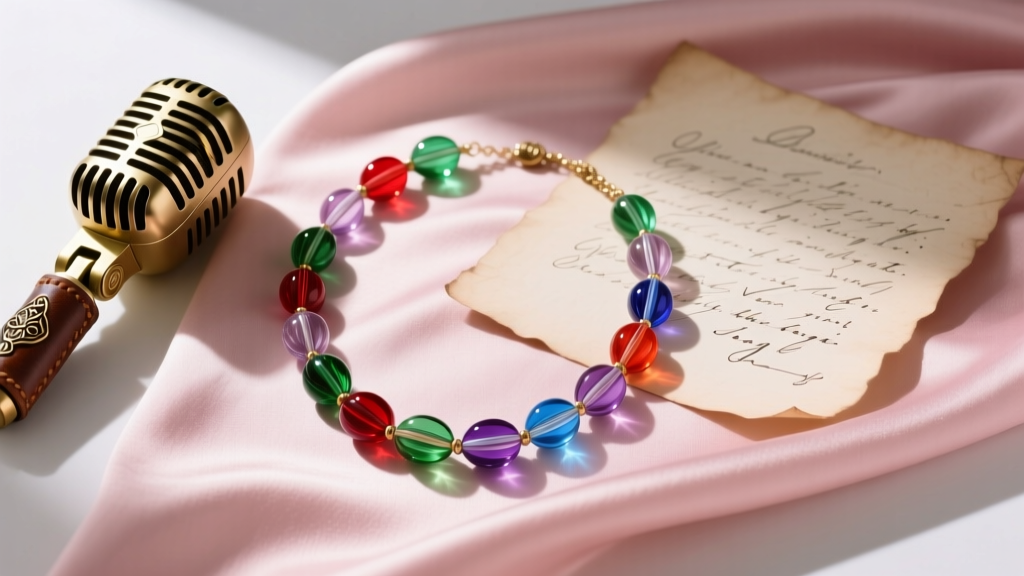
The intersection of music, nostalgia, and fashion has always driven jewelry trends, but few aesthetics are as playfully rebellious as the candy bead revival. When fans and fashion historians search for candy necklaces lyrics, they are often tracking down the nostalgic pop-punk, hyperpop, or indie tracks of the early 2000s that romanticized the sweet, carefree aesthetic of Y2K fashion. Songs that reference sugary accessories and playful rebellion have inadvertently served as mood boards for a massive jewelry resurgence. As we navigate the 2026 jewelry landscape, the candy bead necklace has evolved from a cheap, disposable festival accessory into a sophisticated, premium staple. This beginner-friendly explainer will break down how to identify high-quality candy-inspired jewelry, the engineering behind durable beaded necklaces, and how to style them for a modern, elevated wardrobe.
The Lyrical Influence on Nostalgic Jewelry
Music has a profound impact on accessory trends. The cultural footprint of candy necklaces lyrics in early 2000s alternative and pop music cemented the beaded choker as a symbol of youthful defiance and sugary nostalgia. Artists used the imagery of candy beads to represent a mix of innocence and edge—a theme that resonates deeply with the current Y2K revival. However, the actual candy necklaces worn by fans in 2004 were often made of low-grade, mass-injected acrylics that snapped easily and degraded in the sun. Today's jewelry designers have taken the lyrical inspiration and elevated the execution. According to trend analyses by Vogue, the modern consumer demands the playful silhouette of the 2000s candy bead but requires the longevity and material integrity of fine jewelry. This means swapping brittle plastics for hand-blown glass, high-grade resins, and vitreous enamel.
From Plastic to Premium: Material Grades Explained
If you are transitioning from fast-fashion accessories to investment pieces, understanding material grades is critical. The term 'candy bead' refers to the shape and vibrant, translucent color palette, not the actual material. Here is a breakdown of the materials used in premium candy-inspired necklaces today.
| Material | Durability & Traits | Price Range | Best For |
|---|---|---|---|
| Acrylic | Low. Scratches easily. UV exposure causes yellowing within 6-8 months. | $10 - $25 | Temporary festival wear and costume styling. |
| Cast Resin | Medium. Excellent color depth and clarity. Can scuff if dropped on hard surfaces. | $30 - $80 | Everyday Y2K-inspired layering pieces. |
| Murano Glass | High. Hand-blown, often featuring gold or silver foil inclusions. Heavy and cool to the touch. | $90 - $250 | Statement pieces and luxury gifting. |
| Vitreous Enamel | Very High. Fused glass powder on a brass or silver base. Opaque, vibrant, and scratch-resistant. | $120 - $350 | Heirloom-quality, structured candy-link chains. |
For those seeking the authentic 'candy' look with lasting power, Murano glass is the gold standard. The Gemological Institute of America (GIA) notes that glass and enamel offer superior light refraction and color stability compared to synthetic polymers, ensuring your pastel pinks and vibrant teals will not fade or yellow over time.
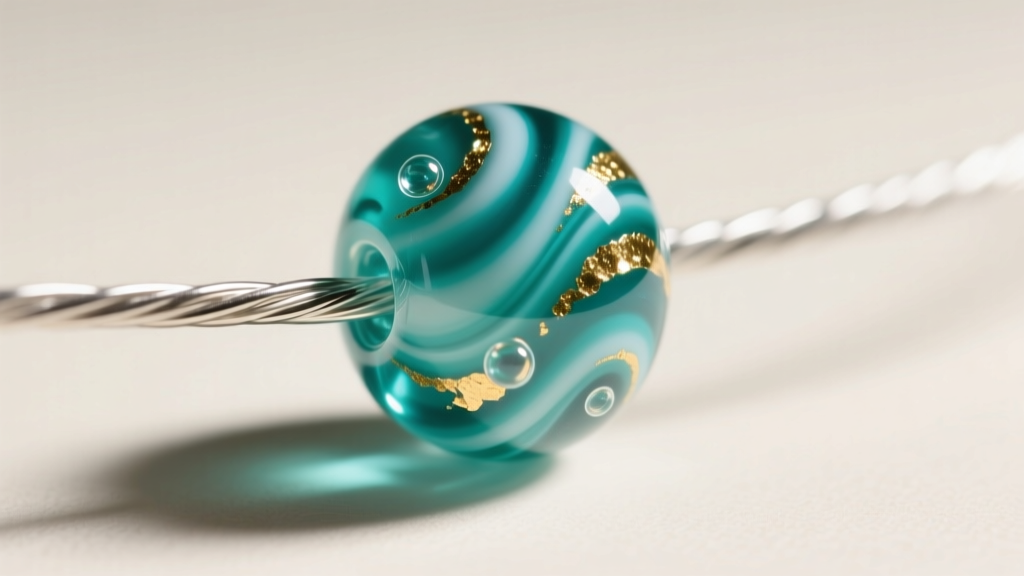
The Anatomy of a Durable Beaded Necklace
A common failure point in beaded jewelry is the stringing material. Many beginners assume that elastic cord is the best choice for candy bead necklaces because it allows the piece to slip over the head without a clasp. However, elastic degrades, stretches out, and eventually snaps, often resulting in lost beads. For a necklace meant to last, you must look at the internal hardware.
Stringing Wire vs. Elastic
Premium candy bead necklaces utilize nylon-coated stainless steel beading wire. Brands like Soft Flex Company produce 49-strand micro-wires (typically in 0.018-inch or 0.024-inch diameters) that offer the tensile strength of steel with a drape as soft as silk thread. This prevents the necklace from kinking or snapping under the weight of heavy glass or resin beads.
Crimping and Clasps
The wire must be secured using crimp beads. Look for necklaces that use 2x2mm sterling silver or gold-filled crimp beads, properly compressed with a micro-crimping tool to fold the metal into a smooth, rounded tube. This prevents sharp metal edges from fraying the internal wire. Finally, the clasp should be a sturdy lobster claw or a high-grade magnetic neodymium clasp, securely attached via soldered jump rings rather than split rings that can pull apart.
Styling Your Candy-Inspired Pieces for 2026
Whether you are drawn to the aesthetic because of specific candy necklaces lyrics from your favorite nostalgic album or simply love the vibrant colorways, styling these pieces requires a balanced approach to avoid looking like you are wearing children's toys. The 2026 styling rule is 'Contrast and Layer'.
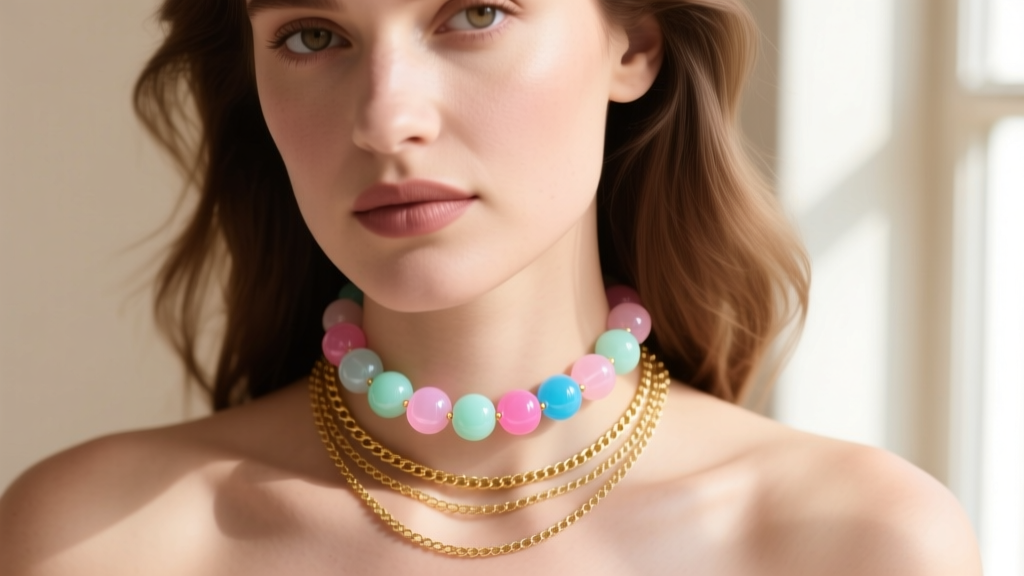
- The Mixed-Metal Layer: Pair a pastel resin candy bead choker (14 to 16 inches) with a longer, delicate 14k gold or sterling silver paperclip chain (20 to 24 inches). The fine metal grounds the playful beads, making the ensemble appropriate for the office or a dinner date.
- The Pearl Interference: Mix translucent glass candy beads with irregular baroque freshwater pearls. The organic, matte luster of the pearls perfectly offsets the high-gloss, synthetic vibe of the candy beads.
- Neckline Matching: Candy bead chokers sit best on scoop necks, sweetheart necklines, or simple white tees. Avoid wearing them with high ruffled collars or busy, patterned blouses, as the visual weight of the beads will clash with the fabric.
Investment Tiers: What Should You Pay?
When shopping for elevated candy bead jewelry, price is a strong indicator of the materials and labor involved. Here is a realistic buying guide to help you allocate your budget.
Budget Tier ($20 - $50)
At this price point, expect high-quality cast resins strung on nylon-coated wire with brass clasps. The beads will be uniform and machine-cast. Avoid anything labeled 'acrylic' in this tier, as you are likely overpaying for basic plastic.
Mid-Range Tier ($60 - $150)
This is the sweet spot for independent jewelry designers. You will find hand-poured resin with suspended elements (like real dried flowers or metallic flakes), or entry-level lampwork glass beads. Hardware should be gold-filled or solid sterling silver.
Luxury Tier ($180+)
In the luxury market, candy beads are crafted from authentic Murano glass, semi-precious stones dyed to mimic candy colors (like dyed quartz or chalcedony), or vitreous enamel set in 14k solid gold. These pieces are heirloom-quality and serve as wearable art.
Final Thoughts
The cultural footprint of music and nostalgia ensures that the candy bead necklace is far more than a passing fad. By understanding the material sciences behind glass and resin, and demanding proper stringing hardware like nylon-coated steel wire, you can invest in pieces that honor the playful spirit of the past while meeting the quality standards of the present. The next time a nostalgic track comes on, you will know exactly how to translate that lyrical inspiration into a sophisticated, lasting jewelry collection.


