Diamond Choker Necklace Trends: 2026 Style & Layering Guide
Discover the top diamond choker necklace trends for 2026. Learn how to style, layer, and choose the perfect carat weight and setting for your neckline.

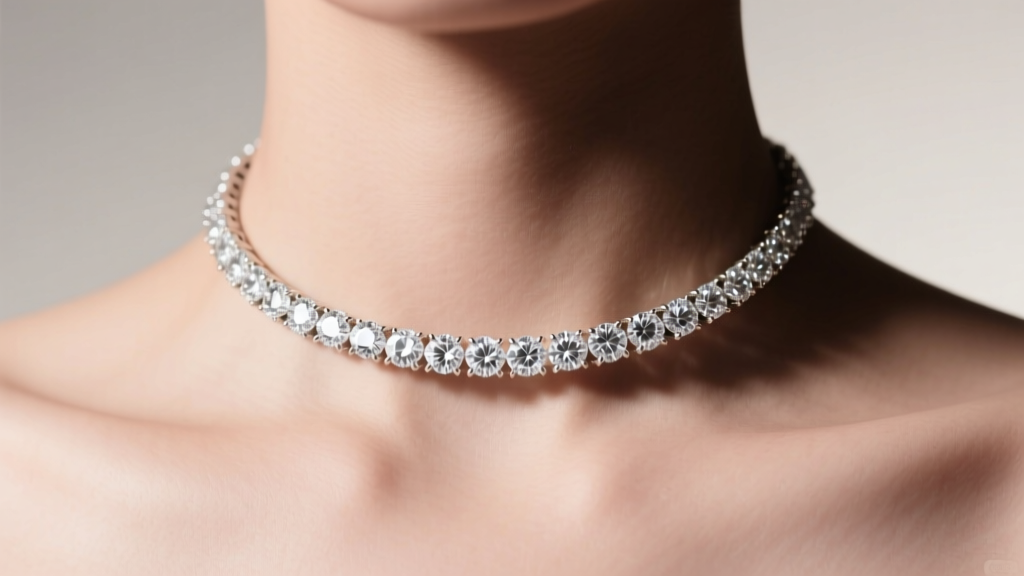
The diamond choker necklace has officially transcended its red-carpet confinement. As we navigate the 2026 high jewelry landscape, the choker is no longer reserved exclusively for black-tie galas. Driven by a cultural shift toward versatile, everyday luxury, today's diamond chokers are engineered for layering, designed with snag-free settings, and calibrated to sit flawlessly against the collarbone. Whether you are investing in a micro-tennis silhouette or an architectural bezel collar, understanding the mechanics of length, carat weight, and metal durability is essential for making a smart, lasting investment.
The Anatomy of a Modern Diamond Choker
Unlike standard 18-inch princess necklaces, a true choker measures between 14 and 16 inches. However, the millimeter width of the chain and the setting profile drastically alter how the piece wears. According to the Gemological Institute of America (GIA), the security of the setting is paramount in chokers because they sit high on the neck, an area prone to friction from hair, clothing, and frequent touching.
Platinum vs. White Gold for Chokers
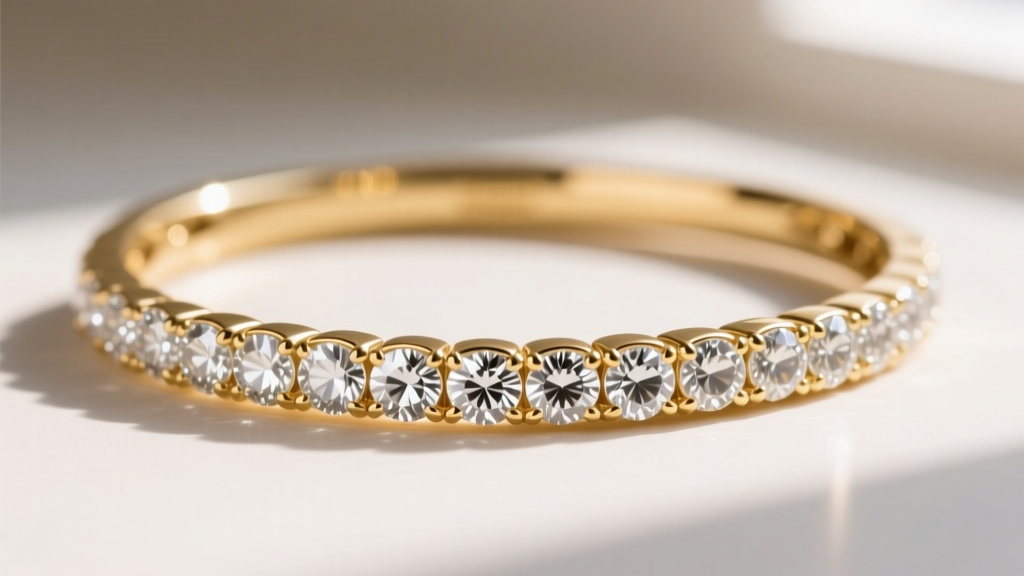
For a diamond choker necklace, metal choice dictates long-term maintenance and structural integrity. While 18k white gold offers a bright initial flash, it requires rhodium plating every 12 to 18 months. Because chokers endure high friction against the skin, the rhodium layer wears away faster than on rings or earrings, revealing the slightly yellowish underlying alloy. Platinum (950 alloy), conversely, develops a soft patina but never loses its white color. More importantly, platinum work-hardens, making it the superior choice for securing micro-prongs in a flexible tennis choker that bends continuously with your movements.
2026 Trend Forecast: Three Dominant Silhouettes
1. The Micro-Tennis Choker (1.5mm - 2.0mm Stones)
The micro-tennis choker is the undisputed heavyweight of 2026 layering trends. Utilizing stones between 1.5mm and 2.0mm (roughly 0.02 to 0.03 carats each), these pieces offer a delicate, continuous line of light. They typically range from 3.50 to 5.00 Total Carat Weight (TCW). Because the stones are small, SI1 or even eye-clean SI2 clarity is perfectly acceptable, allowing buyers to allocate more budget toward ideal cut grades for maximum scintillation.
2. The Bezel-Set Station Collar
Moving away from the traditional shared-prong tennis line, the bezel-set station collar features individual diamonds encased in smooth metal rims, spaced evenly along a fine cable or box chain. This silhouette is heavily favored for its architectural, modern aesthetic and its practical "snag-free" profile. It pairs exceptionally well with heavy knitwear and silk blouses without catching on delicate fibers.
3. The Asymmetric Rivière
A nod to vintage Art Deco styling, the modern rivière choker features a gradient of diamond sizes, typically culminating in a larger center stone (1.00ct - 2.00ct) and tapering down to 0.25ct stones at the clasp. This design draws the eye centrally and mimics the natural curve of the clavicle, requiring precise articulation in the hinge joints to prevent the necklace from buckling or kinking.
Carat Weight, Clarity, and Pricing Framework
Pricing a diamond choker necklace requires looking beyond simple carat weight. The labor involved in matching dozens of small stones for color and fluorescence, combined with the intricate articulation of the links, adds a significant premium to the manufacturing cost. Below is a breakdown of current market averages for natural, earth-mined diamonds in 2026.
| Choker Style | Typical TCW | Clarity Rec. | Avg. Price Range (USD) |
|---|---|---|---|
| Micro-Tennis (1.5mm) | 3.50 - 5.00 | SI1 - SI2 | $4,500 - $8,500 |
| Classic Tennis (3.0mm) | 8.00 - 12.00 | VS2 - SI1 | $14,000 - $28,000 |
| Bezel Station Collar | 2.00 - 4.00 | VS1 - VS2 | $7,000 - $13,000 |
| Graduated Rivière | 10.00 - 15.00 | VS1+ | $35,000 - $60,000+ |
Neckline Pairing & Layering Mechanics

The true power of the diamond choker necklace in 2026 lies in its layering potential. To achieve a balanced, curated look, follow the "rule of three inches." If your choker sits at 14.5 inches (a tight collar), your secondary chain should be no shorter than 17.5 inches to prevent the clasps and pendants from tangling and scratching one another.
Stylist Note: When layering a diamond choker with a gold pendant, mix metal textures rather than colors. A platinum diamond choker layered with an 18k yellow gold paperclip chain and a solid gold teardrop pendant creates a sophisticated, multi-dimensional contrast that reads as highly intentional and modern.
- Deep V-Necks: Pair a 15-inch classic tennis choker with a 20-inch lariat or Y-necklace to elongate the torso and draw the eye downward.
- Crew Necks & Turtlenecks: Opt for a 16-inch bezel-set station collar worn over the fabric. The bezel settings will catch ambient light without the prongs snagging on the knit loops.
- Off-the-Shoulder: A 14-inch micro-tennis collar sits perfectly above the clavicle, framing the face without competing with the dramatic neckline of the garment.
Maintenance and Prong Wear Realities
Because chokers sit tightly against the neck, they are exposed to cosmetics, perfumes, and perspiration. The Jewelers of America strongly advises removing diamond jewelry before applying lotions or hairspray, as product buildup in the pavilion (the underside of the diamond) will instantly kill the stone's brilliance and light return.
Furthermore, avoid ultrasonic cleaners for fracture-filled diamonds or emerald-cut stones with significant inclusions, as the high-frequency vibrations can cause internal stress fractures. For routine cleaning of a diamond choker necklace, use a soft baby toothbrush, warm water, and a drop of mild, ammonia-free dish soap, gently brushing the underside of the settings. Have a professional jeweler inspect the prongs every six months; the flexible nature of a tennis choker means the links bend constantly, which can slowly loosen micro-prongs over time.
Final Thoughts on the 2026 Choker Renaissance
The diamond choker necklace has evolved from a rigid, formal accessory into a fluid, dynamic component of the modern jewelry wardrobe. By prioritizing cut quality over sheer carat weight, selecting durable metals like platinum, and mastering the geometry of layering, you can integrate this iconic silhouette into your daily rotation with confidence and undeniable elegance.


