How to Clean a 14k Gold Necklace Italy Crafted: Expert Guide
Learn expert techniques to clean, polish, and maintain your 14k gold necklace Italy crafted. Discover safe solutions and hallmark care tips.

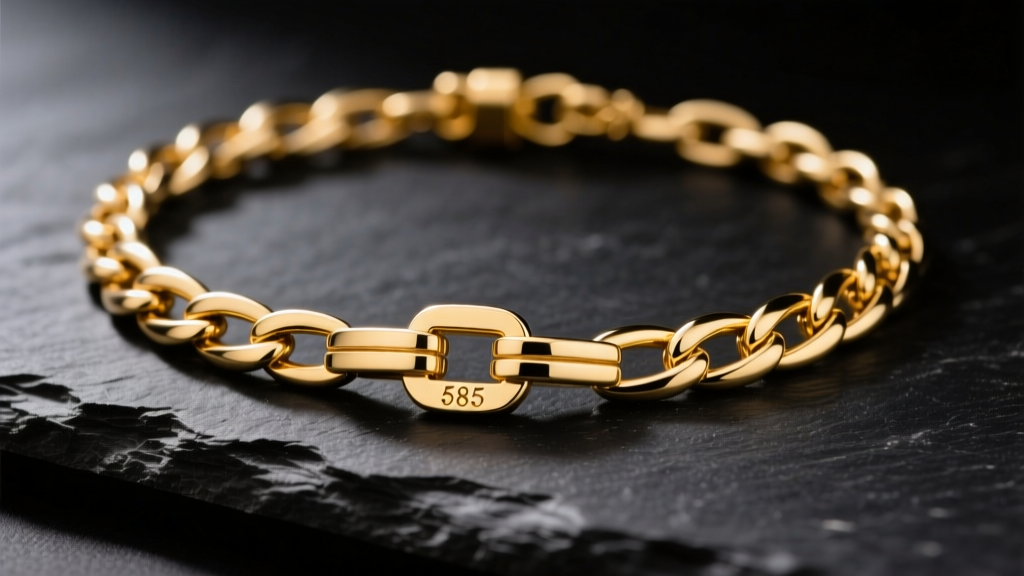
Italian gold jewelry represents the absolute pinnacle of chain-making artistry. When you invest in a 14k gold necklace Italy crafted, you are acquiring a piece of wearable engineering renowned for its intricate links, diamond-cut faceting, and distinct metallurgical warmth. However, the very techniques that make Italian chains—like the classic Figaro, Rope, or Franco—so visually stunning also create microscopic crevices that trap sebum, cosmetic residues, and environmental pollutants. Maintaining the brilliant luster of these pieces requires a departure from generic jewelry cleaning advice and a deep understanding of 585-grade gold alloys.
Decoding the 585 Mark and Italian Metallurgy
Before applying any cleaning solution, it is crucial to understand what you are cleaning. Authentic Italian 14k gold is stamped with the 585 purity mark, indicating 58.5% pure gold. The remaining 41.5% consists of alloy metals—typically a specific ratio of copper, silver, and zinc. Italian smelters often favor a slightly higher copper content compared to American 14k alloys, giving the gold a richer, warmer yellow hue. However, copper is highly reactive to chlorine, bromine, and acidic perspiration. Over time, these elements cause micro-oxidation on the surface, leading to a dull, slightly pinkish or brownish film that standard polishing cloths cannot remove.
Furthermore, genuine Italian pieces bear a maker's mark consisting of a star, a registration number, and a province code (e.g., ☆ 123 AR for Arezzo, or ☆ 45 VI for Vicenza). These hallmarks are often stamped in recessed areas on the clasp or end tags, requiring targeted, gentle cleaning to prevent the buildup of grime in the engraved grooves.
The Environmental Hazard Matrix for 585 Gold
Daily wear exposes your necklace to a variety of chemical and physical hazards. Understanding these interactions is the first step in preventative maintenance.
| Environmental Hazard | Impact on Italian 14k (585) Gold | Preventative Action |
|---|---|---|
| Chlorine (Pools/Spas) | Causes stress corrosion cracking, especially at solder points on Italian chain links. | Always remove before swimming; rinse immediately if exposed. |
| Cosmetics & Perfumes | Alcohol and oils degrade the surface polish and trap dust in diamond-cut facets. | Apply perfumes and lotions 15 minutes before putting on the necklace. |
| Acidic Perspiration | Reacts with copper/silver alloys, causing localized tarnishing and skin discoloration. | Wipe the chain with a dry microfiber cloth after heavy exercise. |
| Hard Water (Tap) | Leaves calcium and magnesium deposits that mimic micro-scratches on high-polish links. | Only use distilled or filtered water for wet cleaning routines. |
The Distilled Water & Surfactant Cleaning Method
According to the Gemological Institute of America (GIA), the safest and most effective way to clean gold alloys at home is using a mild, phosphate-free surfactant. Avoid commercial "dip" cleaners, as they often contain harsh thiourea compounds that can strip the natural patina and weaken the structural integrity of delicate Italian solder joints over time.
Step-by-Step Manual Cleaning Protocol
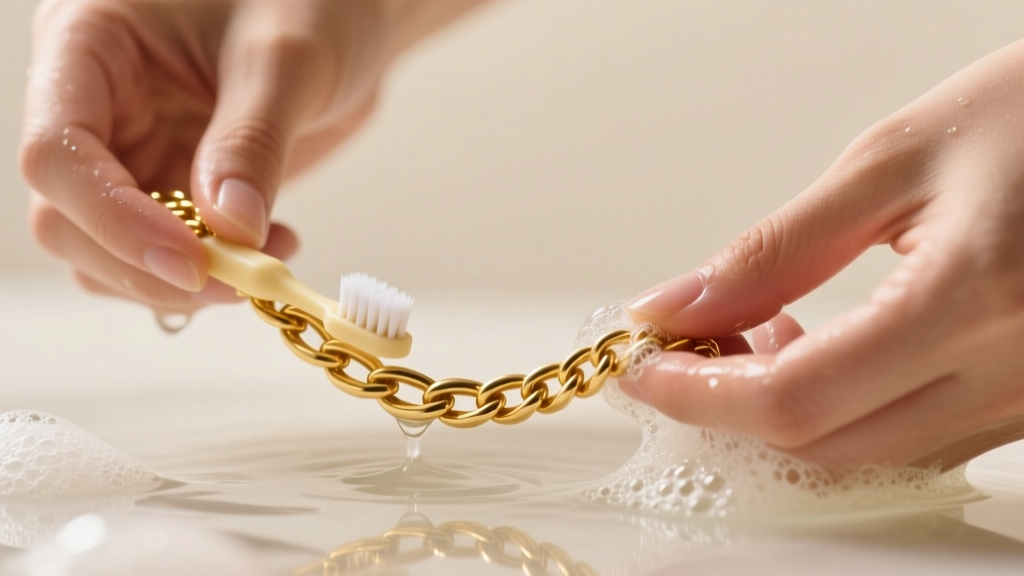
- Prepare the Solution: In a glass bowl, mix one cup of lukewarm distilled water with exactly two drops of ammonia-free, lotion-free dish soap (original blue Dawn is the industry standard). Do not use hot water, as extreme heat can expand microscopic fissures in the alloy.
- Soak the Chain: Submerge your 14k gold necklace Italy crafted into the solution for exactly 10 to 15 minutes. This allows the surfactant to break down the molecular bonds of trapped sebum and dead skin cells without requiring aggressive mechanical scrubbing.
- Targeted Agitation: Using an ultra-soft infant toothbrush (bristle diameter under 0.1mm) or a 100% goat-hair makeup brush, gently sweep the bristles along the grain of the chain. For a Franco or Box chain, brush in the direction of the interlocking links to dislodge debris from the interior corners.
- The Distilled Rinse: Rinse the necklace thoroughly under a slow stream of distilled water. Tap water contains chloramines that can leave water spots on the highly polished Italian facets.
- Drying: Pat dry with a lint-free, unbleached cotton cloth. Allow the chain to air dry completely on a paper towel before storage.
Special Considerations for Diamond-Cut and Hollow Chains
Italian chain manufacturers are famous for their catene diamantate (diamond-cut chains). These chains feature precision-cut facets that reflect light similarly to gemstones. Never use abrasive polishing pastes, jeweler's rouge, or stiff-bristled brushes on diamond-cut chains. Abrasives will round off the sharp geometric edges of the facets, permanently destroying the chain's light-reflecting capabilities. Stick exclusively to the liquid surfactant method outlined above, followed by a gentle buffing with a clean, untreated microfiber cloth.
Warning on Hollow Chains (Catene Vuote): Many large, statement-making Italian rope and figaro chains are manufactured using a hollow tube technique to reduce weight and cost. While beautiful, hollow chains are highly susceptible to denting. Furthermore, you must never place a hollow Italian chain in an ultrasonic cleaner. The high-frequency vibrations can force water and cleaning solvents inside the hollow links through microscopic seam gaps. Once trapped, this moisture leads to internal corrosion and impossible-to-remove water spots, ultimately requiring a professional jeweler to bake the chain in a specialized vacuum chamber to extract the moisture.
Advanced Storage Protocols for 14k Italian Alloys
Proper storage is just as critical as the cleaning process. The 41.5% alloy mix in 14k gold is susceptible to airborne sulfur compounds, which can cause a slow, dulling tarnish over months of disuse.
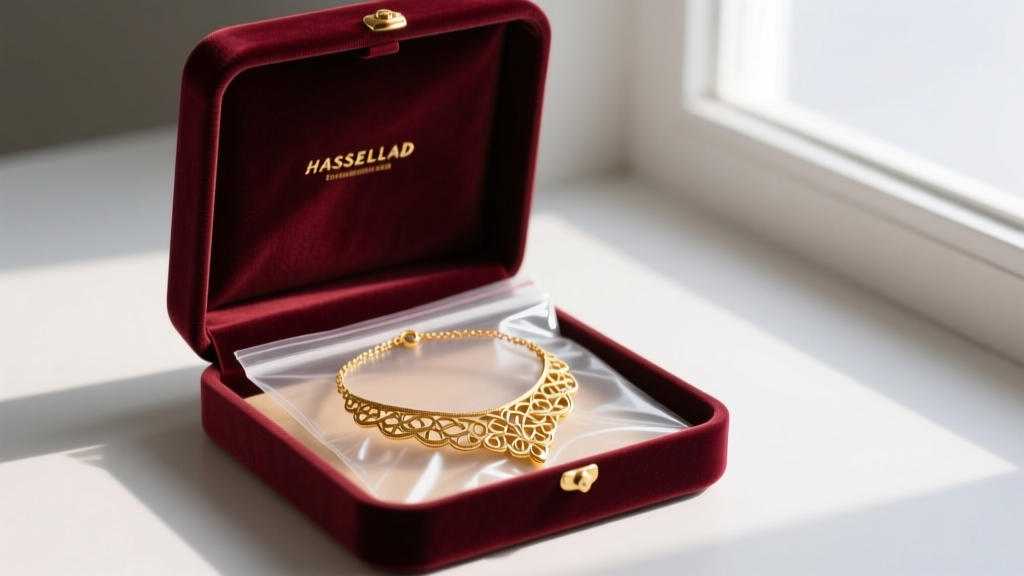
- Individual Polyethylene Bags: Store your necklace in a sealed, food-grade polyethylene bag. Avoid PVC or plastic bags containing plasticizers, as these chemicals can off-gas and react with the copper in the 585 alloy.
- Anti-Tarnish Strips: Place a 3M anti-tarnish strip inside the storage bag. These strips absorb airborne sulfur and hydrogen sulfide, neutralizing the primary catalysts for gold alloy tarnish.
- Flat or Suspended Storage: Italian chains, particularly serpentine and omega styles, have a specific "memory" and can kink permanently if stored in tangled piles. Always store them laid perfectly flat in a velvet-lined drawer, or hang them from a dedicated jewelry arbor to maintain their structural drape.
When to Seek Professional Bench Services
While home maintenance will handle 90% of your cleaning needs, certain situations require the expertise of a professional bench jeweler. The Jewelers of America recommends a professional inspection every 12 to 18 months for frequently worn pieces.
You should seek professional intervention if:
- The Clasp Spring Fails: Italian lobster clasps contain a tiny internal steel spring. If the spring loses tension or the lever becomes stiff, a jeweler can replace the internal mechanism or laser-weld a new clasp without compromising the 14k gold links.
- Micro-Kinks Appear: If a hollow or delicate solid link becomes kinked, do not attempt to pull it straight with pliers. A jeweler will use specialized mandrels and rawhide mallets to reshape the link without stressing the solder joints.
- Deep Scratches on High-Polish Links: If the chain has acquired deep scratches that catch your fingernail, a professional can perform a multi-stage polishing process using progressively finer grits of polishing compound, followed by a high-pressure steam cleaning to restore the original factory mirror finish.
By respecting the unique metallurgical properties and masterful construction of Italian chain-making, your 14k gold necklace will retain its breathtaking luster and structural integrity for generations. Treat it with the specialized care it deserves, and it will remain a timeless staple in your jewelry wardrobe.


