The Complete Cape Cod Necklace Buying Guide (2026)
Discover everything you need to know before buying a Cape Cod necklace. Learn about rigid wire sizing, metal grades, threading, and authentic hallmarks.


When searching for jewelry that bridges the gap between minimalist elegance and coastal charm, the Cape Cod necklace consistently ranks at the top of discerning buyers' lists. Originating from the iconic rigid wire and screw-bead designs popularized by Cape Cod Jewelry, this style has evolved into a broader category encompassing both semi-rigid torque necklaces and nautical-themed pendants. However, buying a rigid wire torque necklace requires a completely different approach than purchasing a standard chain. From understanding work-hardened metal gauges to mastering the mechanics of micro-threading, this comprehensive 2026 buying guide will ensure you invest in a piece that fits flawlessly and lasts a lifetime.
Understanding the Architecture of a Cape Cod Necklace
Unlike traditional chain necklaces that drape and flex, a true Cape Cod-style torque necklace is constructed from a single, semi-rigid wire that rests directly on the collarbone. The defining feature of this design is the central decorative element—often a polished sphere, pearl, or pavé bead—that screws onto the wire via a precision-machined threaded post.
The structural integrity of the necklace relies on work-hardening. During manufacturing, the silver or gold wire is repeatedly drawn and tempered to increase its tensile strength. This prevents the torque from bending out of shape when you slip it over your head. When evaluating a Cape Cod necklace, look for a wire that offers slight flexibility but immediately snaps back to its original curvature. If the wire feels overly soft or malleable, it is likely a lower-quality replica that will warp within weeks of daily wear.
Metal Compositions and Durability
The choice of metal dictates not only the price point but also the long-term maintenance of your necklace. According to the Gemological Institute of America (GIA), understanding alloy compositions is critical for jewelry that rests against the skin's pulse points.
Sterling Silver (.925)
The most popular and authentic choice for Cape Cod jewelry is .925 sterling silver. It offers a bright, reflective luster that perfectly captures the coastal aesthetic. However, silver is prone to oxidation. High-end manufacturers often apply a microscopic rhodium flash to delay tarnishing, though purists prefer uncoated silver for its ability to develop a subtle, personalized patina over time.
14k Solid Gold and Two-Tone
For buyers seeking a low-maintenance, hypoallergenic option, 14k yellow or white gold is the premium standard. Composed of 58.5% pure gold, 14k alloys provide the necessary rigidity for a torque wire, whereas 18k or 24k gold would be too soft to hold the semi-rigid shape. Two-tone variations—featuring a sterling silver wire with a 14k gold screw bead—are highly sought after for their versatility in mixing metals.
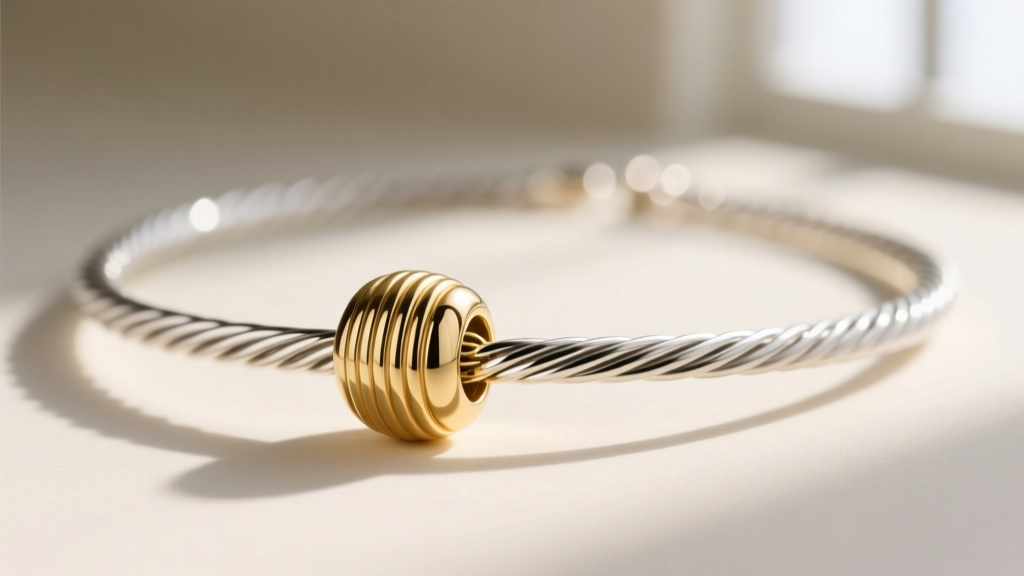
The Critical Step: Sizing a Rigid Wire Torque
Sizing a Cape Cod necklace is the most common point of failure for online buyers. You cannot simply order a '16-inch chain' equivalent. Because the torque is rigid, it must be sized to accommodate the circumference of your neck while resting comfortably on the clavicle without pressing into the thyroid cartilage.
Jeweler's Tip: To measure for a rigid torque, wrap a flexible measuring tape around your neck where the collarbone meets the base of the neck. Add exactly 1.5 to 2 inches to this measurement to determine the required internal diameter of the necklace. Never measure the outer curve of the wire, as this will result in a piece that is too tight.
Sizing and Wire Gauge Chart
| Neck Circumference | Recommended Torque Inner Diameter | Optimal Wire Gauge | Best Centerpiece Weight |
|---|---|---|---|
| 12.0 - 13.0 inches | 14.5 inches | 10-Gauge (2.5mm) | Light (Solid Silver Balls) |
| 13.0 - 14.5 inches | 15.5 - 16.0 inches | 10 or 12-Gauge | Medium (Pearls, CZ Beads) |
| 14.5 - 16.0 inches | 17.0 inches | 12-Gauge (2.0mm) | Heavy (Oversized Motifs) |
Note: Thicker 10-gauge wires are heavier and require a wider threading post, while 12-gauge wires offer a more delicate, feminine profile but may struggle to support heavy gemstone centerpieces without drooping.
Centerpiece Interchangeability and Threading Specs
One of the greatest advantages of the Cape Cod necklace system is interchangeability. Many authentic designs allow you to unscrew the central bead and replace it with different motifs, effectively giving you multiple necklaces in one. However, the threading mechanism requires careful handling.
Most premium Cape Cod necklaces utilize an M3 or M4 metric thread pitch. This micro-threading is delicate. When attaching a new centerpiece, always thread it counter-clockwise until you feel a subtle 'click'—this indicates the threads have aligned. Only then should you begin turning clockwise. Forcing a bead that is cross-threaded will strip the silver post, rendering the wire useless.
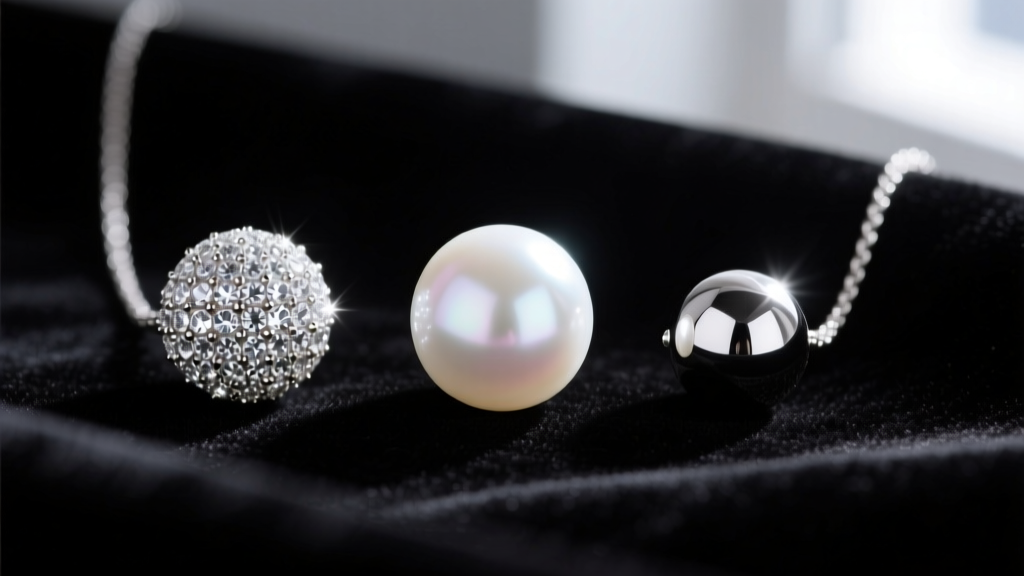
Authentic Cape Cod Jewelry vs. Market Replicas
While 'Cape Cod' has become a semi-genericized term for rigid torque necklaces, authentic pieces from the original Cape Cod Jewelry brand carry distinct hallmarks. When evaluating a piece, look for the following indicators of authenticity and quality:
- Hallmarks: Authentic pieces are stamped with 'Cape Cod' or a distinct maker's mark, alongside the metal purity stamp (.925 or 14k).
- Seamless Wire Ends: High-end torques feature seamlessly finished wire ends that screw directly into the centerpiece housing. Replicas often have visible solder joints or blunt, poorly filed wire ends that catch on clothing.
- Silicone O-Rings: Many modern, high-quality Cape Cod necklaces include a microscopic silicone O-ring inside the bead housing. This creates friction, preventing the bead from slowly unscrewing due to body movement throughout the day.
- Price Point: Authentic sterling silver Cape Cod necklaces typically range from $150 to $350, while 14k gold versions start around $600. Suspect any 'solid silver' torque selling for under $40.
Care, Maintenance, and Troubleshooting
Maintaining a rigid wire necklace involves more than just polishing the metal. The mechanical joints require specific attention to ensure longevity. The Jewelers of America recommends specialized care for jewelry with moving or threaded parts.
Troubleshooting Common Issues
- The Bead is Stuck: Never use pliers, which will mar the precious metal. Instead, put on a pair of textured rubber gloves (like those used for washing dishes) to maximize grip. If it remains stuck, apply a single drop of mineral oil to the seam and let it sit for an hour.
- Wire Warping: If your torque becomes oval-shaped from being tossed into a purse, do not bend it back with your hands. Take it to a jeweler who can use a mandrel to gently reshape the work-hardened wire without causing micro-fractures.
- Tarnish in the Threads: Silver tarnish can build up inside the threaded post, making it difficult to screw the bead on. Use a soft-bristled toothbrush dipped in a mild solution of warm water and dish soap to gently clean the male and female threads.
Final Verdict: Is a Cape Cod Necklace Right for You?
A Cape Cod necklace is an investment in structural jewelry design. It is ideal for buyers who prefer a 'put it on and leave it on' aesthetic, as the rigid wire doesn't tangle or pull hair like fine chains. By prioritizing correct torque sizing, respecting the micro-threading mechanics, and choosing the right metal grade for your lifestyle, you will secure a timeless piece that perfectly captures the sophisticated, breezy essence of coastal luxury.


