7mm Pearl Necklace Buying Guide: Luster, Grades, and Value
Discover what to look for when buying a 7mm pearl necklace. Compare Akoya vs. Freshwater, understand luster grades, and find the perfect classic strand.

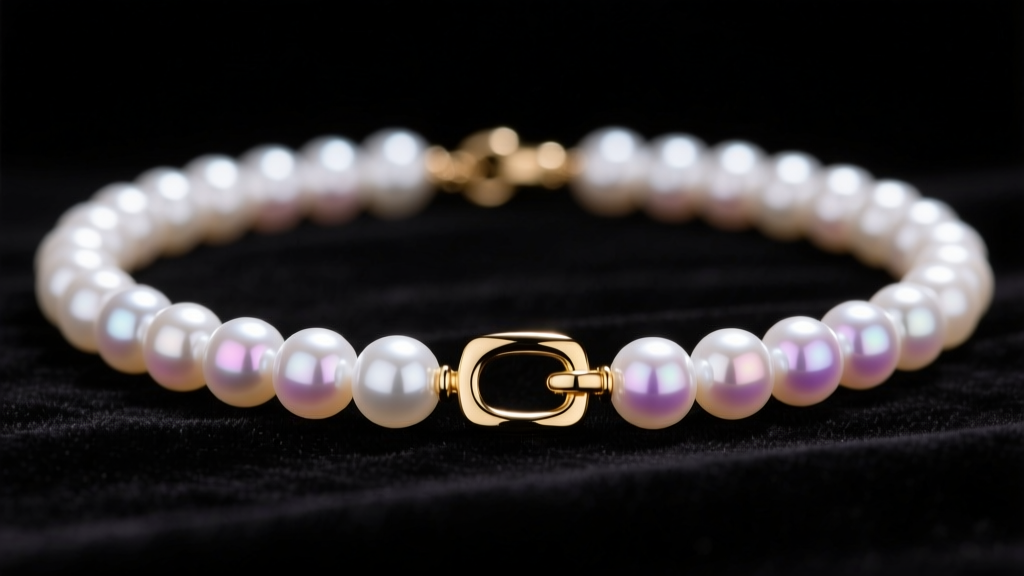
The 7mm pearl necklace occupies a rare and coveted space in fine jewelry. It is widely considered the 'Goldilocks' proportion for a classic strand—substantial enough to make a sophisticated statement, yet understated enough for daily wear. Whether you are investing in your first piece of fine jewelry or adding to a curated collection, understanding the nuances of pearl grading, origin, and construction is critical. This comprehensive buying guide will walk you through exactly what to look for when evaluating a 7mm pearl necklace, ensuring you pay a fair price for exceptional quality.
The Appeal of the 7mm Pearl: The Ideal Proportion
Pearl sizes are measured in millimeters, and even a single millimeter drastically alters the visual weight and price of a necklace. While 5mm to 6mm pearls are often categorized as delicate or 'seed' pearls, and 8mm to 10mm pearls lean into bold, statement-making territory, the 7mm pearl sits perfectly in the middle. A 7mm strand (approximately 0.27 inches) rests elegantly against the collarbone without overwhelming the wearer's frame. It is the quintessential size for both the 16-inch choker length and the 18-inch princess length, making it incredibly versatile for everything from corporate boardrooms to evening galas. According to the American Gem Society (AGS), the 7mm to 7.5mm range remains the most requested size for traditional bridal and milestone anniversary gifts due to its timeless, ageless aesthetic.
Akoya vs. Freshwater: Which 7mm Pearl is Right for You?
When shopping for a 7mm pearl necklace, you will primarily encounter two types of saltwater and freshwater pearls: the Japanese Akoya and the round Chinese Freshwater. Tahitian and South Sea pearls rarely drop down to the 7mm size, as their oysters naturally produce larger gems (typically 8mm and above). Therefore, your main decision will be between Akoya and Freshwater.
| Feature | 7mm Akoya Pearl | 7mm Round Freshwater Pearl |
|---|---|---|
| Origin | Saltwater (Japan, primarily) | Freshwater (China, primarily) |
| Luster | Sharp, mirror-like, high contrast | Soft, satiny, glowing from within |
| Nucleation | Bead-nucleated (thinner nacre) | Tissue-nucleated (solid nacre) |
| Shape | Precision round | Round to near-round |
| Price Range | $800 – $2,500+ | $150 – $450 |
If you prioritize razor-sharp luster and perfect spherical precision, the Akoya is the superior choice. If you prefer a softer glow, exceptional durability (due to solid nacre), and a more accessible price point, high-grade round Freshwater pearls are an outstanding alternative.
The 5 Factors of Pearl Value (Specific to 7mm Strands)
The Gemological Institute of America (GIA) evaluates pearls based on seven value factors. When inspecting a 7mm necklace, you must pay special attention to how these factors manifest in this specific size category.
1. Luster: The Soul of the Pearl
Luster is the most critical determinant of a pearl's value. It refers to the sharpness and intensity of light reflecting off the pearl's surface. For a 7mm Akoya pearl, you should demand 'Excellent' or 'Very Good' luster. You should be able to see a distinct, crisp reflection of yourself or a light source on the pearl's surface. If the pearl looks chalky, dull, or cloudy, walk away. Freshwater pearls naturally have a softer luster, but high-end 'Edison' or metallic Freshwater pearls can rival Akoya sharpness.
2. Surface Quality and Blemishes
Pearls are organic gems, meaning completely flawless surfaces are exceptionally rare. However, on a 7mm pearl, blemishes are more noticeable than on larger pearls because they cover a higher percentage of the visible surface area. Look for strands graded 'Clean' or 'Very Slightly Blemished'. Avoid pearls with deep cracks, chips, or heavy wrinkling, especially near the drill holes, as these compromise the structural integrity of the gem.
3. Nacre Thickness
Because Akoya pearls are bead-nucleated, they have a solid mother-of-pearl core covered by layers of nacre. A high-quality 7mm Akoya should have a nacre thickness of at least 0.3mm to 0.4mm. If the nacre is too thin (under 0.25mm), the pearl may exhibit a 'blinking' effect when rolled, revealing the bead inside, and is prone to peeling over time. Freshwater pearls, being solid nacre, do not suffer from this issue.
4. Matching and Drilling
A premium 7mm pearl necklace requires meticulous matching. The pearls should be uniform in size (with a tolerance of +/- 0.2mm), color, overtone, and luster. Inspect the drill holes closely. They should be perfectly centered and measure between 0.8mm and 1.0mm in diameter. Sloppy drilling causes the pearls to sit crookedly on the strand and can lead to premature silk fraying.

Stringing, Knotting, and Clasp Hardware
The construction of the necklace is just as important as the pearls themselves. A genuine, high-quality 7mm pearl necklace must be hand-knotted on pure silk thread. Knotting serves two purposes: it prevents the pearls from rubbing against each other (which damages the nacre), and it ensures that if the strand breaks, you only lose a single pearl rather than the entire necklace.
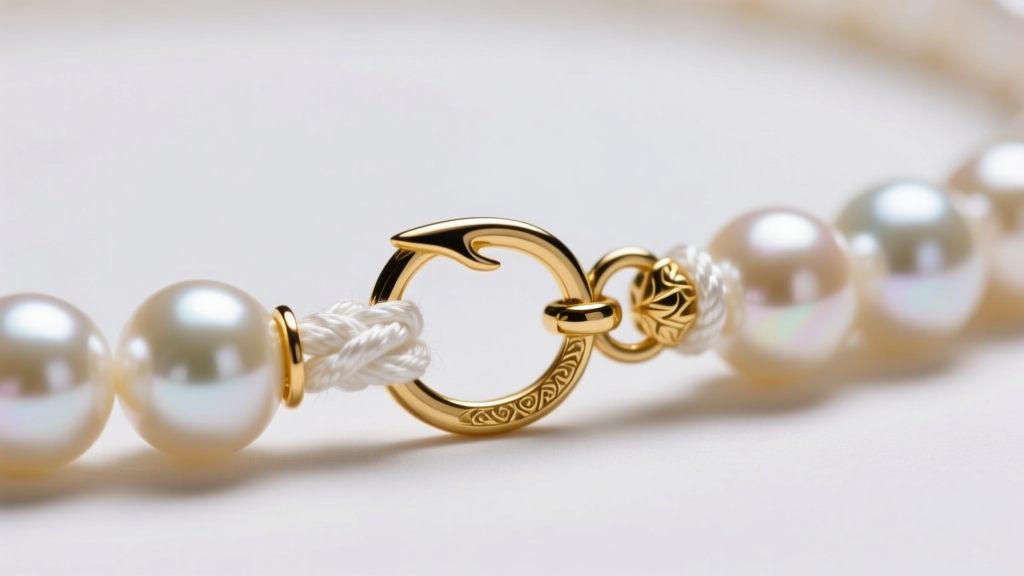
For 7mm pearls, jewelers typically use Size E (0.30mm) or Size F (0.35mm) silk thread. The knots should be tight, uniform, and sit flush against the pearl without leaving visible gaps. Additionally, inspect the ends of the necklace for 'French wire' (also known as bullion). This is a tiny coil of precious metal that wraps around the silk where it meets the clasp, protecting the delicate thread from fraying against the metal hardware.
Finally, evaluate the clasp. A 7mm pearl necklace of significant value should feature a 14k or 18k gold clasp. The most traditional and secure option is the fishhook box clasp equipped with a safety figure-eight catch. Lobster clasps are acceptable for more casual or lower-priced Freshwater strands, but they lack the refined security and elegance of a box clasp for fine Akoya jewelry.
Pricing Expectations for 7mm Strands
Understanding market pricing protects you from both overpaying and falling victim to 'too good to be true' scams. Here is what you should expect to pay for a standard 18-inch princess-length 7mm necklace in the current market:
- Commercial Grade Freshwater (Noticeable blemishes, off-round, low luster): $50 – $120
- Gem Grade Round Freshwater (Clean surfaces, high luster, excellent matching): $200 – $450
- Standard Akoya (Good luster, slight blemishes, 14k gold clasp): $800 – $1,400
- Hanadama / Gem Grade Akoya (Flawless luster, certified, 18k gold clasp): $1,800 – $3,000+
Be highly suspicious of 'Akoya' necklaces selling for under $300. These are often mislabeled round Freshwater pearls or low-grade, thin-nacre saltwater pearls that have been heavily treated and bleached.
Final Verdict: How to Buy with Confidence
Purchasing a 7mm pearl necklace is an investment in timeless elegance. To ensure you are getting exactly what you pay for, always buy from reputable jewelers who provide detailed grading reports and clear, unedited macro photography of the exact strand you are purchasing. Ask specific questions about nacre thickness for Akoya pearls, and request a return policy that allows you to inspect the luster in natural daylight. By focusing on sharp luster, meticulous matching, and proper silk knotting, your 7mm pearl necklace will remain a luminous, cherished staple in your wardrobe for decades to come.


