The Ultimate Care Guide for Your 50 Centimeters Necklace
Learn expert cleaning, storage, and maintenance tips for your 50 centimeters necklace. Protect the princess length from tarnish and tangles.

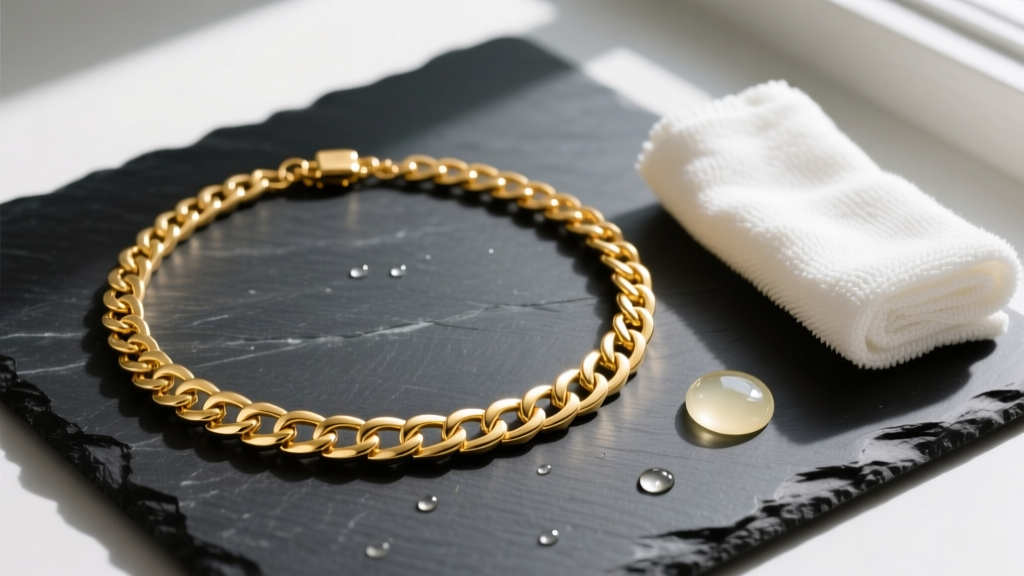
The Collarbone Microclimate: Why the 50cm Length Requires Specific Care
A 50 centimeters necklace (approximately 19.7 inches) sits squarely in the 'princess' length category, resting elegantly on or just below the collarbone. While this is arguably the most universally flattering and popular chain length in the jewelry industry, its anatomical placement creates a unique microclimate that accelerates wear and tarnish. Unlike a 40cm choker that sits higher on the neck, or an 80cm rope chain that rests on the chest, the 50cm zone is directly exposed to the body's highest concentration of pulse points, sebum production, and daily friction from clothing necklines.
As of 2026, jewelry conservationists emphasize that a one-size-fits-all cleaning approach is detrimental to the longevity of your pieces. The 50cm length is constantly subjected to aerosolized perfumes, sweat, and the abrasive friction of cotton and synthetic collars. Understanding how to care for this specific length and its common material compositions is critical for maintaining its structural integrity and optical brilliance.
Material-Specific Cleaning Protocols
Different metals and gemstones react uniquely to the oils and acids present on the skin. According to the Gemological Institute of America (GIA), improper cleaning is the leading cause of micro-scratches and degraded gemstone settings. Here is how to handle the most common materials found in 50cm chains.
Sterling Silver: Combating Hydrogen Sulfide
Sterling silver (925) is highly susceptible to tarnishing when exposed to hydrogen sulfide in the air and the sulfur compounds naturally present in human sweat. Because a 50cm silver chain rests directly on the skin, it will oxidize faster than longer chains that hang over clothing.
- The Electrochemical Method: For heavily tarnished 50cm silver chains without gemstones, line a glass bowl with aluminum foil (shiny side up). Place the necklace inside, add 1 tablespoon of baking soda, and pour in boiling water. The ion exchange will transfer the silver sulfide from the chain to the foil in under 3 minutes. Rinse thoroughly and pat dry.
- Polishing Cloths: For light maintenance, use a jeweler's cloth impregnated with micro-abrasives. Always rub the 50cm chain in a straight, back-and-forth motion rather than in circles, which can push tarnish into the crevices of the links.
14k and 18k Gold: Surfactant Degreasing
Gold does not tarnish, but the alloy metals (like copper and zinc in 14k gold) can accumulate a stubborn film of dead skin cells and lotion, dulling the chain's reflectivity. Avoid commercial 'gold dips,' which often contain harsh ammonia that can degrade the structural integrity of the solder points on a delicate 50cm chain.
- The Safe Soak: Mix 2 cups of warm (not hot) water with 3 drops of phosphate-free dish soap. Let the necklace soak for 15 minutes.
- Agitation: Use a baby toothbrush with ultra-soft bristles to gently sweep the links. Pay special attention to the clasp and the jump ring connecting the pendant, as these areas trap the most debris.
Gemstone Pendants at the 50cm Drop
If your 50 centimeters necklace features a pendant, the gemstone's hardness and porosity dictate the cleaning method. The American Gem Society strongly advises against using ultrasonic cleaners (which operate at 40-45 kHz) for porous stones like pearls, opals, or turquoise, as the high-frequency vibrations can cause internal fracturing. For these delicate stones, simply wipe the pendant with a damp, lint-free microfiber cloth after each wear, and never submerge the silk or nylon threading often used in pearl stations.
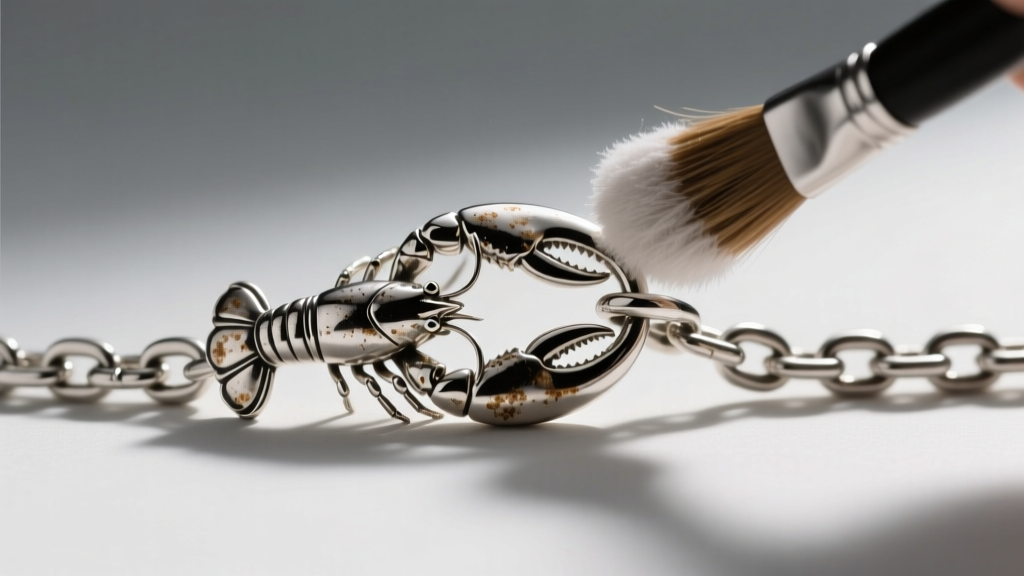
The 50cm Storage Dilemma: Preventing the 'Princess Tangle'
The physics of a 50cm chain makes it uniquely prone to tangling. At 19.7 inches, the chain is long enough to loop back on itself but short enough that the ends become tightly knotted when stored in a communal jewelry box. Repeatedly pulling a tangled 50cm chain can stretch the links, weaken the solder joints, and eventually lead to chain breakage.
Archival Storage Techniques
To preserve the geometry of your links, abandon the traditional hanging jewelry organizer. Gravity pulls a 50cm chain taut, which can stress the bottom links over time. Instead, utilize the following methods:
- The Straw Method: Unclasp the necklace and thread one end through a clean, rigid plastic drinking straw. Reclasp the necklace. The straw prevents the chain from crossing over itself, making it physically impossible to tangle in a drawer.
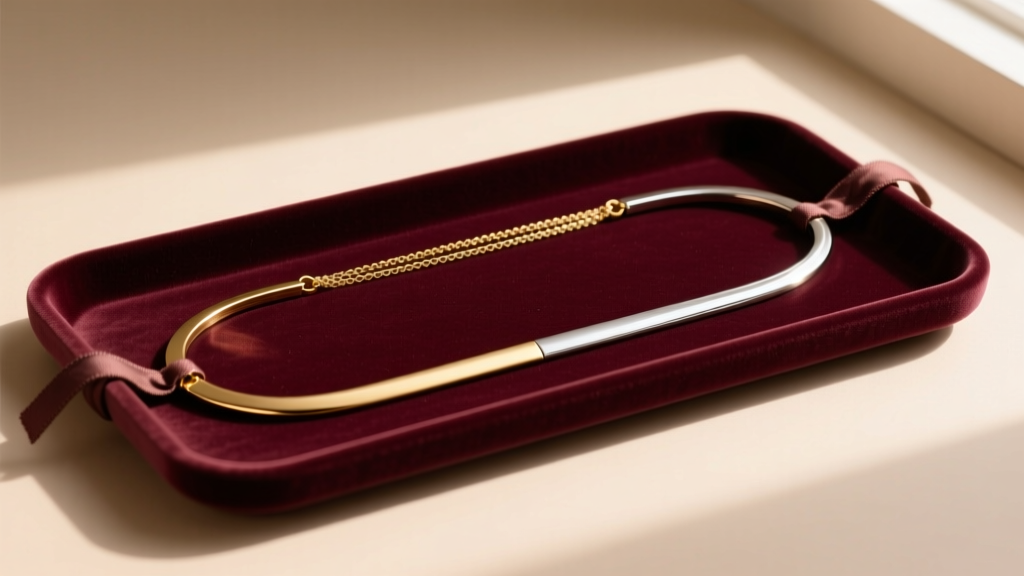
- Lay-Flat Velvet Rolls: Store the necklace flat in a multi-slot velvet jewelry roll. Ensure the clasp is left slightly outside the rolled fabric so the metal doesn't press into the delicate links when the roll is compressed.
- Anti-Tarnish Strips: Place a 3M anti-tarnish tab (which absorbs airborne sulfides) in the storage compartment. These strips remain effective for about 6 to 12 months and drastically reduce the need for abrasive polishing.
Clasp and Link Integrity: A Maintenance Checklist
The clasp on a 50 centimeters necklace endures significant lateral tension. Every time you move your neck, look down, or pull a sweater over your head, the stress is transferred directly to the clasp's spring mechanism. Here is a structured maintenance schedule to prevent catastrophic loss.
| Component | Inspection Frequency | Actionable Maintenance Step |
|---|---|---|
| Springring Clasp | Monthly | Check the tiny lever for 'spring fatigue.' If it doesn't snap back instantly, replace it immediately to avoid losing the chain. |
| Lobster Clasp | Bi-Annually | Inspect the internal spring mechanism for lotion buildup. Use a wooden toothpick to gently clear debris from the trigger gap. |
| Jump Rings | Annually | Ensure the split in the jump ring is perfectly flush. If it has pulled apart even 0.5mm, take it to a jeweler for laser soldering. |
| Chain Links | Annually | Run the 50cm chain slowly through your fingers. Any slight catching or rough spot indicates a bent or stretched link requiring professional repair. |
Daily Wear Rules: Mitigating Chemical and Abrasive Damage
To minimize the need for deep cleaning, adopt a strict 'last on, first off' protocol. A 50cm necklace should be the very last item you put on when dressing and the first item you remove when returning home. This simple habit prevents the chain from being exposed to the alcohol and essential oils in perfumes, which can strip the rhodium plating off white gold chains and degrade the luster of soft gemstones.
Furthermore, remove your 50 centimeters necklace before exercising. The combination of lactic acid from sweat and the friction of a damp chain rubbing against the collarbone can cause micro-abrasions on the skin and accelerate the oxidation of alloy metals. By treating your 50cm necklace not just as an accessory, but as a precision-crafted instrument that interacts dynamically with your body's chemistry, you will ensure it remains a pristine staple in your wardrobe for decades to come.
Conclusion
Caring for a 50 centimeters necklace requires an understanding of its unique anatomical placement, material vulnerabilities, and structural physics. By moving away from harsh chemical dips and adopting targeted surfactant cleaning, implementing anti-tangle storage solutions, and conducting routine clasp inspections, you protect both the financial and sentimental value of your jewelry. Consistent, mindful maintenance is the true secret to keeping the princess length shining brilliantly year after year.


